REVIEW · BANYUWANGI
Ijen Crater Blue Fire Night Hike
Book on GetYourGuide →Operated by Sunny Go Tour and Travel · Bookable on GetYourGuide
Ijen looks normal in daylight. Then night hits, and the crater starts glowing blue. This trip is built for that magic moment, plus the sunrise reveal of the world’s largest acidic crater lake.
What I like most is the way the experience is guided and structured. Qim Qim and Sule (and other guide teams like Ron Ron and Bagus) set a fast pace when needed, but also slow down for safety, which matters on steep ground and slick paths. I also love seeing the crater from the rim at the right hour—blue flames in the dark, then the acidic lake turning turquoise-green as the sky lightens.
One consideration: the hike is not a casual walk. It’s moderately challenging, you’ll be wearing a gas mask, and the footing can get slippery—so if your fitness or knees aren’t great, think twice.
In This Review
- Key things that make this Ijen night hike special
- A Midnight Route to Ijen’s Blue Flames (and Why Timing Matters)
- Pickup Options, Drive Time, and How East Java Gets You Ready
- Lapangan Paltuding: The Safety Briefing That Sets the Tone
- Gear You Actually Need: Headlamp, Gas Mask, and Warm Clothing
- The Crater Walk at Night: Reaching the Rim Before the Crowds
- Sunrise Over the Acidic Crater Lake: The View Shifts Everything
- The Sulfur Miners: Human Labor at the Edge of a Volcano
- How the Small Group Format Improves Your Day
- Price and Value: What $35 Includes (and What It Doesn’t)
- Who Should Book This Ijen Night Hike (and Who Should Skip It)
- Should You Book This Tour?
- FAQ
- What time does the Ijen blue fire hike start?
- How difficult is the hike to Ijen Crater?
- Is the gas mask and headlamp included?
- Are meals included in the price?
- What should I bring?
- Is Mount Ijen open every day?
Key things that make this Ijen night hike special
- You chase the blue flames before most people arrive, so the timing game is part of the payoff.
- Gas mask + headlamp come with the tour, which turns a risky idea into a more controlled experience.
- English/Indonesian/Malay guiding keeps the safety talk clear, not vague.
- Sunrise at the acidic crater lake shifts the whole mood from spooky to jaw-dropping.
- Small groups (up to 8) help you move as a unit without feeling packed in.
A Midnight Route to Ijen’s Blue Flames (and Why Timing Matters)
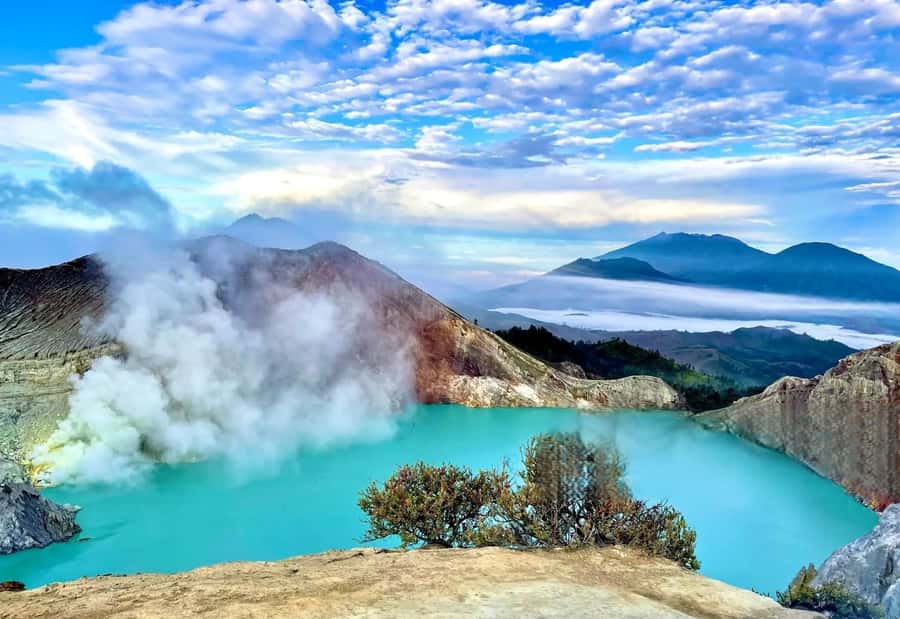
The Ijen crater is famous in daylight, but the real reason people book the night hike is what happens after dark. You’re going in the hours when the crater can show its blue flames—an eerie, low-light effect that is easy to miss if you arrive too late. That’s why this tour starts from pickup in time to reach Lapangan Paltuding and begin the hike before midnight.
Once you’re on the mountain, the experience becomes more than sightseeing. You’re walking in the dark under a canopy of stars, following headlamps and a guide’s instructions. The environment is active and harsh—very volcanic—so the tour’s biggest value is that it gets you to the viewing area with a plan, not just hope.
The most memorable moments usually come in two phases:
- Night: you reach the crater rim and wait for the blue flames to show.
- Sunrise: the view flips from glowing embers to the wide bowl of the acidic crater lake.
It’s the kind of timing that changes what the destination feels like. If you like adventures that depend on the clock, this one fits.
Pickup Options, Drive Time, and How East Java Gets You Ready
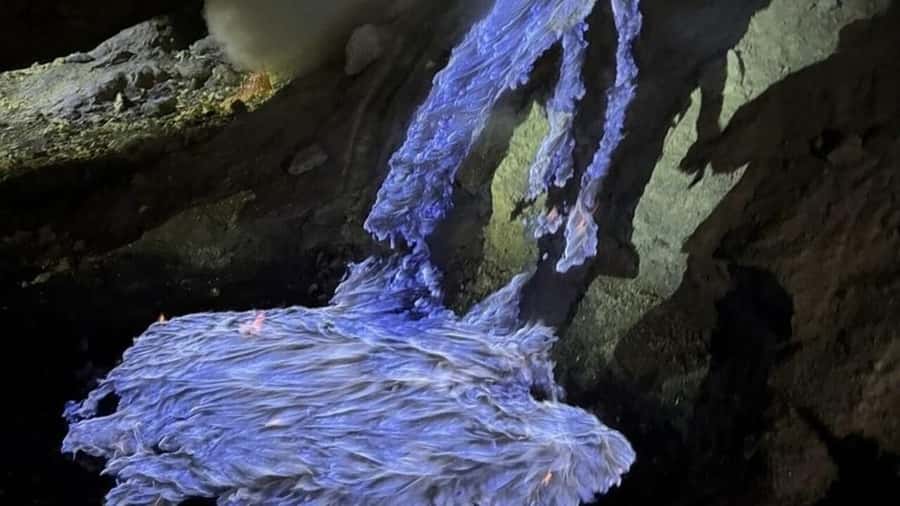
The route starts with pickup from multiple places, including Banyuwangi, Kalipuro, Licin, Denpasar City, Ubud, and Bali (plus Licin/Banyuwangi options). You’re also given clear guidance to be ready in the hotel lobby about 10 minutes before pickup. That sounds minor, but for a night hike, being late can ripple through everything.
The total day can run 9 to 20 hours, depending on starting time and which pickup/drop-off point you use. Expect a long transit day. You’ll typically drive through East Java’s interior before the hike even begins. This is where the tour’s good transport rating shows up: 91% of reviewers gave a perfect score for the ride.
Why I think that matters to you: if you’re already tired from travel, the last thing you want is a chaotic start. A well-run departure makes the difference between arriving alert enough to enjoy the crater and arriving grumpy, cold, and stressed.
Also keep in mind there’s an extra fee of 150,000 IDR for group pick-up if your lodging is in the Ijen Resort or Licin region. It’s small, but it’s the kind of detail that’s best to have in your budget.
Lapangan Paltuding: The Safety Briefing That Sets the Tone
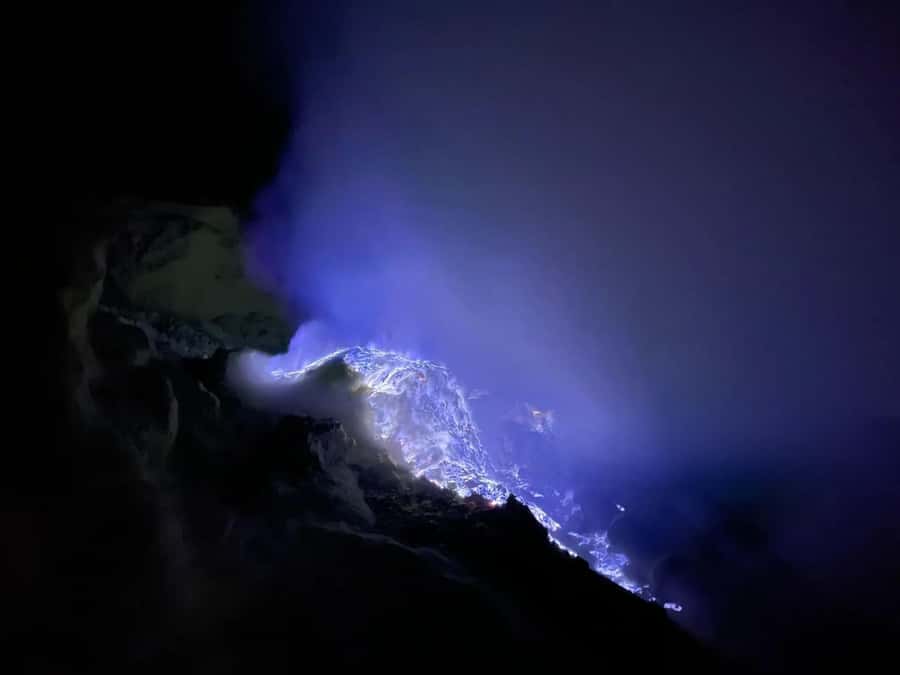
At Lapangan Paltuding, you’ll get a 15-minute safety briefing. Don’t treat that as filler. This is where your guide explains how the ground will feel, what to watch for, and how to move with the group.
This matters because Ijen is not just steep—it’s steep with volcanic conditions. One review described skipping the blue light because rocks were slippery on the descent, which tells you the reality: the crater approach can be tricky even for motivated people. Your guide’s role is to keep the risk level down without killing the experience.
After the briefing, you start the route toward the crater. You’ll be provided gear (more on that next) and you’ll follow a guided trek rather than wandering on your own. That difference shows up in how confident you feel when it’s dark.
Gear You Actually Need: Headlamp, Gas Mask, and Warm Clothing
This tour includes key equipment: a gas mask, a headlamp, and parking fees plus the Mount Ijen National Park ticket. It also includes a health certificate. Translation: they’re not treating the crater like a casual photo stop.
Here’s the practical takeaway for your packing list:
- Comfortable shoes / hiking shoes with grip (slippery volcanic rock is the enemy)
- Warm clothing and a jacket (night temps can feel cold fast)
- Rain gear (weather can change, and wet gear is miserable)
- Water (meals are not included)
- Trekking gear if you normally hike with poles or a pack
The gas mask inclusion is a big deal. It signals that the tour expects exposure to sulfuric gases near the crater and plans for it. Even with the mask, you’ll still feel the environment is intense—so follow your guide’s instructions on pacing and breathing.
And yes, headlamps matter. You’ll need to see your footing on steep sections, and you’ll want both hands free at times. The tour provides the headlamp, so you’re not making that decision last minute.
The Crater Walk at Night: Reaching the Rim Before the Crowds
This is the part most people picture. You’re hiking under stars, moving toward the crater rim, and your guide is watching conditions—your pace, the trail conditions, and whether the viewing conditions are good.
One thing I learned from the guide praise: the best groups emphasize both speed and safety. Guides like Qim Qim and Sule are repeatedly described as organized, funny, and encouraging, while also pushing you to move carefully. In other words, you get energy, but you also get rules.
What you can realistically expect:
- Some time spent walking and stopping for views on the way.
- A photo stop and then a guided tour once you’re closer.
- Free time before sunrise arrives, when you’re at the crater area and can take it in at your own pace.
About the blue flames: visibility can vary. One person didn’t see them due to the slippery conditions and chose to adjust. That tells me something useful for you: keep your priorities straight. If the footing is unsafe or you’re physically wiped, it’s smarter to follow the guide and stay safe than to force a perfect photo.
If you want the best chance to catch the blue flames, arrive early. Multiple guides are credited with getting people down early so they can see the blue fire before crowds build.
Sunrise Over the Acidic Crater Lake: The View Shifts Everything
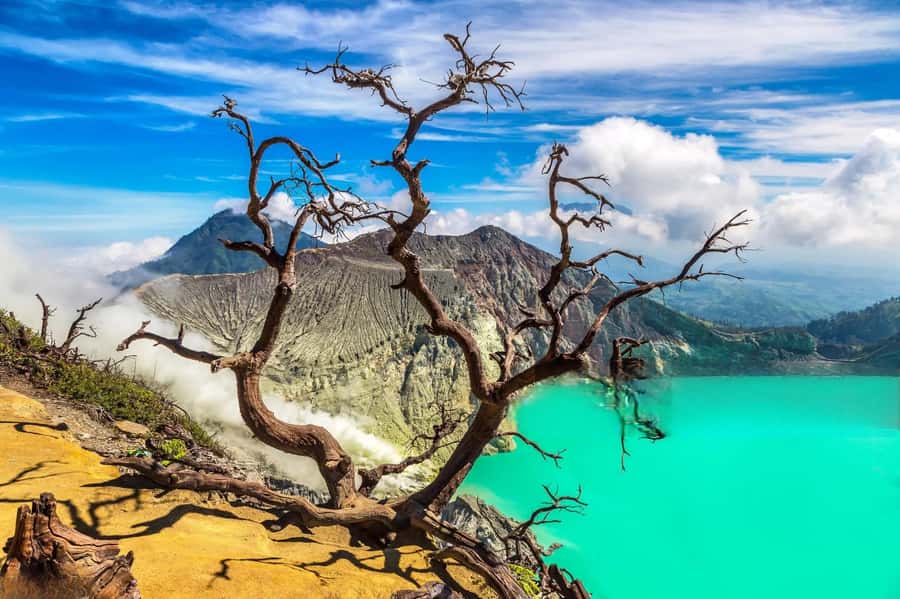
When dawn comes, the crater changes mood fast. At sunrise, you get the panoramic look at the world’s largest acidic crater lake, glowing in turquoise and green tones.
This is where your patience pays off. The night hike can be exhausting—cold, dark, and physical. Then sunrise makes it feel worth the early start. The color shift is dramatic, and the crater’s scale hits you after hours of climbing and waiting.
Also, the crater lake isn’t just a pretty scene. It’s a reminder of how powerful and extreme volcanic chemistry is. You’re standing near an active system, and the view is part science, part awe.
Your guide will often frame what you’re looking at. Guides are described as highly informative, and the best part of that for you is not memorizing facts—it’s understanding why the terrain and colors look the way they do, and what you’re seeing safely from the rim.
The Sulfur Miners: Human Labor at the Edge of a Volcano
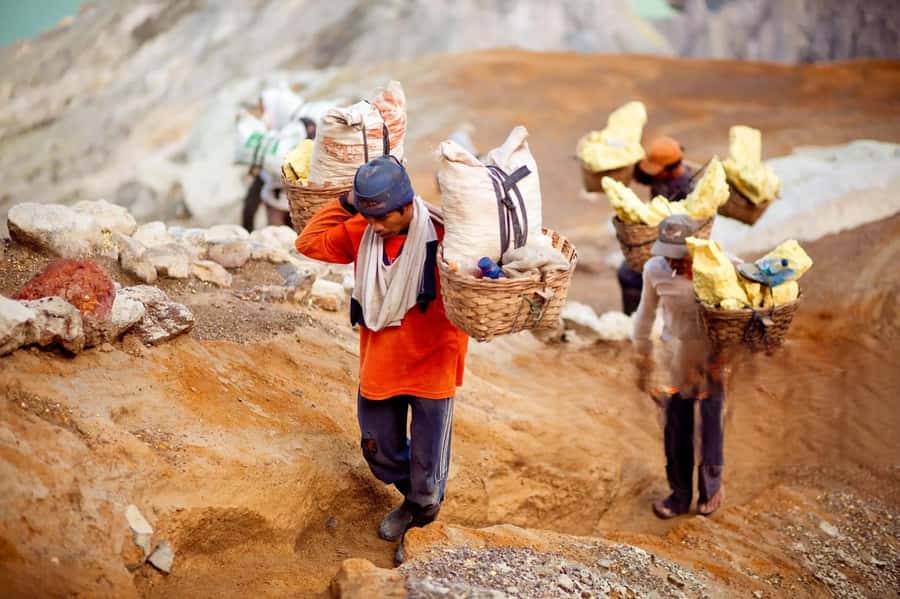
One of the tour highlights is watching the miners who work around the crater. You’re not going there for pity or fear—you’re going to witness the reality of how people extract sulfur in a place that is basically built for danger.
The experience is described as showing the miners’ intense labor as they extract bright yellow sulfur from the crater. That visual contrast is one of the most “real” parts of the trip. You see not just nature’s power, but human work adapting to it.
Important: this is still a guided hike with safety rules. You won’t be doing anything unsafe on your own. Just being there at the right time lets you understand the place beyond the scenic photos.
How the Small Group Format Improves Your Day
This is a small group tour limited to 8 participants. For a long, cold hike, smaller groups are not just a comfort perk—they’re a safety tool.
A smaller group typically means:
- You’re more likely to keep a steady pace with fewer bottlenecks.
- Your guide can check in on people’s footing and energy.
- It’s easier to adjust when someone needs to slow down.
The guides you’ll likely meet from the praised teams include Qim Qim, Ron Ron, Bagus, Sule, Haqim, Wahyu, Kiki, Kikii, and QiQi, along with drivers like Angga. Even if the exact lineup differs, the consistent theme is active guidance and reassurance.
Also, an early arrival strategy comes up again and again—people appreciate being among the first down so they can enjoy the blue flames, then settle into sunrise without the worst crowd pressure.
Price and Value: What $35 Includes (and What It Doesn’t)
At $35 per person, this tour can feel like a bargain or a mystery depending on what you compare it to. Here’s the value logic based on what’s included:
- Hotel pickup and drop-off
- Mount Ijen National Park entry ticket
- Guided hiking to Ijen Crater
- Blue flame viewing
- Gas mask and headlamp
- Health certificate
- Parking fees
What you pay separately:
- Meals
- Personal expenses
That inclusion list matters. If you tried to DIY this, you’d need to handle entry fees, transport, and safety gear yourself. Gas masks and a solid guide are not things you want to improvise when conditions get sketchy.
Still, budget for food. Since meals are not included, you’ll want to plan either snacks you can handle on a long day or money for meals at reasonable stops.
Who Should Book This Ijen Night Hike (and Who Should Skip It)
This experience is for people who are okay with:
- A moderately challenging hike
- Night hiking with headlamps
- Cold and potentially wet weather
- Steep, volcanic terrain where slipping is possible
It is not suitable for:
- Pregnant women
- People with mobility impairments
- People with heart problems
- People with respiratory issues
- People with low level of fitness
If you fit the “can hike, can follow instructions” category, this is the kind of tour that gives you a story you’ll keep telling. The blue flames plus sunrise lake plus miners’ labor creates a full emotional arc: spooky → stunning → real-world.
If you’re unsure, be honest with yourself. The tour doesn’t frame the hike as easy, and your safest choice is to match your effort to your limits.
Should You Book This Tour?
Yes, I’d book it if you want a guided, gear-supported night trek to Ijen, and you care about getting to the rim at the right time. The early timing focus and the small group size are strong signs this tour protects your viewing chances without sacrificing safety.
I’d think twice if:
- You have respiratory or heart concerns (the trip lists those restrictions for a reason).
- You know your footing isn’t reliable on slick slopes.
- You can’t handle long cold days (this trip can run up to 20 hours).
- You hate hiking in the dark and would rather see Ijen in daylight only.
If you’re a confident hiker who packs warm layers and grippy shoes, you’re likely to leave with one of Java’s most unforgettable “how is this real” moments.
FAQ
What time does the Ijen blue fire hike start?
You depart before midnight and hike to the crater rim to reach it before dawn.
How difficult is the hike to Ijen Crater?
The hike is described as moderately challenging and requires a reasonable level of fitness.
Is the gas mask and headlamp included?
Yes. The tour includes a gas mask and a headlamp.
Are meals included in the price?
No. Meals are not included.
What should I bring?
Bring comfortable shoes or hiking shoes, warm clothing, a jacket, rain gear, trekking gear if you use it, and water.
Is Mount Ijen open every day?
No. Mount Ijen is closed every first Friday of the month.