REVIEW · BANYUWANGI
Banyuwangi: Mt. Ijen Sunrise Hike with Pickup & Health Check
Book on GetYourGuide →Operated by Jogja Borobudur Tour & Travel · Bookable on GetYourGuide
The first steps up Ijen start in near-dark. This is a Mt. Ijen sunrise hike from Banyuwangi built around the crater’s big, dramatic payoff: sulfur miners at work, panoramic Ijen views, and a chance to see the blue fire inside the crater (not guaranteed).
What I really like is that the tour handles the hard parts for you: early pickup with guide support and gear that matters, like a gas mask and headlamp. Another strong point is the people angle. Guides such as Sopi, Surai, and Rafi are praised for keeping the group together, staying on top of safety, and making the steep climb feel manageable.
One drawback to consider: the hike is steep and “moderately challenging,” so it can be rough if you have heart or respiratory issues, and night gear can be a weak spot if a headlamp has problems.
In This Review
- Key Things You’ll Get (Besides Sunrise Photos)
- How This Mt. Ijen Sunrise Hike Really Works (And Why It Feels Worth It)
- The “small group” advantage
- Banyuwangi Pickup to Ijen: The First Hour Sets the Tone
- What to do during the drive
- The 1.5-Hour Summit Hike: Steep, Cold, and All About Focus
- Headlamp reality check
- The guide makes the climb easier
- Crater Time and Sunrise Viewing: When the World Goes Quiet
- Why guided crater time is valuable
- Blue Fire: The Mystical Part, With Realistic Expectations
- A practical tip: go with patience, not guarantees
- The Descent: Tough Legs, Quiet Relief, and One Last Check
- Included Gear and Health Check: Small Details That Pay Off
- Price and Value: Why $28 Can Work (If You Want the Whole Package)
- Who This Tour Fits Best (And Who Should Skip It)
- Should You Book This Mt. Ijen Sunrise Hike?
- FAQ
- What time does the tour start and how long is it?
- Where do they pick you up in Banyuwangi?
- Is hotel pickup and drop-off included?
- Do I get gas mask and headlamp?
- Is the blue fire guaranteed?
- How difficult is the hike?
- Are there health or medical restrictions?
- What should I bring?
Key Things You’ll Get (Besides Sunrise Photos)
- Hotel pickup in Banyuwangi at night, so you don’t have to figure out transport while the world is still asleep
- Gas mask + headlamp + guide, which matters because you’re working near strong volcanic gases and low light
- 1.5-hour hike to the summit, then time to explore the crater area at the pace your guide sets
- A shot at the blue fire, with clear expectations that it depends on conditions
- Sulfur miners in daily motion, plus the atmosphere of a working volcano—not a theme park
- A health check certificate, organized as part of the experience before you head out
How This Mt. Ijen Sunrise Hike Really Works (And Why It Feels Worth It)
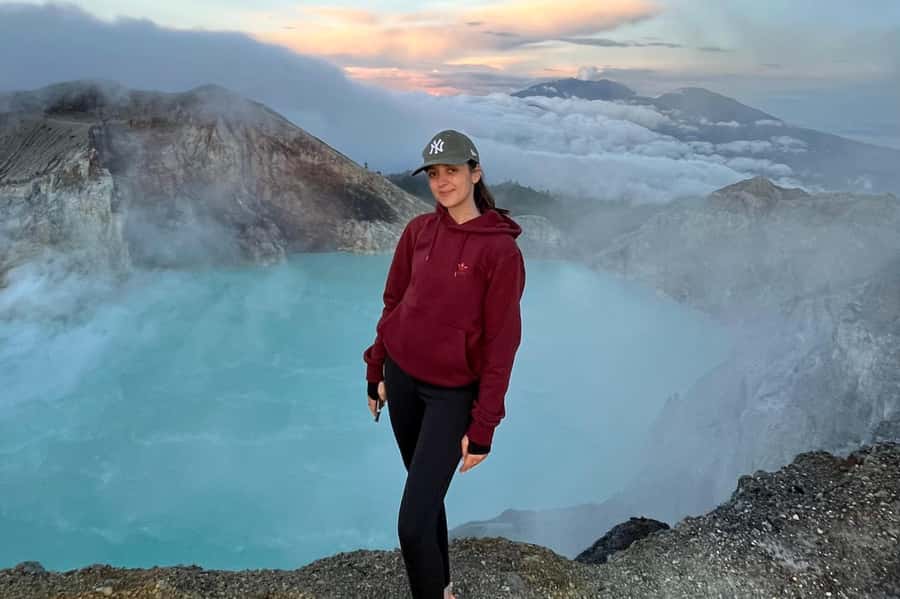
Mt. Ijen is one of those destinations where logistics can make or break the morning. This tour is designed for the way Ijen actually happens: you leave Banyuwangi in the middle of the night, you climb in the dark, and you wait for the sky to do its thing. If you try to DIY it without a local guide and early transport, you risk arriving late, missing the best timing, or just spending energy on confusion instead of the hike.
The core promise is simple. You get a guided sunrise experience over the crater’s largest acid lake in Java, plus crater views and time near the mining activity. You also get a realistic shot at the mystical blue flames. The key word is shot: the blue fire is weather- and timing-dependent, and even the best guides can’t manufacture it on command.
The “small group” advantage
The experience is listed as a small group guided trip, with private options available. That helps on a steep, dark trail where you don’t want to be separated or swept along by people who move faster. In the feedback you’ll see a pattern: guides stay focused on keeping the group safe and together, including helping travelers slow down when needed.
Banyuwangi Pickup to Ijen: The First Hour Sets the Tone
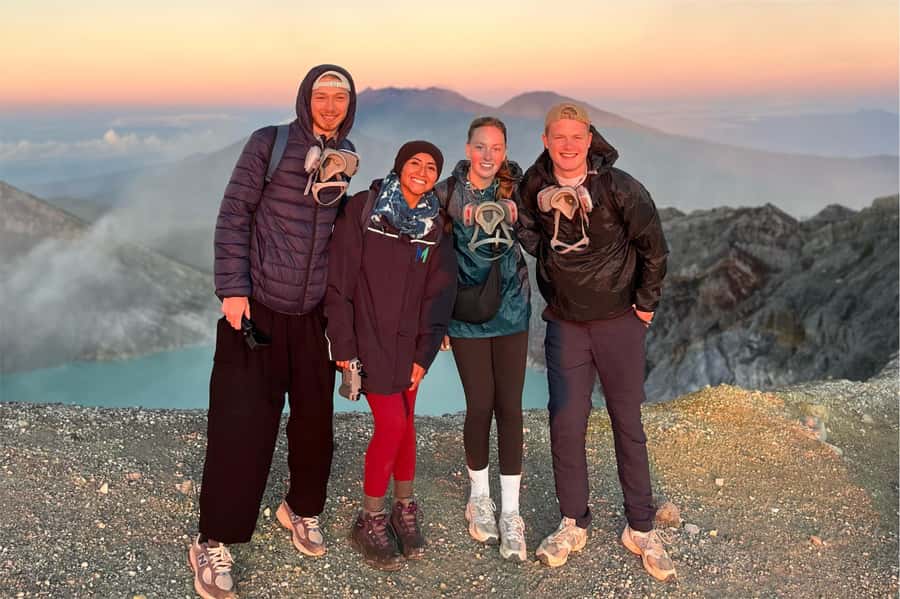
Your morning starts with pickup from Banyuwangi. The tour includes hotel pickup and drop-off, and it even notes pickup can be optional from any location within Banyuwangi city. That matters because the climb begins when it’s still night.
From pickup to Ijen is about one hour by van. This is the breathing room you’ll need. By the time you start hiking, you’re not wasting daylight hunting down directions or trying to organize a last-minute ride.
What to do during the drive
Use the van time to set yourself up for cold and low visibility:
- Wear warm layers you can move in.
- Keep your shoes tied tight and ready for a steep trail.
- Bring your passport (a copy is accepted per the tour info).
The trip also includes a health check step. Practically, that means you should expect at least a brief organized process before you’re fully on the volcano route.
The 1.5-Hour Summit Hike: Steep, Cold, and All About Focus
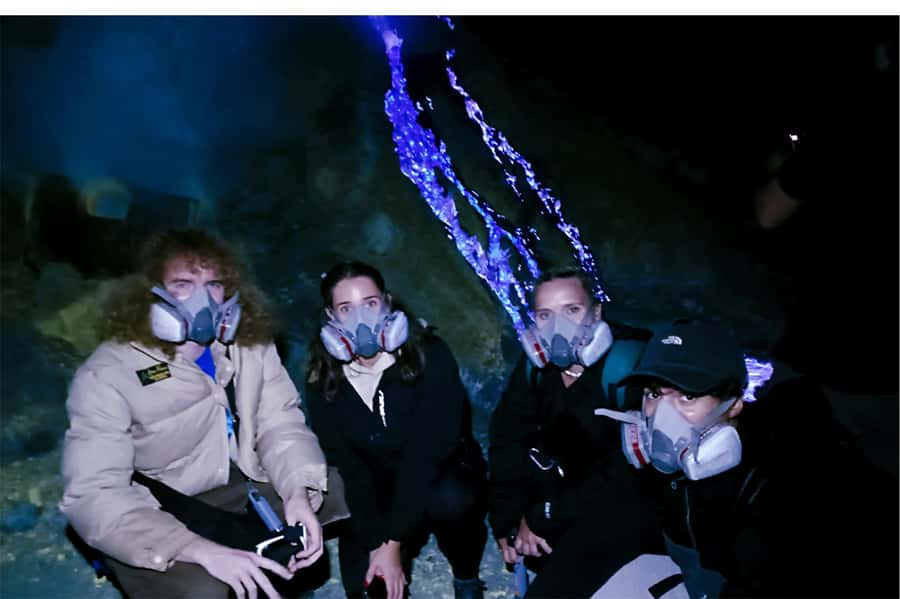
The hike to the top is about 1.5 hours. It’s described as moderately challenging and fairly steep, and the tour explicitly warns it’s not suitable for people with heart problems or respiratory issues.
This part of Ijen is where your preparation pays off. Temperatures can be low, so warm clothing is recommended. A comfortable, grippy hiking shoe also matters, because you’ll be moving carefully on uneven ground while it’s dark.
Headlamp reality check
The tour includes a headlamp, which is a must for night hiking. One piece of honest feedback mentions headlamp battery problems in some units, which could become unsafe on a steep, dark trek. If you book, I’d treat this as permission to plan for redundancy. A phone flashlight can be a backup, and it’s worth making sure your headlamp is actually working before you start moving fast uphill.
The guide makes the climb easier
Good guides don’t just point the way. They set pacing, manage breaks, and keep people from getting overconfident in the dark. In the feedback, guides like Sopi (described as funny and energetic) and Surai (described as very attentive and supportive) are praised for exactly this: staying with the group, helping slow hikers, and keeping morale up when the climb gets intense.
Crater Time and Sunrise Viewing: When the World Goes Quiet
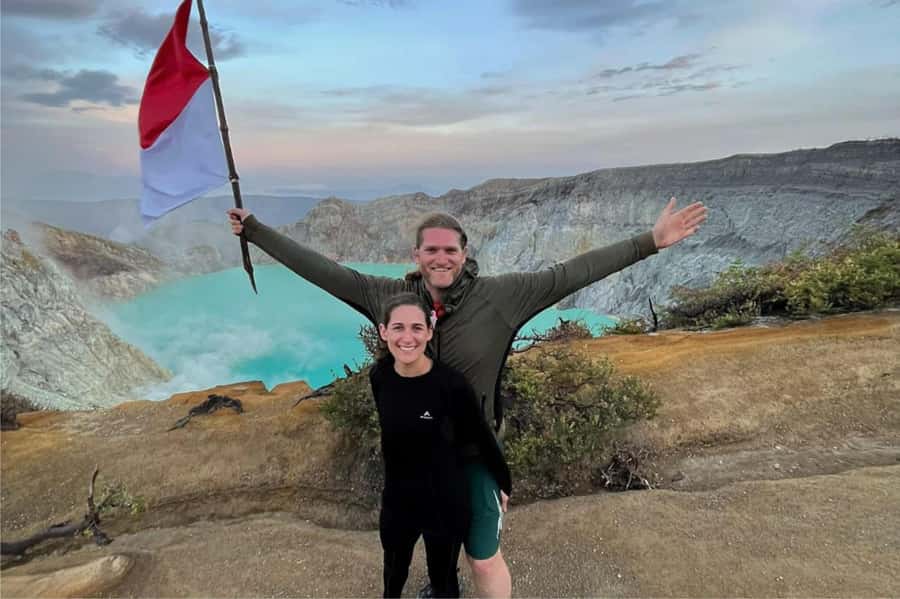
After the summit, the schedule includes sightseeing for about one hour. This is where you’ll see the crater landscape open up and where the sunrise timing becomes the main event.
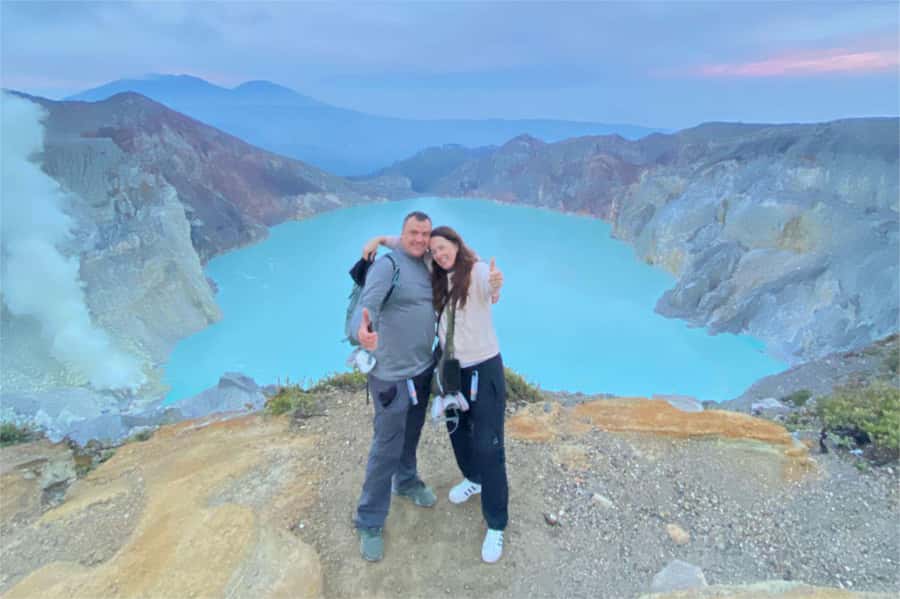
You’re watching sunrise over the largest acid lake of Ijen. That detail matters. This isn’t just a view point. It’s a big, active volcanic environment with dramatic color, heavy atmosphere, and real sulfur mining happening nearby.
Why guided crater time is valuable
You might think the important part is just reaching the top. On Ijen, that’s only half the story. The crater area is where spacing, safety, and timing matter. A guide knows where the group should stand, when to move, and how to avoid unnecessary risk around volatile gases.
And then there’s the human side. You’re likely to see local miners carrying sulfur rock—an everyday job powered by stamina, skill, and risk. Seeing them while you wait for the light to change makes the morning feel more grounded, not just scenic.
Blue Fire: The Mystical Part, With Realistic Expectations
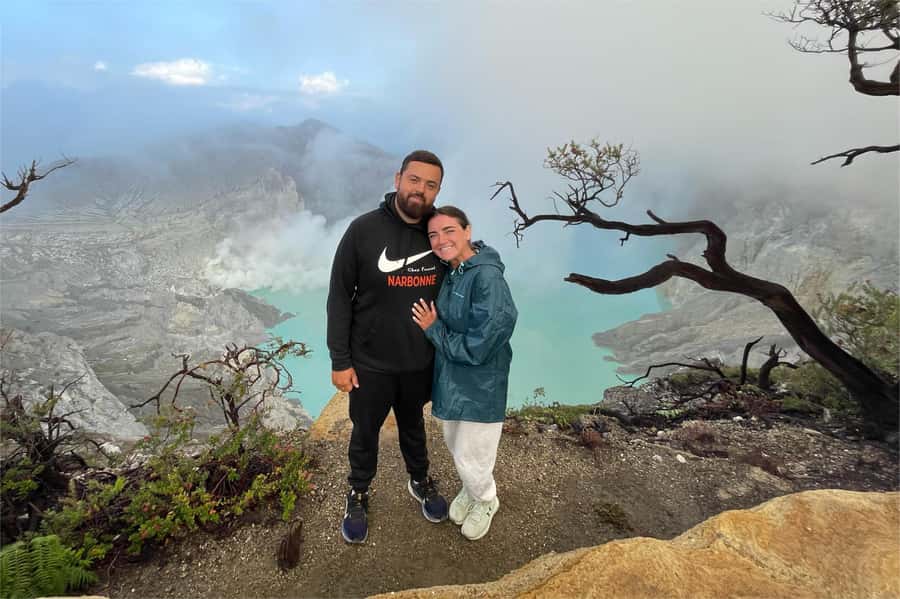
The tour says you may have a chance to see the volcano’s mystical blue flames on a clear lucky day, but it’s not guaranteed. This is important. If you book expecting fireworks every time, you’ll be disappointed.
What makes blue fire worth aiming for is that it’s tied to the crater’s conditions. You’re not just “waiting around.” You’re hiking, arriving at the right window, and using the headlamp and gas mask in the crater environment to get close enough to see it when it appears.
A practical tip: go with patience, not guarantees
Since it’s not guaranteed, the best mindset is curiosity plus patience. If the blue flames don’t show up, the sunrise and crater views still happen, and you still get the sulfur mining atmosphere.
The Descent: Tough Legs, Quiet Relief, and One Last Check
After exploring, you trek down and return to the parking lot. The itinerary includes another on-foot segment of about one hour, then about 1.5 hours back by van. The tour returns you to Banyuwangi roughly at 8:30 AM.
This is the phase where knees complain. The trail is steep going up, but going down can be harder on joints because you’re braking with your legs. In the feedback, you’ll see guides praised for staying close and not rushing people who needed a slower pace.
If you have any doubts about your ability to handle the descent, tell your guide early. The group dynamic only works if the slow pace is welcomed, not hidden.
Included Gear and Health Check: Small Details That Pay Off
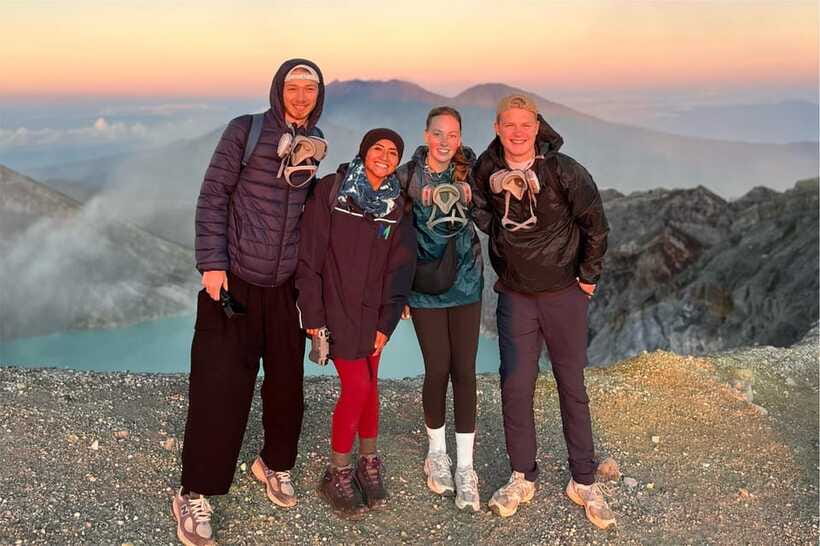
This tour includes several items that you’d otherwise have to track down or improvise:
- Gas mask
- Headlamp
- Entry fee
- Hiking guide
- Health check certificate
- Hotel pickup & drop-off
The gas mask isn’t a gimmick. Ijen’s atmosphere involves strong volcanic gases, and having the right gear helps you focus on the experience instead of feeling unprepared.
The health check certificate is also a meaningful inclusion. It signals the trip is taken seriously as an active hike, not just a casual walk to a viewpoint. If you have any medical concerns, check with the tour’s own suitability note first (heart problems and respiratory issues).
Price and Value: Why $28 Can Work (If You Want the Whole Package)
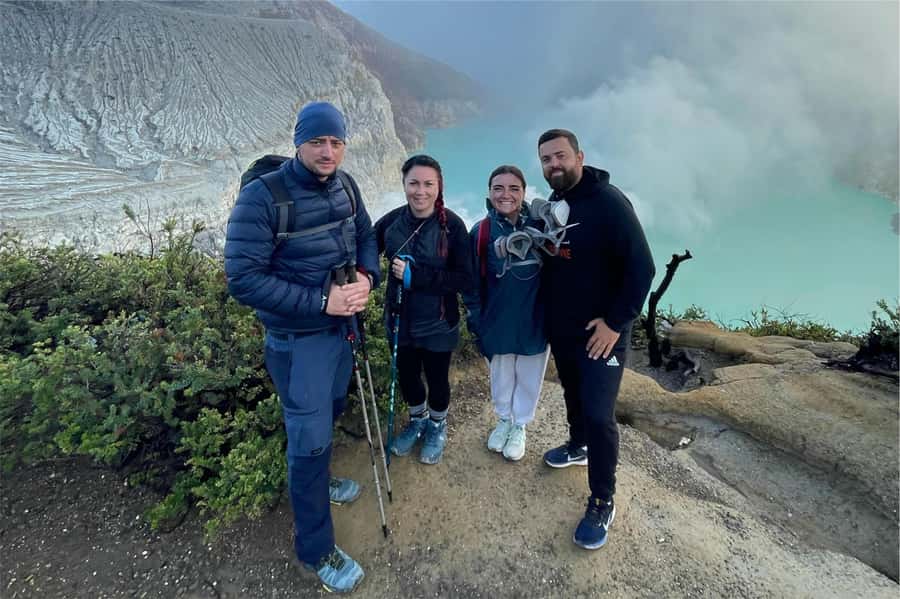
The price is listed at $28 per person for an 8-hour experience, including pickup and drop-off, guide, entry fee, gas mask, headlamp, and the health check certificate.
That value mostly comes from time saved. You’re getting:
- early nighttime transport,
- organized timing for sunrise,
- crater access with the right gear,
- and a guide to manage risk in a steep, dark environment.
If you already have transport and gear, you might lower costs DIY. But DIY can also be messy on Ijen timing. Here, you’re paying for a morning that runs like a system.
Also, the booking info includes free cancellation up to 24 hours in advance and a reserve now, pay later style option. That’s helpful when weather and timing matter for blue fire and sunrise visibility.
Who This Tour Fits Best (And Who Should Skip It)
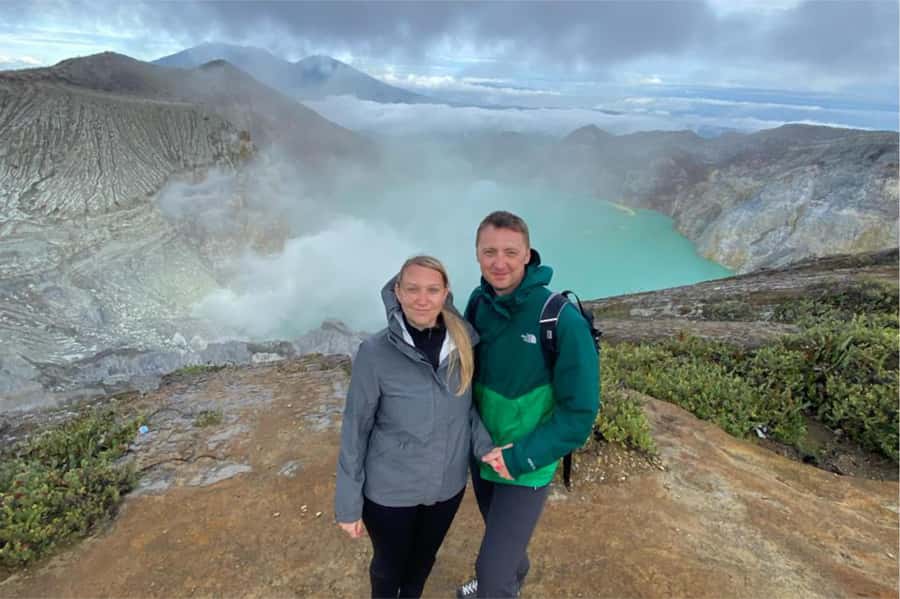
This Mt. Ijen sunrise hike works best for you if you:
- want a guided, early start from Banyuwangi,
- enjoy steep, real hiking (not just “stretch and take pictures”),
- care about seeing miners and the crater environment, not only the view.
It’s not a great fit if you:
- have heart problems,
- have respiratory issues,
- or you’re expecting an easy stroll.
If you’re nervous about the hike, that’s also where a good guide matters. Multiple guides are praised for encouraging the group, managing the pace, and helping people who needed extra support.
Should You Book This Mt. Ijen Sunrise Hike?
Book it if sunrise over Ijen and the crater atmosphere are on your must-do list, and you want a structured, guided way to get there from Banyuwangi. The mix of included gear, pickup/drop-off, and a health check certificate makes it feel safer and more organized than a DIY morning.
Skip it or choose another option if steep, cold, night hiking sounds like a bad match for your body or health. And if you’re sensitive to equipment issues, plan a small safety backup for your headlamp since one report flagged battery problems.
If you go in with the right expectations—blue fire is luck, sunrise is the certainty, and the miners make it real—this kind of early morning can become one of your East Java highlights.
FAQ
What time does the tour start and how long is it?
The tour duration is listed as 8 hours. It includes pickup from Banyuwangi in the middle of the night and returns you to Banyuwangi around 8:30 AM.
Where do they pick you up in Banyuwangi?
Pickup is available from the Banyuwangi Regency area, and pickup is optional from any location within Banyuwangi city.
Is hotel pickup and drop-off included?
Yes. Hotel pickup and drop-off are included.
Do I get gas mask and headlamp?
Yes. A gas mask and headlamp are included, along with an entry fee and a hiking guide.
Is the blue fire guaranteed?
No. The tour says you have a chance to see the blue flames on a clear lucky day, but it is not guaranteed.
How difficult is the hike?
The hike to Ijen is described as moderately challenging and requires a good level of fitness. It is also noted that it is steep.
Are there health or medical restrictions?
The tour is not suitable for people with heart problems or people with respiratory issues.
What should I bring?
Bring comfortable shoes and warm clothing. You’ll also want to bring your passport (a copy is accepted).