REVIEW · LAKE TEKAPO
Lake Tekapo: Mountaintop Stargazing at Mount John Summit
Book on GetYourGuide →Operated by Dark Sky Project · Bookable on GetYourGuide
The night sky above Lake Tekapo can feel unreal. This Mount John summit stargazing experience blends hands-on Southern skies guidance with telescope viewing in one of New Zealand’s darkest settings. You get the kind of “wait, that’s really there” moments that stick.
What I love is how the experience is built to teach you while you’re doing it. Guides use handheld lasers to help you spot targets with your naked eyes, then you shift to high-powered telescopes to see details you can’t get on your own. Second, the setup is practical: you’re given extreme cold weather jackets, plus return transport up and back from the Dark Sky Project base.
One possible drawback: this is weather dependent, and conditions can change your experience fast. If clouds or wind roll in, you may switch to an indoor alternative or your night may be rescheduled/cancelled.
In This Review
- Key Things That Make Mount John Stargazing Worth Your Time
- Why Mount John Over Lake Tekapo Feels Different
- Check-In, Warm-Up, and Getting Up to the Summit
- What Happens During the 105 Minutes of Stargazing
- 1) Naked-eye Southern sky spotting with lasers
- 2) Telescope viewing for the details your eyes can’t catch
- 3) The “research centre” atmosphere you stand inside
- 4) Night vision rules that keep everyone’s experience better
- Guides, Language, and the Moment You Actually Learn the Sky
- Cold Weather, Jackets, and What You Should Wear
- How Weather and Moon Phase Change What You See
- Price and Value: Is $130 Worth It?
- Who This Tour Is Best For (and Who Should Skip It)
- Should You Book Mount John Stargazing at Dark Sky Project?
- FAQ
- How long is the Mount John stargazing experience?
- Where do I meet for the tour?
- Is food included?
- Are warm jackets provided?
- Do I need to speak a specific language?
- Is the tour suitable for children?
- What should I bring or wear?
- Is flash photography allowed?
- What if the weather is bad?
- Is pickup from my hotel included?
Key Things That Make Mount John Stargazing Worth Your Time
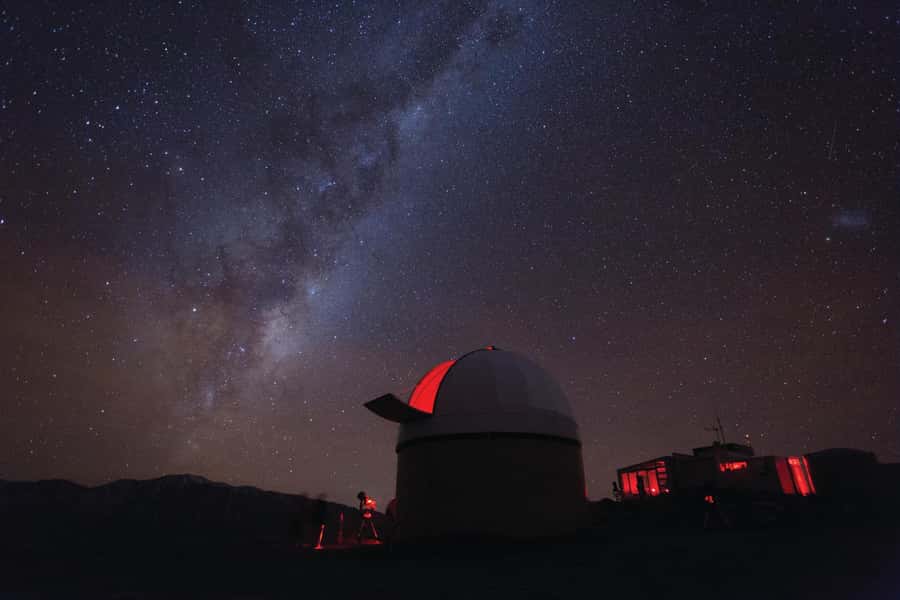
- Exclusive summit access at 1,029m above Lake Tekapo, where darkness is the point
- Laser-guided sky spotting so you learn where to look, not just what to see
- Telescopes plus Southern Hemisphere targets with ongoing “something new each night” energy
- University of Canterbury research centre setting, adding a real astronomy feel to the night
- Warmth included with extreme cold weather jackets and guidance for cold-weather dressing
- No flash photography, which helps protect night vision for everyone
Why Mount John Over Lake Tekapo Feels Different
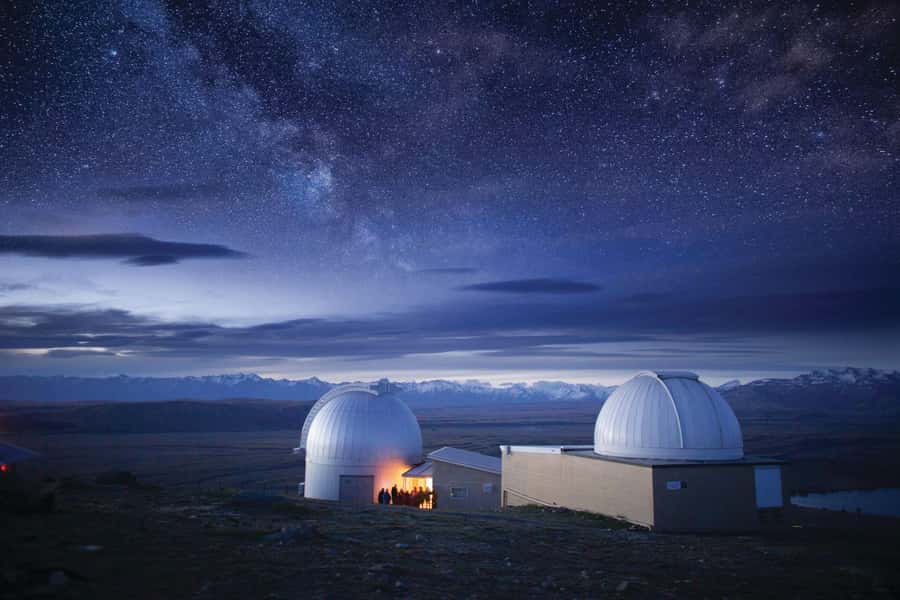
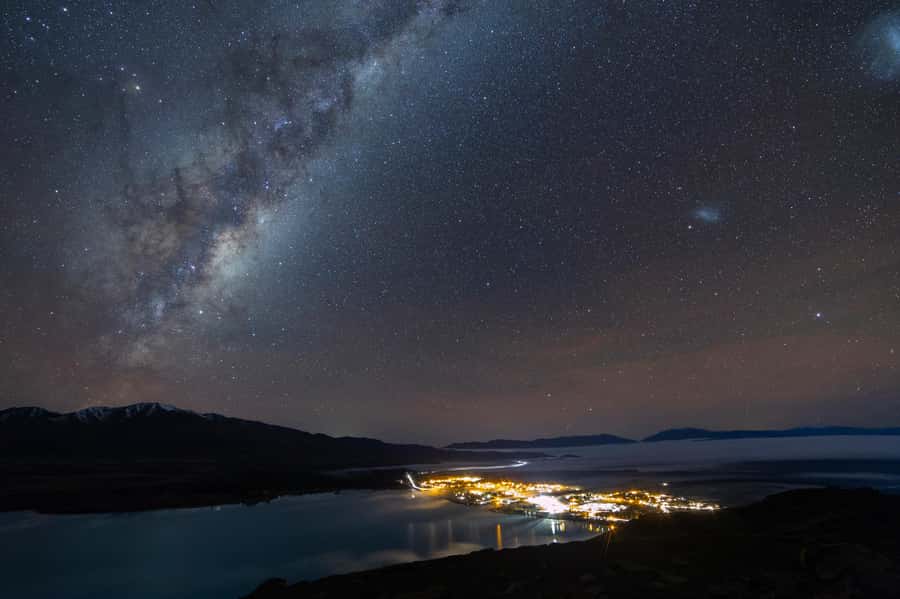
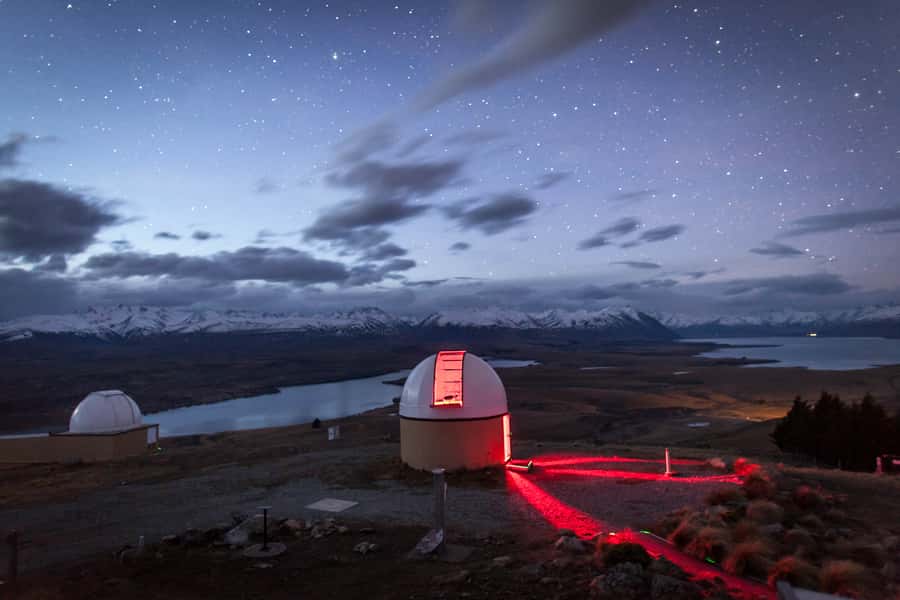
Lake Tekapo is famous for dark skies for a reason, but Mount John takes it a step higher—literally. You’re at the summit of Mount John, 1,029m above the lake, and you’re working under one of the world’s best-designated dark-sky areas: the Gold Standard International Dark Sky Reserve. That matters because you’re not just looking at stars; you’re looking at a sky that’s dark enough to show structure—like the Milky Way’s shape—when conditions are right.
I also like that the experience is staged around learning. Instead of handing you a map and hoping you figure it out, the guides help you find the key landmarks in the Southern sky, then you build from there. In past nights, people have even walked away naming big wins like the southern celestial pole and bright showpieces such as Jupiter and Alpha Centauri—proof you can go from “I know a few constellations” to “I can actually locate objects tonight.”
The other big reason this works: you’re surrounded by an active astronomy environment. The stargazing happens around a University of Canterbury research centre, so the night has a more grounded, science-forward vibe than a casual “star tour.”
Check-In, Warm-Up, and Getting Up to the Summit
Your night starts at the Dark Sky Project base at the Lake Tekapo lakefront. You’ll want to arrive early—check in at least 20 minutes before departure—because you’ll be getting sorted before the drive up. There’s no hotel pickup included, so plan on reaching the base under your own steam.
Then you’re transported to the Mount John summit. This matters more than it sounds. At night, on a mountaintop, the logistics can either drain your energy or protect it. Here, you don’t waste time trying to manage cold, darkness, and parking on your own. You also show up already partway “in the mood,” which helps because the sky is the main event—and it’s easier to enjoy once you’re not scrambling.
On arrival, the tone is friendly and structured. One participant noted a hot chocolate at the start of their evening, which fits the overall feel: keep you comfortable enough to stay focused.
What Happens During the 105 Minutes of Stargazing
This is a 1 hour 45 minute stargazing experience at the summit. The flow is clear: you start with learning how to look, then you move into telescope viewing, and you keep progressing as the sky changes.
1) Naked-eye Southern sky spotting with lasers
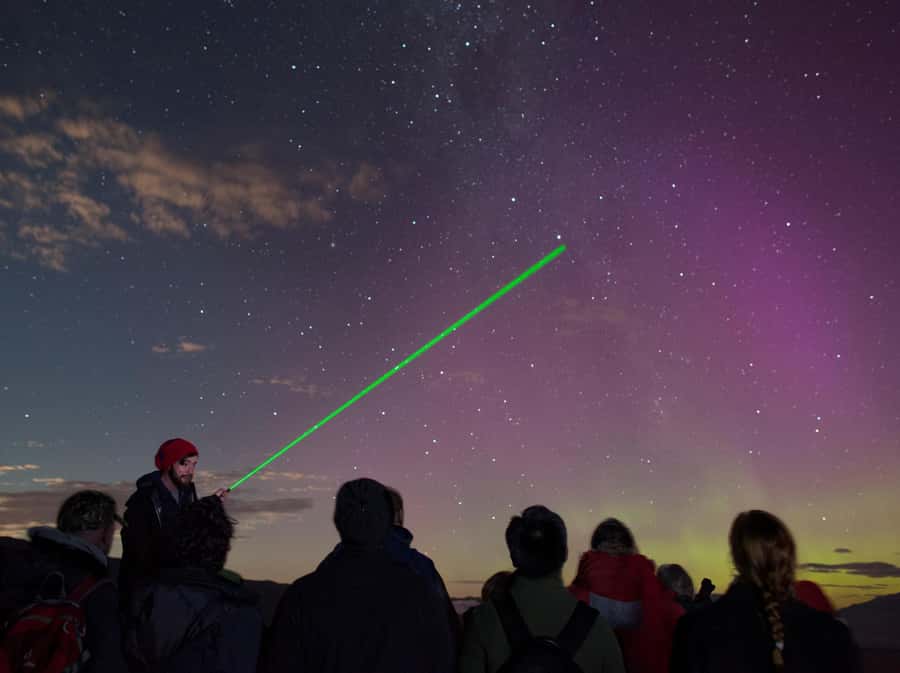
First comes the guide-led tour of the Southern skies. Guides point out celestial targets using handheld lasers. The advantage here is speed. In a dark place, finding your bearings can take a while. Lasers help you learn the sky’s layout fast—so by the time you’re ready for telescopes, you’re not totally lost.
You’re also building a skill, not just watching. With guidance, you start connecting what you see with where it is. If you’re the type who always wants to know what you’re looking at, this part is the best “payoff” section.
2) Telescope viewing for the details your eyes can’t catch
Next, you shift to high-powered telescopes. The guides help you look at objects you’d never resolve by naked-eye stargazing alone. In at least one documented night, someone even caught Mercury through the telescope—one of those moments that makes the whole tour feel like more than just pretty lights.
Important reality check: telescopes are powerful, but they’re not magic. If your expectation is that everything will look huge and dramatic, you might be surprised—one participant felt the telescope view was only slightly bigger than what they could see without it. That mismatch may depend on the specific objects available on the night and sky conditions. Still, the learning and the ability to confirm targets is what makes the telescope time valuable.
3) The “research centre” atmosphere you stand inside
A nice detail: you’re not just viewing the sky in isolation. You’re stargazing around a University of Canterbury research centre. That gives the night structure, and it tends to come with a more intentional approach from guides—less performance, more explanation.
4) Night vision rules that keep everyone’s experience better
Flash photography isn’t allowed. It’s a small rule, but it makes a big difference. Flashes wreck night vision, and they pull attention away from the sky. You’ll get a calmer, more respectful stargazing environment because of it.
Guides, Language, and the Moment You Actually Learn the Sky
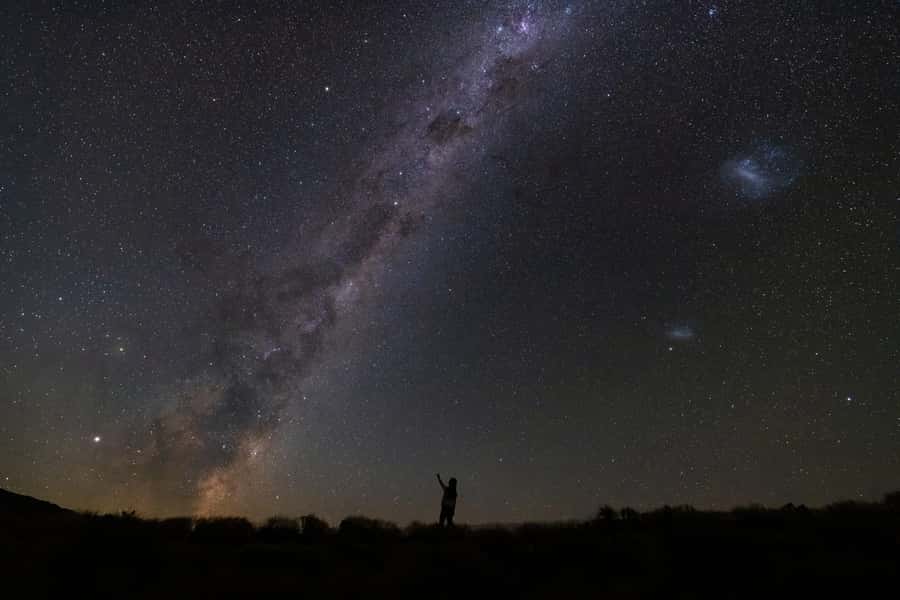
You’ll have a live guide on this tour. The available languages are Japanese, English, and Chinese. There’s also a key safety rule: you’re required to speak the language of the tour for Health & Safety purposes, so if you can’t communicate in the chosen language, you won’t be allowed to join.
From a practical point of view, that’s good news: it means you’re not stuck guessing what the guide is pointing at while standing in the dark. You’ll hear explanations clearly enough to follow along, and you’ll be able to ask questions during the experience.
One guide name that shows up clearly is Oscar. On a clear-sky night, Oscar was praised for enthusiasm and deep knowledge of the Southern skies. Even if you don’t get Oscar, the consistent theme is the same: guides are there to help you connect with what’s overhead.
Cold Weather, Jackets, and What You Should Wear
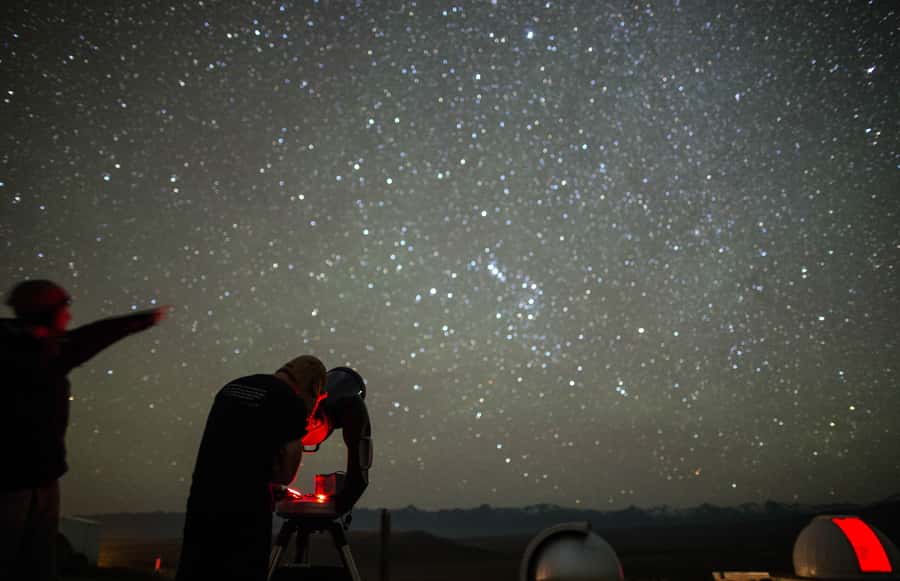
Mount John is a mountaintop experience, and cold can hit hard even when the lakefront feels fine. Dress warmly year-round.
The tour includes extreme cold weather jackets when you check in. That’s a big deal for value and comfort. It means you’re not forced to buy special gear just to enjoy one night outdoors.
Still, jackets alone don’t solve everything. You’ll want weather-appropriate clothing, plus layers you can manage easily. The tour also notes you should be confident walking about 100 meters on a gravel incline and able to climb a couple of steps in the dark. That’s not a long hike, but it is real footing, in real darkness.
One more practical tip: if you’re someone who runs cold, plan as if you will. Even with jackets, the night air can feel sharper once you stop moving.
How Weather and Moon Phase Change What You See
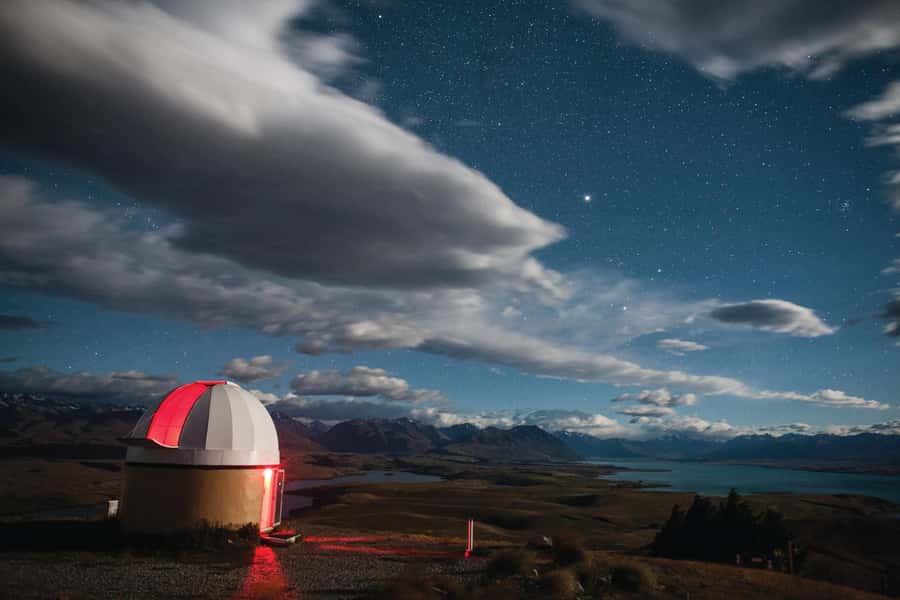
This is the part you can’t fully control, so you should understand it early. The tour is weather dependent. If conditions are bad, the tour can be cancelled and you’ll be offered an indoor alternate or a full refund.
What about the “best night” scenario? A strong clue is how people talk about moon conditions. One participant specifically noted that timing around the new moon helps, because moonlight can make it too bright to see the Milky Way as clearly. They still saw stars through telescopes, but the Milky Way visibility was limited by brightness.
So here’s how you should think about it when booking:
- If you have flexibility, pick a date with a higher chance of clear skies.
- If you’re aiming for Milky Way detail, consider moon timing, especially if your itinerary allows you to shift.
And if your night ends up cloudy? Don’t assume it’s wasted. The guides still provide a structured astronomy experience, and indoor alternatives are offered when weather shuts down the summit component.
Price and Value: Is $130 Worth It?
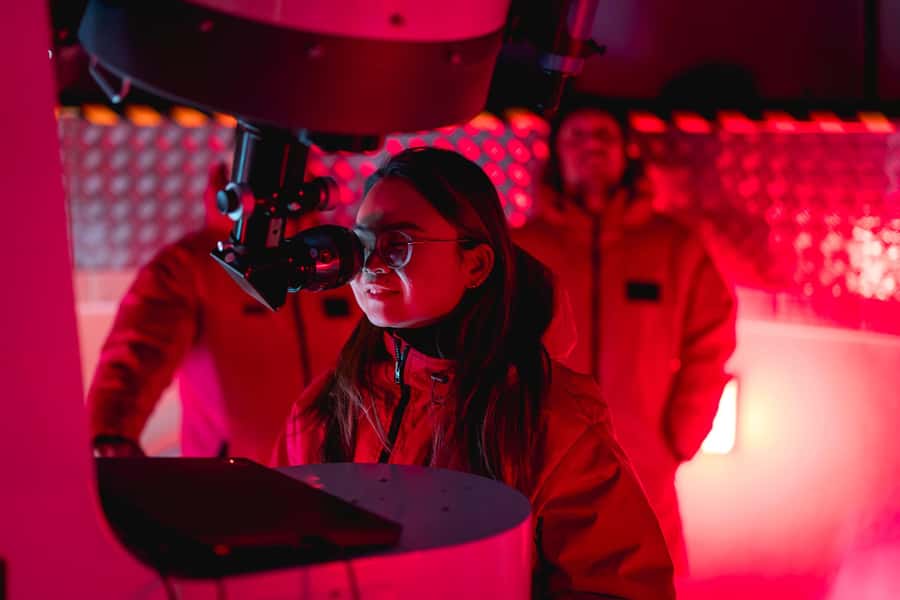
The price is listed at $130 per person, and the experience lasts 105 minutes. That’s not a bargain-basement activity, but it isn’t overpriced for what you’re getting either—because astronomy tours are expensive when they include trained guides, telescopes, cold-weather gear, and transport to a mountaintop.
Here’s the value equation I’d use:
- You’re paying for access (exclusive summit access)
- You’re paying for instruction (laser pointing + guided sky learning)
- You’re paying for equipment (high-powered telescopes)
- You’re paying for comfort (extreme cold weather jackets)
- You’re paying for night-safe logistics (return transport from the Dark Sky Project base)
That’s also why one review that criticized value at NZD209 might make sense to some people: if you expected a telescope show with planets as the guaranteed headliner, you could feel let down. But if you go in wanting to learn the Southern sky and have a guided path through the night, the cost starts to look more reasonable.
Also, the experience is family-friendly with an age restriction of 10 and over. So if you’re traveling as a group, it can feel more cost-effective because multiple people benefit from the same guide-led learning and included warmth.
Who This Tour Is Best For (and Who Should Skip It)
This is ideal if you:
- Want more than pretty stargazing and you actually want to learn the sky
- Enjoy astronomy explanations and don’t mind cold for a great payoff
- Prefer guided night experiences over figuring everything out yourself
- Travel with kids aged 10+ (it’s family-friendly)
It’s less ideal if you:
- Need mobility-friendly terrain. The tour isn’t suitable for people with mobility impairments, and it requires walking on gravel incline and climbing steps in the dark.
- Expect a always-the-same “planet parade.” Object visibility depends on what’s up and how clear the sky is that night.
Should You Book Mount John Stargazing at Dark Sky Project?
I think you should book this if you want a true Southern Hemisphere stargazing experience with real structure. The combination of laser guidance, expert astronomy-style explanation, and telescope viewing—plus included extreme cold jackets and return transport—makes it a strong “one-night highlight” in the Lake Tekapo area.
Before you hit confirm, do two quick checks:
1) Are you comfortable dressing for serious cold and moving carefully in the dark (steps included)?
2) Do you have at least a bit of flexibility for weather, or are you okay with the possibility of an alternate plan if conditions aren’t good?
If both answers are yes, Mount John is one of the better ways to spend a night in New Zealand’s South Island. You’ll leave knowing where to look next time you step outside—and that’s the best kind of souvenir.
FAQ
How long is the Mount John stargazing experience?
It lasts 105 minutes (about 1 hour 45 minutes).
Where do I meet for the tour?
Check in at least 20 minutes before departure at the local supplier’s Dark Sky Project base on the Lake Tekapo lakefront.
Is food included?
No. Food and drinks are not included.
Are warm jackets provided?
Yes. Extreme cold weather jackets are provided.
Do I need to speak a specific language?
Yes. You must speak the language of the tour (Japanese, English, or Chinese) for Health & Safety purposes.
Is the tour suitable for children?
It’s family-friendly, with an age restriction of 10 years and over.
What should I bring or wear?
Bring weather-appropriate clothing. Warm clothing is recommended year-round.
Is flash photography allowed?
No. Flash photography is not allowed.
What if the weather is bad?
The tour is weather dependent. If it’s cancelled due to bad weather, an indoor alternate will be offered or a full refund provided.
Is pickup from my hotel included?
No. Hotel pickup and drop-off are not included.