REVIEW · ZERMATT
Guided Hiking Half Day in Zermatt
Book on Viator →Operated by PDS Snowsport · Bookable on Viator
Zermatt turns every step into a photo plan. This half-day hike is interesting because a guide steers you toward the best Matterhorn viewpoints instead of hoping you find them on your own. I like that the experience is structured around classic photo moments, with short stops that make it easier to take real pictures instead of just sightseeing fast.
I also like the way the day shifts elevation and mood. You get the high, wide Gornergrat panorama, then later the quieter Still-life feel at Stellisee, where the Matterhorn can show up as a reflection when conditions are calm. One thing to keep in mind: lift passes aren’t included, so your total cost may go up depending on the mountain transport needed.
In This Review
- Key Highlights You’ll Care About
- A Guided Half Day That Actually Hits the Photos
- Matterhorn Stop: Getting the Shot, Not Just the View
- Gornergrat: High-Air Views and Glacier Scale
- Gorner Gorge: Where the Walk Gets More Dramatic
- Stellisee: The Reflection Moment (When Calm Shows Up)
- How the Guide Affects Your Day (Pace, Stops, and Confidence)
- Price and Value: What $422.87 Really Buys
- Timing, Pickup, and Moving Through Zermatt Without Headaches
- What to Bring for a Comfortable Alpine Walk
- Who This Hike Suits Best
- Should You Book This Guided Hiking Half Day?
- FAQ
- How long is the Guided Hiking Half Day in Zermatt?
- What does the tour cost and how many people are in a group?
- Is pickup available for this tour?
- What language is the guide?
- What stops are included during the hike?
- Do I need lift passes?
- What happens if the weather is poor?
Key Highlights You’ll Care About
- Matterhorn photo framing at vantage points picked by your guide
- Gornergrat high viewpoint with snow peaks and the Gorner Glacier in view
- Gorner Gorge to Stellisee contrast: dramatic walking sections, then still water views
- Private group size (up to 6) means less waiting and more control over your pace
- Guide flexibility and stop-by-the-way support, including the kind of extra pause some guides will suggest
- Bring-for-real hiking gear: comfortable shoes and water matter on a 3-hour alpine outing
A Guided Half Day That Actually Hits the Photos
This is the kind of tour that fits people who want the Zermatt hits without turning your morning into a logistics puzzle. You start at 9:00 am, and the total time is about 3 hours, which keeps the day from feeling like a full-workout expedition.
The format also helps you travel smarter with less stress. Since it’s a private tour/activity for just your group (up to 6 people), you’re not stuck with a slow-by-committee pace or waiting for a large crowd at viewpoints.
And because it’s offered in English with pickup available, you can focus on the outdoors instead of the timetable. The tour also uses a mobile ticket, so you’re not hunting for paperwork at the meeting point.
You can also read our reviews of more tours and experiences in Zermatt.
Matterhorn Stop: Getting the Shot, Not Just the View
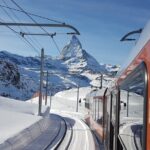
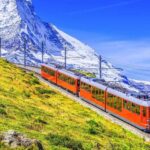
The Matterhorn is the star, and this stop is built for framing it cleanly. A big problem in Zermatt is that the peak looks stunning from lots of places, but the best angles are more specific than you’d think. Here, your guide leads you to vantage points meant for that postcard look—so you’re not just standing around hoping the angle is right.
I especially like that this is not treated as a quick drive-by. The guide work matters because timing and positioning can change your results fast. If you bring a camera, you’ll have a better shot at getting something you’ll actually want to keep—sharp peak lines, clear foreground, and fewer “everything is too far away” problems.
One practical tip: Zermatt weather can change quickly, and the Matterhorn can look different within an hour. Use the guide stop to experiment with angles—nearby viewpoints can give you very different compositions without losing time.
Gornergrat: High-Air Views and Glacier Scale
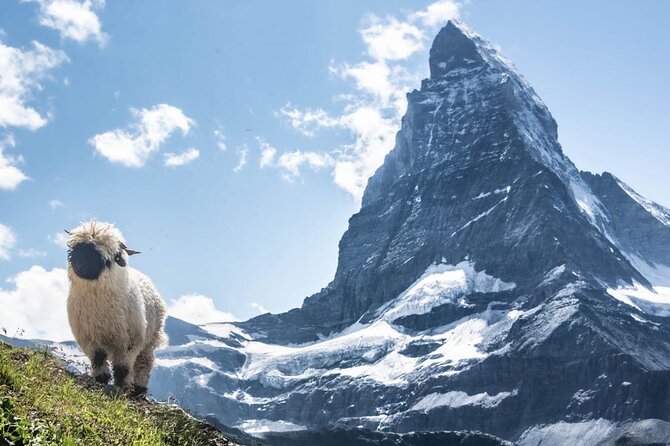
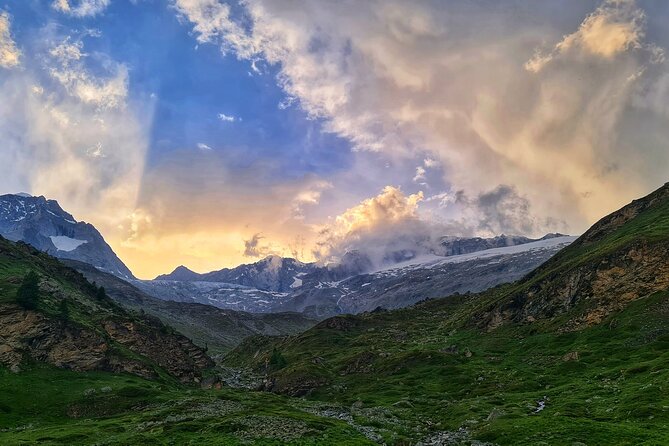
Next comes Gornergrat, where you trade village textures for wide open alpine drama. This stop is all about perspective: snow-capped peaks spread out in front of you, and you get a direct view of the Gorner Glacier from higher up.
What I like here is that it balances the Matterhorn moment with a “whole-region” view. The peak is still the headline, but Gornergrat helps you understand Zermatt as more than one mountain—it’s a system of peaks, ridgelines, and glacier terrain.
Because lift passes aren’t included, plan for the fact that reaching and moving around higher elevations may cost extra on your side. That’s not a flaw in the tour; it’s just the reality of alpine transportation. If you’re budgeting, treat lift passes as part of the price of the views.
Gorner Gorge: Where the Walk Gets More Dramatic
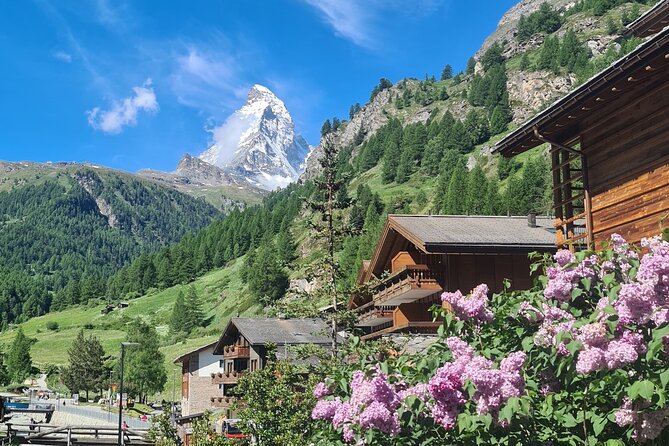
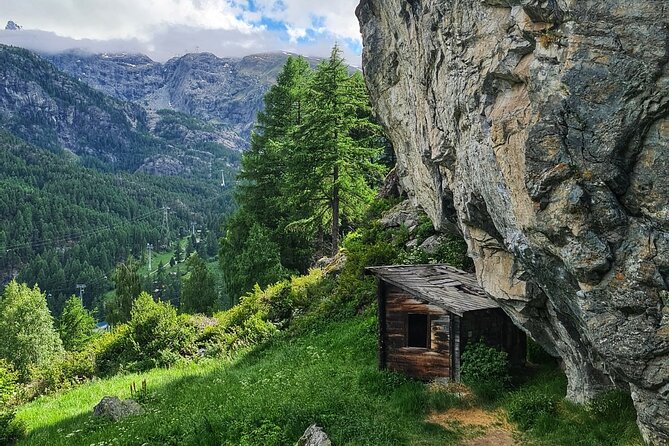
After the panoramic altitude stop, you shift into a different kind of scenery at Gorner Gorge. This is a change of rhythm: less “look up at the big picture,” more “pay attention to your steps and the surroundings.”
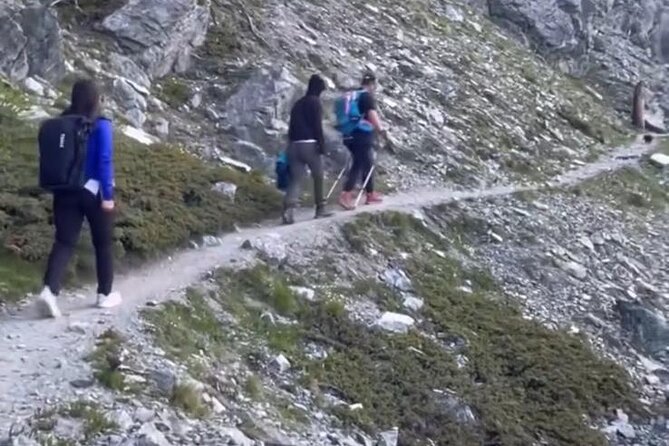
Even when you’re not a hardcore hiker, gorge areas usually reward good footwear. Expect uneven ground and occasional stretches where you’ll want sure footing, especially if conditions are damp. This is the part where a slow, careful pace beats rushing—plus it gives you a chance to check your footing before you start focusing on photos again.
I also like the contrast factor. A gorge section helps break the day up so it doesn’t feel like all viewpoint stops back-to-back. It’s a natural way to keep attention up and energy steady for the final photo moment.
Stellisee: The Reflection Moment (When Calm Shows Up)
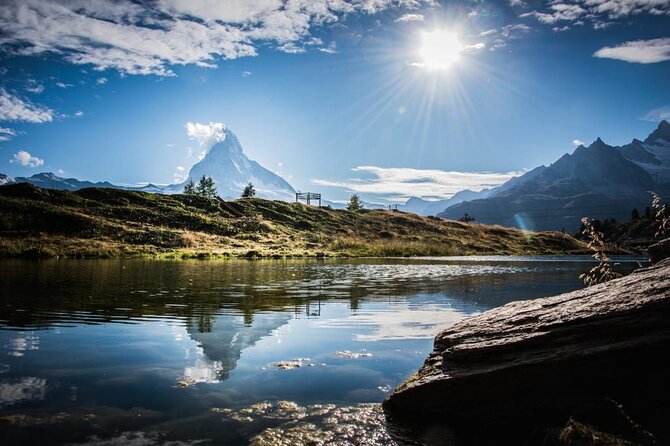
Finally, you reach Stellisee, a crystal-clear mountain lake known for reflecting the Matterhorn on calm days. This is where the tour feels almost like a photography assignment—quiet, patient, and focused on light and stillness.
Here’s the key practical reality: reflections aren’t guaranteed, because water conditions vary. But the value of going with a guide is that they’ll lead you to the right place for the best odds. If the air and water are cooperative, you can get that mirror effect that looks unreal.
If you’re using a phone, keep expectations realistic: reflections show up best when the camera stabilizes and you avoid wind-driven shaking. A simple stance—stand still, brace elbows, tap to focus—goes a long way.
How the Guide Affects Your Day (Pace, Stops, and Confidence)
One of the best things about a guided outing in Zermatt is confidence. You don’t need to guess what matters at each turn. In prior hikes with guides like Matthew, the pace was described as comfortable, not rushed—plus there’s a real sense of listening to what the group wants.
Matthew, for example, was willing to adjust the day with an impromptu lunch stop at Zum See along the way down. That detail may not be part of every schedule, but it tells you something important: the guide’s style isn’t rigid. If you need a brief reset—snack, photos, a short pause—your guide is likely to manage it in a way that keeps the hike enjoyable.
Other guide styles in the same provider network also point toward adaptation. For instance, Simon and Carey have been credited with choosing routes based on hiking experience, which matters because not everyone walks the same way. You’ll get a day that feels more personal than a checklist tour.
Price and Value: What $422.87 Really Buys
The price is $422.87 per group (up to 6) for about 3 hours. When a tour is priced per group instead of per person, value depends on how you split it. With a full group, the per-person cost can be much easier to swallow than most “expert guide” outings.
What’s included is also part of the deal: all fees and taxes are included. That’s helpful because it reduces the number of surprises you’ll run into during the hike.
The big add-on is right in the open: lift passes aren’t included, and there’s no lunch or snacks included either. For many hikers, lift passes are the main extra expense because higher viewpoints often require paid mountain transport.
So how do you decide if it’s worth it? I think it’s a solid buy if you care about:
- getting the right viewpoints without wasting time
- having a guide handle the “where to stand” photo problem
- staying in a tight half-day time window instead of spending the morning figuring out routes
If you’re traveling with a large group and you’re confident navigating on your own, you might be able to DIY it. But if you want your morning to feel efficient and photo-focused, the group-rate guide model can be a good match.
Timing, Pickup, and Moving Through Zermatt Without Headaches
You start at 9:00 am, and pickup is offered. The tour notes that they try to arrive in time to leave 15 minutes before the activity start when possible, so keep an eye on messages the day of your hike.
This matters because Zermatt can feel compact on a map, but it’s still easy to waste time if you show up late. The tour’s timing structure helps you avoid the common mistake of spending your best light window walking in place or trying to locate the right start point.
It’s also helpful that the meeting area is described as being near public transportation. If pickup timing doesn’t work for you, that flexibility can save your day.
What to Bring for a Comfortable Alpine Walk
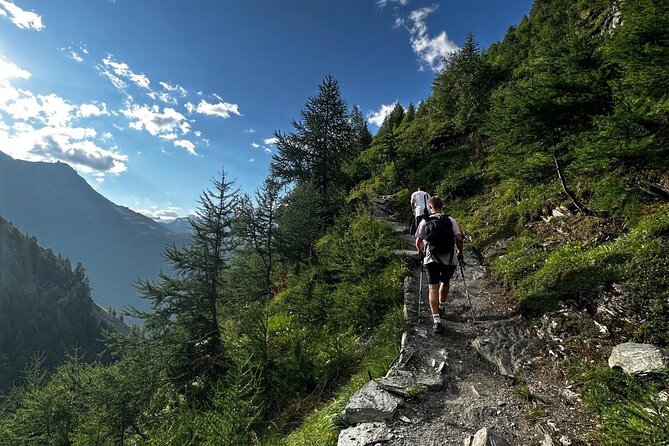
You’ll be on your feet for a half day, and Zermatt altitude and weather can make conditions feel sharper than you expect. I’d plan for cool air, possible wind, and ground that can be uneven even when the route looks straightforward.
From guide-led hiking experiences, a few practical basics come up again and again:
- Wear comfortable shoes with grip
- Bring water and a few drinks
- Consider hiking poles if you have them (helpful for balance on uneven sections)
Also, pack a layer you can live with. Even in good weather, alpine mornings can feel colder than you’d guess, and you’ll be grateful you can adjust without having to stop and rummage.
For photography, bring your usual camera gear, but don’t ignore battery life. Cold air can drain phones faster than you think, and the best reflections or crisp views can happen before you notice you’re running low.
Who This Hike Suits Best
This tour fits best if you want a guided Zermatt morning that covers the signature “wow” stops without turning into a full-day trek.
It also suits you if:
- you want English guidance and clear photo help
- you’re traveling with friends or family and prefer a private group up to 6
- you enjoy short walks with frequent view breaks
- you’d rather have a guide manage the flow than you do
Most people can participate, but it’s still a hiking outing. If you’re sensitive to cold weather or walking on irregular ground, choose your footwear and pace carefully and plan to take the slow parts seriously.
Should You Book This Guided Hiking Half Day?
Yes, I’d book it if you want a high-value Zermatt morning that’s built around Matterhorn viewpoints, a Gornergrat panorama, and the classic “reflection shot” goal at Stellisee. The private group size, the photo-forward planning, and the guide’s ability to keep the hike comfortable are the strongest reasons to go.
I’d think twice if you’re trying to keep costs tightly controlled, because lift passes and any on-the-way meals can add up. Also, like most alpine plans, it depends on good weather—if conditions are poor, you may need an alternate date.
If you’re the type who wants photos that look like postcards but you also want a real hike and not just a bus tour, this one is a good fit.
FAQ
How long is the Guided Hiking Half Day in Zermatt?
It’s about 3 hours (approx.).
What does the tour cost and how many people are in a group?
It costs $422.87 per group for up to 6 people.
Is pickup available for this tour?
Pickup is offered, and the tour notes they try to arrive early enough to leave about 15 minutes before the start time when possible.
What language is the guide?
The tour is offered in English.
What stops are included during the hike?
The tour includes stops at the Matterhorn, Gornergrat, Gorner Gorge, and Stellisee.
Do I need lift passes?
Lift passes are not included, so you should plan to purchase them separately if they’re needed for the mountain transport on your route.
What happens if the weather is poor?
This experience requires good weather. If it’s canceled due to poor weather, you’ll be offered a different date or a full refund.