REVIEW · ANCHORAGE
From Anchorage: Valley and Forest Hike with Naturalist Guide
Book on GetYourGuide →Operated by Go Hike Alaska · Bookable on GetYourGuide
Salmon streams and a world-class waterfall in one outing. This Eagle River hike pairs boreal forest trails with glaciated-valley views, plus the payoff of Barbara Falls. You’ll walk with a naturalist guide who knows how to read the land for wildlife and seasonal Alaska details.
Two things I really like: the way the guide connects what you see (animals, plants, even berries) to how the Chugach works, and the small-group pace that keeps you moving without feeling rushed. With guides like Michael and Abe leading groups I’ve heard about, the focus stays on safety first and enjoyment right behind it.
One consideration: this isn’t a casual stroll. You should be able to walk about 5 miles of uneven, rolling terrain (or 6 miles on flatter ground) over roughly 4 hours, and some sections are steep, hilly, and slippery.
In This Review
- Key highlights at a glance
- Getting to the trail: Anchorage pickup and the start feel
- The hike route: Eagle River valley and forest in Chugach State Park
- Walking style and what it means for your comfort
- Wildlife and salmon country: what you might spot (and how to spot it)
- Barbara Falls: the short walk that closes the loop
- Plant talk (and why it makes the hike feel longer)
- Safety on the trail: the practical reason guides matter
- What’s included (and what’s optional) for real comfort
- Price and value: is $179 a fair deal?
- What to bring (so the hike feels easy, not annoying)
- Who should book this hike?
- Should you book this Valley and Forest hike from Anchorage?
- FAQ
- How long is the hike?
- Where is the meeting point?
- Is transportation included?
- Do I need prior hiking experience?
- What should I bring, and what’s not allowed?
- Is this tour wheelchair accessible?
Key highlights at a glance
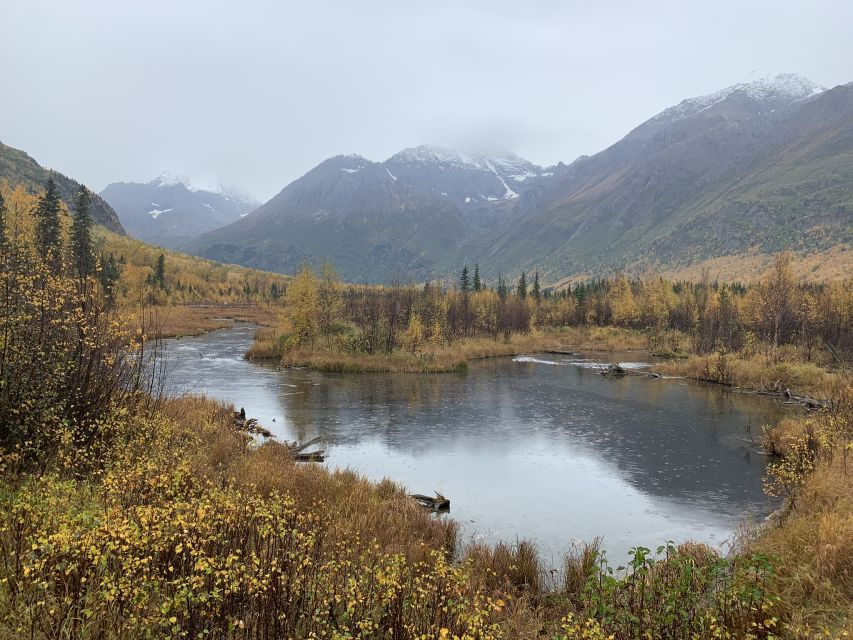
- Eagle River Nature Center trails through boreal forest and salmon spawning streams
- Historic Iditarod dog sledding trail segment that’s now for feet, not dogs
- Wildlife spotting you can actually understand, from moose and bears to birds and small mammals
- Geothermal trivia in the field, including a possible American dipper sighting
- Barbara Falls photo stop with a short half-mile walk and easy-to-follow viewpoints
- Small groups (up to 12) plus guide-led safety and pacing
Getting to the trail: Anchorage pickup and the start feel
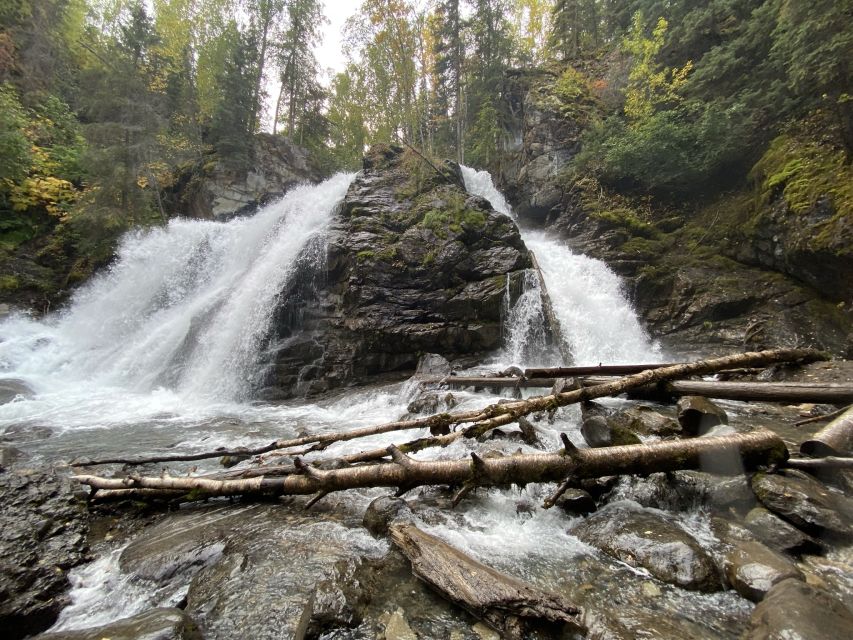
This tour is built for people staying in downtown Anchorage. You get transportation from downtown Anchorage, and the meeting point is in front of the Egan Center, with parking garages nearby if you’re driving.
That matters because you can spend your energy on the hike instead of spending it figuring out where a trailhead is, whether the parking is full, and how long it’ll take to get everyone lined up. Once you’re moving, the day keeps a smooth rhythm: walk, look, learn, and then a short ride to the waterfall.
You can also read our reviews of more tours and experiences in Anchorage.
The hike route: Eagle River valley and forest in Chugach State Park
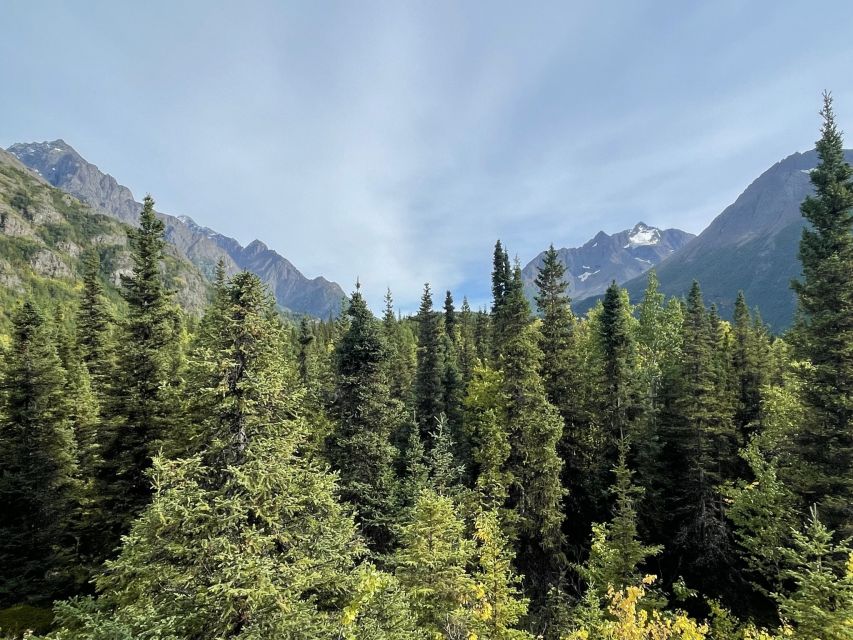
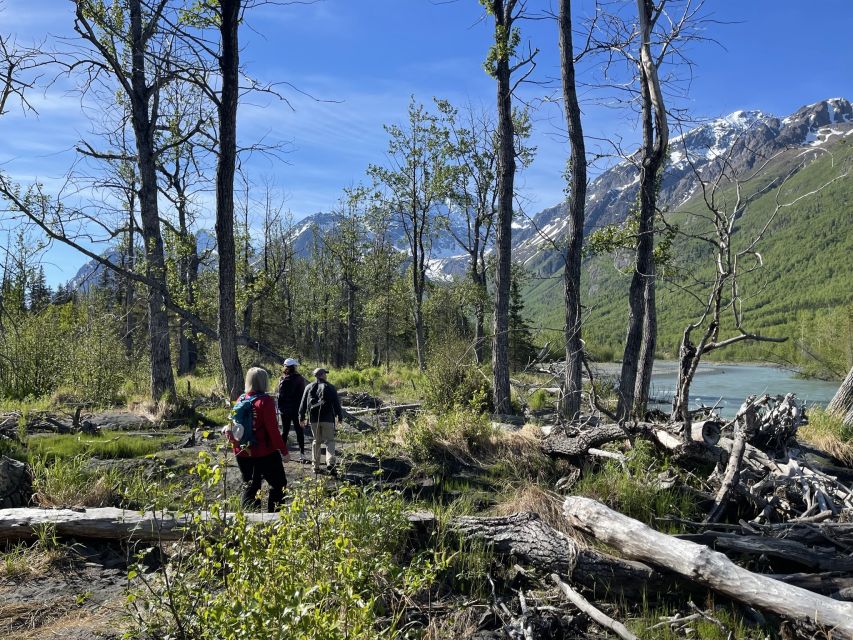
The main part of the trip takes you into one of Chugach State Park’s glaciated valleys, along the Eagle River system. You’ll spend time around the Eagle River Nature Center area on the north fork side, where forests and water work together in a way you can feel right away.
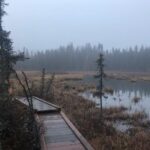
Expect boreal forest walking with stretches that can be uneven, plus salmon-country terrain—streams where fish come in season to spawn. Even when wildlife is shy, this kind of environment still pays off because you’re not just staring at trees; you’re walking through an ecosystem where food, shelter, and movement all connect.
A small but meaningful detail: the hike includes part of an old Iditarod dog sledding trail route that’s no longer used for dogs. You’re essentially traveling a piece of Alaskan history on foot, but without the noise and chaos that comes with a living sled route—just you, the terrain, and the chance to notice how the trail stays passable through heavy Alaskan weather.
Walking style and what it means for your comfort
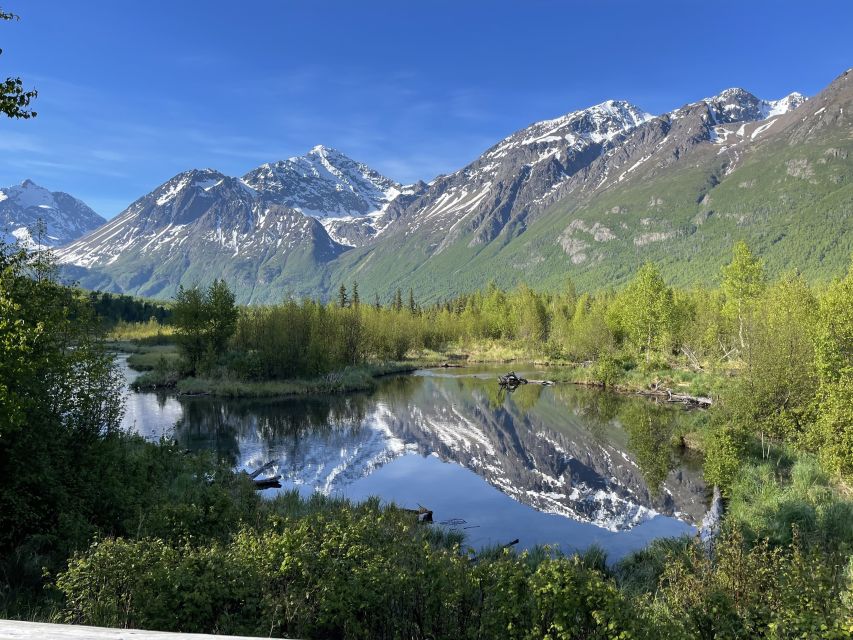
This tour is designed for active walkers. You’ll be covering the equivalent of about 5 miles of uneven, rolling terrain over roughly 4 hours (or 6 miles on flatter pavement, depending on your exact route conditions), and you’ll be on trails that are steep, hilly, and sometimes slippery.
Microspikes are mentioned in the “know before you go” guidance, which is a good clue: you should feel comfortable walking on traction-challenged surfaces. If you tend to slip on damp rock, icy roots, or muddy paths, plan on taking it slow and leaning into the guide’s pace. That’s where the small-group size helps—you get room to move safely rather than feeling squeezed.
If you have back problems, mobility limits, heart or respiratory issues, or you’re using a wheelchair, this one may not be a fit. The tour itself is built around steady hiking effort over uneven terrain.
Wildlife and salmon country: what you might spot (and how to spot it)
The best part of a naturalist-guided walk is not just that wildlife is possible—it’s that you learn how to look without rushing. This route has a real chance of sightings, including salmon, bears, moose, birds, and other animals.
Here’s what tends to make sightings more likely: the guide is watching the same trail you’re watching, but with extra context. For example, you may hear about an American dipper—a bird that can swim in fast-moving water. The tour info also points to a tributary warmed by geothermal heat, so when you spot moving water near calmer pockets, it helps to know that some wildlife uses those temperature differences.
You might also see animals the way Alaska likes to show them: briefly, at a distance, and then gone. One caution that rings true from safety-focused experiences: if a large animal is near, the guide is there to manage distance so you can take photos without turning your camera into a hazard.
Barbara Falls: the short walk that closes the loop
After the forest portion, the day includes a short ride to Barbara Falls in Chugach State Park. The waterfall stop is a half-mile walk—short enough to feel like a reward, not a punishment.
This segment is also set up for easy success. You’ll get plenty of photo opportunities because the walk puts you near the views without requiring a long, exhausting push. And unlike some waterfall hikes where you only appreciate the falls after a big climb, Barbara Falls gives you repeated chances to stop, look, and frame a shot.
Expect to notice living details here, too. The tour notes call out local plants and fungus, which is a great reminder that Alaska’s beauty isn’t only about what moves. Even if wildlife is quiet at the falls, the area still offers textures, color, and patterns worth slowing down for.
You can also read our reviews of more hiking tours in Anchorage
Plant talk (and why it makes the hike feel longer)
A guided hike becomes more satisfying when the guide gives you something to watch for that you’d never notice on your own. In the feedback tied to this experience, guides like Michael and Abe are praised for teaching plants and helping people connect edible berry knowledge and other natural clues to what’s safe and what’s not.
That kind of learning changes your pace. Instead of walking just to reach the next bend, you start anticipating: What grows here? What does it mean for animals? What would I miss if I just rushed through?
One group experience also highlighted the value of patience even when wildlife doesn’t show. The hike can still feel worthwhile because the education and scenery don’t depend on a moose sighting at the perfect moment.
Safety on the trail: the practical reason guides matter
Even in wildlife-heavy areas, your safest moments are usually the ones where the guide is paying attention to what you can’t see yet. One safety story from this experience involved an alert about a bear near the waterfall area after something serious had happened nearby. The key takeaway for you is simple: guides monitor conditions and wildlife presence, and they may adjust plans if safety demands it.
That matters because animal encounters aren’t something you can “solve” with bravery. You don’t need to do anything special—just listen, give space, and follow the lead. The best guide behavior is quiet and steady: spotting first, managing distance, and keeping the day fun without turning it into a risk.
What’s included (and what’s optional) for real comfort
You don’t have to overpack for this one. The tour includes snacks, water, and transportation from downtown Anchorage, plus a guided hike.
You can also request day packs and trekking poles. That’s a big deal on uneven, hilly terrain. Even if you don’t “need” poles, having them available can reduce strain and improve balance on slippery sections—especially if conditions are damp or icy.
Price and value: is $179 a fair deal?
At $179 per person for about 5 hours, you’re paying for three things: time in a high-demand natural area, a naturalist-guided learning experience, and transportation from downtown Anchorage.
If you tried to DIY it, you’d still need a route plan, a way to get to the trail system and then to the waterfall, and the know-how to interpret wildlife and plant life without guessing. That’s exactly what the guide role covers—plus you get a small group capped at 12, which is the difference between a relaxed walk and an overcrowded scramble.
So yes, it’s not a budget hike—but for the combination of access, coaching, and the Eagle River + Barbara Falls pairing, it’s priced like an experience you can’t fully recreate on your own without extra effort.
What to bring (so the hike feels easy, not annoying)
The packing list is straightforward, and it’s tuned to Alaska trail realities. Bring hiking shoes, sunglasses, sun hat, sunscreen, and insect repellent. Wear weather-appropriate clothing, because conditions can change fast on trails.
A camera helps because this route is built for photo moments—valley views, water, and wildlife possibilities. If you’re prone to cold hands, consider extra layers even on bright days, since time outside on trails can still cool you down.
Who should book this hike?
Book this tour if you:
- Want a naturalist-led hike with real wildlife and plant learning
- Enjoy moderate hiking on uneven ground and don’t mind changing conditions
- Like the idea of a short waterfall finale at Barbara Falls instead of a long, grueling finish
Think twice (or choose a different option) if you:
- Need wheelchair access or have mobility limits
- Have back issues, heart or respiratory problems
- Don’t feel comfortable walking on slippery terrain and handling steep, hilly sections
Should you book this Valley and Forest hike from Anchorage?
If you’re in Anchorage and want a day that feels both scenic and educational, this is a strong choice. The Eagle River valley setting plus the Barbara Falls payoff gives you a complete story in one outing, and the small-group format keeps the experience manageable.
I’d book it if you can handle about 5 miles of uneven terrain and you want your guide to do the heavy lifting of interpreting what you’re seeing. If you’re seeking an easy, flat nature walk, or you’re not able to hike uneven, slippery ground, skip it and look for something more gentle.
FAQ
How long is the hike?
The hike lasts 5 hours. You can check availability to see the starting times.
Where is the meeting point?
Meet in front of the Egan Center. Parking garages are available in the surrounding area if you’re driving.
Is transportation included?
Yes. The tour includes transportation from downtown Anchorage.
Do I need prior hiking experience?
No experience is required, but you should be able to walk at least 6 miles on flat pavement or 5 miles of uneven rolling terrain over 4 hours. You should also feel comfortable walking in slippery conditions with microspikes assistance.
What should I bring, and what’s not allowed?
Bring sunglasses, a sun hat, camera, hiking shoes, sunscreen, insect repellent, and weather-appropriate clothing. Pets, weapons or sharp objects, and drones are not allowed.
Is this tour wheelchair accessible?
No. It is not suitable for wheelchair users and also isn’t recommended for people with certain mobility, back, heart, or respiratory issues.