REVIEW · FRANZ JOSEF TOWN
Franz Josef: 2.5 Hour Glacier Hike with Helicopter Transfer
Book on GetYourGuide →Operated by Franz Josef Glacier Guides · Bookable on GetYourGuide
Glacier walking from a helicopter beats the usual tour. This one pairs a scenic flight with an on-ice hike where the glacier’s features change day to day.
I really like that you start in Franz Josef Town, get fully kitted out, then follow your guide into native forest before the flight. I also love the close-up ice moments, from crevasses to ice caves, with stories that can include local glaciology and Maori legends.
The main drawback to plan around is that the whole thing depends on weather, so timing can shift or the hike can be shortened if conditions turn.
In This Review
- Key points to know before you go
- Helicopter Hike on Franz Josef: Why This Is Worth the Splurge
- From Glacier Base Building to Helipad: What the Start Feels Like
- The Helicopter Ride: Short Flight, Big Wow Factor
- Landing on Moving Ice: What 2.5 Hours on the Glacier Really Means
- Guides and Storytelling: The Human Factor That Makes It Feel Personal
- Pacing, Waiting, and Group Size: How to Get the Best Shots
- Weather in Franz Josef: The Real Schedule Maker
- Gear Checklist and Packing Rules (So You Don’t Stress Later)
- Who This Glacier Hike Suits Best (And Who Should Skip It)
- Price and Value: What You’re Paying For at $475 per Person
- Should You Book This Heli-Hike on Franz Josef?
- FAQ
- Where do I meet for the Franz Josef heli-hike?
- How long is the helicopter transfer?
- How long is the tour?
- Is food included?
- What gear is provided?
- What should I bring from home?
- Are drones, selfie sticks, or vaping allowed?
- What are the child requirements?
- Who can’t participate?
- What’s the weather policy?
Key points to know before you go
- Exclusive glacier access: this is not just a quick land-and-look stop.
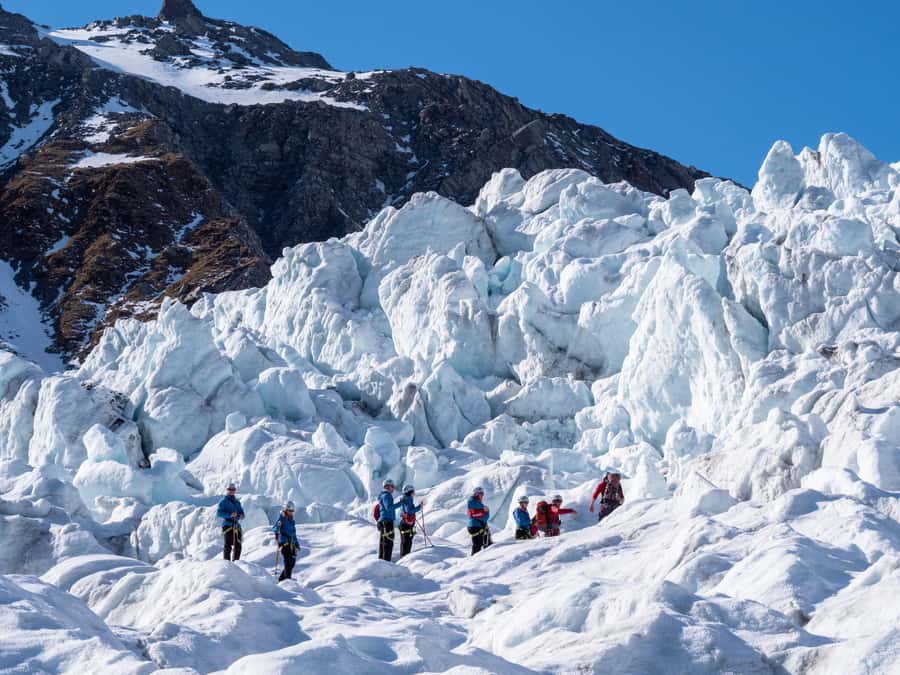
- Real glacier walking: expect uneven footing, rope-assisted sections, and some crawling through ice passages.
- Full gear is included: crampons, boots, jacket, socks, overtrousers, plus gloves/hat if needed.
- Helicopter transfer is short but dramatic: it’s only a few minutes each way, but the views are a highlight.
- Photo timing is on you: don’t wait for a perfect moment later. Take shots whenever you get a safe chance.
Helicopter Hike on Franz Josef: Why This Is Worth the Splurge
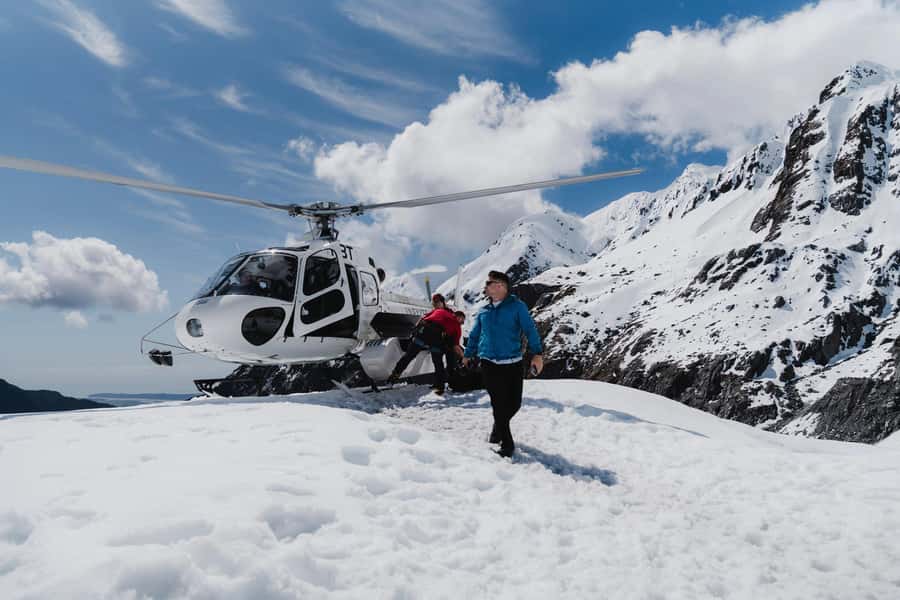
This is the kind of activity where you understand the cost the moment you land on the ice. A standard glacier visit can be more like sightseeing from the edge. Here, you step onto moving glacier terrain with a guide in charge of the route, the pacing, and the safety rope lines.
The second reason it’s worth it: the experience is built around time on the glacier, not just time in the air. You’re out for about 2 hours 30 minutes of guided hiking, and the best part is how “alive” the glacier feels. Ice formations shift, caves change, and even the path can vary as the day’s conditions and glacier movement dictate.
One more good thing for your expectations: guides do more than point and smile. You’ll hear why glaciers behave the way they do, how Franz Josef sits in its wet West Coast environment, and local stories that can include Maori legends tied to this place.
From Glacier Base Building to Helipad: What the Start Feels Like
You meet at the Glacier Base Building on Cron Street in Franz Josef. Plan to arrive 15 minutes early to check in, because once you’re in the system you’ll move quickly through safety briefing, gear fitting, and getting your crampons sorted.
The first real moment is the gear-up. You’ll get overtrousers, a jacket, socks, and sturdy boots, plus crampons and headgear like a hat and gloves if required. If you’ve never worn glacier boots and crampons before, this is a huge value point. They don’t just hand you items and hope for the best—you’ll be set up so you can actually walk safely.
After that, there’s a short walk through native forest to the helipad. It’s not a long hike, but it’s a good breather and a mental warm-up. You get your bearings, you see the terrain around Franz Josef, and you’re reminded you’re in a place that’s part rainforest, part coast, and part big-sky mountain country.
The Helicopter Ride: Short Flight, Big Wow Factor
The helicopter transfer between the valley and the glacier is about 4 minutes each way. That sounds brief, but it’s long enough to give you aerial perspective and to make the glacier arrival feel earned, not accidental.
You’ll fly high above rainforest, coast, and rugged terrain. Even when the day isn’t perfect, the helicopter route is the stage-setter. On clear days, the glacier and surrounding valleys can look like they’ve been carved with a giant chisel.
A small practical note: if you’re the kind of person who hates wasting time, you’ll appreciate that the helicopter doesn’t drag on. It’s quick, efficient, and used to take you exactly where you need to be: on the ice, with exclusive access.
Landing on Moving Ice: What 2.5 Hours on the Glacier Really Means
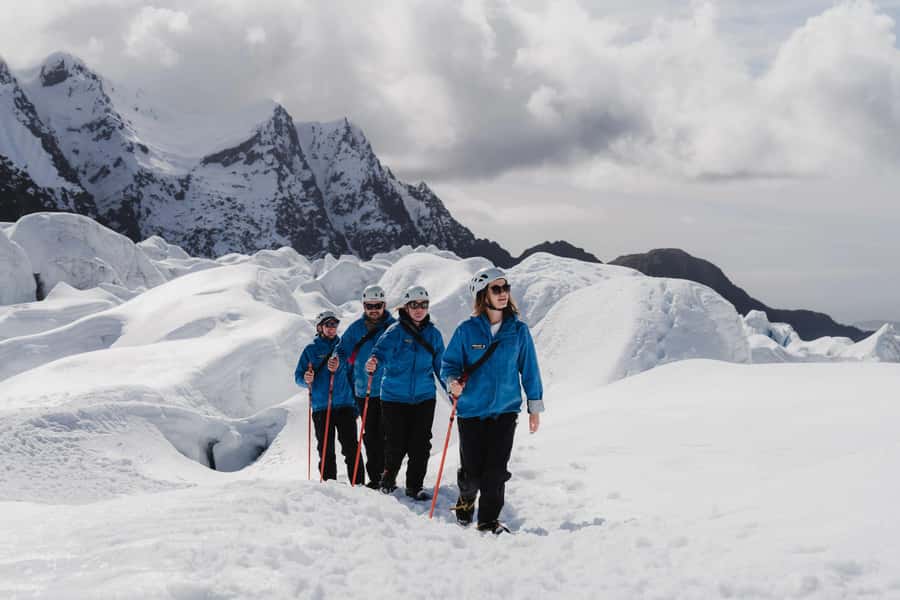
Once you land, the hike starts in a controlled way. You’ll be guided to a safe area to put on your crampons, then you move out with your guide and small group.
This isn’t a flat, stroll-around-glacier situation. Reviews and on-the-ground descriptions line up on one theme: you’ll deal with an up-and-down route, and sometimes you’ll be close enough to ice features that they stop looking like a photo and start looking like a physical world. Expect tight spots where you may have to shuffle forward, and rope-assisted areas where the drop-offs near crevasses are real.
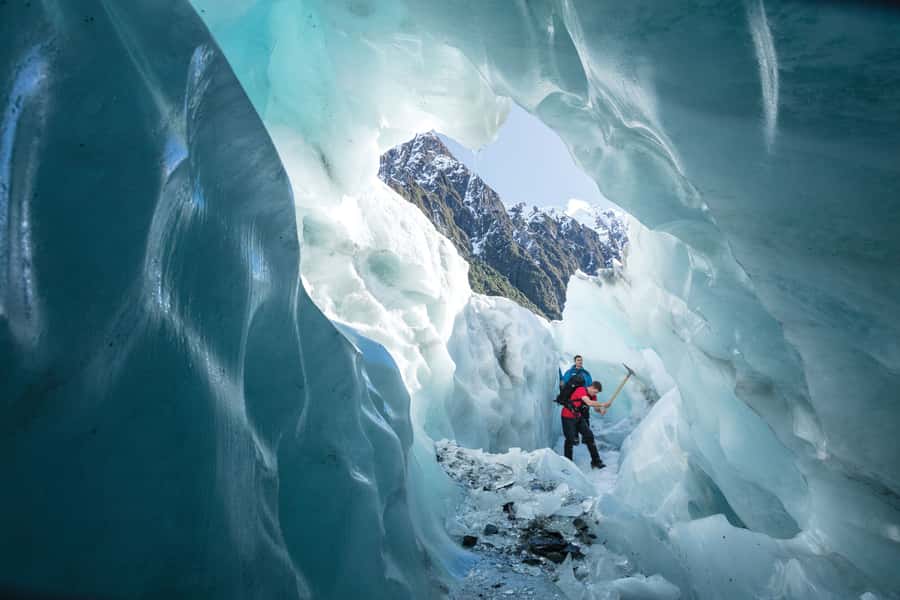
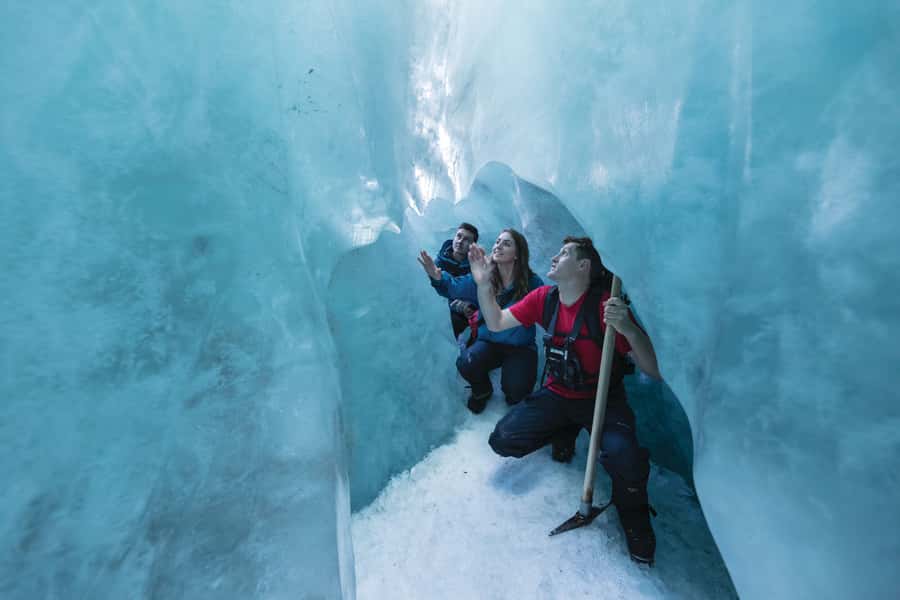
And yes, you may crawl or climb through sections like ice pockets and narrow passages. Some days include the chance to explore ice caves, and the exact shapes change as the glacier evolves. That’s a big deal for your expectations. If you’ve seen old photos online, they might not match what you walk through today—and that’s not a downside. It means you’re not doing a museum route. You’re seeing the glacier at that specific moment.
Why this matters: glacier guides don’t just keep you safe. They help you read what you’re seeing. Your guide can explain how crevasses form, how ice surfaces evolve, and what you’re looking at when you see those jagged ice lines up close.
Guides and Storytelling: The Human Factor That Makes It Feel Personal
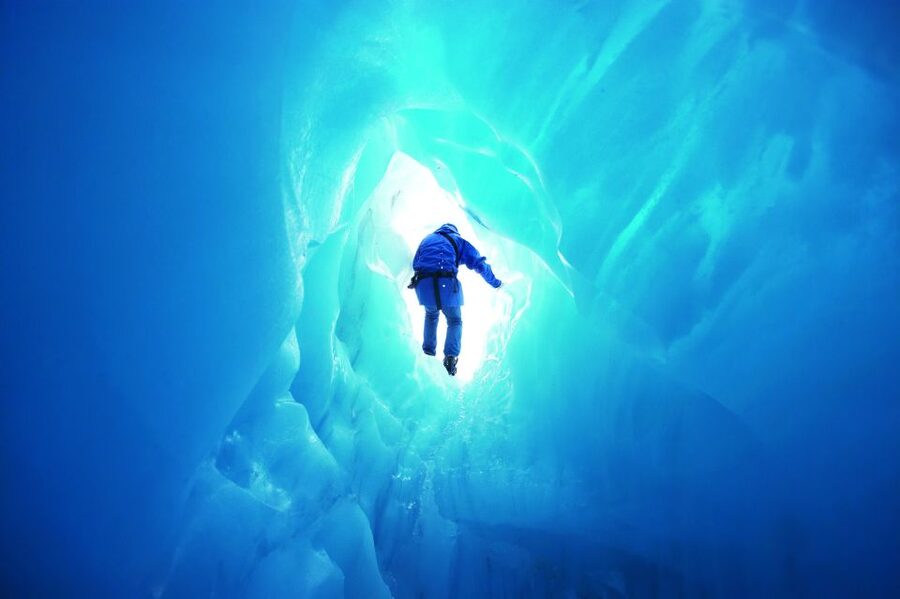
The best part isn’t only the ice. It’s how the day is run and how your guide turns it into something you actually remember.
You might be led by guides such as Kuri, Kirk, Tom, Rosa, Abbey, Ryan, Drew, Ana, Maya, or Sarah. Names change, but the pattern shows up again and again: guides are active, helpful, and ready to answer questions. They’re also the ones shaping your pacing and safety decisions on a terrain that can be variable minute to minute.
Many guides also mix in local context, including glaciology and Maori legends tied to the region. That makes a difference when you’re standing on ice and trying to understand why this place looks the way it does. Without that, you can still be wowed. With it, you get the sense that the glacier is telling you a story—and you’re learning how to listen.
If you’re worried about safety, that’s another theme that comes through strongly. Guides tend to be close by on the route, and they help people through tight sections, especially when you need a steady stance on uneven ice.
Pacing, Waiting, and Group Size: How to Get the Best Shots
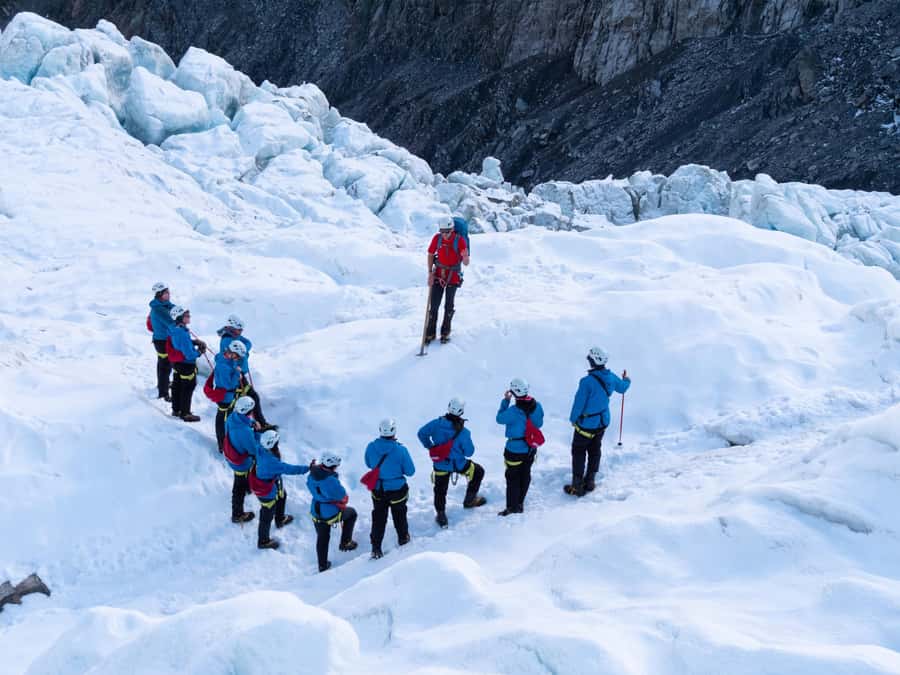
Small group can be great, but it also means the hike rhythm may adjust to the slowest safe pace. One common concern is early standing time when the guide is explaining things or encouraging questions before you’re really moving. If you’re hoping for a constant motion hike, that part can feel a bit stop-start.
You might also experience pauses while the team manages timing, and helicopter logistics can also create waiting. The upside is that those pauses aren’t random—they’re tied to keeping everyone safe, keeping the group together, and making sure the glacier walk stays within the day’s conditions.
Now for the photo advice that actually helps you: take pictures whenever you get a safe chance. A few people wish they had photographed more during the walk because there wasn’t a long dedicated photo break later. If you wait for the end, you can end up with only quick shots.
My practical tip: bring your camera already accessible. Don’t make a fuss with sleeves and pockets mid-step. Glacier walking is easier when you move smoothly and keep your hands ready to balance.
Weather in Franz Josef: The Real Schedule Maker
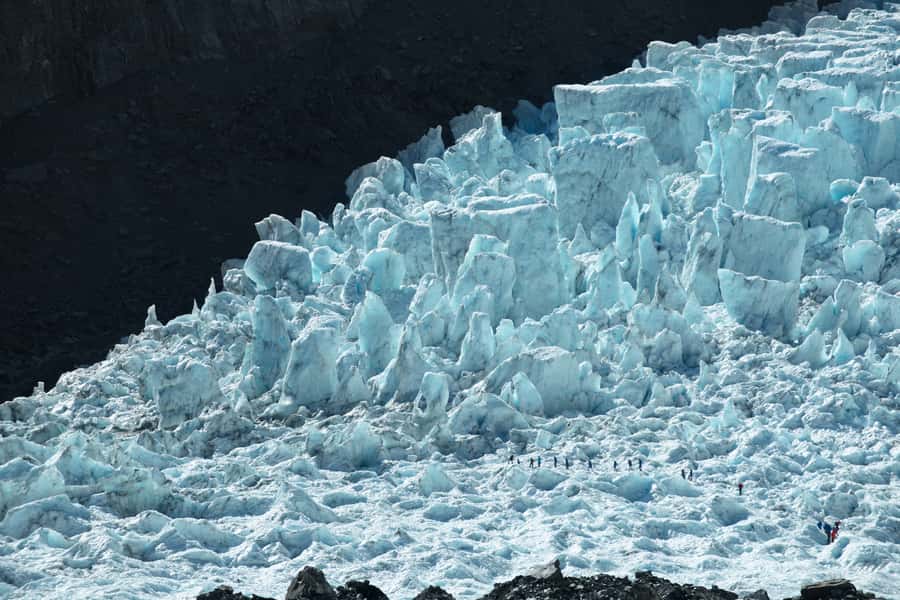
Weather is the deciding factor here, and you feel it from the start. Low cloud can make helicopter flights impossible, and rain or fog can change what’s safe or workable. You may find that your scheduled time is postponed in hopes of a better window, or you may be rescheduled to a later slot.
This is why it helps to plan your Franz Josef stay with flexibility. If you can, build in time across multiple days instead of treating one morning as your only shot. People who had more than one attempt tended to have better odds.
If the helicopter goes, the day can still change. Even when you land and start the hike, weather and conditions can shorten what you do on the ice. That’s not the operator being careless—it’s the reality of managing risk on a glacier.
What to do: book for the first available day you can, then stay calm. If your timing shifts, roll with it. The payoff is worth it when you get that window.
Gear Checklist and Packing Rules (So You Don’t Stress Later)
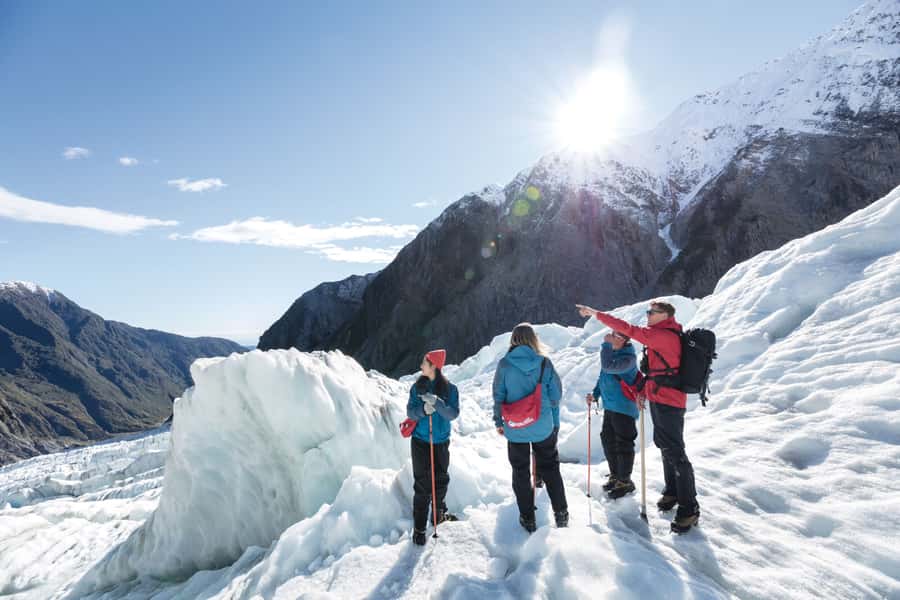
You’ll be provided the heavy glacier gear, but you still need your own comfort layers. Bring warm clothing, long pants, sunglasses, sunscreen, and a reusable water bottle. Even in cool conditions, you’ll want hydration and sun protection.
Also bring a camera if you want the full record. Some of the ice detail is hard to describe later, and photos help you remember what you saw when you’re back on dry land.
Packing rules are simple:
- leave luggage or large bags at the meet point
- drones aren’t allowed
- selfie sticks aren’t allowed
- vaping isn’t allowed
If you’re traveling with a backpack, plan for easy carry on the day. The less you juggle, the smoother your transitions from gear-up to helipad to ice hike.
Who This Glacier Hike Suits Best (And Who Should Skip It)
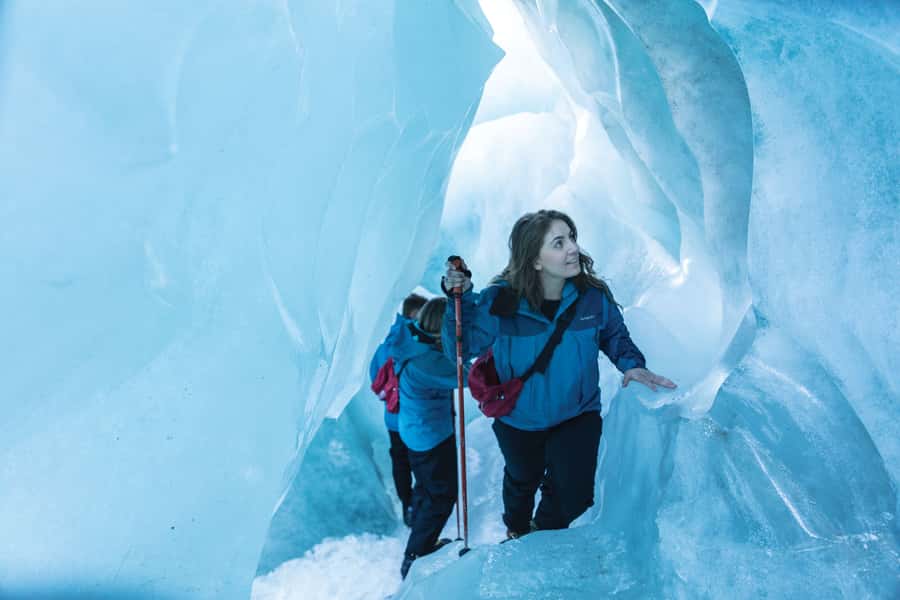
This is for people who want an active glacier encounter, not just a walk with a view.
You should expect a reasonable level of fitness and agility. Terrain can be variable, and you may need to step carefully on uneven ice, shuffle through tight areas, and follow rope lines near crevasses. People in good condition have been out there, including solo travelers, but you’ll still want to be comfortable on your feet.
Not suitable for:
- children under 10 (minimum age requirement)
- pregnant women
- people with back problems
- people over 115 kg (254 lbs)
There are also minimum participation requirements for children: at least 10 years old, at least 35 kg, and at least 137 cm tall.
If you have a medical condition or injury, don’t guess. Advise the team and consult your medical practitioner if you’re unsure. Glacier terrain demands full mobility and good balance.
Price and Value: What You’re Paying For at $475 per Person
At $475 per person, you’re paying for three things that are hard to replicate cheaply: the helicopter transfer, the guided time on moving ice, and the full safety gear package.
A key value point: you’re not just buying access to a scenic spot. You’re buying a controlled route on glacier terrain with a guide who manages crampons, rope sections, and the changing day’s ice features. Plus, the itinerary is designed so the glacier time is real and not just a quick stamp-and-go.
You also get a practical advantage: gear like crampons, boots, jacket, and overtrousers are included. That reduces the headache (and cost) of sourcing glacier-ready equipment before you arrive.
Is it pricey? Yes. But it’s also one of the few ways to experience Franz Josef Glacier in a hands-on, up-close way that feels truly special rather than merely impressive from a distance.
Should You Book This Heli-Hike on Franz Josef?
Book it if you want the full Franz Josef story—helicopter views, then actual glacier walking, crevasses, and the chance to see ice features like caves that can vary from day to day. If you like guided explanations and you’re comfortable being active on uneven terrain, this fits well.
Think twice or plan carefully if:
- weather uncertainty would be a major stress for your schedule
- you’re not comfortable with stepping carefully on tricky ice terrain
- you fall under the age/health/weight limits listed for safety
If you can give yourself a little buffer in Franz Josef, you’re giving this experience the best chance to pay off. When the conditions line up, it’s the kind of day that turns a glacier from a name in a brochure into a place you can still picture long after you’ve flown home.
FAQ
Where do I meet for the Franz Josef heli-hike?
You meet at the Glacier Base Building, 63 Cron Street, Franz Josef. Check in 15 minutes before your selected time.
How long is the helicopter transfer?
The helicopter transfers between the valley and the glacier are around 4 minutes each way.
How long is the tour?
The activity duration is listed as 4 to 8 hours total, depending on availability and conditions, with about 2 hours 30 minutes of guided glacier hiking.
Is food included?
No. Food and drinks are not included.
What gear is provided?
Overtrousers, a jacket, socks, sturdy boots, crampons, and a hat and gloves (if required) are included.
What should I bring from home?
Bring warm clothing, sunglasses, a camera, sunscreen, long pants, and a reusable water bottle.
Are drones, selfie sticks, or vaping allowed?
No. Drones, selfie sticks, and vaping are not allowed.
What are the child requirements?
Children must be at least 10 years old, weight at least 35 kg, and be at least 137 cm tall.
Who can’t participate?
Participation is not permitted for pregnant women, people over 115 kg (254 lbs), and people with back problems.
What’s the weather policy?
Trips are subject to favorable weather conditions. It’s recommended to book for your first available day in Franz Josef so you have maximum flexibility.