REVIEW · PIANO PROVENZANA
Etna Summit Craters
Book on GetYourGuide →Operated by Etna Est · Bookable on GetYourGuide
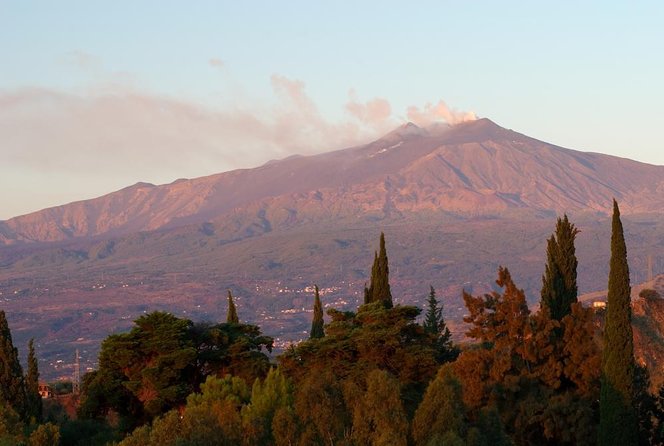
Etna changes fast, even on a half day. This guided trek aims at Mt. Etna’s summit craters, starting from Piano Provenzana and keeping things friendly with a small group. You’ll hike through old and recent lava fields and spend time around the summit area, where the volcano’s mood can shape what you see.
I really like how practical the setup is for a real walk: helmets and trekking sticks are included, and you’re taken up by 4×4 bus before the trekking starts. One possible drawback to plan for: this is not a casual stroll, and you should be ready for an active, semi-sporty hike up around 3330m with health limits to consider.
In This Review
- Key highlights to know before you go
- Where the Etna Summit Craters tour starts (and why Piano Provenzana matters)
- The 4×4 ride to Pizzi Deneri (your first big-altitude payoff)
- Trekking to the crater edge at 3330m: old lava, new lava, and real footing
- Summit area walking: why the guide’s timing changes what you see
- The descent: Bove Valley as a backdrop and lava-sand channels on the way down
- Guides, gear, and small-group pace: how it feels in practice
- Price and the real value (including the 4×4 bus ticket)
- What to pack for Etna’s summit craters (practical list that actually helps)
- Who this tour fits best (and who should skip it)
- Should you book the Etna Summit Craters hike?
- FAQ
- How long is the Etna Summit Craters tour?
- Where do I meet the tour?
- Is the 4×4 bus included in the price?
- What’s included in the tour?
- What languages are the guides?
- Do I need to bring my own food and drinks?
- What should I bring?
- Is the tour suitable for everyone?
- Are contact lenses allowed?
- How big is the group?
Key highlights to know before you go
- Trek to the edge of the summit craters at around 3330m, not just viewpoints from far away
- Old and recent lava fields on foot, so you see how Etna’s landscape evolves
- A 4×4 bus ride to about 2850m (ticket sold separately) to shorten the toughest part
- Summit-area walking changes with volcanic activity, so the experience can be eruption-light—or eruption-filled
- Descent with the Bove Valley backdrop and lava-sand channels back to the start
- Small group size (max 10) helps you move safely and comfortably on uneven ground
Where the Etna Summit Craters tour starts (and why Piano Provenzana matters)
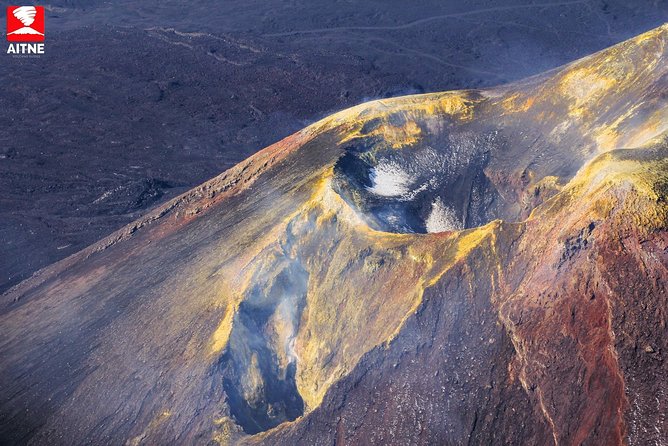
Most Etna days feel split into two parts: the high-altitude hiking and the logistics of getting there. This tour is built to handle both. You meet at ETNA NORD Piano Provenzana, and from there you’re guided step-by-step into the volcano day rhythm—ride up first, then walk.
That start point is useful because it keeps your day focused. You’re not spending hours chasing a bus connection or negotiating multiple transfers. You just get with your guide, get geared up, and head toward the altitude where you can actually appreciate what Mt. Etna does.
Also, the meeting setup supports the small-group feel. With a limit of 10 participants, it’s easier for your guide to manage the pace, watch footing on lava, and keep everyone together when the view opens up.
The 4×4 ride to Pizzi Deneri (your first big-altitude payoff)
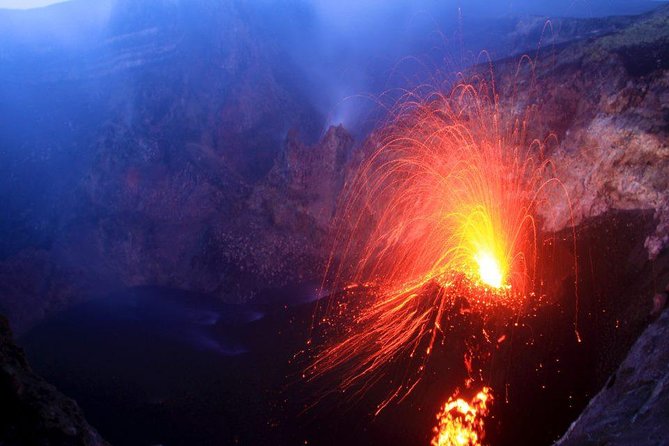
After meeting at Piano Provenzana, you take a 4×4 bus service up toward Pizzi Deneri (2850m). The bus ticket itself is not included, and it’s listed as €60 per person, so factor that into your real total cost.
Here’s why that extra ride is worth it: at Etna’s elevations, the altitude and terrain add up. The bus moves you closer to the summit zone so your actual trekking time is spent on the lava fields and crater-edge walking—the part you came for.
Once you’re near Pizzi Deneri, the plan includes a brief stop for photos and to take in the view. Even if you’re not a “photo person,” this is a smart moment to slow down, breathe, and get your bearings before the hike. One review highlighted that guide humor and coaching can help right away—people mentioned a guide named Arturo, with a clear bit of advice to watch your knees.
Trekking to the crater edge at 3330m: old lava, new lava, and real footing
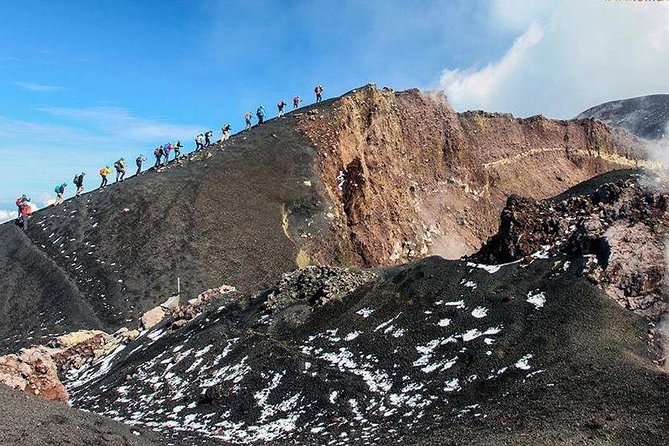
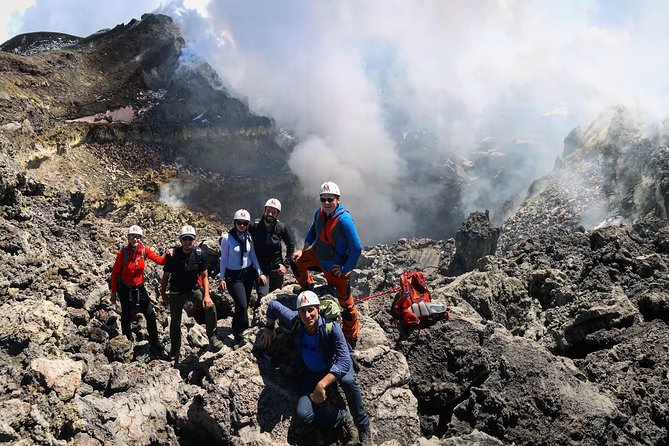
Now you switch from vehicle to boots. The trekking route takes you through old and recent lava fields, and it’s not just scenery—this is geology you can walk across.
At around 3330m, you reach the edge of the Summit Craters area. That’s the point where the day turns from Etna-as-a-view into Etna-as-a-force. Old lava fields can look rough and flattened over time. Recent lava can feel more broken up, with textures that remind you this mountain doesn’t sit still.
This is also where the “semi-sporty” reality shows up. The path isn’t described as a paved trail, and lava surfaces can be uneven. Your tour includes trekking sticks, which are genuinely helpful for balance when the ground changes from rock to sand-like channels. If you have sensitive knees, your guide’s coaching matters—again, one review specifically joked about watching your knees, which is exactly the kind of practical attention that makes a difference on this terrain.
If you request them, trekking shoes are available, but you’ll still want to bring solid footwear if you can. The tour also recommends long pants, gloves, and a jacket, because summit weather can be cooler and windier than you expect.
Summit area walking: why the guide’s timing changes what you see
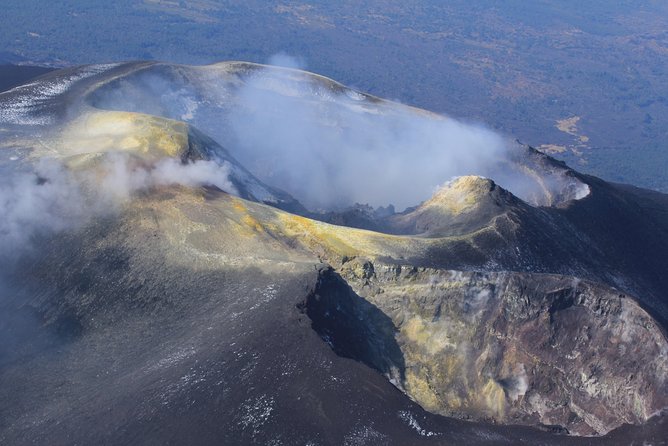
One of the best things about this Etna tour is that it doesn’t treat the summit like a checklist. It says the itinerary includes time around the summit area based on the volcanic activity of the moment. That means you’re not locked into a rigid script if conditions shift.
In plain terms: sometimes you may get dramatic visuals, and sometimes you may get more subtle signals like steam and gases.
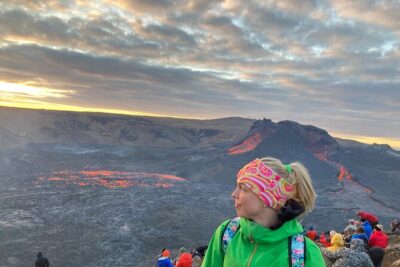
A few reviews point to this variability. One group mentioned being lucky enough to witness lava eruptions. Another described seeing powerful degassing at Voragine, nearby to where the group hiked. That doesn’t promise you’ll see the same thing, but it does tell you what’s possible when the volcano is cooperative.
This flexibility is a strength for two reasons. First, when volcanic activity is visible, being there on foot is the only way to feel the scale. Second, when activity is calmer, your guide can still help you understand what you’re looking at—like where to stand for the best view or how to interpret what’s coming out of the crater area.
And yes, one review noted that they wished the guide spoke a bit more about the mountain’s history and facts. That’s worth weighing if you want a lesson-heavy experience. The tradeoff is that your time at the summit can stay focused on what the volcano is doing right now.
The descent: Bove Valley as a backdrop and lava-sand channels on the way down
After summit-area time, the tour moves into descent. The plan includes Bove Valley as the dramatic background for the way down. Even if you’ve seen photos of Etna’s caldera-like scenery, being there in person with your feet on the ground changes the feel.
Then you move through lava sand channels—a key detail because it affects how tired you’ll feel. Lava channels can be loose, with footing that demands careful steps. This is where trekking sticks can save your legs, and where staying patient with your pace matters more than speed.
The good news: your guide is leading a half-day route, not an all-day epic. The total duration is 6 hours, which is enough time to reach the summit edge, spend time around it, and get back without turning the day into a full marathon.
Guides, gear, and small-group pace: how it feels in practice
The experience is run by Etna Est, and the tour keeps group size tight—up to 10 participants. That matters more than it sounds. On lava terrain, small-group movement reduces bottlenecks, and your guide can give quick corrections without shouting across a crowd.
Gear is also set up to keep the walk safer and more comfortable. Included items are helmets, trekking sticks, and insurance for the activity. There’s also an option for trekking shoes upon request, which is a helpful backstop if you show up without the ideal footwear.
Guide quality comes through in the names mentioned in reviews. People referenced guides like Claudio, Nino, Lucas, and Luca, and described them as friendly and well organized. If you’re the kind of traveler who likes clear instruction, that’s a good sign. One review also specifically praised Claudio for speaking very good French, which lines up with the tour’s language options: English, Italian, and French.
Price and the real value (including the 4×4 bus ticket)
The tour price is listed as $71 per person for the overall experience duration. But the 4×4 bus ticket is not included, and it’s listed separately at €60 per person.
So the value question becomes: what are you buying beyond the base price?
You’re essentially paying for:
- A guided trek to the summit-crater edge (not self-guided)
- Included safety gear like helmets and trekking sticks
- Insurance coverage included in the tour
- The small-group management that helps you handle uneven ground
Meanwhile, the bus is there to get you to altitude efficiently, which can make the difference between enjoying the hike and feeling crushed by the initial climb.
If you’re comfortable with your own logistics and you already have hiking gear and planning time, you might be tempted to DIY. But Etna is one of those places where a guided approach is often the smarter move—especially when volcanic activity can influence how the summit-area walk unfolds.
What to pack for Etna’s summit craters (practical list that actually helps)
This is a mountain day at altitude. Don’t pack like you’re going for a city stroll. The tour’s guidance includes:
- Water (carry enough for your half-day hike)
- Packed lunch (there’s no food and drink included)
- Sunglasses
- Hat
- Sunscreen
- Jacket
- Gloves
- Long pants
- Hiking shoes (and you can request trekking shoes if needed)
- A basic wind-and-cool-weather mindset, even if you start the day in warmer conditions
One extra note from the “know before you go” list: do not bring contact lenses. At crater zones, dust and wind can be more irritating than you expect. If you wear contacts, bring glasses.
Also, consider the helmet and stick plan when you pack. You won’t need to bring your own protective gear, but you do need a daypack that’s comfortable and won’t bounce while you’re stepping over lava surfaces.
Who this tour fits best (and who should skip it)
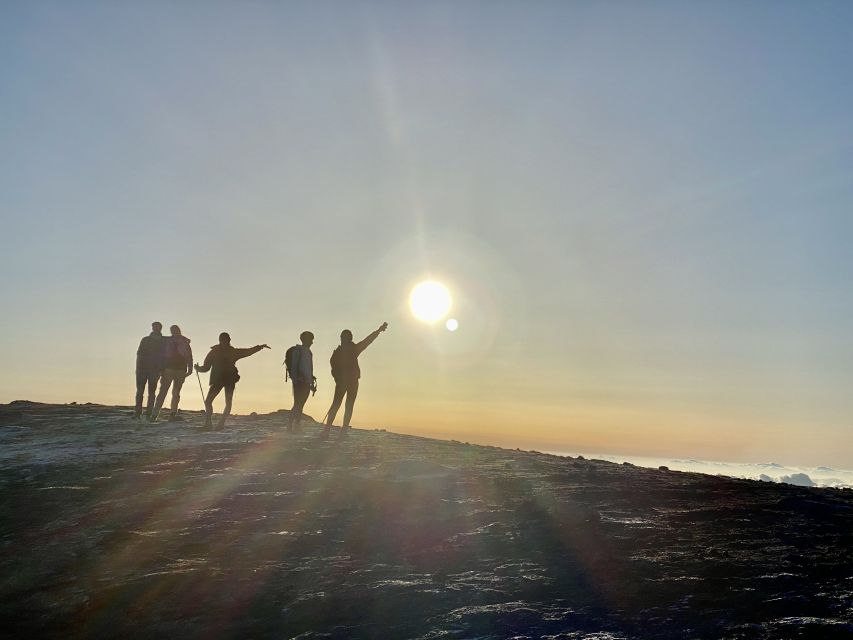
This Etna Summit Craters tour is a good fit if you:
- Want a guided, active hike with real elevation and lava-field walking
- Like the idea of getting closer to volcanic features on foot
- Prefer a small group and clear instruction
- Can handle semi-sporty terrain at altitude around 3330m
It’s also a great choice for people who value being outdoors and letting the volcano set the tone. When volcanic activity is visible, that summit-area time can be the highlight of your Sicily trip.
But it’s not suitable for certain health situations. The tour explicitly says it’s not suitable for:
- Pregnant women
- People with heart problems
- People with respiratory issues
- People with high blood pressure
If you fall into any of those categories, you should choose a different Etna experience that’s designed with lower physical demands.
Should you book the Etna Summit Craters hike?
Book it if you want the Etna experience that’s more than viewing from a distance. The combination of a guided route, small-group size, and crater-edge hiking is the point. I especially like that you get up close to old and recent lava fields and then spend time around the summit area when conditions allow.
Pass or choose a different option if:
- You’re not comfortable with active trekking and uneven lava surfaces
- You know you have altitude or health constraints listed for this activity
- You’re hoping for a heavy history lecture rather than a more observation-and-navigation style summit experience
If you’re flexible, physically game, and prepared with the right clothing and water, this is a standout way to see Mt. Etna as an active mountain, not just a distant landmark.
FAQ
How long is the Etna Summit Craters tour?
It lasts 6 hours.
Where do I meet the tour?
The meeting point is ETNA NORD Piano Provenzana (Etna Nord).
Is the 4×4 bus included in the price?
No. The tour uses a 4×4 bus service, but the bus ticket is not included. It’s listed at €60 per person.
What’s included in the tour?
Included items are helmets, trekking sticks, insurance, and a guide for the whole tour. Trekking shoes are available upon request.
What languages are the guides?
The live tour guide languages are English, Italian, and French.
Do I need to bring my own food and drinks?
Yes. Food and drinks are not included, and the tour recommends a packed lunch.
What should I bring?
Bring water, packed lunch, sunglasses, hat, sunscreen, jacket, gloves, long pants, and hiking shoes.
Is the tour suitable for everyone?
No. It is not suitable for pregnant women, people with heart problems, respiratory issues, or high blood pressure.
Are contact lenses allowed?
No. The tour says do not bring contact lenses.
How big is the group?
The group is small, limited to 10 participants.