REVIEW · VALENCIA
Hiking Tour of the Roman Aqueduct of Peña Cortada and Ruta de Agua
Book on Viator →Operated by Valencia Excursions Club · Bookable on Viator
Roman aqueducts feel different when you walk them. This 9-hour day links the Roman aqueduct of Peña Cortada with the river-side Ruta del Agua, plus time in the white town of Chelva. I love the small group size (max 8) and the calm way the day is paced by the guide, Howard.
You’ll also appreciate the mix of sights: caves, an old mill, and those easy-to-enjoy town stops in Calles and Chelva. The main consideration is the physical load—plan for about 10 miles (16 km) of walking on paths that are not flat and might include a moment that feels high or exposed when crossing the aqueduct.
In This Review
- Key things to know before you go
- A 9-hour day that connects Roman stone to live river scenery
- Morning start in Calles: coffee, church views, and a Frog Fountain
- Ruta del Agua: rapids, caves, eucalyptus shade, and a picnic lunch
- Chelva pause: white-town streets and the Ruta de los Lavaderos
- Crossing the Acueducto de la Peña Cortada: tunnels, rock-carved sections, and big views
- Pace and fitness: what 10 miles feels like in real life
- Small-group guiding with Howard: why the day feels smooth
- Price and value: what $108.02 covers (and what doesn’t)
- How to plan your day in Valencia around this hike
- Should you book this Roman aqueduct and Ruta del Agua hike?
- FAQ
- How long is the hike?
- What’s the walking distance?
- What’s included in the price?
- Is lunch included?
- Is the tour guided in English?
- What’s the group size?
- What happens if the weather is poor?
Key things to know before you go
- Small group (up to 8): easier questions and a pace that fits most people
- A real Roman crossing: walk part of the 2000-year-old aqueduct (it feels thrilling, not scary-dangerous)
- Route del Agua variety: rapids, caves, a 19th-century mill, eucalyptus shade, and a picnic pause
- Chelva time in a white town: stone washhouses and fountain stops along the Ruta de los Lavaderos
- Seasonal wildlife and trees: you might spot deer in breeding season, plus almond blossoms depending on timing
A 9-hour day that connects Roman stone to live river scenery
This isn’t one of those “hop out for a photo and hop back in” tours. It’s a full walking day that strings together three different scenes: a village morning in Calles, a river walk along Ruta del Agua, and then the big moment—crossing the Peña Cortada aqueduct on foot.
What makes it feel special is the flow. You start gently, you build into the outdoors, and then you finish with big viewpoints and a satisfying downhill return to Chelva. Even with a packed schedule, the day stays friendly because Howard adjusts the pace so you’re not getting dragged along.
If you like travel days with purpose—where you learn things, but you’re also moving and looking around—this one fits.
You can also read our reviews of more hiking tours in Valencia
Morning start in Calles: coffee, church views, and a Frog Fountain
You meet at 9:00 am at Alameda Beer, Pg. de l’Albereda 15 in Valencia. From there, you ride out in an air-conditioned vehicle with the group, keeping the morning easy before you start walking.
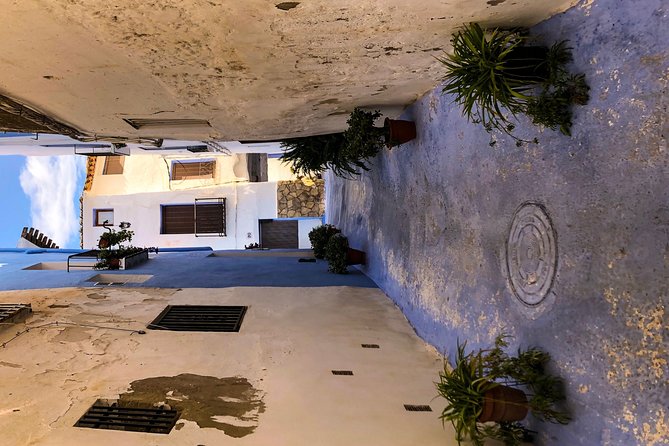
The first stop is Calles, where you begin with coffee and a slow stroll through village streets. You’ll see the historic church and the fun, locally loved Frog Fountain—the kind of detail that makes small towns feel real instead of staged.
This hour matters more than it sounds. It’s not just caffeine. It helps you get your bearings, check your shoes, and settle into the countryside rhythm before the river section.
Practical tip: if you’re the type who gets thirsty fast on hikes, use this first stop to top up your water. The day has walking blocks, and you’ll want to feel comfortable from the start.
Ruta del Agua: rapids, caves, eucalyptus shade, and a picnic lunch
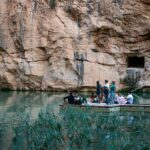
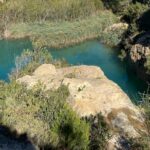
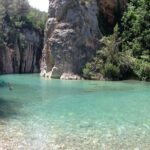
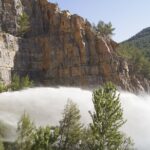
After Calles, the plan shifts to the river. You walk the Fluvial section of Ruta del Agua, where the motion of fast-flowing water sets the tone. The sound carries, the views keep changing, and it’s a nice break from the busier parts of Valencia.
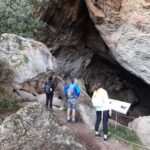
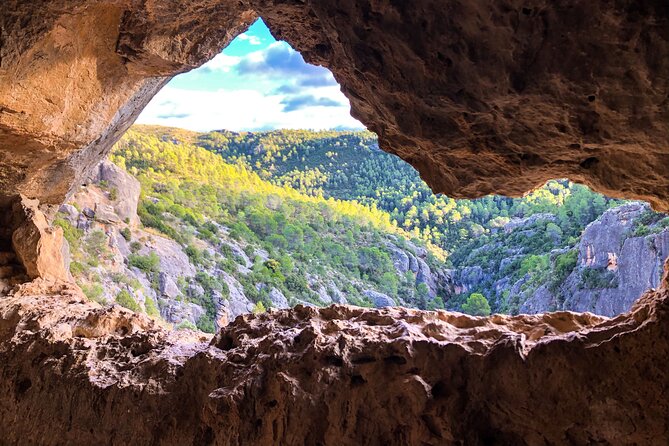
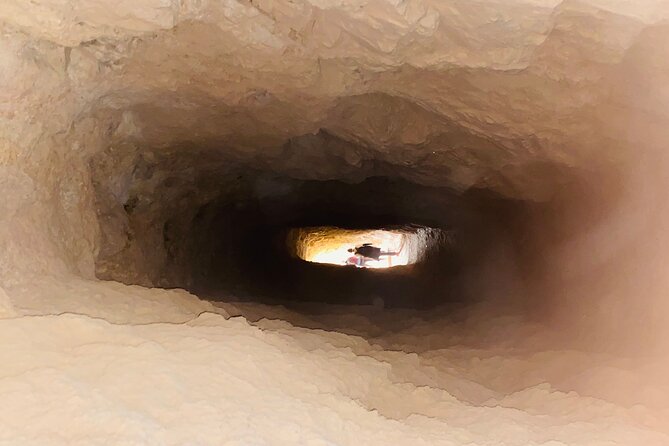
Along the way, you’ll visit a 19th-century mill that hides a colorful mural inside. Then there are ancient caves used for food storage during the Arabic era. Those stops add context to what could otherwise be “just a scenic walk.”
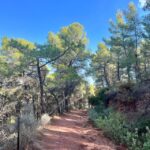
You also get a quieter stretch under eucalyptus trees. This is where the walk feels like a shaded corridor, with cooler air and more breathing room between viewpoint moments.
The tour includes a picnic lunch time beside the river. Lunch itself isn’t sold as a full catering meal, so if you have diet needs, you’ll want to plan ahead. The idea is that you’re eating in a natural setting rather than lining up somewhere indoors.
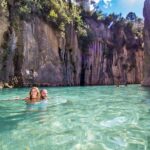
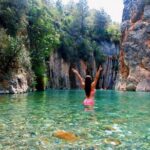
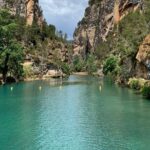
One more detail: there’s also a swimming-hole spot along the Ruta del Agua section that people often use to cool off. If you’re tempted, just remember conditions can change with the river, so follow the guide’s lead.
Chelva pause: white-town streets and the Ruta de los Lavaderos
Next comes Chelva, one of those Spanish hill towns that looks like it belongs in a postcard, but still feels lived in when you walk it slowly. You’ll have about an hour to explore, with time to wander and then pause for a drink in the main plaza.
The highlight here is the Ruta de los Lavaderos—the stone washhouses and fountains that locals used for washing clothes. Even if you’re not a museum person, this kind of “everyday infrastructure” is fascinating. It shows how people used water and built community routines around it.
The stop is balanced. It’s long enough to enjoy the streets, but not so long that the group loses momentum for the aqueduct portion.
If you’re the kind of traveler who likes taking photos, this is where you’ll do it—small alleys, bright walls, and that white-town look that changes with the light.
Crossing the Acueducto de la Peña Cortada: tunnels, rock-carved sections, and big views
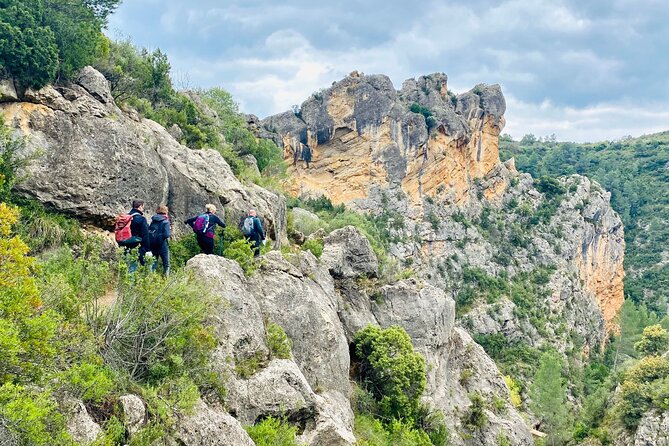
The main attraction is Acueducto de la Peña Cortada, described as a Roman aqueduct around 2000 years old. You leave Chelva, and the route takes you through olive groves before you reach the aqueduct area.
As you go, you may notice seasonal details: almond trees depending on timing, and deer sightings during breeding season. That’s a real bonus for people who pay attention to nature, not just architecture.
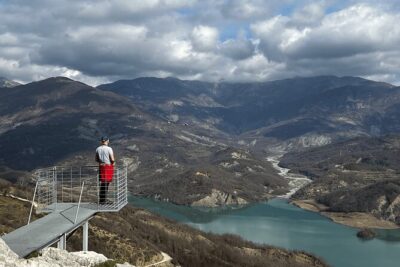
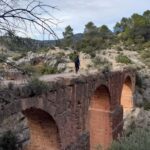
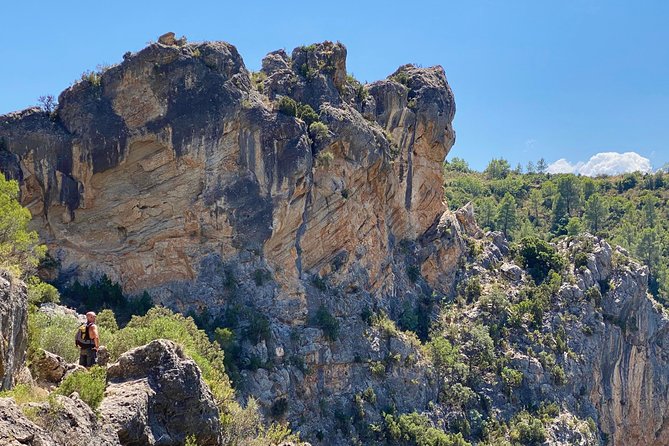
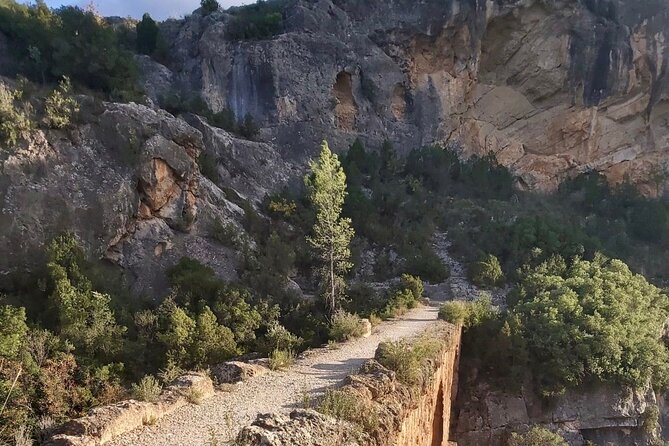
Then you reach the moment many people remember. You walk across the aqueduct. It can feel a little scary at first—especially if you don’t love heights—but it’s not presented as dangerous. The walkway is wider than a typical sidewalk, so while it feels exposed, it’s also manageable.
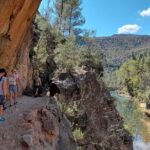
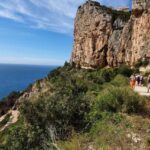
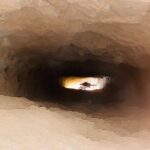
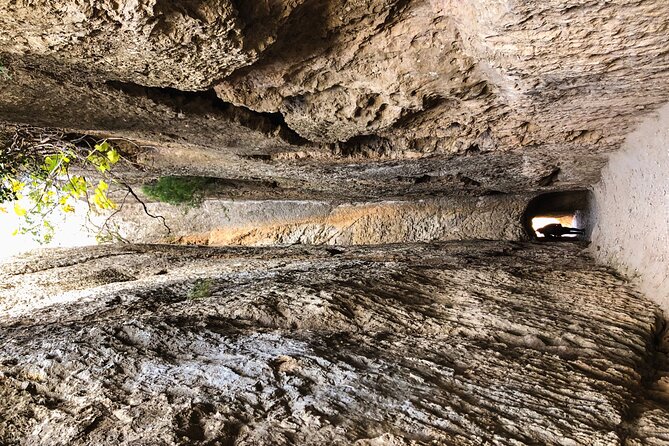
You’ll also see rock-carved tunnels and the stonework that helped move water long before modern plumbing. The walk ends with a descent through a ravine back toward Chelva, and the whole day’s mileage lands close to that 10-mile mark.
If you’re worried about the crossing: take it slow, keep your eyes on your footing, and don’t rush. Howard’s pacing helps here too, because you won’t feel like you’re being forced to hurry through the most intense section.
Pace and fitness: what 10 miles feels like in real life
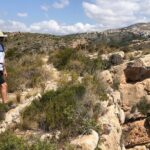
This tour fits people with moderate physical fitness. That means you should be comfortable with a long walking day, not just a short stroll. The total walking is about 10 miles (16 km), and the routes are not described as flat.
The good news is that the day is broken into meaningful parts. You get stops for coffee in Calles, a river section with pauses and an included picnic time, an exploration hour in Chelva, and then the final aqueduct walking block.
Still, your best strategy is mindset: treat it as a hike day first, sightseeing day second. If you start thinking of it as a hike, you’ll enjoy the pace instead of fighting it.
What I’d watch for:
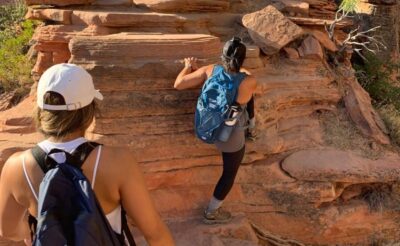
- Footwear matters because river paths and ravine descents can be uneven
- You might want to plan for some full sun breaks, especially once you leave the eucalyptus corridor
- The aqueduct crossing can feel airy, even if it’s not unsafe
Small-group guiding with Howard: why the day feels smooth
Howard is the name tied to this experience, and the tone of the trip matches that. He’s described as kind, easy to talk with, and actively looking after the group. People also note that he adjusts pacing based on comfort needs.
That matters because the day has two very different “modes.” It’s social and conversational in the towns, and then it turns into steady walking in the countryside. A good guide helps you switch between those modes without losing your energy.
You also get useful context. Howard shares history tied to what you’re seeing—like the caves and the old mill—so the scenery feels connected rather than random.
Group size stays small, too (max 8). That usually means fewer bottlenecks and less waiting while photos get sorted out.
Price and value: what $108.02 covers (and what doesn’t)
At $108.02 per person, you’re paying for a full day that includes:
- Private transportation from Valencia
- A guided hike and guided sightseeing stops
- Coffee and/or tea
What’s not included is lunch. The plan includes picnic time by the river, and there’s an optional coffee or lunch in Chelva at your own cost. If you want a table booked for lunch or you have dietary restrictions, the operator says they can help with preferences.
Is it good value? For me, the answer is yes if you want a guided, coherent route. The day combines transportation, a guide, and entry-free experiences (no paid attractions are listed), plus a major walking anchor on a Roman aqueduct. If you tried to recreate this yourself, you’d spend time coordinating transport and still struggle to get the story you get with Howard’s guidance.
The biggest “cost” to consider isn’t the money—it’s your energy level for a 10-mile day.
How to plan your day in Valencia around this hike
You start at 9:00 am and return to the meeting point at the end of the experience. Because it’s about 9 hours total, plan your evening in Valencia for something low-key.
A helpful way to think about the timing: you’ll spend real time outdoors by the river and on the aqueduct crossing, with town time acting like a break and a cultural reset.
What to bring (simple and practical):
- Comfortable walking shoes with grip
- A water bottle (you’ll be moving most of the day)
- Sun protection (hat and sunscreen help, especially outside shaded river sections)
- Any snacks or picnic items you might prefer, especially if you don’t want to rely only on what’s provided
If you’re sensitive to heights, don’t try to “muscle through” the aqueduct crossing. Use slow steps and let yourself adjust. Howard’s pacing helps, but your calm approach matters too.
Should you book this Roman aqueduct and Ruta del Agua hike?
Book it if you want a guided walking day that mixes Roman stone, river scenery, and real village life in Calles and Chelva—without needing museum-style patience. It’s a strong choice if you like stories tied to places, and if you don’t mind a long hike.
Skip it (or pick a lighter alternative) if you’re not comfortable with about 10 miles of walking, uneven ground, or if the idea of crossing the aqueduct makes you anxious. Even though it’s described as wider than a typical sidewalk and not truly dangerous, the exposed feel is real.
If you do go, show up ready for a full-day rhythm: walk, pause, listen, and then walk some more. That’s when the aqueduct moment and the river caves/mill stops really land.
FAQ
How long is the hike?
The tour runs about 9 hours, including stops and sightseeing.
What’s the walking distance?
You’ll walk roughly 10 miles (16 km) in total.
What’s included in the price?
The price includes private transportation from Valencia, guided hike and sightseeing, and coffee and/or tea.
Is lunch included?
Lunch is not included. The plan includes a picnic lunch time during the river section, and there’s also an optional coffee or lunch in Chelva at your own cost. You can also bring a picnic lunch, especially if you have dietary needs.
Is the tour guided in English?
Yes. The tour is offered in English.
What’s the group size?
The tour has a maximum group size of 8 travelers.
What happens if the weather is poor?
The experience requires good weather. If it’s canceled due to poor weather, you’ll be offered a different date or a full refund.