REVIEW · CALI COLOMBIA
Cali: Hiking to the Pance waterfalls
Book on GetYourGuide →Operated by Valley Adventours · Bookable on GetYourGuide
Waterfalls and birds, a quick escape from Cali. This guided hike around Cali lets you earn your swim on the Pance Waterfalls trail, with proper hiking shoes becoming the real ticket to comfort as the paths turn muddy and the river crossings get tricky. I love the feeling of walking through cool forest air while your guide points out the biodiversity in real time. I also love that you get a proper regional lunch, not just snacks. The main drawback to plan for is effort: this is not a dry, stroll-in-the-park kind of outing.
You’ll spend about 7 hours outside the city, following rivers and waterfalls on ecological trails near the Farallones, part of the west branch of the Andes. It’s built for small groups (up to 6), and the guide brings that extra layer of meaning with wildlife expertise and bird-spotting—there can be 80+ bird species in the area.
Because the hike includes natural cooling breaks, you’ll want to pack for getting wet and drying fast. Plan on bringing water shoes, a towel, insect repellent, and a bathing suit plus a jacket for when the air feels cooler under the trees.
In This Review
- Key things to know before you go
- From Cali to the Farallones: How the day gets rolling
- The trail’s “why”: rivers, waterfalls, and bird spotting
- Pance Waterfalls: your best cooling break comes with wet footing
- The view payoff over the valley and mountains
- Lunch in the countryside: a real regional break
- Biodiversity moments that feel practical, not just poetic
- Price and value: what $119 actually buys you
- What to bring for wet trails, not just good intentions
- Pacing, difficulty, and who this hike suits best
- Language and guide style: Spanish-led with room for questions
- Meeting point and small-group comfort in Cali
- Should you book the Cali Pance Waterfalls hike?
- FAQ
- What’s the duration of the Cali hiking trip to Pance waterfalls?
- Where do I meet the group in Cali?
- What’s the group size?
- What’s included in the price?
- What language is the tour guide speaking?
- What should I bring for the hike?
- Is the tour suitable for people with mobility impairments?
Key things to know before you go
- Small group pacing: limited to 6 participants, so you don’t get lost in the shuffle.
- Wildlife focus: expect bird-spotting support from a wildlife expert, including 80+ species in the region.
- Real water time: you’ll cool off and bathe in natural waterfalls and rivers.
- Wet-trail reality: shoe choice matters because portions can be slippery and muddy.
- Included value: round-trip transport from Cali, reserve entrance, lunch, and insurance are part of the $119 price.
From Cali to the Farallones: How the day gets rolling
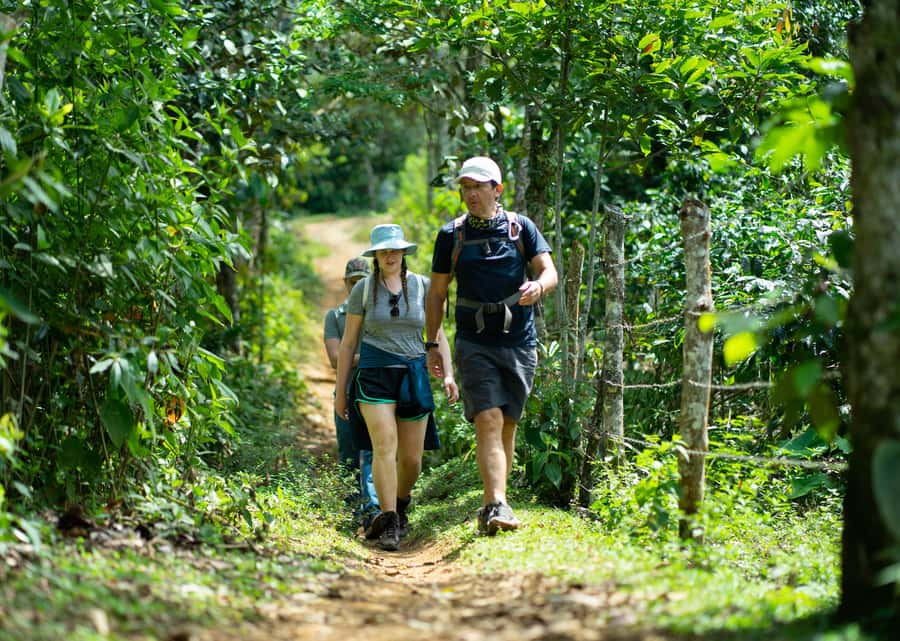
The experience starts in Cali, with meeting outside Hotel Intercontinental Cali. From there, you’ll head out via ground transportation for the countryside approach—close enough to be convenient, far enough to feel like you left the city behind.
Right away, this is a different kind of nature day than the usual “walk and take photos.” The vibe is purposeful: the route follows rural hillsides and ecological trails, with the goal of reaching the forest’s rivers and waterfall spots in a way that lets you pay attention to plants, water, and wildlife.
Pickup and drop-off are included if your lodging is within the allowed area, so you can travel with less logistics stress. If it’s not available at your exact address, you’ll want to plan around the stated meeting point.
The trail’s “why”: rivers, waterfalls, and bird spotting
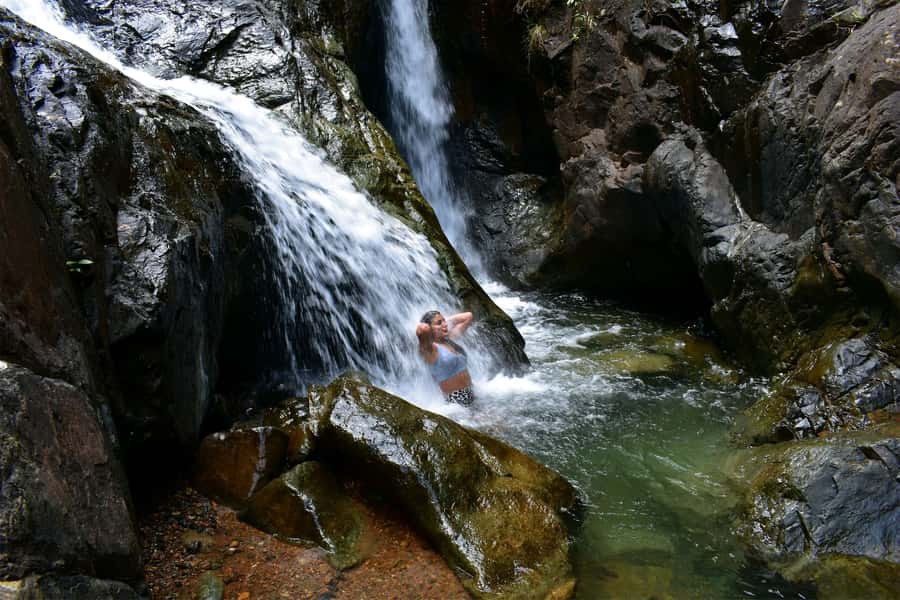
One of the best parts of this hike is how quickly the surroundings stop feeling generic. As you walk, you’re not just moving from one scenic view to another—you’re tracking the forest’s water system, plus the biodiversity along the way.
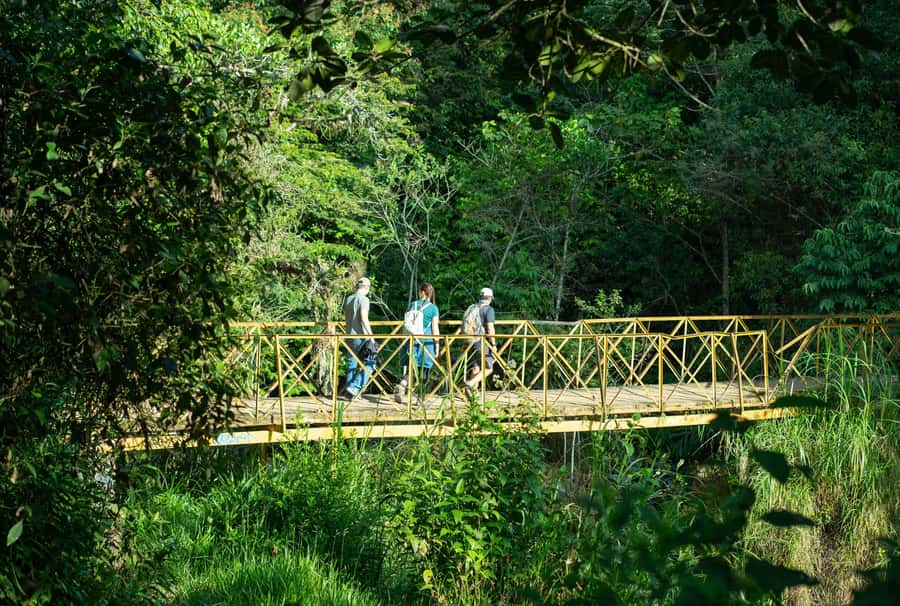
You’ll be in the Farallones area, the west branch of the Andes, where the terrain shapes the rivers you’ll encounter. That matters because the walk is partly a negotiation with the terrain: you’ll get close to flowing water, cross or follow river sections, and experience how the forest changes with every bend.
A wildlife expert guides the experience and helps you notice birds and habitat details. The area is described as having well-preserved diversity, with the chance to see more than 80 bird species. Even if you’re not a hardcore birder, that kind of “look here, then look again” guidance tends to turn a hike into something you remember longer than the photos.
Pance Waterfalls: your best cooling break comes with wet footing
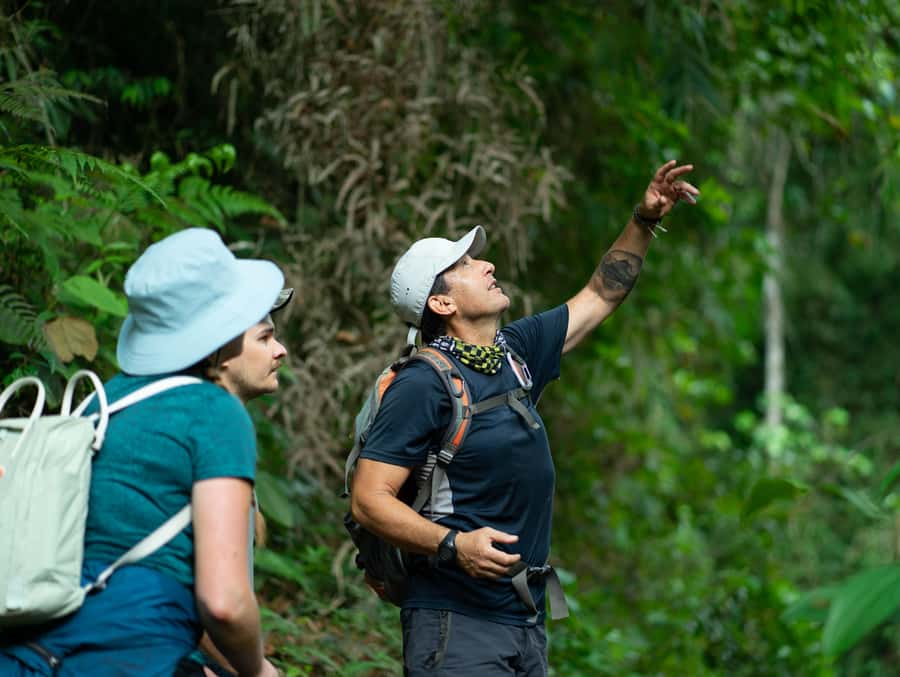
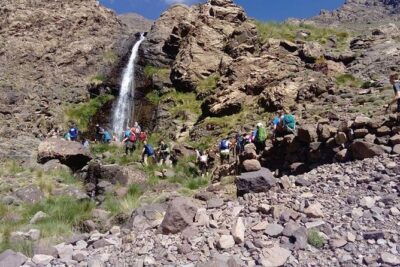
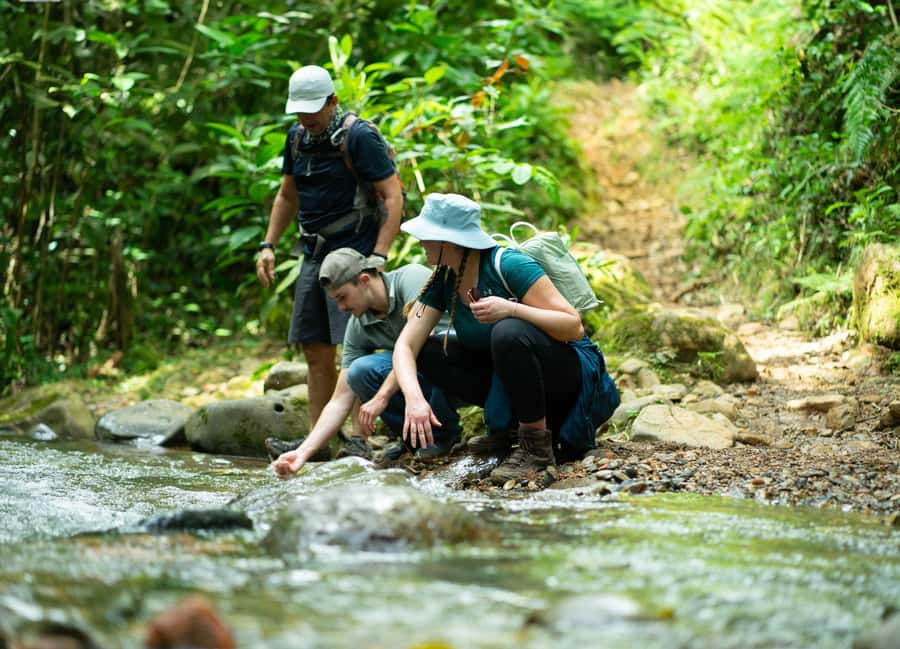
The highlight is the time at the natural waterfalls and river spots. This is the moment you hike toward: cool off, bathe, and let the water reset your body after hours in the forest air.
Just don’t kid yourself about footwear. The experience includes recommendations for water shoes and hiking shoes that can get wet. You’ll also want a plan for a towel and a quick dry change of clothes, because you’ll likely end up damp in a way that lingers if you’re not prepared.
Some guides are especially steady through harder moments, and that shows in how the hike feels when the trail gets rough. One recent participant praised their guide’s calm leadership during challenging river passages, and that’s exactly what you want here: a smooth pace when the footing turns sloppy.
If you’re an experienced hiker, you’ll probably appreciate that challenge. If you rarely hike, take the warning seriously: one participant noted the trail can be very sloppy and recommended proper hiking shoes over sneakers. I’d treat that as your checklist, not optional advice.
The view payoff over the valley and mountains
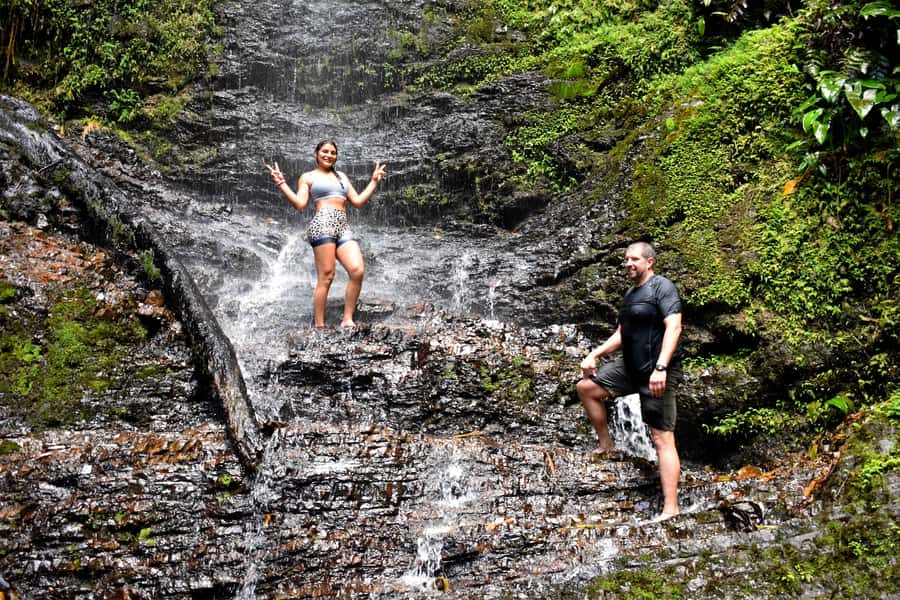
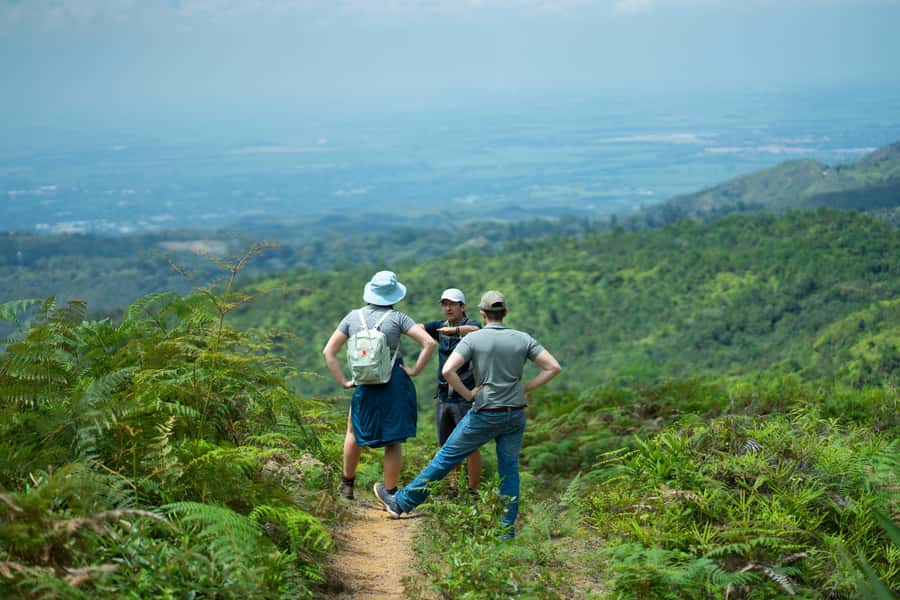
Between forest sections and water breaks, you’ll get panoramic viewpoints over the valley and mountains. The tour’s description emphasizes clean air, fresh lungs, and open views—so you’re not only “under the canopy.”
These panoramas matter because they help you understand where you are in Colombia’s geography. You’re near the Andes foothills, and it’s easier to grasp the region’s scale when you can see the valley edges and mountain ridges stretching out.
Even if you’re not a “view person,” these pauses are usually when you’ll catch your breath, rehydrate, and get ready for the next wet stretch.
Lunch in the countryside: a real regional break
The included lunch is described as typical of the region. That’s more than a checkbox for me. When you’re hiking 7 hours, a satisfying meal can make the difference between finishing energized and feeling drained.
Because lunch is included, you don’t have to guess about food quality or timing once you’re out of town. You can focus on the rhythm: walk, cool off, eat, then walk again.
What to watch for: after a water break, your appetite can feel unpredictable. Pack the habits that work for you, like drinking water before you’re too thirsty and eating before you feel overly tired.
Biodiversity moments that feel practical, not just poetic
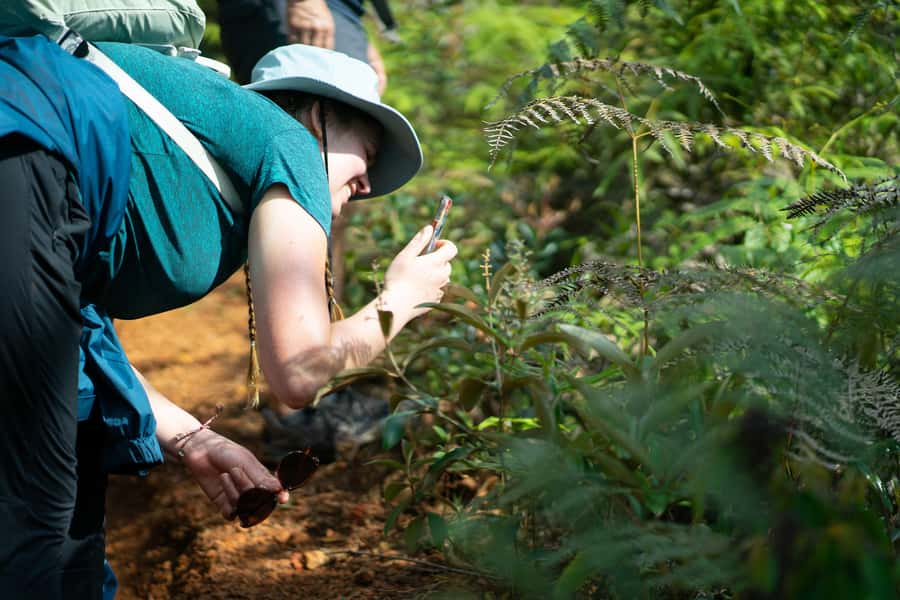
This tour’s nature promise isn’t only about pretty scenes. It’s about experiencing preserved diversity in action—especially through birds and the way the trail corridor funnels your attention.
You’ll have wildlife interpretation during the hike, and the guide’s job is to point out what you might otherwise miss. That’s why this kind of guided hike is worth it compared to a self-guided walk: you don’t just see nature—you get a reason to pay attention.
And the small-group size (up to 6) tends to help with this. With fewer people, the guide can slow down for spotting, answer questions, and keep the hike from feeling like a moving line.
I also like that the experience centers on outdoors time and cooling breaks, not museum-style facts. If you enjoy nature learning that’s attached to real surroundings, you’ll likely enjoy the way the tour is structured.
Price and value: what $119 actually buys you
At $119 per person for a 7-hour outing, you’re paying for more than a guide and a path. You’re also paying for logistics that add up fast in the real world: round-trip ground transportation from Cali, entrance fees to the natural reserve, lunch, and medical insurance and assistance.
That package matters if you don’t want to piece together multiple vendors. Here, you have one provider handling the travel rhythm, the access to the reserve, and the basic safety net via insurance. It’s especially valuable when the day includes wet terrain, where being properly equipped and guided is part of the cost.
Small-group format also supports value. You’re not being herded with dozens of people, and that usually leads to better pacing—useful on uneven ground and during water moments.
If you’re choosing between a cheaper “group bus” hike and this kind of tighter experience, consider which one will let you actually enjoy the waterfall time instead of waiting in lines or rushing through the forest.
What to bring for wet trails, not just good intentions
This is one of those hikes where your packing list is the difference between fun and frustration. You’ll want to treat it like a “wet hike” even if the weather is mild.
Bring:
- Hiking shoes that grip and can get wet
- Water shoes for river and waterfall sections
- Bathing suit plus change of clothes
- Towel and a small dry bag if you have one
- Sun protection: sunglasses and a sun hat
- Sunscreen and insect repellent
- Jacket (forest air can feel cooler)
- Outdoor clothing that dries fast
- Bottle of water (you’ll be told to bring one)
You might also see wetsuit listed, which tells you something important: the water time isn’t just a photo stop. If you run cold easily, treat the wetsuit option as a comfort upgrade, not an overkill.
Not allowed:
- Pets
- Smoking
- Luggage or large bags
Also, don’t wear jewelry. That’s not only for comfort—it’s practical on wet trails and around water. Keep it simple.
Pacing, difficulty, and who this hike suits best
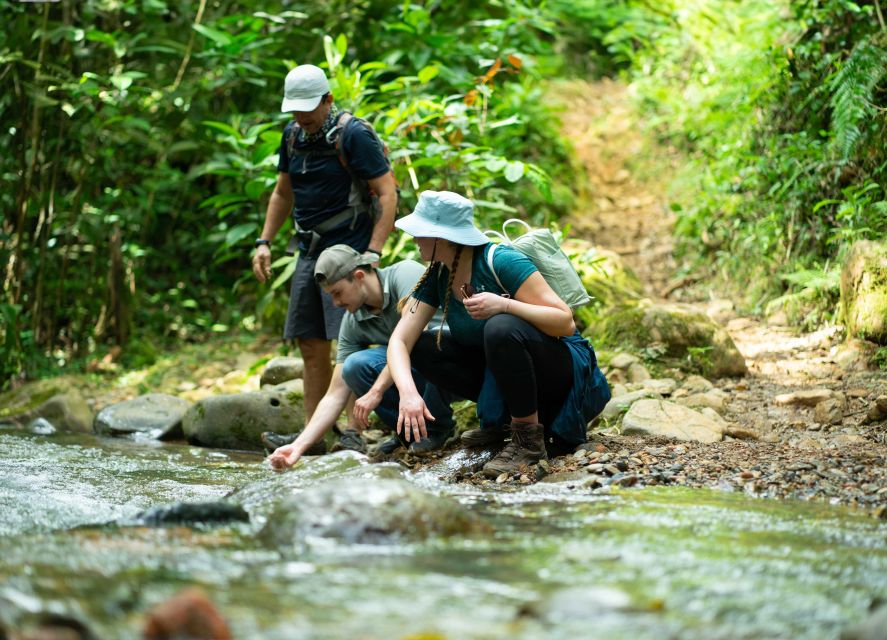
This hike is generally framed as accessible for many people, but the real condition is the terrain: sloppy, wet, uneven footing in river-adjacent sections. One participant specifically recommended you have hiking experience, and I agree with that takeaway.
If you:
- hike regularly,
- feel comfortable with slippery ground,
- and can handle getting wet,
you’ll probably find the waterfall time worth the effort. The forest sections reward patience, and the guide’s calm leadership helps you stay confident through harder passages.
If you:
- rarely hike,
- have mobility limitations,
- or use a wheelchair,
this is listed as not suitable. It’s also not suitable for pregnant women.
For everyone else, I’d match your comfort level to your shoe grip and your willingness to wade briefly or step carefully on wet surfaces. Bring gear that keeps you stable and warm.
Language and guide style: Spanish-led with room for questions
The tour guide language is Spanish. If you don’t speak Spanish, you might still be able to enjoy the hike through body language and shared moments, but you’ll get the most value if you can follow at least some basics (like names of plants, birds, and safety cues).
One detail I like from guide feedback is how guides handle the group. Multiple guide names were praised for being attentive and responsive, including one who spoke very good English and answered questions about Cali and the region. Even if your guide isn’t the same person, that pattern suggests the guides take their role seriously and help you understand what you’re seeing.
You can expect a mix of interpretation (wildlife and nature) and practical guidance (how to move through wet sections). That blend makes the hike more rewarding without turning it into a lecture.
Meeting point and small-group comfort in Cali
The meeting point is outside Hotel Intercontinental Cali. The tour includes round-trip transportation from Cali, which keeps your day from turning into a scavenger hunt for buses or shared taxis.
Because the group is limited to 6 participants, you’ll get a more personal pace. That’s a big deal when the terrain changes quickly and when the guide needs everyone paying attention during river and waterfall moments.
If you’re planning your morning, give yourself buffer time to arrive calmly. You’ll be switching from city routines to muddy trail readiness fast.
Should you book the Cali Pance Waterfalls hike?
I think you should book this hike if you want a guided nature day with real cooling off, not just a photo outing. The mix of ecological trails, wildlife expertise and bird spotting, plus the payoff at the Pance waterfalls makes it a strong value when you consider what’s included: transport, lunch, entrance, and insurance.
Skip it if you hate getting wet, don’t feel stable on slippery ground, or don’t have hiking comfort. Even with guidance, the trail conditions and river passages are part of the experience, and the packing list is not optional.
If you’re the type who likes to learn something while you walk, and you want your Cali day to feel like a true escape into the forest, this one is a very solid choice.
FAQ
What’s the duration of the Cali hiking trip to Pance waterfalls?
The tour lasts 7 hours.
Where do I meet the group in Cali?
Meet outside the Hotel Intercontinental Cali.
What’s the group size?
It’s a small group limited to 6 participants.
What’s included in the price?
Included are a local guide, pickup and drop-off at your lodging (with restrictions), round-trip ground transportation from Cali, lunch, entrance fee to the natural reserve, and medical insurance and assistance.
What language is the tour guide speaking?
The live tour guide speaks Spanish.
What should I bring for the hike?
Bring sunglasses, a sun hat, a change of clothes, a towel, hiking shoes, sunscreen, a jacket, insect repellent, water shoes, outdoor clothing, and a wetsuit. You should also bring a bathing suit, extra clothes, a small towel, flip flops, a cap, sunblock, mosquito repellent, and a bottle of water.
Is the tour suitable for people with mobility impairments?
No. It’s not suitable for pregnant women, people with mobility impairments, or wheelchair users.