REVIEW · KAILUA KONA
Big Island: Mauna Kea Summit, Stargazing & Dinner
Book on GetYourGuide →Operated by Hawaii Forest & Trail · Bookable on GetYourGuide
Mauna Kea’s night sky feels engineered for awe. This 8-hour, small-group trip drives you toward the summit for sunset views and then keeps the energy going with telescope stargazing.
I love that the pacing mixes comfort with the big sky moment: you get a picnic dinner and hot drinks before the stars take over.
One drawback to plan for: it’s cold and high, and the tour isn’t a fit for everyone with health concerns or altitude risk.
In This Review
- Key things you’ll notice on this Mauna Kea summit night
- Why a Mauna Kea summit sunset beats most star tours
- The 8-hour rhythm: vans, timing, and why the stops make sense
- Visitor information station: picnic dinner and the calm before the cold
- Mauna Kea summit at sunset: the short window you’ll remember
- Private star show with telescopes: what happens after dark
- A small tip that can level up your night
- Comet luck and weather reality: what you can control
- What to pack: warm layers, closed-toe shoes, and water discipline
- Price and value: what $329 buys in an 8-hour experience
- Who should book this Mauna Kea summit trip (and who should skip it)
- Guide style matters: you might notice differences in communication
- Should you book Mauna Kea Summit, Stargazing & Dinner?
- FAQ
- How long is the Mauna Kea Summit, Stargazing & Dinner tour?
- What’s included in the price?
- How many people are in each group?
- Where can I get picked up and dropped off?
- What do I need to bring and wear?
- Are winter jackets provided?
- Is there anything I’m not allowed to bring or do?
- What kind of guests is this tour not suitable for?
- Will I get photos from the stargazing?
- What’s the cancellation policy if plans change?
- Does the pickup time match the tour start time shown online?
Key things you’ll notice on this Mauna Kea summit night
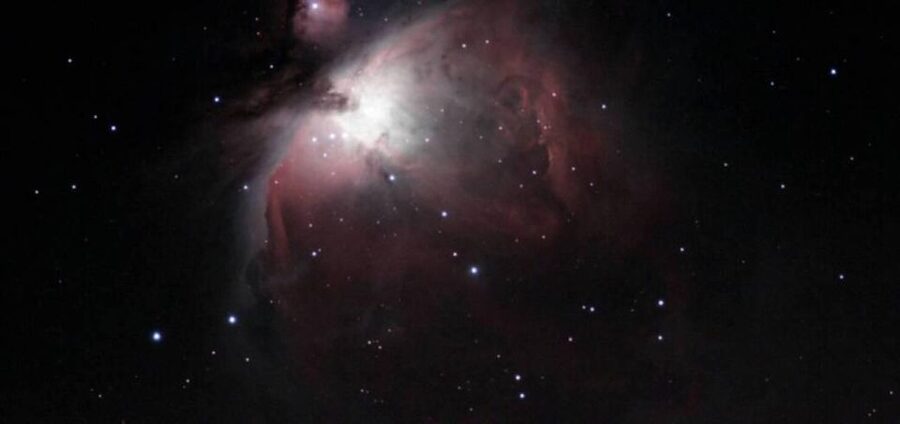
- 11-inch Celestron telescope plus a guided star show after sunset
- Digital astro-photography scope that captures what you’re seeing for later sharing
- Picnic dinner and hot cocoa timed so you’re fueled before dark skies hit
- Hawaiian star navigation and local nature lessons from a live guide
- Small group size (up to 12) so you’re not lost in a crowd
- Winter parkas and gloves provided, but you still need warm clothes
Why a Mauna Kea summit sunset beats most star tours
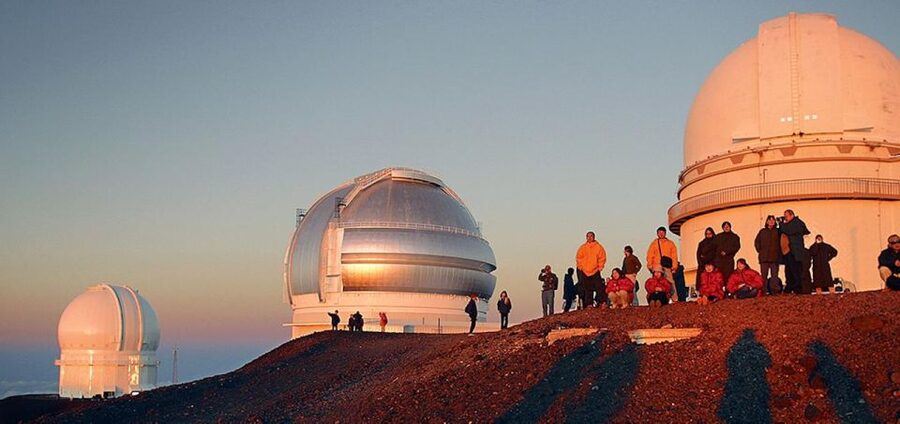
If you’ve ever watched stars from sea level, you know the difference right away: the sky looks deeper, sharper, and calmer on Mauna Kea. The point here is not only stargazing. The real hook is getting to elevation first for sunset, then shifting into night under some of the darkest skies in the Pacific.
What I like about this format is the order. You’re not rushing straight to darkness. You build up to it: warm food, a proper top-of-the-island view as the light fades, then the sky opens.
You’re also getting more than a “look through the telescope” routine. The guide’s focus includes Hawaiian nature and wildlife, plus Hawaiian star navigation, so the sky has meaning beyond astronomy buzzwords.
The 8-hour rhythm: vans, timing, and why the stops make sense
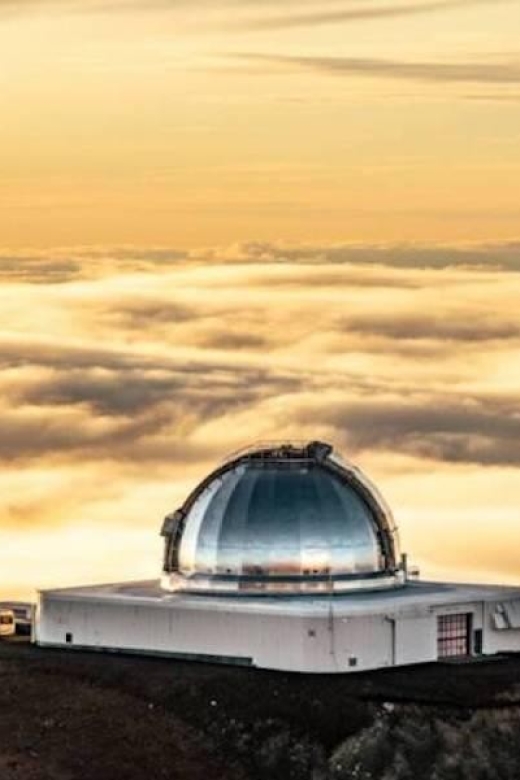
This tour is designed around the long drive and the need to be in the right place at the right time. You’ll start with pickup from several Kona-area hotels and shopping stops, then spend about two hours traveling by van toward Mauna Kea.
Along the way, the itinerary breaks the experience into three moods: food and stories before the top, a short summit window for sunset, then a night-sky session with telescope time and photo capture. That’s a smart setup because Mauna Kea is not a place where you want to wander aimlessly after dark.
Here’s the practical truth: the schedule moves. You’ll do a few van transfers, and there’s a limited amount of time at each elevation point. If you’re hoping for long, slow hanging-out time, this isn’t that. But if you want a focused, guided night in one package, the flow is strong.
Visitor information station: picnic dinner and the calm before the cold
Before the summit moment, you’ll reach the Maunakea Visitor Information Station area for dinner—around 45 minutes to eat. This matters more than it sounds. After you’re seated and fed, you can actually enjoy the quiet before sunset instead of thinking about hunger or cold creeping in.
This is also where the guide sets context, including Hawaiian nature and wildlife. You’ll usually get a feel for how people look at the mountain: not just as scenery, but as an ecosystem with rules. That background makes the later star navigation talk land better, because you’re learning the way locals connect sky, seasons, and life.
After sunset, you’ll return to the same visitor area for dessert and scenic views on the way down. Think of it as the “linger” block—time to reset, warm up, and keep the night moving rather than ending abruptly.
Mauna Kea summit at sunset: the short window you’ll remember
At the summit, you get a set time for sunset (about 35 minutes). That might sound brief, but it’s one of those “short on paper, unforgettable in real life” situations. The light changes fast at elevation, and the goal is to catch the whole sweep: bright horizon glow to deepening twilight to the first hints of night.
You’ll also appreciate how the tour avoids the typical trap of arriving too late. This experience is built around a controlled plan: drive up, station yourself for the sunset, then descend once the sky is ready for the star show.
Dress matters here. Even if the day feels mild in Kona, the summit can be a different planet. Warm layers are not optional on this kind of night.
Private star show with telescopes: what happens after dark
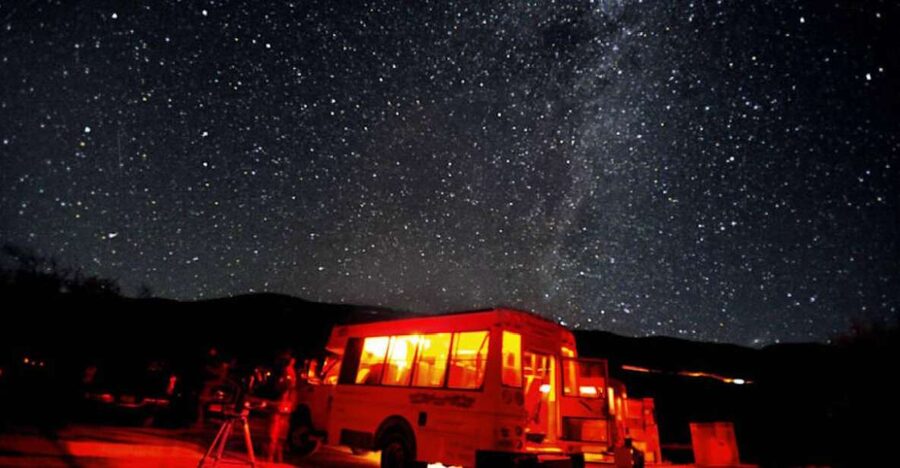
Once the sun is gone, the tour shifts into true night-sky mode. After you descend from the summit, you’ll enjoy hot chocolate and cookies while the guide runs a private star show.
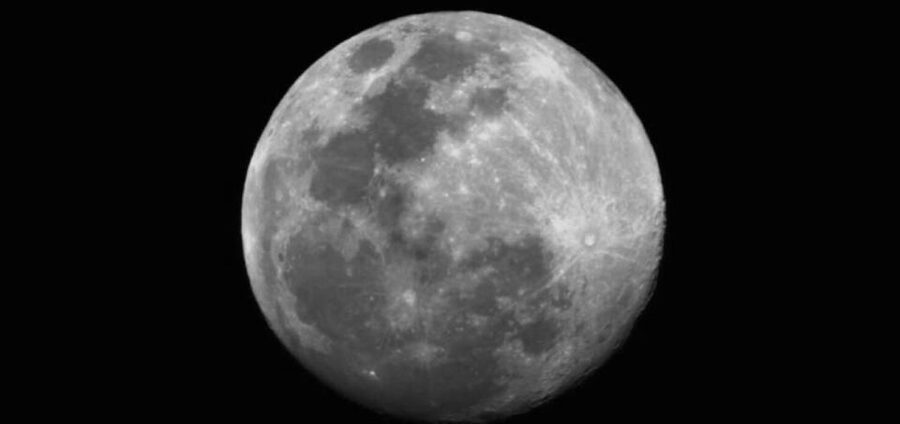
The centerpiece is telescope time—specifically an 11-inch Celestron. You’ll look at the kinds of targets that make people stop talking, like planets and other bright objects you can actually spot rather than just reading about later.
Then comes the photo angle. You’ll also use a digital astro-photography scope designed to view deep space objects, and the tour emails the digital images to you afterward. That’s a big value add. You get your own tangible results, not just a memory of looking through glass.
Star navigation also enters the story. The guide doesn’t treat constellations like trivia facts. You’re learning how the sky connects to Hawaiian wayfinding, which is a more human, place-based reason to care about what you’re seeing.
A small tip that can level up your night
If you can, do a little homework on basic constellations before you go. One guide will point, but your brain needs a few anchor points to track quickly in low light. If you’re the type who likes names and patterns, you’ll enjoy the explanations more once you recognize a few “usual suspects.”
Comet luck and weather reality: what you can control
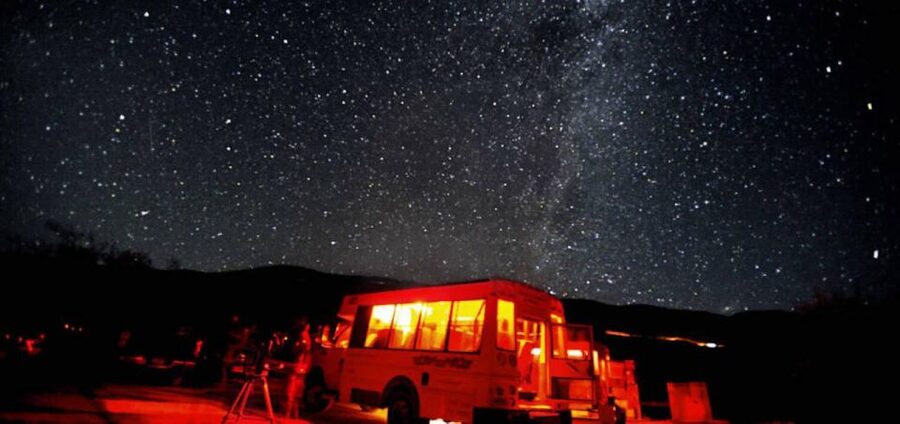
Mauna Kea weather can be unpredictable. Clear skies are the dream, and the tour’s success depends on them. If conditions cooperate, you might catch stand-out celestial objects that go beyond the basics. On one of the featured nights from past guests, the comet Tsuchinshan-ATLAS was visible, which gives you an idea of the kind of sky moments that can happen on the right night.
What you can control is preparation. If you show up in layers and handle the cold, you’ll be comfortable enough to benefit from the sky time even if the night isn’t perfect.
What to pack: warm layers, closed-toe shoes, and water discipline
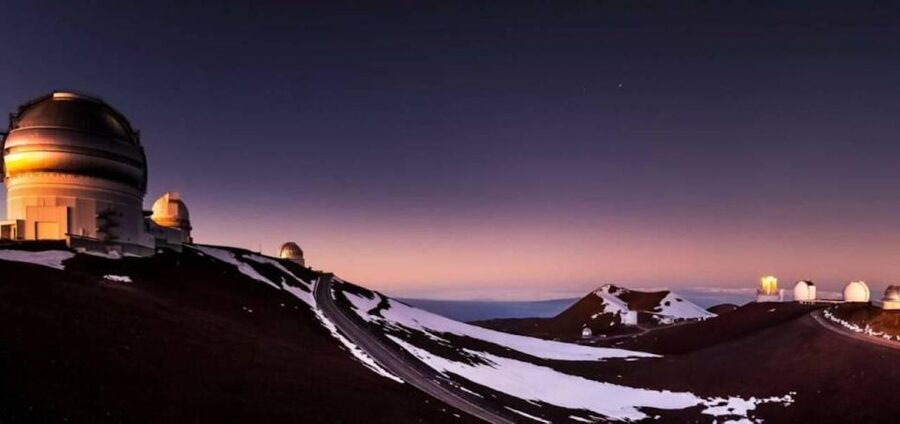
This is a cold-weather outing. Bring warm clothing, long pants, and closed-toe shoes. A reusable water bottle is also on the list, which is smart at elevation.
You’re also told that winter parkas and gloves are provided. Still, don’t treat that as your whole plan. Layers under the provided gear help you stay warm without feeling bulky. A warm hat and a good sweatshirt or sweater make a difference.
Also note what’s not allowed: drones, smoking, alcohol and drugs, open-toed shoes, and climbing. The rules aren’t there to be annoying; they’re part of keeping the area protected and making sure everyone stays safe on a high-elevation, low-visibility night.
If you’re prone to getting chilled quickly, plan for that. Stars are worth it, but you want your body on board.
Price and value: what $329 buys in an 8-hour experience
At $329 per person, you’re paying for a packaged night with logistics that are hard to DIY. You’re not just buying telescope time. You’re buying a guided drive up and down from Kona, a structured timeline with food, and equipment that most people can’t access for this kind of sky.
The biggest value pieces for me are:
- Pickup and drop-off from multiple Kona-area points
- Small group size (limited to 12) so the guide can manage questions and telescope pacing
- The combo of sunset + stargazing + astronomy photography workflow
- Food support—picnic meal, hot cocoa, cookies, and dessert—so you’re not stuck spending money late at night or cutting the experience short
Is it a bargain? No. Is it a fair price for a high-demand night sky location with guided, timed access and included meals? For many people, yes—especially if you hate planning details and want a smooth experience from the first van ride to the last drop-off.
Who should book this Mauna Kea summit trip (and who should skip it)
This tour is built for adults and for people comfortable with elevation and cold. It’s not suitable for children under 13, pregnant women, wheelchair users, and anyone with certain health conditions.
The list to pay attention to includes people with:
- heart problems
- respiratory issues
- a cold
- altitude sickness risk
- high blood pressure
If any of those apply, don’t ignore the fine print. A night at elevation can affect breathing and energy levels fast, and the tour doesn’t market itself as a gentle, slow pace.
On the plus side, this works well if you:
- want a guided approach with clear timing
- like astronomy explanations with a cultural lens
- enjoy structured comfort (warm food, hot drinks) during a night outing
- want photos emailed afterward rather than hoping your camera cooperates
Guide style matters: you might notice differences in communication
The tour runs with a live English-speaking guide, and that’s not a trivial detail on a star night. Astronomy terms move fast, and in the dark it can be harder to catch everything.
Past nights included guides with different teaching styles. Some guests specifically praised guides such as John, Jason, and Jeff for knowledge and patience. If you prefer slower explanation, it can help to learn a few basics ahead of time so you’re not trying to decode everything from scratch while you’re cold and looking up.
In other words: show up curious, and you’ll get more out of the talk.
Should you book Mauna Kea Summit, Stargazing & Dinner?
Book it if you want a guided, well-timed package that combines sunset at the summit with telescope stargazing, plus included warm food and photo results you can share later. The small group size and the fact that you get both telescope viewing and a digital photography pass make this feel like more than a simple bus tour.
Skip it if cold and altitude are already big problems for you, or if your health situation matches the tour’s not-suitable list. Also skip it if you hate schedules. This experience runs on planned windows.
If you’re on the fence, here’s my practical suggestion: decide based on your comfort level with elevation and the night-sky format. If you’re good with that, you’ll likely walk away with a sky memory you can’t replace with any souvenir shop stop.
FAQ
How long is the Mauna Kea Summit, Stargazing & Dinner tour?
The tour duration is 8 hours.
What’s included in the price?
It includes hotel pickup and drop-off, a picnic meal, and hot chocolate.
How many people are in each group?
The group is limited to 12 participants.
Where can I get picked up and dropped off?
Pickup and drop-off are available at several Kona-area locations, including places like Queens’ Marketplace, Waikoloa Plaza, Kona Village Resort, Courtyard by Marriott King Kamehameha’s Kona Beach Hotel, A Rosewood Resort, and Four Seasons Resort Hualalai, plus the Onizuka Visitors Information Station at Maunakea.
What do I need to bring and wear?
Bring a reusable water bottle plus warm clothing, long pants, and closed-toe shoes. Warm socks/leggings and a sweatshirt or sweater are also recommended.
Are winter jackets provided?
Yes. Winter parkas and gloves are provided.
Is there anything I’m not allowed to bring or do?
You’re not allowed drones, alcohol and drugs, smoking, open-toed shoes, or climbing.
What kind of guests is this tour not suitable for?
It’s not suitable for children under 13, pregnant women, wheelchair users, and people with heart problems, respiratory issues, a cold, altitude sickness concerns, or high blood pressure.
Will I get photos from the stargazing?
Yes. Digital images from the digital astro-photography scope are emailed to you.
What’s the cancellation policy if plans change?
You can cancel up to 24 hours in advance for a full refund.
Does the pickup time match the tour start time shown online?
Not always. Your pickup time can be different than the tour start time shown online, so you should contact the operator to confirm your meeting time.