REVIEW · UGANDA
7 Days Rwenzori Summit (Margherita Peak) Hike
Book on Viator →Operated by Trek Rwenzori Tours · Bookable on Viator
Africa’s third-highest climb is pure effort.
This week-long Rwenzori trek takes you up to Margherita Peak in Rwenzori Mountain National Park, moving through rainforests, waterfalls, rivers, and alpine scenery. You’ll have small-group support from expert guides and park rangers, and you’re not left to figure out altitude or routes alone. It’s the kind of hike where your lungs, feet, and senses all get used at once.
I love the practical setup: all hiking gear is included, so you’re not trying to source boots, poles, or cold-weather layers at the last minute. I also like that you get real teamwork on the ground, with guides and rangers handling route decisions and safety pacing as you gain height.
One possible drawback: this is still a high-altitude trek. You need a strong fitness level, and key cold-and-rain protection like rain jackets and high mountain pants aren’t included, so you’ll want to plan your packing carefully.
In This Review
- Key Things I’d Note Before You Commit
- Why Margherita Peak Feels Different Than Regular Hiking
- Price and Value: What $1,435.90 Covers (and Why It Matters)
- Before You Go: Fitness, Weather Reality, and Packing
- Day-by-Day Climb: From Nyakalengija to Margherita Peak and Back
- Day 1: Nyakalengija (1615m) to Nyabitaba Hut (2651m)
- Day 2: Nyabitaba Hut (2651m) to Mubuku River (2600m) and John Matte Hut (3380m)
- Day 3: John Matte Hut (3380m) to Bujuku Hut (3962m)
- Day 4: Bujuku Hut (3977m) to Elena Hut (4541m)
- Day 5: Elena Hut (4541m) to Margherita Peak and Kitandara Hut (4027m)
- Day 6: Kitandara (4027m) to Fresh Field Pass (4282m) to Guy Yeoman Hut (3450m)
- Day 7: Guy Yeoman Hut (3450m) to Nyabitaba Hut (2651m)
- Day 8: Nyabitaba Hut (2651m) to Nyakalengija (1615m)
- Hut Nights: How Overnight Stops Help at High Altitude
- Wildlife, Water, and the “Real” Rwenzori Feel
- Your Guides and Ranger Team: What Support Actually Looks Like
- Who This Trek Is Best For (and Who Should Rethink It)
- Should You Book Trek Rwenzori Tours for Margherita Peak?
- FAQ
- How long is the Rwenzori summit trek to Margherita Peak?
- Where does the trek start and where does it end?
- What time does the tour start?
- What is the maximum group size?
- What’s included in the tour price?
- Do I need to bring my own trekking equipment?
- What is not included?
- Is pickup offered?
- Do I need a strong fitness level?
- What is the cancellation policy?
Key Things I’d Note Before You Commit
- Small group size (max 15): more attention from guides and easier pace management.
- Summit-ready route pacing: built for 7–8 days for most trekkers, with time to acclimatize.
- Gear and hut accommodation included: you’re trekking, not managing logistics every day.
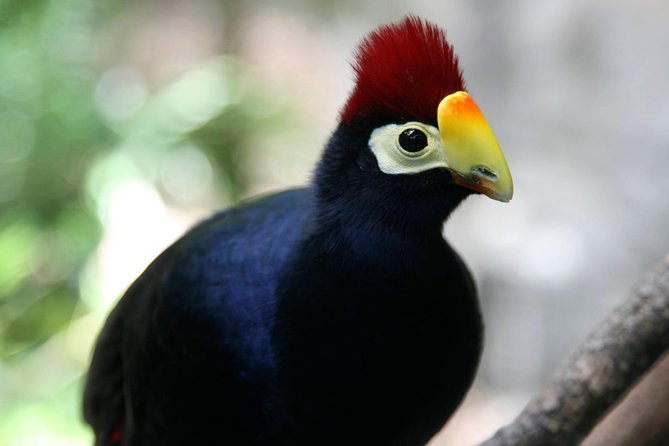
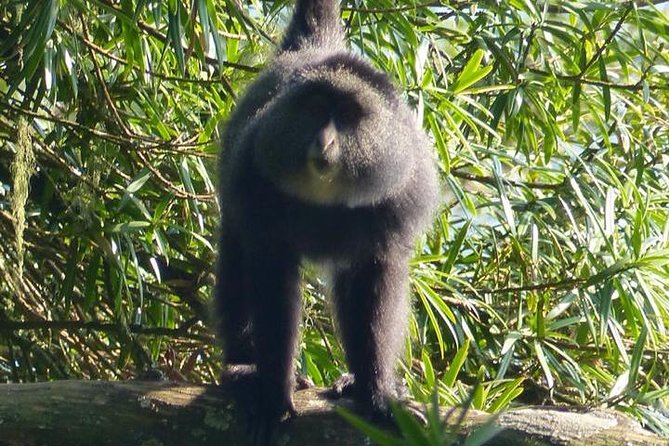
- Wildlife on the trail: you may spot blue monkeys and the endemic three-horned chameleon.
- High passes and major peaks: expect serious climbing and big altitude changes, not a casual walk.
Why Margherita Peak Feels Different Than Regular Hiking
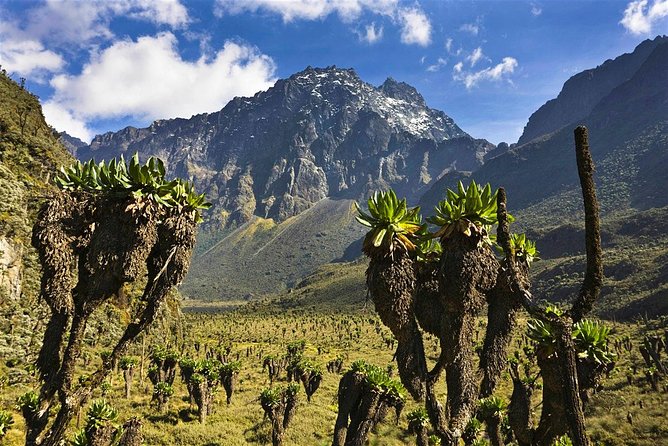
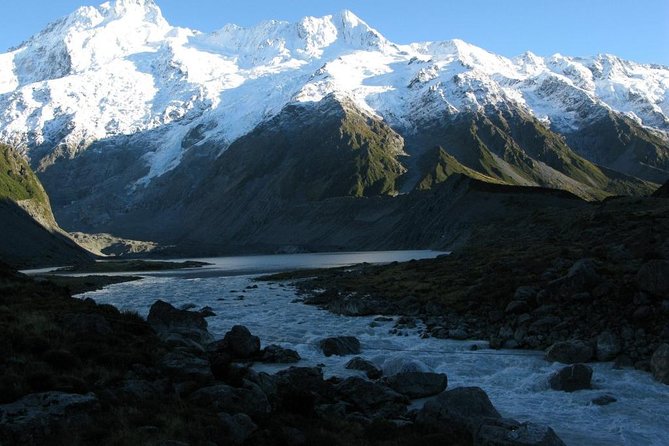
The Rwenzori Mountains aren’t a walk-up mountain. They’re wet, wild, and steep—and that mix is what makes the trek feel so special. Going from around 1,615m at Nyakalengija to above 4,500m at Elena Hut means you’ll experience multiple “worlds” in one trip: rainforest trails, river crossings, and then colder, higher zones near the summit push.
One of the best parts is that the hike is built around sustained effort, not a single dramatic day. You’re climbing through intermediate peaks and pass sections over several days, which helps you feel the mountain rather than just “arrive at the top.” And because it’s a guided trek inside a national park, you’re more likely to see the natural details—animals and plant life—than if you were wandering on your own.
You can also read our reviews of more hiking tours in Uganda
Price and Value: What $1,435.90 Covers (and Why It Matters)
At $1,435.90 per person, this is not a budget “weekend hike.” The value is that the essentials of a serious mountain trip are handled for you. You get national park entrance fees for the trek length (7–8 days), your meals (breakfast, lunch, dinner), bottled water, expert guides and park rangers, and overnight hut accommodation.
You also get the thing that usually makes trips like this expensive for DIY travelers: all hiking gear is included. When you compare this to trying to rent or buy trekking equipment locally (plus arranging permits, guides, and hut logistics), the price starts to look more like “a complete mountain service” than a simple guided walk.
What’s not included is also clear, and you should treat that as part of your budgeting. You’ll still pay for insurance, tips, visa(s), and flight tickets, and you’ll need to bring or arrange rain jackets and high mountain pants. If those items are missing from your pack, the trip can get uncomfortable fast.
Before You Go: Fitness, Weather Reality, and Packing
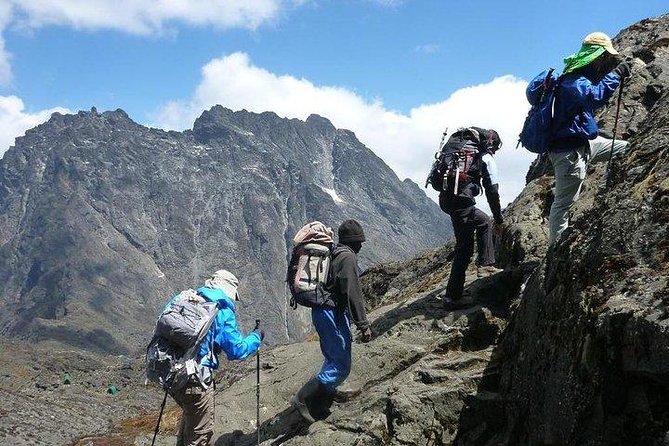
This trek is listed for travelers with a strong physical fitness level. That’s not marketing talk—it’s because you’re repeatedly gaining altitude across multiple days and then descending again. Even if you’re an experienced hiker, Rwenzori asks for steady pacing and good decision-making on rough ground.
Weather is part of the equation here. One past trek described hiking in the rainy season and crediting skilled guidance for making it through conditions like navigation on a snow plateau area. You shouldn’t assume every day will be perfect; you should assume wet, slick, or cold moments can happen and that your guides will manage risk.
For packing, keep it simple and honest:
- Rain jacket: not included
- High mountain pants: not included
- Insurance, tips, visa, flights: not included
- You’ll have other hiking gear provided as part of the tour
Also, note the practical logistics: the start is at Trek Rwenzori Tours in Fort Portal, start time is 8:00 am, and pickup is offered. The meeting point is near public transportation, which helps if you’re arriving independently.
Day-by-Day Climb: From Nyakalengija to Margherita Peak and Back
What I like about the day-by-day structure is how it balances effort and altitude. You’re not just grinding upward; you’re resting where it makes sense and using hut nights to recover and eat.
Day 1: Nyakalengija (1615m) to Nyabitaba Hut (2651m)
You start at Nyakalengija (1,615m) and climb to Nyabitaba Hut (2,651m). This is your first altitude shock. The win here is that the day gives you immediate acclimatization time by getting you into hut routines early.
The downside is that Day 1 can feel busy on the body. Even if the trail is “just the first day,” it’s a big height jump, so go slow and let your breathing find a rhythm.
Day 2: Nyabitaba Hut (2651m) to Mubuku River (2600m) and John Matte Hut (3380m)
Day 2 drops you slightly toward Mubuku River (2,600m) and then pushes you up to John Matte Hut (3,380m). That river-side movement matters because it often changes the ground conditions—more moisture, more careful footing—before you climb again.
By the time you reach John Matte Hut, you’re in a new altitude tier. This is where pacing becomes more important than speed, and where guide support really pays off.
Day 3: John Matte Hut (3380m) to Bujuku Hut (3962m)
You climb to Bujuku Hut (3,962m). This is the kind of day where your legs may feel fine but your breathing changes. It’s also a day that tends to “wake up” your sense of altitude.
The practical consideration: at this height, discomfort comes from slow things—stamina, hydration, and breathing. The guides and rangers help you manage that, especially when trail conditions turn tricky.
Day 4: Bujuku Hut (3977m) to Elena Hut (4541m)
Day 4 is a major altitude jump to Elena Hut (4,541m). This is where the trek starts to feel truly alpine. It’s also one of the days that makes the 7–8 day structure matter, because you need time for your body to adjust.
A caution here: if you rush, the altitude punishes you. If you follow the pace your team sets, you’ll likely feel more stable by the next days.
Day 5: Elena Hut (4541m) to Margherita Peak and Kitandara Hut (4027m)
This is the summit day. You’re going from Elena Hut (4,541m) up to Margherita Peak, then down to Kitandara Hut (4,027m).
Expect the hardest effort of the trek, not only because of the elevation, but because summit pushes often include rough, slippery, or snow-affected terrain in cold seasons. One trek account specifically mentioned skilled guidance for navigating a snow plateau area during rainy-season conditions, which matches the kind of risk you should assume exists.
The good news: once you’re done, the drop to Kitandara Hut gives your body a chance to recover. That makes Day 6 more doable.
Day 6: Kitandara (4027m) to Fresh Field Pass (4282m) to Guy Yeoman Hut (3450m)
You go over Fresh Field Pass (4,282m) and then descend to Guy Yeoman Hut (3,450m). This day is a reminder that summiting isn’t the whole story. You still have a high pass to work through before settling lower again.
The challenge is managing energy: you’ve already climbed high once. Now you have to stay steady through the pass and then actually enjoy the descent instead of burning out halfway.
Day 7: Guy Yeoman Hut (3450m) to Nyabitaba Hut (2651m)
You drop from 3,450m back to Nyabitaba Hut (2,651m). This kind of day often feels good mentally because you’re lower, but it can be tough physically on the knees and shins.
The smart move is to keep your stride short and controlled. Your guides will help with timing and pacing, and you’ll still get hut recovery plus the meals and water included for the week.
Day 8: Nyabitaba Hut (2651m) to Nyakalengija (1615m)
The trek ends with another descent to Nyakalengija (1,615m). Think of this as your legs’ final exam: you want to finish strong, not sprint out of relief.
Even on a lower altitude day, you’ll feel the cumulative effect of several big climbs. The upside is that after reaching base again, the trip’s entire arc—rainforest entry, alpine climb, summit achievement, and return—hits all at once.
Hut Nights: How Overnight Stops Help at High Altitude
Hut accommodation is included, and that’s a big deal on a mountain like this. It means you’re not trying to negotiate sleeping arrangements, buy last-minute supplies, or guess how you’ll handle weather overnight.
It also supports your acclimatization. You can eat properly, drink the provided water, and reset daily routines with the same team. When you’re dealing with altitude, routines matter, and that stability helps you stay focused on walking well.
Wildlife, Water, and the “Real” Rwenzori Feel
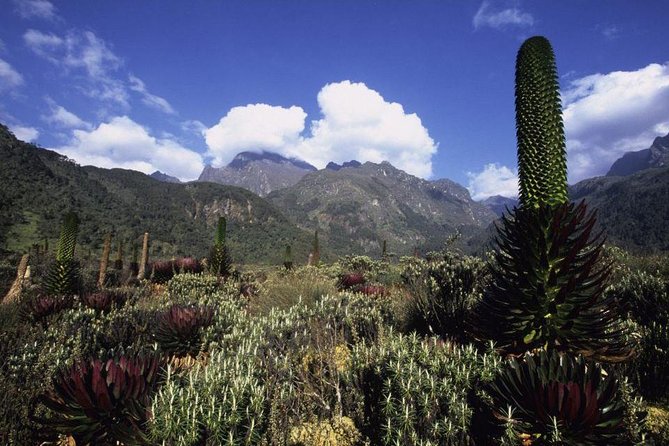
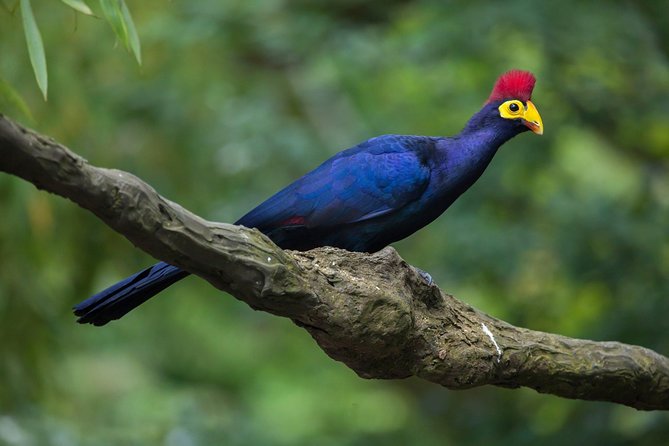
Rwenzori is famous for its unusual ecology—and this trek gives you time to experience it at multiple elevations. The tour describes unique flora and fauna along the way, including blue monkeys and three-horned chameleons. One trek description also specifically highlighted seeing an endemic three-horned chameleon, which tells you this isn’t just a brochure promise.
You’ll also pass through areas shaped by water: rainforests, waterfalls, and rivers. Those features aren’t decorative. They affect the trail surface, the air feel, and the way you dress. If you take care with your footing and stay hydrated, those wet ecosystems are part of the payoff.
Finally, the higher zones can include dramatic changes in what you see—reports mention things like remaining glaciers and alpine lakes. Even if every view day isn’t identical, you should expect a real shift into colder, higher scenery on the upper half of the trek.
Your Guides and Ranger Team: What Support Actually Looks Like
This trek isn’t just guided in the sense of pointing the way. It includes expert guides and park rangers, and that matters because altitude problems and bad weather can become safety issues quickly.
Past hikers specifically praised world-class guides and credited skilled decisions for tough conditions, including rainy-season challenges and navigation through higher areas. Names that show up in participant stories include Emmanuel (sometimes written as Emma), plus guides such as Enoch and John. That’s a good sign for continuity and professionalism because you’re not relying on a rotating, unfamiliar cast.
Another practical plus: communication seems strong. One review described being received in transit and handled from airport to hotel, and that level of coordination reduces stress before you ever reach the trail.
Who This Trek Is Best For (and Who Should Rethink It)
This is a strong choice if you:
- want a small-group summit trek with real support on the trail
- like structure—meals, water, hut stays, and gear handled for you
- have the fitness to handle repeated altitude changes from about 1,600m to 4,500m
It’s not the best fit if you:
- want an easy hike or a casual day walk
- don’t plan to handle cold, rain, and high-altitude fatigue (since key clothing is not included)
- can’t commit to steady pacing and careful footing
If you’re a seasoned hiker, you might be able to finish faster than the standard pace. The program notes that very experienced hikers can sometimes do it in 6–7 days, but for most people, the schedule is set to finish in 7–8 days with acclimatization time.
Should You Book Trek Rwenzori Tours for Margherita Peak?
I’d book this trek if you want a serious Rwenzori summit experience with the logistics handled and a team built for safety and pacing. The value proposition is strong: park fees, meals, bottled water, hut accommodation, rangers, guides, and your trekking gear are all included.
Just don’t treat it like a vacation hike. Bring what’s missing—rain jacket and high mountain pants—and be honest about your fitness. If you do that, you’re setting yourself up for a mountain trek that’s equal parts demanding and rewarding, with wildlife sightings, dramatic altitude scenery, and a real shot at Margherita Peak.
FAQ
How long is the Rwenzori summit trek to Margherita Peak?
It takes about 7 days (around 7–8 days to complete). Very experienced hikers may do it in 6–7 days.
Where does the trek start and where does it end?
It starts at trek rwenzori tours | gorilla trekking | rwenzori trekking | safaris uganda on Rukidi III St, Fort Portal, Uganda and ends back at the same meeting point.
What time does the tour start?
The start time is 8:00 am.
What is the maximum group size?
The group size has a maximum of 15 travelers.
What’s included in the tour price?
Included are national park entrance fees for 7–8 days, breakfast, lunch, dinner, bottled water, expert guides and park rangers, overnight hut accommodation, and all hiking gear.
Do I need to bring my own trekking equipment?
No. All hiking gear is included, so you do not need to bring your own trekking equipment.
What is not included?
Not included are insurance, tips, visa(s), and flight tickets. Also, rain jackets and high mountain pants are not included.
Is pickup offered?
Yes, pickup is offered.
Do I need a strong fitness level?
Yes. Travelers should have a strong physical fitness level.
What is the cancellation policy?
You can cancel for a full refund if you cancel up to 24 hours in advance. If you cancel less than 24 hours before the experience’s start time, it won’t be refunded.
If you want, tell me your hiking background (how many multi-day hikes you’ve done and your altitude comfort), and I’ll help you sanity-check whether the 7–8 day pacing fits you.