REVIEW · ANCHORAGE
Winter Valley and Forest Hike
Book on Viator →Operated by Go Hike Alaska · Bookable on Viator
Ice, trees, and a real waterfall in winter. I love the Chugach State Park winter trails along the Eagle River and the real wildlife potential, from moose to the American Dipper. I also love that the hike finishes at Barbara Falls with ice dams and photo-friendly details. One possible drawback: this isn’t a stroll through town—you need solid winter footing and enough stamina for hilly snow terrain.
This is a small-group guided walk (up to 12 people) that starts at the William A. Egan Civic & Convention Center at 10:00 am. I’ve heard guides like Leah and Greg make the time fly by pointing out winter plants, edible surprises, and neat animal clues as you go. If you show up prepared, you get a fun mix of forest quiet and waterfall drama without a complicated plan.
In This Review
- Key highlights I’d plan around
- Eagle River Nature Center: the winter forest hike that actually feels wild
- Wildlife odds in winter: what you might see (and why winter helps)
- Walking on Eagle River: the cool possibility you shouldn’t count on
- Barbara Falls: the short walk that delivers big ice drama
- Price and value: what you get for $179
- Gear check: traction, poles, and the part people forget
- Fitness reality: moderate level, but snow makes it harder
- Timing and meeting point: start at 10:00 am, plan for a full morning
- What guides do differently: plants, edible finds, and animal clues
- Who should book this winter valley and forest hike?
- Weather and “run it by conditions” reality
- Should you book this Anchorage winter hike?
- FAQ
- Where does the hike start and when?
- How long is the Winter Valley and Forest Hike?
- What parts of the experience are included?
- What gear does the tour provide?
- What should I bring?
- Are snow shoes or special traction required?
- How fit do I need to be?
- Who can’t do this hike?
- What wildlife might we see?
- Is the tour available in English and how many people are in a group?
Key highlights I’d plan around
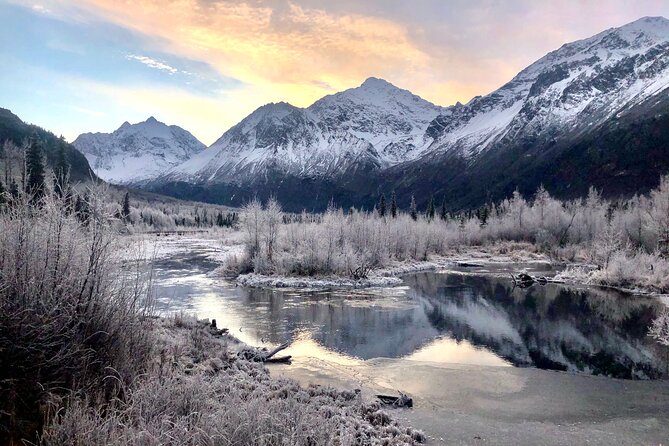
- Eagle River forest trails near Eagle River Nature Center: snowy spruce, wildlife spotting chances, and even the possibility of walking on top of Eagle River when it’s frozen.
- American Dipper and geothermal-warmed water: you might spot a bird swimming in a tributary that stays open in winter.
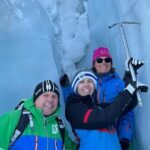
- Barbara Falls as the big payoff: a short walk to see ice formations, ice-crystal shimmer, and water flowing behind the frozen edges.
- Small group feel (max 12): more guide attention and easier pacing than crowded tours.
- Winter gear support: trekking poles included, micro-spikes if needed, plus snow gaiters available on request.
- Guides who connect the dots: from winter plant spotting to animal signs like beaver lodges and fresh tracks.
Eagle River Nature Center: the winter forest hike that actually feels wild
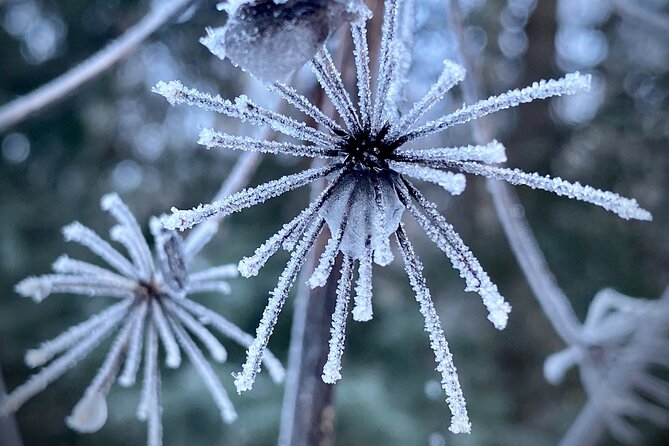
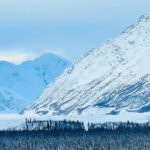
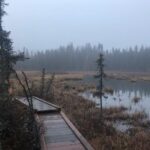
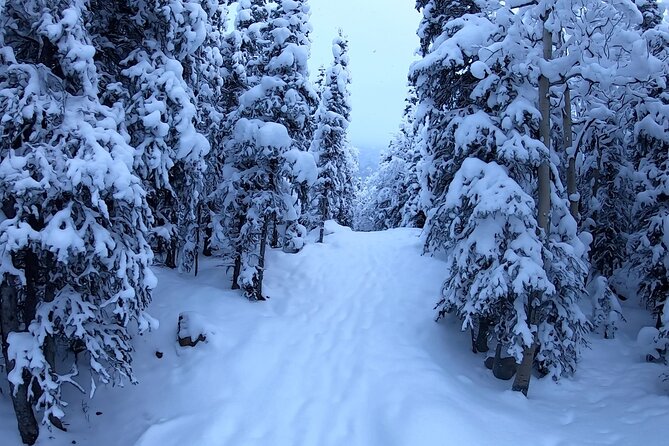
The experience starts in Anchorage and gets you into Chugach State Park fast. After about an hour of transportation time, you’ll spend around four hours hiking through snow-covered forest trails around the Eagle River Nature Center area. This is the kind of winter outing where the air feels sharper and the sounds change—your footsteps become the loudest thing, until you hear something else.
What makes this section special is that it’s not only about views. It’s about movement through a real winter system: spruce trees heavy with snow, quiet bends in the trail, and enough natural variety that you can stay engaged even when the weather is flat or foggy.
You’ll likely follow paths where the terrain can be uneven and sometimes steep. The tour is built for people who can walk close to what feels like 4 hours of winter effort—no heroics required, but you do need a steady pace and good balance.
You can also read our reviews of more hiking tours in Anchorage
Wildlife odds in winter: what you might see (and why winter helps)
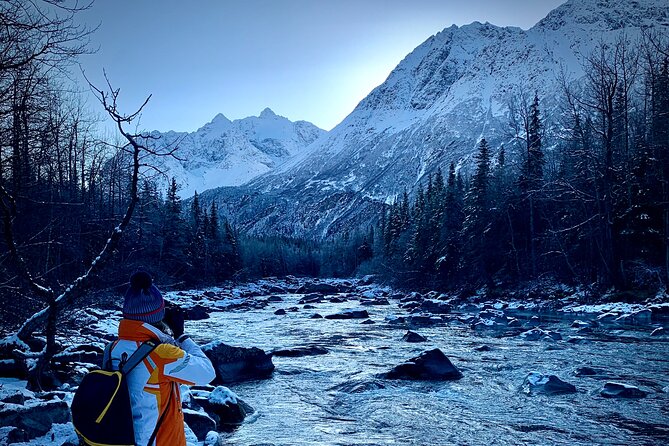
You go into the Eagle River area with a wildlife mindset, and that’s half the fun. The guide looks for signs and opportunities to spot animals along the river corridors and forest edges. In winter, motion stands out: a dark figure moving between white trees, tracks pressed into snow, or a bird working the edges of water.
Here’s what you might have a shot at seeing:
- Moose along the wider river spaces or forest margins
- Small mammals like snowshoe hare and red fox
- Even the occasional porcupine
- A bird called the American Dipper, which can be seen swimming in an unfrozen tributary warmed by geothermal heat
That geothermal detail matters because it explains why you might spot activity in places that look frozen. It also gives you a reason to pause and look closely at the waterline instead of just scanning for distant silhouettes.
The guides also bring the story down to a personal level by pointing out animal clues—like beaver structures. In at least one recent outing, guests got to see a new beaver lodge, which is the kind of winter scene that makes you feel like you’re reading the landscape instead of just watching it.
Walking on Eagle River: the cool possibility you shouldn’t count on
One of the standout possibilities here is hiking on top of Eagle River if the ice is frozen solid enough. That’s an experience you’ll remember because it changes your whole sense of place—you’re walking where the water usually runs.
But it’s a condition-based moment. You’ll only do it if conditions allow, and winter rules the final call. The guide will guide the group based on what’s safe that day, not what sounds fun on paper.
This is why winter footwear and traction matter so much, even for an otherwise moderate hike. You don’t want to get stuck fighting your boots. You want to focus on the scenery and spotting wildlife.
Barbara Falls: the short walk that delivers big ice drama
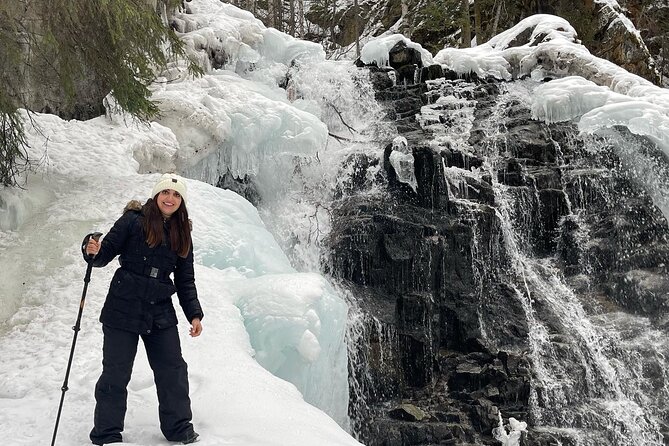
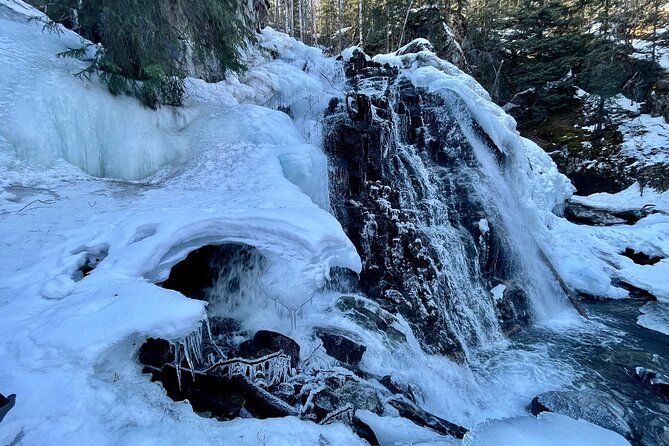
After the forest portion, you’ll take a short ride to Barbara Falls, widely known for its dramatic winter ice. The hike here is short—about a half mile walk—but it’s packed with visual payoff.
Think ice dams, shimmering snow crystals, and water moving in ways that look almost sculpted. This is also where “point-and-shoot” photography gets easier because you’re not walking for long stretches while chasing shots. There’s time to stop, frame, and admire the details.
Most importantly, Barbara Falls is a “finish with a smile” location. One reason this tour gets such strong marks is that people feel like the last segment is worth it, not just an extra stop.
If you’ve got winter fatigue, this part helps. The effort drops, the scenery ramps up, and you get that feeling of you really earned it.
Price and value: what you get for $179
At $179 per person for about 5 hours total, you’re paying for guided winter access, time in two signature Chugach State Park areas, and some gear support that helps keep you safe and comfortable.
What’s included:
- Trekking poles (useful on snow and on uneven footing)
- Snacks: a granola bar, an apple, and a cheese stick
- Snow gaiters available upon request
- Micro-spikes if needed
What you provide yourself:
- Snowboots or high-top hiking shoes
- Appropriate winter clothing and footwear (this is on you)
I think this price makes sense when you compare it to the real cost of doing winter hiking right. Winter hikes aren’t just “go for a walk.” You need traction, warmth, and a guide who knows where to look—especially in a place where wildlife and water conditions can change.
Also, the group stays small (max 12), which usually means better pacing and more time spent outdoors instead of waiting around.
A few more Anchorage tours and experiences worth a look
Gear check: traction, poles, and the part people forget
If you remember one thing, make it this: winter comfort is safety. The tour can provide micro-spikes if needed and trekking poles, but you still control the baseline. If your boots are low-traction, you’ll spend the hike thinking about your footing instead of enjoying the snow scene.
Bring or wear:
- Boots suitable for snow (snowboots or high-top hiking shoes are required)
- Warm layers you can move in
- Clothing that handles cold conditions for several hours
If you tend to run cold, plan for it. The tour doesn’t include a clothing solution; it includes the adventure.
If you requested them ahead of time, you may also get snow gaiters. That’s a practical item for keeping snow out of your boots and reducing that damp-cold feeling later on.
Fitness reality: moderate level, but snow makes it harder
The physical requirement is described clearly: you should have moderate physical fitness. The guide expects you to be able to walk about 7 miles on flat pavement or about 5 miles over uneven rolling terrain during roughly 4 hours of walking. Some sections can be steep and hilly, which increases stress compared to easy flat ground.
This hike isn’t a “stroll.” Snow adds resistance and uneven footing adds balance work. Even if you’re capable on paper, winter can tax you faster—especially if you’re not used to traction walking.
It’s also not recommended for people with cardiac or respiratory issues/illness. And if you have severe joint issues, it may be difficult. If you’re on the fence, consider choosing a gentler winter option or ask the provider before booking.
Timing and meeting point: start at 10:00 am, plan for a full morning
The hike starts at 10:00 am at the William A. Egan Civic & Convention Center, 555 W 5th Ave, Anchorage. The activity ends back at the meeting point, so you get a clean loop.
The whole experience runs about 5 hours total, with roughly 1 hour of transportation and about 4 hours hiking. That matters because you’ll want to eat before you go and dress like you’re heading outside for a long winter block.
No hotel pickup happens. You’ll need to meet at the designated spot or make your own way to the trailhead as required. For day-planners, this is actually nice: you don’t have to coordinate a pickup window with luggage and schedules.
Group size stays limited (max 12), so you’re not stuck in a giant line waiting for the guide to herd everyone.
What guides do differently: plants, edible finds, and animal clues
One of the most praised parts of this tour is the guidance style—calm, friendly, and full of specifics. Guides like Leah and Greg focus on reading the winter world. That includes pointing out winter plants and edible possibilities that still show up even when everything looks dormant.
For example, one outing included trying wild highbush cranberries while hiking. That’s not something you’d stumble upon alone in snow, and it’s exactly the kind of detail that turns a walk into a lesson you’ll remember.
Guides also look for animal signs you’d miss—like a beaver lodge—and help you connect what you’re seeing to how the river and forest function in winter. This is one reason the hike feels more meaningful than just getting out for exercise.
Who should book this winter valley and forest hike?
This is a great fit if you want:
- A guided winter hike in Chugach State Park without planning trail logistics
- A chance for wildlife spotting and winter water details
- A tour that doesn’t drag on in one place, since you get forest hiking plus the Barbara Falls payoff
You might skip it if:
- You hate cold, uneven walking, and traction-focused prep
- You have health conditions that make moderate exertion risky
- You don’t have proper winter boots and clothing ready
If you’re visiting Anchorage and want an outdoor experience that feels very Alaska—without needing special technical skills—this is a strong option.
Weather and “run it by conditions” reality
This outing depends on good weather. If conditions are poor, the provider offers a different date or a full refund. That’s important for winter in Alaska, where fog, snow, and ice conditions can change quickly.
It’s also worth knowing that guides can adapt the timing to what matters most outdoors. In one recent experience, a guide allowed extra time so the group could still see Barbara Falls properly. That flexibility makes a real difference when you’re trying to time photography and viewpoints in winter daylight.
Should you book this Anchorage winter hike?
I’d book this tour if you want an efficient “best-of” winter day: Eagle River forest hiking plus Barbara Falls in one morning, guided by people who pay attention to both wildlife and winter plants. The value isn’t just the scenery—it’s having micro-spikes and trekking poles on board when needed, and getting someone to point out what you’d otherwise miss.
I’d hesitate if your winter gear is weak or if you need flat, easy walking. Snow changes everything. And the tour expects you can handle uneven, sometimes steep terrain for several hours.
If you’re prepared—boots, layers, traction—and you like the idea of learning the winter details while you walk, this is exactly the kind of Anchorage day that makes the trip feel real.
FAQ
Where does the hike start and when?
It starts at the William A. Egan Civic & Convention Center, 555 W 5th Ave, Anchorage, AK 99501 at 10:00 am. The tour ends back at the meeting point.
How long is the Winter Valley and Forest Hike?
Plan for about 5 hours total. It includes about 1 hour of transportation and around 4 hours of hiking.
What parts of the experience are included?
You’ll hike in the Eagle River Nature Center area in Chugach State Park, then you’ll head to Barbara Falls for a short walk with ice formations and water features.
What gear does the tour provide?
The tour includes trekking poles and snacks. It also provides micro-spikes if needed, and snow gaiters are available upon request.
What should I bring?
You’re responsible for winter clothing and footwear. The tour specifically notes you should have snowboots or high-top hiking shoes.
Are snow shoes or special traction required?
Micro-spikes are provided if needed, and snow gaiters can be available on request. You still need appropriate footwear that works in snow.
How fit do I need to be?
The tour expects moderate fitness. You should be able to walk about 7 miles on flat pavement or about 5 miles over uneven rolling terrain across roughly 4 hours, with some steep and hilly sections.
Who can’t do this hike?
It’s not recommended for those with cardiac or respiratory issues/illness, and it may be difficult for those with severe joint issues.
What wildlife might we see?
The tour description includes potential sightings like moose, snowshoe hare, red fox, and porcupine, and it mentions the American Dipper swimming in an unfrozen geothermal-warmed tributary.
Is the tour available in English and how many people are in a group?
The tour is offered in English and has a maximum group size of 12. Service animals are allowed.