REVIEW · TONGARIRO ALPINE CROSSING
Tongariro Alpine Crossing: Premium Guided Hike
Book on GetYourGuide →Operated by Adrift Tongariro Guiding · Bookable on GetYourGuide
Tongariro is a volcano walk with real stakes. You’re moving between Mt. Ngauruhoe and Mt. Tongariro past craters and the Blue and Emerald Lakes, with your route adjusted for what the weather and safety team needs that day. I like that the experience pairs big scenery with bush walking, and that you’re not just dropped on a trail with a map. A key consideration: finishing points can change, and reaching the Ketatahi end is not guaranteed in every weather scenario.
The best part for me is how much attention goes into “doing it right,” not just “doing it.” You get a trained guide, transport from the Adrift Tongariro base, and you’ll have crampons and ice axes if winter conditions require them. You should still treat this as a serious, physically demanding hike—roughly an 8-hour guided walking day—especially if the descent is slippery or windy.
If you want the Crossing experience, this is one of those days where the guide can make the difference between tough and brutal. In bad weather, they may modify the route and pace, and you’ll be safer for that planning—even if you don’t get every single spot in the exact order you had hoped.
In This Review
- Key Things I Think You’ll Care About
- Volcanic Walking Day: Why the Tongariro Alpine Crossing Feels Like a Proper Adventure
- The Route You’ll Follow: Craters, Lakes, and the Big Volcano Names
- How the Day Works: Meeting at 53 Carroll Street and Moving Efficiently
- Weather Changes Everything: Summer Views, Winter Ice, and Route Adjustments
- What Your Guide Actually Does (Beyond Pointing): Safety, Culture, and Calm Support
- Gear, Clothing Hire, and Your Packing Checklist That Actually Makes Sense
- Price and Value: Is $254 Worth It for a 1-Day Crossing?
- Who This Works Best For (And Who Should Rethink It)
- Should You Book the Tongariro Alpine Crossing with Adrift?
- FAQ
- Where does the tour meet?
- How long is the guided hike?
- Is lunch included?
- Is the Ketatahi end guaranteed?
- Do I need alpine experience?
- Will I get crampons and ice axes?
- What should I bring in summer?
- What should I bring in winter?
- Is return transport from Taupo, Turangi, or Whakapapa included?
Key Things I Think You’ll Care About
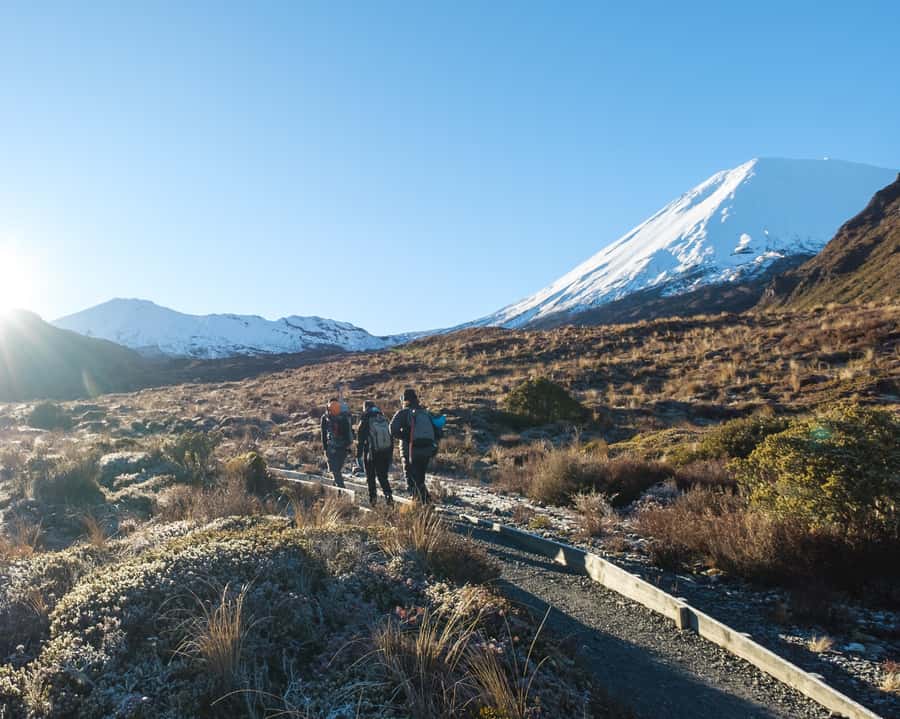
- Volcanic terrain focus: craters with different mineral colors and textures, plus the Blue and Emerald Lakes
- Guides who adapt: routes can change with wind, ice, and hypothermia risk, so you’re not blindly committed to one line on one day
- Winter gear support: crampons and ice axes supplied if required for conditions
- Not every crossing is identical: the Ketatahi end is not guaranteed, and gorge crossings can depend on wind
- Service that goes beyond the basics: multiple guides are praised for calm support when conditions or individuals don’t go as planned
Volcanic Walking Day: Why the Tongariro Alpine Crossing Feels Like a Proper Adventure
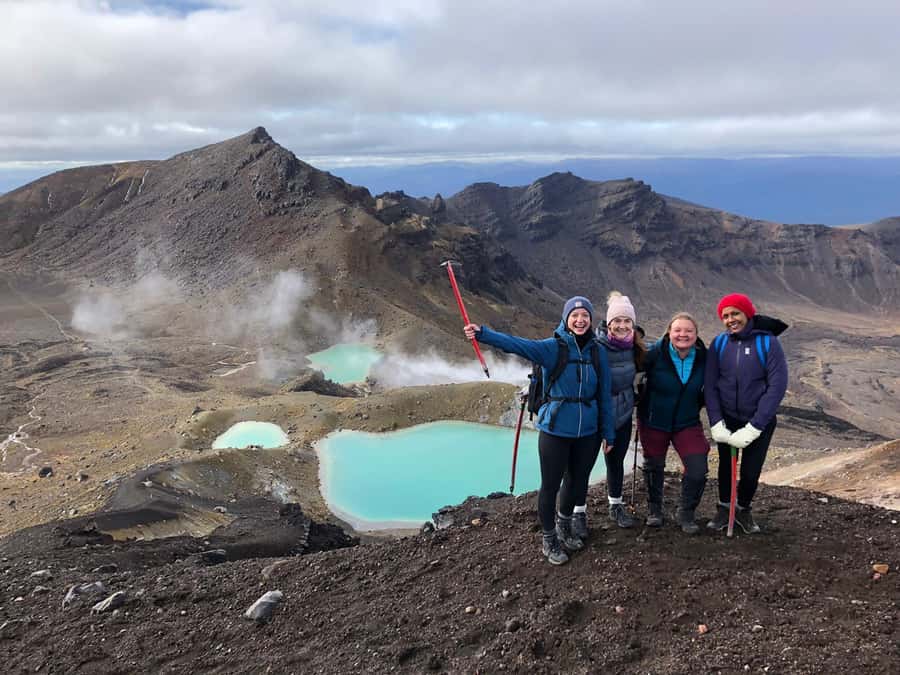
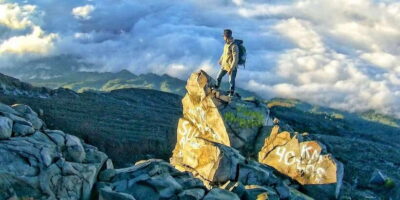
This hike is famous for a reason: you’re walking across a volcanic world that looks sculpted by chemistry and time. You’ll pass areas shaped by different eruptive periods—so colors and rock textures shift as you go. The combination of crater terrain, mountain springs, and the famous lakes is exactly the kind of one-day experience that can’t be faked with a photo alone.
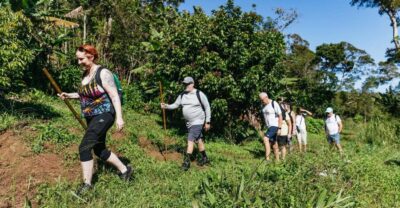
I like the balance here: yes, you’re chasing dramatic red craters and classic vistas, but you’re also spending time in New Zealand native bush. That matters. It gives your legs and your mind a break from the stark volcanic ground, and it makes the day feel more like a journey than a single long stunt.
One more thing: you don’t need to be an expert mountaineer. This is still demanding, but it’s built around guided instruction and day-of training—so you’re not expected to already know how to move on ice or how to manage wind exposure on your own.
The Route You’ll Follow: Craters, Lakes, and the Big Volcano Names
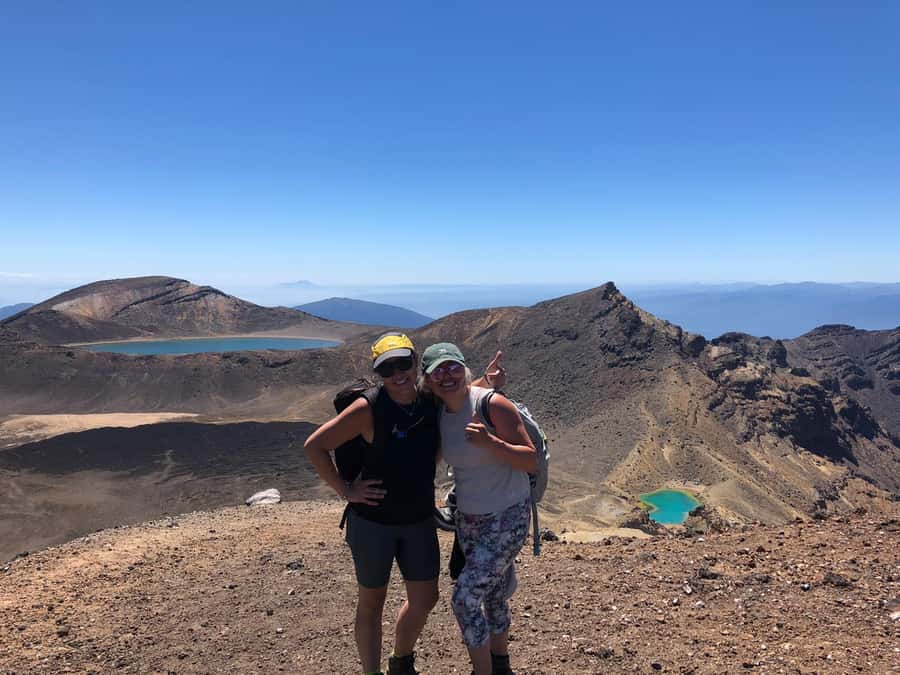
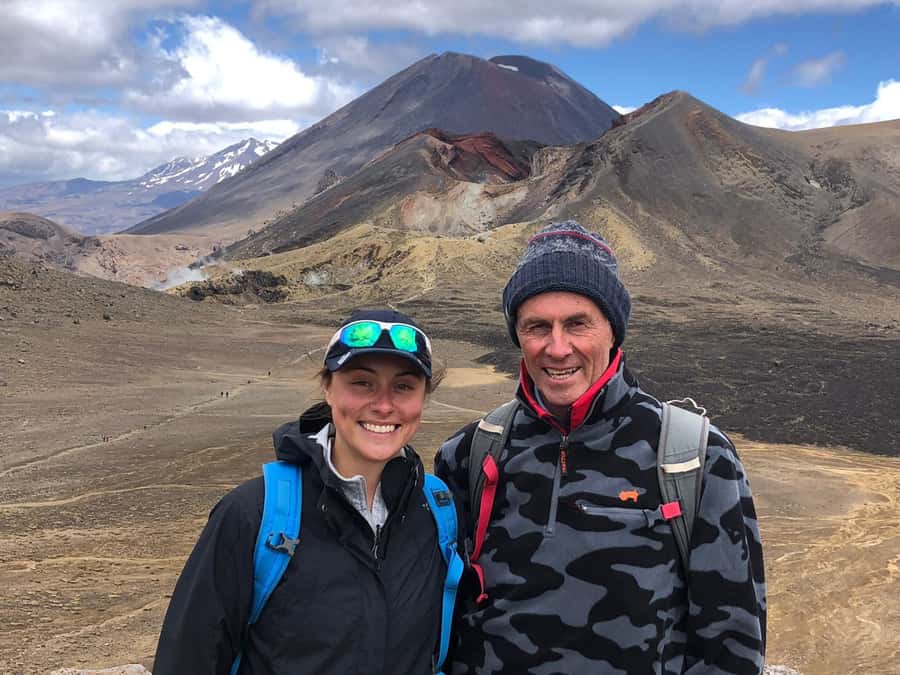
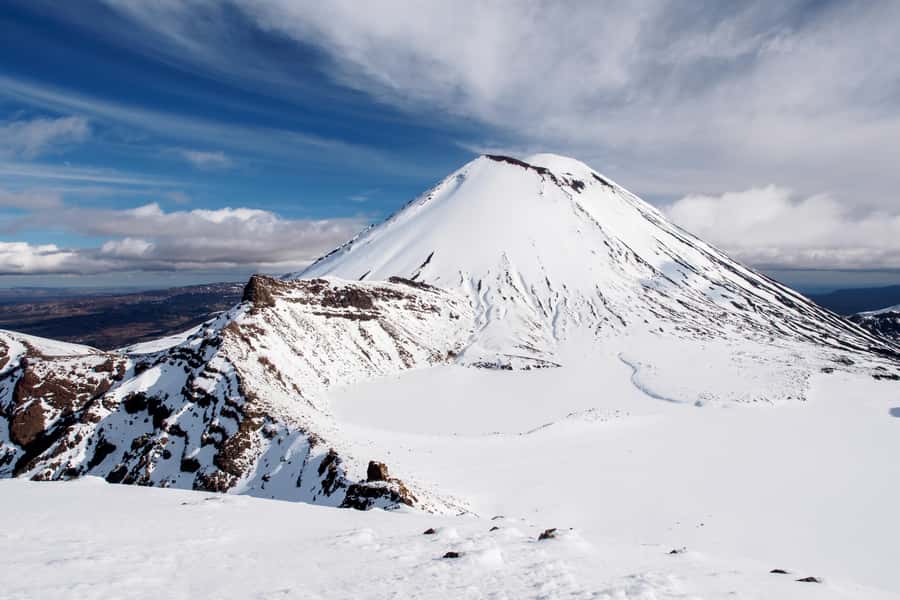
You’re set up to walk between Mt. Ngauruhoe and Mt. Tongariro, two of the headline volcanoes in the region. Expect a route that keeps changing character: volcanic rock underfoot, areas with mineral deposits giving that unusual color palette, and pockets of geology that explain what you’re seeing as you move.
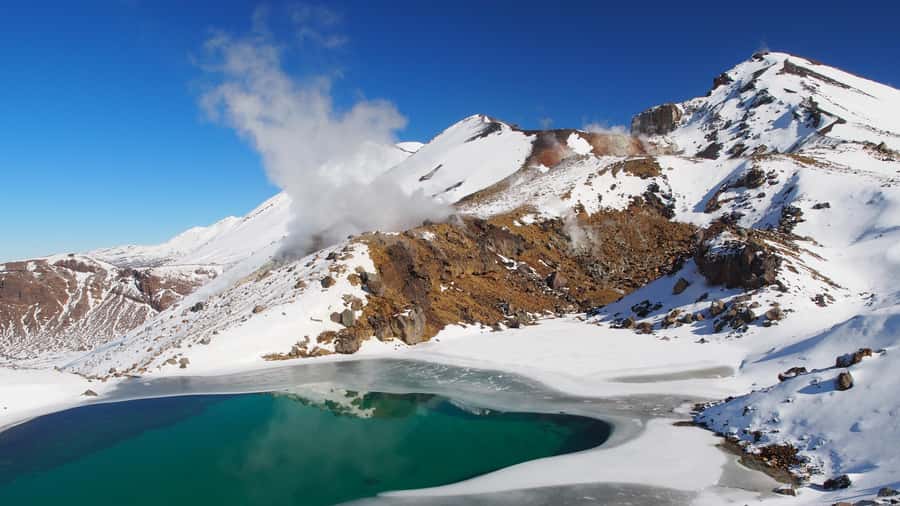
The crater areas are the heart of the visual drama. The day is described as being peppered with craters that have been active at different times, which is why you’ll see different shapes and colored sections rather than one uniform look. Along the way, you’ll also encounter mountain springs—small but important details, because they reinforce that this terrain isn’t just dead rock; it’s a living system in motion.
Then come the lakes. The Emerald Lakes and Blue Lake are a big reason people call this New Zealand’s best 1-day hike. The colors aren’t just pretty; they’re tied to mineral content and the volcanic setting. If you’re the type who likes understanding what you’re looking at (not only taking it in), having a guide make the connections as you walk is a real win.
You’ll also be moving with recognizable peaks in view, including Mt Ruapehu. On a clear day, that’s your mental map. Even when the weather turns, the route still ties back to these mountains so you feel oriented.
How the Day Works: Meeting at 53 Carroll Street and Moving Efficiently
Your day begins at 53 Carroll Street, at the Adrift Tongariro base and shop. From there, you take a van ride—about 25 minutes—to the start area. That sounds minor, but it’s practical. It reduces hassle on your end and keeps you from spending precious energy figuring out logistics instead of saving it for the hike.
The guided portion is listed as 8 hours on the trail, wrapped into a total day length of 9 hours. In real terms, that means you’ll need to think like an all-day hiker, not a casual walker. You’ll likely have stops for viewpoints, guidance, and pacing checks, but the main engine of the day is continuous movement across volcanic ground.
Pacing is where guided tours can feel like real value. In the feedback, multiple guides are praised for keeping groups moving, motivating people, and giving test stops. That matters because the Crossing is often less about raw speed and more about managing fatigue, especially on the later descent.
One caution: finishing depends on the conditions. Your information notes that reaching the Ketatahi end is not guaranteed, and the exact route can be secured differently due to weather, avalanche risk, ice, and hypothermia concerns. That isn’t a marketing trick. It’s the nature of an alpine environment you’re touring.
Weather Changes Everything: Summer Views, Winter Ice, and Route Adjustments
Weather is not a side note on this hike. It’s part of the product. In summer, you can have a wide-open route with the classic crater-and-lake views, but conditions can still shift quickly in an alpine setting. In winter, you’re more likely to face snow-covered terrain, and that can change how you walk, how you grip the ground, and how long any segment takes.
The tour is built to respond to that. You’ll follow your guide along alternative paths so you can still hit key sights while escaping crowds. When conditions are harsh, route modifications are also part of safety. In one example, another company canceled while this tour went ahead, and the group pushed hard to beat an incoming blizzard. That’s the kind of planning that can keep you safer than “freestyling” your own route.
A very specific weather reality to know: the gorge crossing can depend on wind strength, and you won’t know for sure until you’re up there. That matches the idea that the day’s decisions get made on-site, based on conditions at that moment—not based on what the forecast says from the couch.
If you’re coming in winter, you’ll have more preparation needs, even with guidance. Gear matters, and layers matter. Your provided “What to bring” list is explicit about that, and the message from the route’s safety logic is simple: cold and wet can turn a hard hike into an unsafe one fast.
What Your Guide Actually Does (Beyond Pointing): Safety, Culture, and Calm Support
This kind of hike is where a good guide earns their fee. You’re dealing with changing ground, exposure, and a route that might be adjusted for safety. The best guided tours do three things well: they manage the pace, they manage risk, and they keep you mentally steady.
You’ll see that reflected in guide feedback. Kayla and Ty are noted for being outstanding and for sharing Mauri culture stories, which adds meaning to the volcanic setting rather than treating it like a theme park. Stu is praised for being informative and keeping people motivated all the way through. Hannah is described as ensuring everyone’s safety and care throughout the day.
There’s also the service angle. One person started feeling very unwell and couldn’t continue; the guide handled an off-trail pickup situation and made sure essentials were covered. That tells you the operator isn’t only focused on keeping the group moving—it’s focused on handling real-world problems when they pop up.
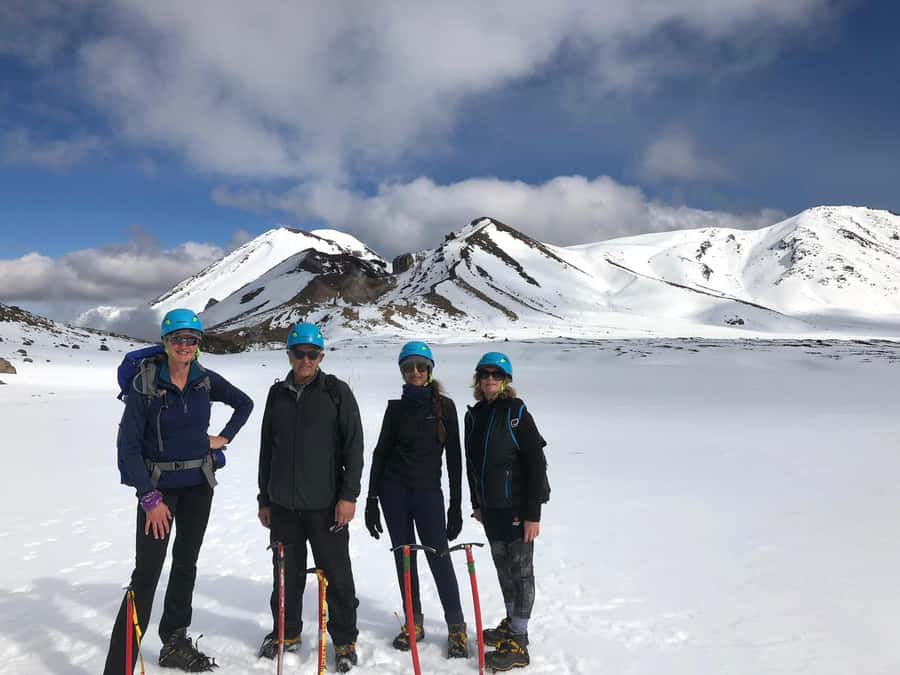
And safety isn’t just emotional reassurance. Your notes say that training and tuition are given on the day and that crampons and ice axes are supplied if required for winter conditions. That’s what you want. It reduces guessing and helps you move more confidently when conditions are slippery or icy.
Still, remember: the guide can’t control the weather. They can only respond well to it, which is why you should show up with the gear and mindset for rapid changes.
Gear, Clothing Hire, and Your Packing Checklist That Actually Makes Sense
You get a lot of practical support, but you still need to show up prepared. The operator includes clothing and footwear hire worth $60, plus your guide and transport from the base.
What’s not included is lunch. Bring a packed lunch and snacks so you’re not making energy decisions on an empty stomach. The hike can be long enough that low fuel turns into fatigue, and fatigue turns into slower movement—especially on descents.
Here’s what you should plan for based on the day’s stated guidance:
Summer pack essentials
- 1–2 liters of water
- sun protection: sun hat, sunscreen, sunglasses
- windbreaker/rain gear: waterproof raincoat
- hiking shoes or boots and breathable layers
- packed lunch, plus snacks
- insect repellent
Winter pack essentials
- 1–2 liters of water and sunscreen
- warmer layering: thermal base and multiple warm layers
- warm hat and gloves
- waterproof raincoat and over-trousers if needed
- hiking boots suitable for cold, wet ground
You’ll also want breathable, quick-dry clothing and a daypack. Even if you’re not sure what you’ll need at each stage, that’s the whole point: conditions change, and being able to adapt layer-by-layer is what keeps you comfortable instead of soaked.
Also, don’t wait until the day to think about footwear. The tour notes say personal equipment footwear and clothing can be hired at Adrift Tongariro, but the best outcome is when you start the day with shoes that feel right for you.
Price and Value: Is $254 Worth It for a 1-Day Crossing?
At $254 per person for a roughly 9-hour day, you’re paying for more than a guide. You’re buying: instruction on the day, transport from the base, and equipment support when winter conditions demand it. You’re also buying decision-making flexibility—route changes for wind, ice, hypothermia risk, and avalanche considerations.
That matters because this isn’t a stroll. The Crossing is physically demanding and weather dependable. The guide’s job is to reduce risk while still getting you the best possible version of the day.
So here’s the value math you can do:
- You’re not paying separately for guiding.
- Transport is included between the Adrift Tongariro base and the activity start point.
- If conditions require it, crampons and ice axes are supplied.
- You also receive $60 of clothing and footwear hire, which can take the edge off packing light.
Your main extra cost risks are predictable:
- Lunch is not included.
- Return transfers from Taupo CBD, Turangi, or Whakapapa Village are available for a surcharge (with a minimum of 2 people).
If you’re staying near Taupo or Turangi, it may be cheaper and easier to arrange only what you need rather than trying to hack every transfer yourself. If you’re able to get to the 53 Carroll Street meeting point, you’ll already be in the easiest position.
Who This Works Best For (And Who Should Rethink It)
This hike fits people who want a serious day outdoors and can handle variable conditions. The tour notes require a reasonable fitness level, and there are options the guide can discuss if you’re worried about your fitness before you start.
It’s also described as not needing alpine experience. That’s important. If you can hike steadily and manage your layers, the guide-led instruction and equipment support can get you into a safe rhythm.
It’s not suitable for children under 12, so it’s aimed at adults and older teens. In the reviews, you’ll see plenty of first-time hikers who managed it with support—one person even used provided walking sticks from a kind stranger when they were struggling, which is a reminder that morale and pacing help a lot.
If you’re the type who needs the route to be guaranteed end-to-end no matter what, you might feel frustrated. Reaching the Ketatahi end is not guaranteed, and gorge crossing depends on wind. This is an alpine day where conditions lead.
Should You Book the Tongariro Alpine Crossing with Adrift?
Book it if you want the best odds of a safe, meaningful day on New Zealand’s most famous 1-day volcano trek. This is the kind of hike where a guide helps you read the terrain, manage pacing, and handle weather reality without panicking.
I’d also book it if you’re not coming with mountaineering skills. You’ll get day-of instruction, and if winter conditions hit, gear like crampons and ice axes are available when required.
Pass or consider a different style of tour if you need a strict, guaranteed completion to a specific end point, or if you don’t want to deal with dramatic weather changes and possible route adjustments. The Crossing can be hard even in good conditions, and the day-of planning is part of that.
If you do book, prep like it’s going to be cold and wet at some point. Bring layers, water, rain gear, and your packed lunch. Then go with the mindset that the guide is there to make smart calls fast.
FAQ
Where does the tour meet?
The meeting point is Adrift Tongariro Base and Shop at 53 Carroll St, National Park 3948, New Zealand.
How long is the guided hike?
The total duration is listed as 9 hours, with the guided walking portion around 8 hours.
Is lunch included?
No. Lunch is not included, so you’ll need a packed lunch and snacks.
Is the Ketatahi end guaranteed?
No. Reaching the Ketatahi end is not guaranteed, and the exact route may be adjusted for safety reasons.
Do I need alpine experience?
No alpine experience is required. Training and tuition are provided on the day.
Will I get crampons and ice axes?
Crampons and ice axes are supplied if required for winter conditions.
What should I bring in summer?
Bring warm clothing and wind protection, sunglasses and a sun hat, rain gear, hiking shoes, sunscreen, insect repellent, and about 1–2 liters of water, plus a packed lunch.
What should I bring in winter?
Bring 1–2 liters of water, sunscreen and sunglasses, warm hat and gloves, multiple warm layers, waterproof rain gear, and hiking boots. Thermal and quick-dry layers are recommended.
Is return transport from Taupo, Turangi, or Whakapapa included?
Return transfers from Taupo CBD, Turangi, or Whakapapa Village are available for a surcharge, and there is a minimum of 2 people.