REVIEW · GATLINBURG
Thundering Streams and Falls of the Smokies Guided Hiking Tour
Book on Viator →Operated by A Walk in the Woods · Bookable on Viator
Waterfalls plus real woods time is the point. This Thundering Streams and Falls hike pairs guided nature stops with a less-traveled route in Great Smoky Mountains National Park, including cascades and falls. I love the way the guide connects what you’re seeing—trees, wildflowers in spring, and small stream life—to where you’re standing, and I also like the small group size that keeps questions from getting lost. The one thing to plan for: the trail can be a little rough, with uneven ground, elevation gain, and spots where you may get your feet wet.
You start at Sugarlands Visitors Center and then follow your guide in your own vehicle for about 10 minutes to the trailhead. Along the way there are scenic stops, including Newfound Gap Road viewpoints, plus breaks built into the pace so you’re not just marching for three hours straight. The tour runs rain or shine, and they carry emergency ponchos.
Before you go, do the simple checklist: wear grippy shoes, bring plenty of water (bottled water is not provided), and know you’re ending at the Chimney Tops Trail Trailhead so you can keep exploring on your own.
In This Review
- Quick hits before you hike
- Entering the Smokies from Sugarlands Visitors Center
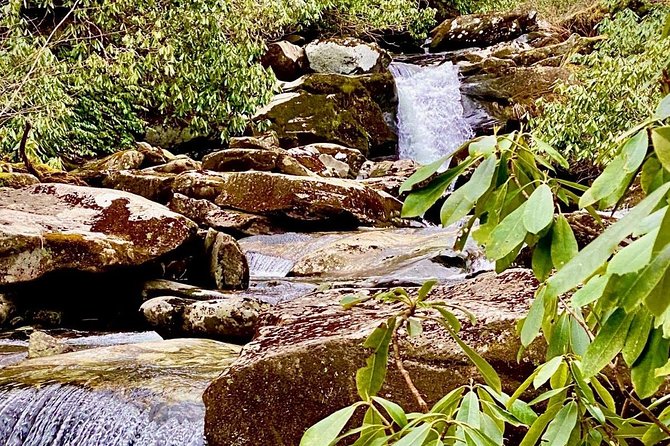
- The hike’s “wow” factor: cascades, falls, and quieter forest
- Newfound Gap Road: the scenic breather between trails
- What the trail feels like in real life (and who it suits)
- Guides make the difference: what you’ll learn on the path
- Price and value: what $77 buys you (and what it doesn’t)
- Timing tips: when the Smokies hike feels easiest
- Logistics you can handle: ending at Chimney Tops Trailhead
- Should you book this guided hike?
- FAQ
- What’s the duration of the Thundering Streams and Falls of the Smokies guided hiking tour?
- Where do I meet the guide?
- Is transportation included?
- Are snacks and water included?
- Is the hike difficult?
- Does the tour run in bad weather?
- How big is the group?
Quick hits before you hike
- Small-group hike (max 11): more time for questions and less crowd pressure on the trail.
- Popular-to-quiet route: you get big sights early, then shift to a calmer, less-traveled section.
- Stream crossings and wet-feet moments: you’ll be prepared for spots that involve downed wood and wet ground.
- Nature learning that feels practical: guides point out plants, forest features, and stream-edge wildlife possibilities.
- Snacks included, water not provided: fuel is handled, but you must bring hydration.
- Ends at Chimney Tops Trailhead: after the guided portion, you can immediately turn it into more hikes.
Entering the Smokies from Sugarlands Visitors Center
Your hike begins at Sugarlands Visitors Center (1420 Fighting Creek Gap Rd, Gatlinburg, TN 37738). This matters because it gives you a real starting point with clear signage and services nearby, not a random turnout on a highway.
Here’s the logistics reality: this is not a bus-and-ride tour. You’ll meet the guide at Sugarlands and then follow them in your own vehicle to the trailhead, about 10 minutes away. That also explains why the group stays small—car coordination is easier and the guide can keep everyone together once you’re on the move.
The tour uses a mobile ticket, and you’ll want to have it ready on your phone. The best move is to arrive with a little buffer so you’re not rushing when you’re switching from parking-lot mode to trail mode.
One practical note that can save stress: if you end up with spotty cell service inside the park area, don’t guess at turnoffs. Use the exact meeting name and address from your confirmation, and if you’re stuck before departure, park staff at the visitor center can help you make contact.
The hike’s “wow” factor: cascades, falls, and quieter forest
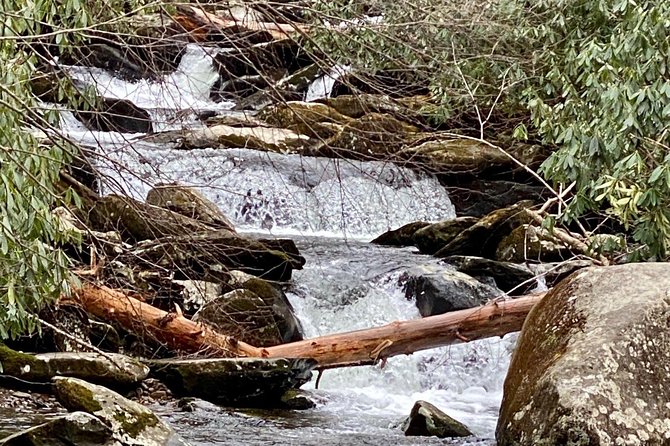
The core of the tour is a guided walk in Great Smoky Mountains National Park that moves through two different vibes: a more popular section with classic views, then a less-traveled trail where the forest feels quieter and more immersive.
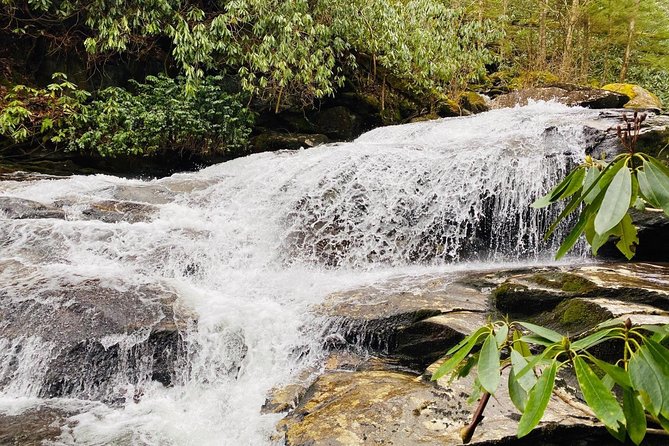
On the way, you’ll pass beautiful cascades and viewpoints, then shift toward spectacular cascades and falls. The guide also uses the route to teach you how the ecosystem changes across the hike—what grows here, why the forest looks the way it does, and what you might notice along the stream corridor.
The forest details are not just “pretty leaves.” Expect talk about old growth trees and how seasonal changes show up in the understory. In spring, they pause to wonder at the variety of wildflowers. In fall, you’re often chasing the same thing—color and texture—just with a different palette.
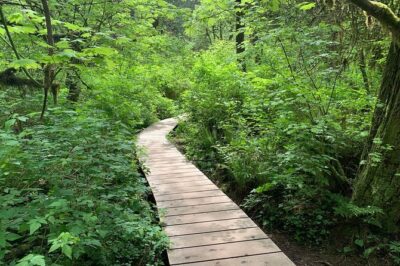
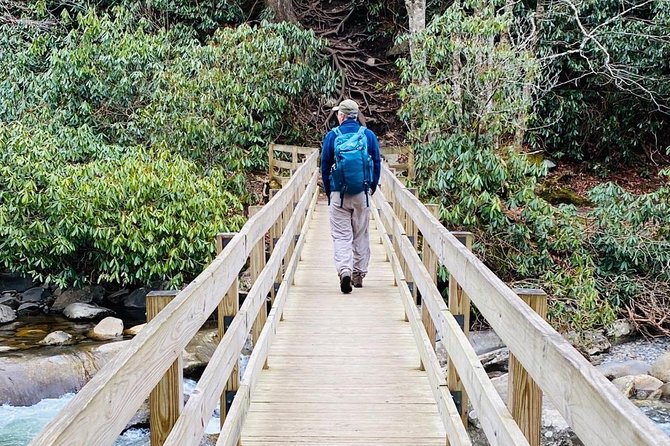
A big heads-up for your feet: this is not a flat nature stroll. You can expect elevation gain, plus sections where you’ll climb over downed trees. They also warn you to be ready to get your feet wet. In plain terms: bring shoes you trust on slick spots, and plan to move carefully when the trail gets uneven.
Newfound Gap Road: the scenic breather between trails
You don’t just hike and hope for good views. There’s a stop that leans into the wider panorama: Newfound Gap Road has many scenic vistas and points of interest.
This is a smart inclusion for two reasons. First, it helps break up the physical effort with a different kind of experience—pausing for views rather than walking the whole time. Second, it gives the guide a natural moment to frame what you’re seeing from a distance, which helps connect the day’s forest learning to the broader geography.
Even if you’re a frequent hiker, these overlook stops are where you catch your breath and get that I finally get where I am feeling. And since the guide controls timing, the group doesn’t feel scattered.
What the trail feels like in real life (and who it suits)
This hike is built for moderate physical fitness. You should be comfortable walking on uneven surfaces, climbing in elevation, and handling downed wood across the trail.
Here’s how I’d picture the effort level:
- You’re moving at a guided pace for about 3 hours (approx.)
- You’ll do some climbs, not just a level path
- You may deal with trickier ground near a dried stream or stream-edge areas
- You’ll likely have moments that are more “careful footing” than “easy strolling”
That said, the group setup helps. With a maximum of 11 travelers, guides can slow down and keep everyone together, including different ages and hiking styles. People specifically mention guides stopping often so everyone can catch up, which makes a big difference if your group includes anyone who likes to look around as much as they like to step forward.
This tour is a good match if:
- you want waterfalls and stream views without doing a full-day trek
- you’re okay getting slightly muddy or wet
- you like learning in short, practical moments rather than long lectures
You might skip it if you:
- need an entirely flat, dry walk
- hate scrambling over fallen branches
- don’t have shoes with good grip
Guides make the difference: what you’ll learn on the path
The star here is the guide. And based on the names people have shared from past hikes, you may hike with leaders like Chini/China, Ken, Andy, Mike, Deb, Kells, Luci/Lucy, or Sam. The common thread is energy and attention—especially when it comes to small details you’d miss on your own.
What that looks like on the ground:
- They point out plants and explain what makes the local forest tick.
- They talk wildlife through the lens of what you can actually observe on a hike.
- Some guides actively search along stream edges for small critters. One highlight from past groups involved carefully looking under rocks for amphibians like salamanders, plus other small life such as snails and millipedes.
The learning style also matters. People describe “learning breaks” that fit the pace—short pauses to catch your breath, check out a cascade, and reset your eyes for the next stretch. If you’re the type who stops to take photos, guides also tend to be patient, not rushing you out of position.
And yes, the guides often bring personality. Folklore and history show up alongside plant facts, so the day feels like more than just exercise.
Price and value: what $77 buys you (and what it doesn’t)
At $77 per person, this hike isn’t trying to be a bargain hike. It’s priced like what it is: a guided experience in one of the most popular national parks in the U.S., with park-area logistics handled for you.
Here’s the value breakdown:
- Included: all fees and taxes, professional guide, and snacks
- Typically free: the admission ticket for the park is listed as free
- Not included: bottled water (bring plenty), rain gear isn’t included as standard, and you’ll need to plan for transportation/parking on your own
Emergency ponchos are available if the weather turns. That’s a nice safety net. Still, I wouldn’t bet your comfort on that. Pack a light rain layer and quick-dry socks if you tend to feel cold when you get damp.
Also factor in tipping. Gratuity for the guide is not included, and the recommended range is 15–20%. If you’re the kind of traveler who values good pacing and thoughtful nature explanations, you’ll likely want to tip well.
Timing tips: when the Smokies hike feels easiest
The route is a mix of popular and quieter trails, so timing matters.
If you can, choose an earlier departure. One past group specifically noted that going early meant fewer people on the trail. That tends to reduce stop-and-go crowd frustration and makes it easier to hear the guide and focus on the small details.
Season also changes the payoff:
- In spring, the wildflower variety is part of the planned wonder breaks.
- In fall, you’re likely going after waterfalls plus color, even if the weather turns moody.
Rain or shine is the rule. That’s great for planning stability, but dress like conditions can shift quickly. In wet weather, grip matters more than you think.
Logistics you can handle: ending at Chimney Tops Trailhead
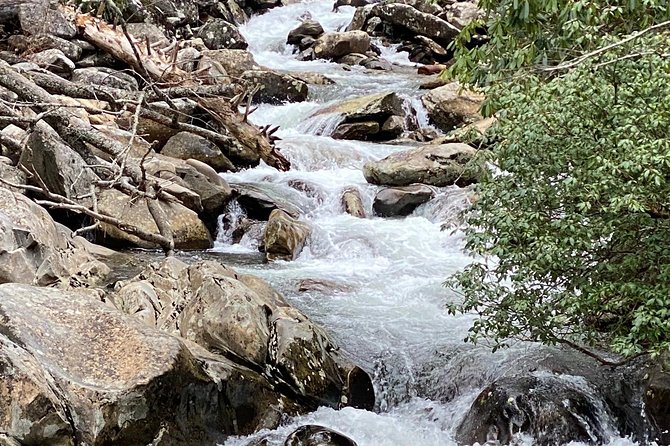
At the end, the tour finishes at Chimney Tops Trail Trailhead. Since you follow the guide to the trailhead in your own vehicle, you’re then free to explore nearby areas on your schedule—or head out.
This is a practical setup: you get the guided portion while the guide still has the group together, then you’re not trapped waiting for a return transfer. Just remember: parking and your next steps are your responsibility after the tour ends.
If you plan a longer day in the area, do it with shoes you don’t mind wearing on uneven ground again.
Should you book this guided hike?
Book it if you want:
- waterfalls and cascades plus a quieter section of trail
- a guide-led day that teaches you how to notice the Smokies beyond postcard views
- a small group so you get real interaction, not just a checklist
Skip it or choose a gentler option if you:
- don’t want elevation gain
- aren’t okay with wet feet potential or climbing over downed trees
- need transportation and water provided for you
For most people visiting Gatlinburg and the park for the first time, this is a strong value way to get off the beaten path, see major highlights, and learn what you’re actually looking at—without turning the day into an endurance event.
FAQ
What’s the duration of the Thundering Streams and Falls of the Smokies guided hiking tour?
It’s about 3 hours (approx.).
Where do I meet the guide?
You meet at Sugarlands Visitors Center, 1420 Fighting Creek Gap Rd, Gatlinburg, TN 37738. The tour ends at Chimney Tops Trail Trailhead.
Is transportation included?
No. You follow the guide in your own vehicle from Sugarlands Visitors Center to the trailhead. Transportation is not included.
Are snacks and water included?
Snacks are included. Bottled water is not provided, so you should bring plenty of water.
Is the hike difficult?
It’s listed for travelers with moderate physical fitness. You should be able to climb in elevation, walk on uneven surfaces, and climb over downed trees. You should also be ready for wet or streamy ground.
Does the tour run in bad weather?
The tour operates rain or shine, and emergency ponchos are available if needed. If it’s canceled due to poor weather, you’ll be offered another date or a full refund.
How big is the group?
The maximum group size is 11 travelers.