REVIEW · AGEROLA
Agerola: Path of the Gods Guided Hiking Tour
Book on GetYourGuide →Operated by Oblù · Bookable on GetYourGuide
The Amalfi Coast looks different from up top. This guided hike from Agerola follows the classic Path of the Gods section with clifftop walking and viewpoint stops toward Positano and Praiano. I like that it keeps things relaxed while still getting you those jaw-drop panoramas.
What I also like is the human touch: guides such as Francis, Matteo, Nino, and Gianna focus on making you feel informed and safe, and they share practical details about plants, local life, and what you’re looking at. The one real catch is that this is a walking route on uneven ground with clifftop exposure, so it’s not for people with vertigo or mobility limits, and you’ll want solid footwear.
In This Review
- Key Things You’ll Notice on This Tour
- From Agerola to Nocelle: What the Route Really Gives You
- Meeting at Piazza Paolo Capasso by the Water Fountain
- The First Stretch: From Safety Briefing to Clifftop Walking
- Positano and Praiano from Above: Viewpoints You’ll Actually Use
- Rocky Peaks, Local Flora, and the “What Am I Looking At?” Moments
- Old Shepherd’s Houses: More Than a Photo Stop
- If You’re Lucky: Farmer Encounters and Local Stories
- How Difficult Is It, and What You Should Bring
- Price and Value: Is $88 for 3 Hours Fair?
- Logistics That Matter: No Pickups, Plan Your Start and End
- Guide Quality: Safety, Plant Talk, and a Calm Pace
- Who This Tour Suits Best (And Who Should Skip It)
- Should You Book This Agerola Path of the Gods Hike?
- FAQ
- Where is the meeting point for the Agerola Path of the Gods tour?
- How long is the hike?
- What languages are the guides?
- What’s included in the price?
- What should I bring?
- Is this tour suitable for people with mobility impairments or vertigo?
Key Things You’ll Notice on This Tour
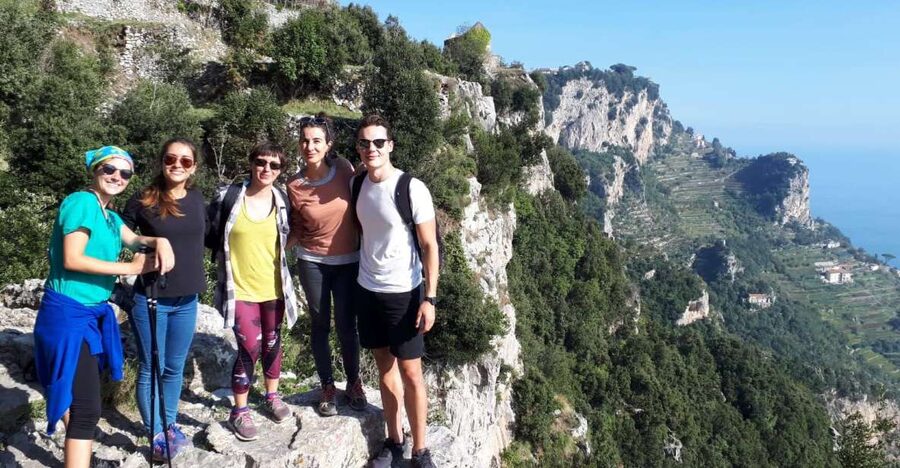
- Views that start fast: you get big Positano and Praiano angles without waiting all day.
- A guided route, not a wandering walk: you follow the clifftop trail from Bomerano di Agerola toward Nocelle with set stops.
- Plant and local-life talk: guides point out local flora and share how people grow and live in the area.
- Old shepherd’s houses on the route: that highlight adds texture beyond pure scenery.
- A pace that adapts: at least one guide (Francis) slowed down for a slower walker without turning it into a slog.
From Agerola to Nocelle: What the Route Really Gives You
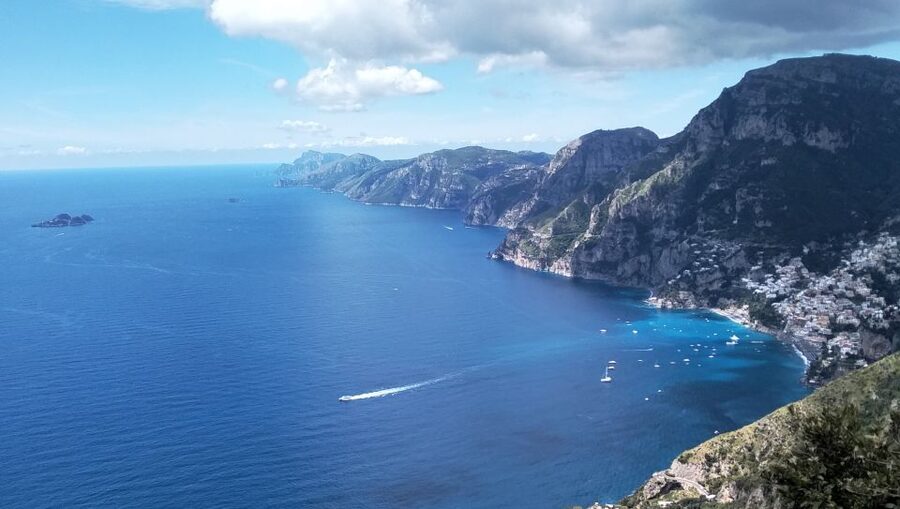
This is a 3-hour guided hike along a section of the Path of the Gods that runs from Bomerano di Agerola toward Nocelle. You’re not just strolling through postcard views. You’re walking a real trail along cliffs and rocky edges, where your eyes keep adjusting from sea to stone to the villages below.
The tour is framed as relaxed, which matters on the Amalfi Coast. A guided format helps you avoid the constant question of where to go next and what you’re actually seeing. You’re also more likely to notice the small stuff—wild plants, farming details, and the way the terrain shapes where villages grew.
Meeting at Piazza Paolo Capasso by the Water Fountain
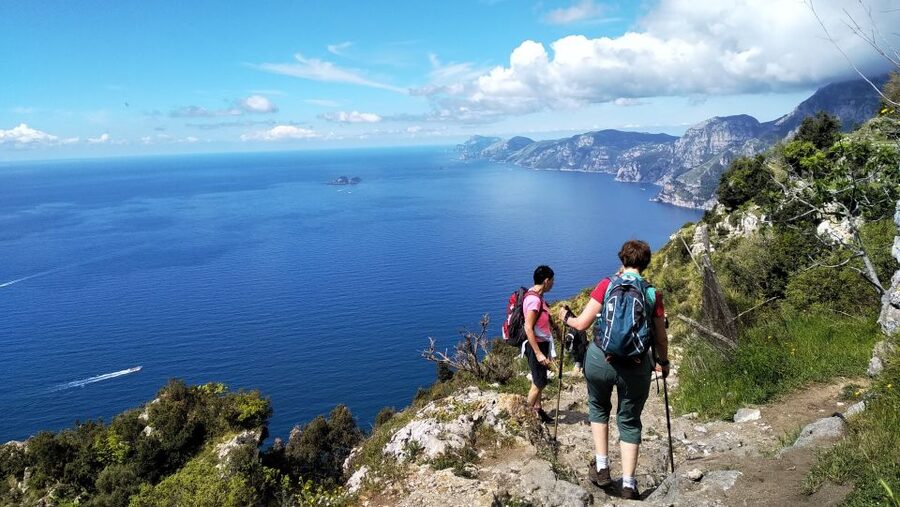
Your meeting point is Piazza Paolo Capasso, a small square with bars and grocery shops nearby. The guide meets you by the water fountain.
This location is convenient in practice. You can usually grab something quick before you start (and you won’t be stuck hunting for a meeting sign in the middle of nowhere). If you’re arriving on your own, I’d give yourself extra buffer time to find nearby parking and get everyone assembled before the safety briefing.
The First Stretch: From Safety Briefing to Clifftop Walking
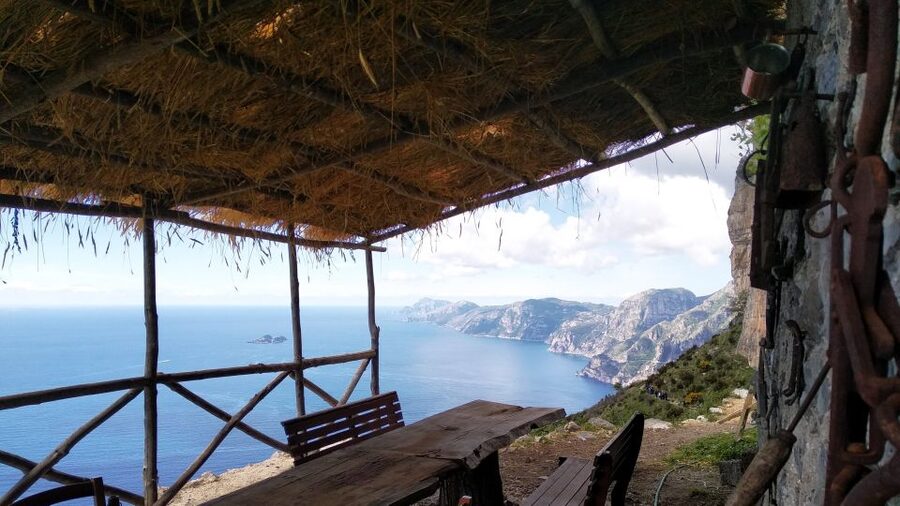
After you meet your live guide (Italian and English available), expect a quick safety briefing. This is one of the most reassuring parts of the experience because the trail includes rocky terrain and clifftop sections.
Then the hike begins along the clifftop trail connecting Bomerano to Nocelle. Early on, you’ll get your first taste of what makes this route famous: you’re higher than the average viewpoint, and the sea and coast look layered, like geography you can read.
If you’re traveling with someone nervous about heights, this is where you’ll notice the difference between a guided hike and a DIY one. Guides like Francis have been praised for creating a feeling of safety and keeping people calm on the trail.
Positano and Praiano from Above: Viewpoints You’ll Actually Use
The headline views are Positano and Praiano from the top. The tour includes stops where the guide helps you look at the towns from angles you don’t get from the waterfront.
Why this matters: Amalfi Coast towns can blur together when you’re seeing them from the road. Up here, you can spot the shape of the coastline, the way terraces and paths connect, and where the big bends in the sea line up with the villages. You also get a more honest sense of scale—how close the mountains are to the water, and how much effort it takes to live here.
Positano typically steals the show, but Praiano’s look from up top is a different kind of satisfying. Praiano feels more spread out and local, and that perspective helps you understand why people come here for a slower coast feel even when they’re surrounded by famous places.
Rocky Peaks, Local Flora, and the “What Am I Looking At?” Moments
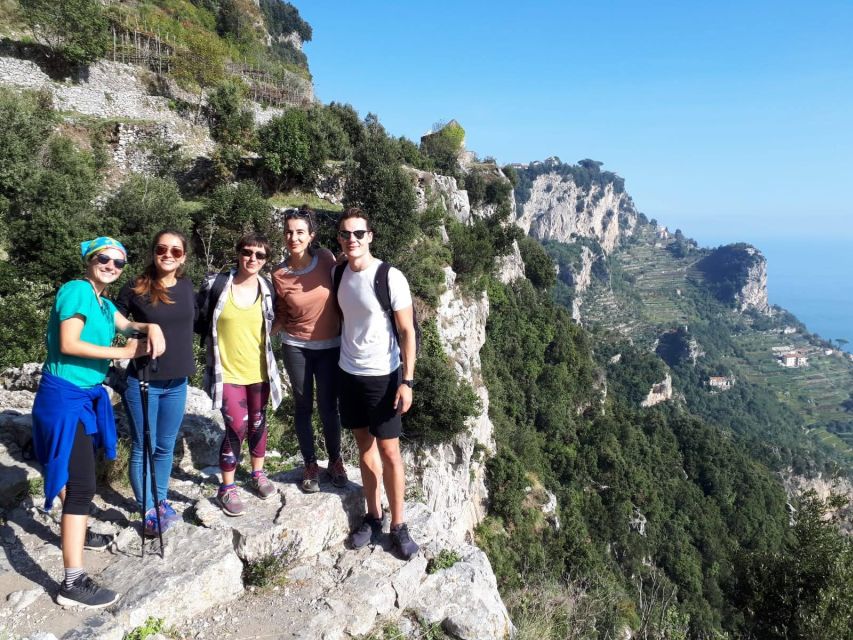
You’ll pass rocky peaks and walk through areas where the local flora and fauna show up if you know what to look for. This tour leans into that.
A standout theme from the guide experiences is plant-and-place interpretation. Francis has been described as pointing out native plants and connecting them to how the area works today. The payoff for you is simple: you stop seeing the trail as just scenery and start seeing it as a living place shaped by weather, farming, and geology.
Even if you’re not the type to read every sign in a museum, those moments make the hike feel longer in the best way. You remember the route because you learned something specific while walking.
Old Shepherd’s Houses: More Than a Photo Stop
One of the highlights is Old shepherd’s houses. That’s important because it adds human scale to a route that could otherwise feel like only sea-and-cliff photography.
When you reach these older structures, you’re reminded this area was worked long before it became a must-do hike. A good guide will use the sight to explain what shepherding and farming needed from the landscape—shelter, access to grazing, and pathways that link settlements.
If you like travel that connects scenery to real lives, this stop is the kind that tends to stick in your memory. It’s also a nice contrast to the most dramatic viewpoints.
If You’re Lucky: Farmer Encounters and Local Stories
The hike may include a chance to meet local farmers who share the area from a local perspective. The wording matters here: it’s not guaranteed, but the possibility is part of what makes this feel like more than a standard check-the-viewpoints tour.
Even when you don’t meet farmers directly, the guides can still bring local context through what they point out—where growth happens, what the terrain supports, and why certain areas look the way they do.
This local lens is also why the guides are praised for being attentive. One traveler described the guide slowing down to help a mother keep up, which tells me these guides pay attention to group flow instead of rushing everyone like a conveyor belt.
How Difficult Is It, and What You Should Bring
This is a guided hike, but you should treat it as a hike, not a walk.
The tour is not suitable for:
- pregnant women
- people with mobility impairments
- wheelchair users
- people with vertigo
Even if you’re generally fit, expect some more strenuous parts. That’s not a scare tactic; it’s practical. Clifftop trails can be uneven, and rocky footing can turn a short climb into a slower, more careful effort than you’d expect on a flat city sidewalk.
What to bring (keep it simple):
- Comfortable shoes with good grip
- Sun hat
- Reusable water bottle
I’d also add one personal rule: if you’re on the fence between comfortable sneakers and real hiking shoes, choose the hiking shoes. Your feet will thank you halfway through the route.
Price and Value: Is $88 for 3 Hours Fair?
At $88 per person for a 3-hour guided hike, you’re paying mainly for three things:
1) a trained guide to keep you on the right trail,
2) time spent explaining what you’re seeing, and
3) the convenience of having the route structured for you.
Insurance is included, which is a real plus on a trail with exposure. What’s not included is just as important: there are no pickups, and food and drinks are not provided. So the value depends on how you plan your day. If you’re already going to be near the meeting point and you can bring water and a snack idea, $88 feels more reasonable.
If you’re hoping for the company to handle transportation back to your hotel or to provide a full-day meal plan, you’ll be disappointed. This hike is built to be a focused 3-hour experience, not a whole logistics package.
Logistics That Matter: No Pickups, Plan Your Start and End
The tour does not include pickups. So you need a plan to get to the meeting square in Agerola and then continue your day afterward.
Because the hike runs from Bomerano toward Nocelle, it may end in a different spot than where you start. That’s totally normal for point-to-point style routes, but it means you should think ahead about how you’ll get back to your base area.
Practical advice: before booking, check how you’ll handle your return using your hotel’s direction and local transit options. Don’t assume a taxi will be the same experience at the end of a hike as it is at noon with clear signage.
Guide Quality: Safety, Plant Talk, and a Calm Pace
This is where the tour seems to earn its strong rating: guides are consistently described as friendly, informative, and focused on keeping everyone comfortable on the trail.
Specific things I’d look for in a guide style here:
- Safety first: a guide who helps you feel steady when the trail narrows or the view drops away.
- Real explanations: not just naming places, but pointing out local plants and making the scenery legible.
- Pace control: helping someone slower keep up without turning it into a rushed race.
Stories around guides Francis, Matteo, Nino, and Gianna include frequent mention of thoughtful pacing and lots of trail-side information. One guide even called ahead to confirm proper clothing and shoes and to go over the plan, which is the kind of touch that reduces stress when you’re arriving in a new town.
Who This Tour Suits Best (And Who Should Skip It)
This guided hike is a strong choice if you:
- want classic Path of the Gods views without doing navigation alone
- like learning something while walking, especially about plants and local life
- prefer a route with structure and a guide who keeps you feeling safe
- can handle a trail with uneven, rocky sections and possible steep moments
Skip it if you:
- have vertigo
- use a wheelchair or need mobility assistance
- are pregnant
- aren’t comfortable with clifftop exposure and uneven footing
If you’re fit but not an ultrarunner, you can still enjoy this—just plan for a careful pace. The viewpoint payoff is the point.
Should You Book This Agerola Path of the Gods Hike?
Book it if you want an easy-to-follow way to experience the Amalfi Coast from above, with a guide who focuses on safety and on making the trail feel meaningful. At $88 for 3 hours, the value is solid as long as you’re prepared to handle your own food and transportation.
Skip it if your biggest goal is lounging. This isn’t a gentle stroll, and the route isn’t designed for anyone who needs stable, flat ground. It’s made for people who want views, movement, and real on-trail context.
If that’s you, this is one of the better ways to do the Path of the Gods while staying comfortable, informed, and present on the trail.
FAQ
Where is the meeting point for the Agerola Path of the Gods tour?
You meet at Piazza Paolo Capasso. The guide will be by the water fountain.
How long is the hike?
The duration is 3 hours.
What languages are the guides?
The live tour guide offers Italian and English.
What’s included in the price?
Insurance is included.
What should I bring?
Bring comfortable shoes, a sun hat, and a reusable water bottle.
Is this tour suitable for people with mobility impairments or vertigo?
No. It’s not suitable for pregnant women, people with mobility impairments, wheelchair users, or people with vertigo.