REVIEW · GRAN CANARIA
Tejeda: Sunset & Night Sky Guided Astronomy Hiking Tour
Book on GetYourGuide →Operated by RockNatour · Bookable on GetYourGuide
The stars get personal in Tejeda. This 3-hour guided astronomy hiking tour pairs a sunset trek on the Camino de Santiago de Gran Canaria with hands-on sky lessons at Ventana del Nublo, including constellations, planets, and the Milky Way. I love how the walk transitions from forest daylight to night in real time, and I love that Pablo teaches you the basics so you can spot what you see later. The only real heads-up: you’ll need your own car because there’s no transfer and public transport doesn’t work in the meeting area zone.
The group is limited to 10, so you’re not stuck behind anyone when it’s time to look up. You get a blanket, light snacks, and hot drinks, plus binoculars and a screen to explain what’s going on as the darkness builds. Even if you’ve never used a star chart, the pace stays friendly and practical.
At sunset, the viewpoint frames Roque Nublo and Teide, and the guide times the lessons to the fading light. Telescopes are not used, so the whole focus is on learning the sky with your own eyes and a little help from binoculars.
In This Review
- Key highlights you’ll care about
- Tejeda Sunset to Night Sky: The real idea behind this tour
- Reaching the meeting point (and why your car matters)
- Walking the Camino to Ventana del Nublo: pacing and scenery
- Sunset at Ventana del Nublo: when views become astronomy
- After dark: constellations, planets, and the Milky Way without telescopes
- Snacks, hot drinks, blankets, and the comfort strategy
- Pablo’s guiding style: stories plus sky skills
- Price and value: is $71 worth 3 hours?
- Who this is best for (and who should skip it)
- Before you go: what to pack for a comfortable night
- Should you book this Tejeda sunset and night sky hike?
- FAQ
- FAQ
- How long is the Tejeda Sunset & Night Sky Guided Astronomy Hiking Tour?
- What is included in the tour?
- Do you use telescopes during the tour?
- Is the group small?
- Do I need a car to reach the meeting point?
- Where do we meet, and can I park?
- What should I bring?
- What languages are offered by the guide?
- Can the date change due to weather?
Key highlights you’ll care about
- Ventana del Nublo at dusk: lessons start while the light is changing
- Camino de Santiago de Gran Canaria walking: a classic path feel through forest going into night
- Astronomy without telescopes: constellation and planet spotting you can repeat later
- Snacks, hot drinks, and a blanket: comfort built in for longer star-staring pauses
- Pablo’s local storytelling: culture plus history, flora, and fauna in the mix
Tejeda Sunset to Night Sky: The real idea behind this tour
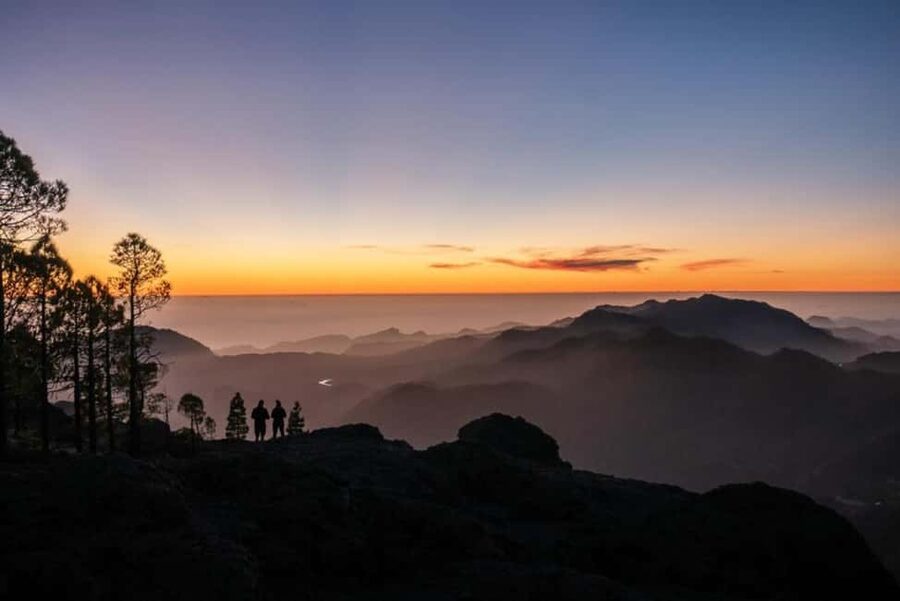
This tour works because it blends two things that usually get separated: a hike with a big view, then a slow, patient sky lesson. You start with the sun doing its job—turning the horizon into a glowing boundary—then you watch that boundary vanish as the stars come in.
I like that the astronomy part isn’t just pointing at the sky. You’re taught basic concepts and how to interpret what you’re seeing. That matters because the goal isn’t to leave impressed and forget it all. It’s to help you build a mental map so you can enjoy nights on your own back home.
You also get a location that naturally supports night viewing. Tejeda’s area is far enough from city glare that the Milky Way is the headline once it’s dark. The difference is noticeable: your eyes stop hunting for one bright object and start seeing a whole sky pattern.
You can also read our reviews of more guided tours in Gran Canaria
Reaching the meeting point (and why your car matters)
One of the most important planning points here is simple: you need your own car. There’s no transfer, and public transport doesn’t work in these zones. In other words, don’t build the day around a bus timetable.
The meeting point is the center of the island area around the campground area, where you can park. That’s helpful because the tour duration is only 3 hours, so it’s worth not spending extra time figuring out parking or timing your walk in the dark before the hike begins.
If weather is iffy, the tour may require a date change depending on conditions. That’s not rare for night sky plans, and it’s worth keeping your schedule flexible.
Practical takeaway: if you’re renting a car on Gran Canaria, this is one of those activities where a car turns into more than convenience—it’s the whole key.
Walking the Camino to Ventana del Nublo: pacing and scenery
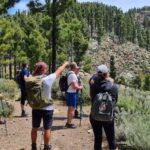
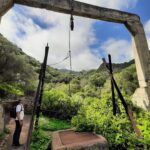
You’ll begin the route through the Camino de Santiago de Gran Canaria, the famous trekking route on the island. This isn’t described as a technical climb, but it is a hike, and it’s a day-to-night experience—so your comfort matters.
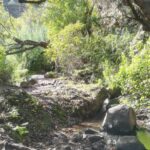
The walk starts through a forest route that helps you feel the transition from day to night. That “in-between” time is one of the best parts. In daylight, you can orient yourself with views and vegetation. As it gets darker, the guide shifts attention upward and teaches you what the sky looks like before it becomes fully dark.
Your final viewpoint is Ventana del Nublo, one of the iconic places in Tejeda. The payoff here is built in: you’re not just arriving at night and guessing what you missed. You’re arriving as the sunset is happening, which makes everything feel more connected.
Bring hiking shoes. The tour includes a blanket, but you’re still walking, and footwear is what keeps the whole evening enjoyable instead of stressful.
Sunset at Ventana del Nublo: when views become astronomy
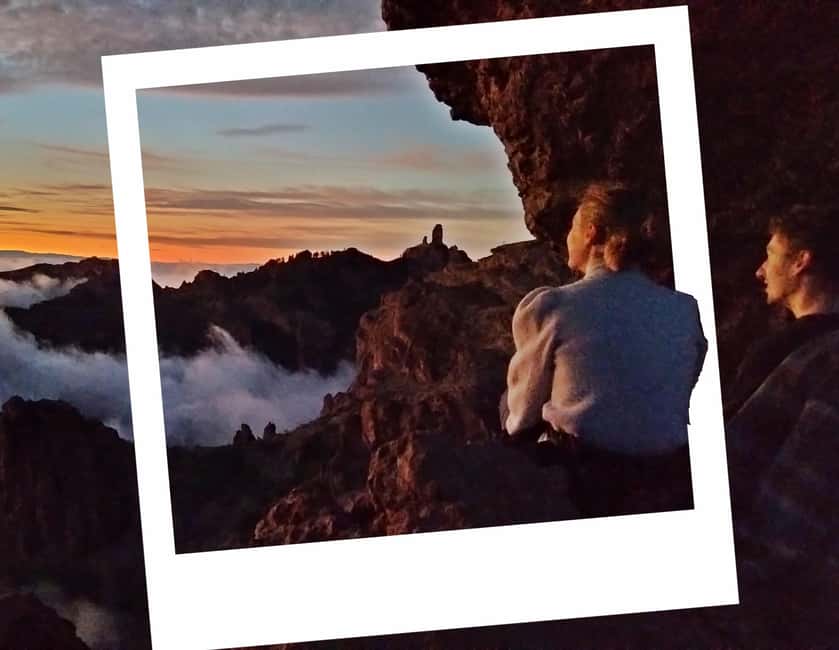
When you reach Ventana del Nublo, you watch the sunset while learning about astronomy basics. The guide also works in local culture and context, and that timing helps you stay engaged even before the stars take over.
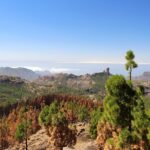
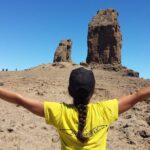
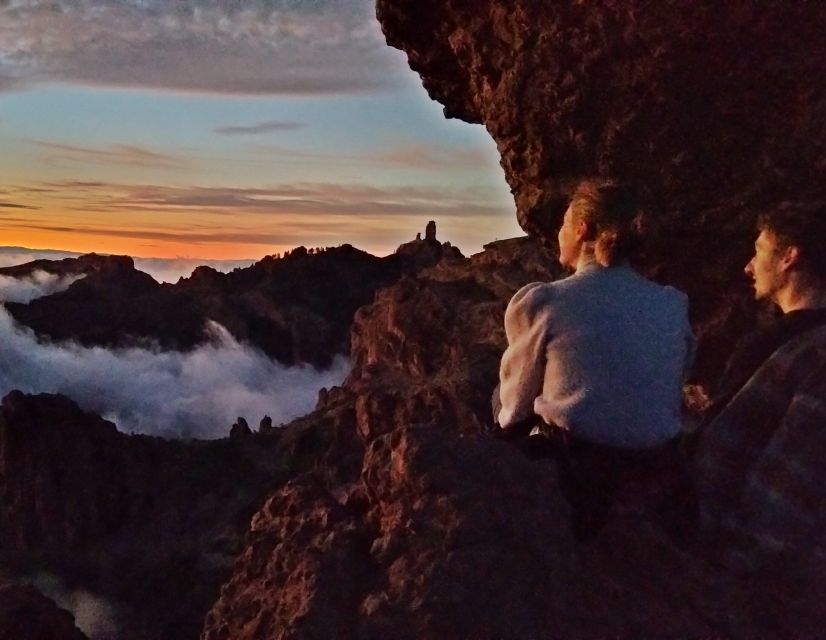
The view itself is part of the lesson. You get sightlines that include Roque Nublo and Teide, so you’re not stuck looking at the ground or just one framed direction. Instead, the horizon becomes your reference point for how the sky changes.
Here’s why the timing matters for your experience: learning happens best when the sky is still easy to read. During sunset, you can see outlines and bright reference points. As darkness deepens, the guide can point out constellations and help you connect the names to patterns you can actually recognize.
You’ll also be stopping long enough to watch. That’s when warm layers matter most. One of the strongest pieces of advice from people who did the tour: wear warm clothing, because once you’re standing still to look at the stars, cold arrives fast.
After dark: constellations, planets, and the Milky Way without telescopes
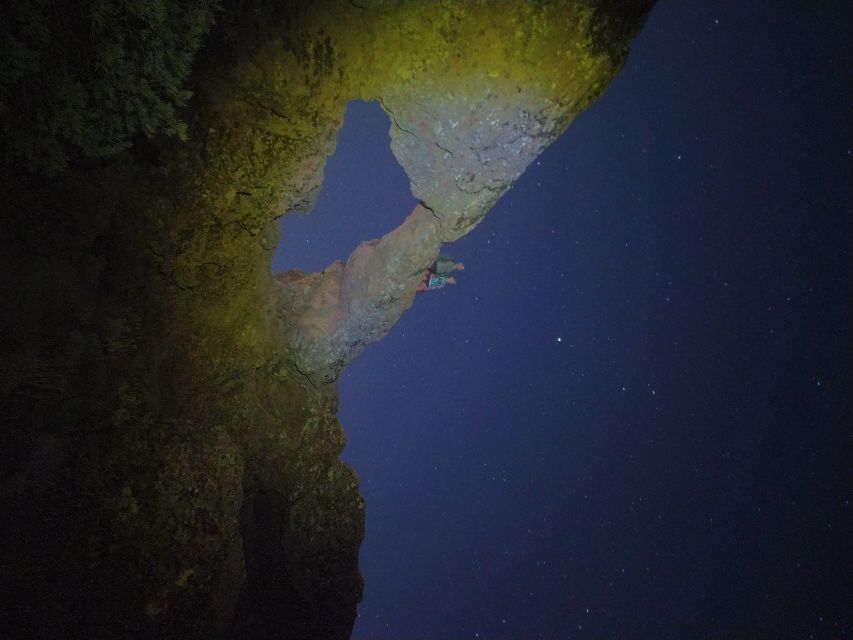
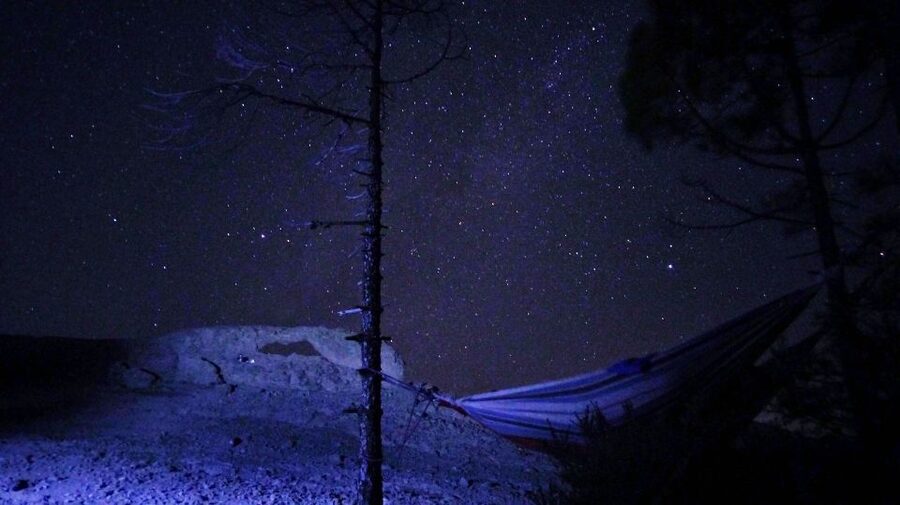
This is the core of the tour: once the sun sets, you shift into night sky identification. You’ll learn basic concepts, then practice spotting what the guide describes—constellations, planets, and the Milky Way.
The key point is that this tour does not use telescopes. Instead, you use binoculars and your own eyes. That choice changes the whole learning curve. Telescopes are impressive, but they can also make you dependent on gear. Here, you’re building the skill of recognizing patterns and bright celestial landmarks.
What you’ll do in practice:
- The guide explains what you’re looking for using a screen
- You get binoculars for closer looks at what’s visible
- You use the naked eye to connect the names to real sky shapes
- Snacks and hot drinks help you stay comfortable while the guide keeps pointing and adjusting
The Milky Way is a major highlight for a reason: it’s not a single star. It’s a band of structure, and you only get the full impact when your eyes and patience catch up. This tour gives you both, with the pacing that keeps you from rushing the sky lesson.
You can also read our reviews of more evening experiences in Gran Canaria
Snacks, hot drinks, blankets, and the comfort strategy
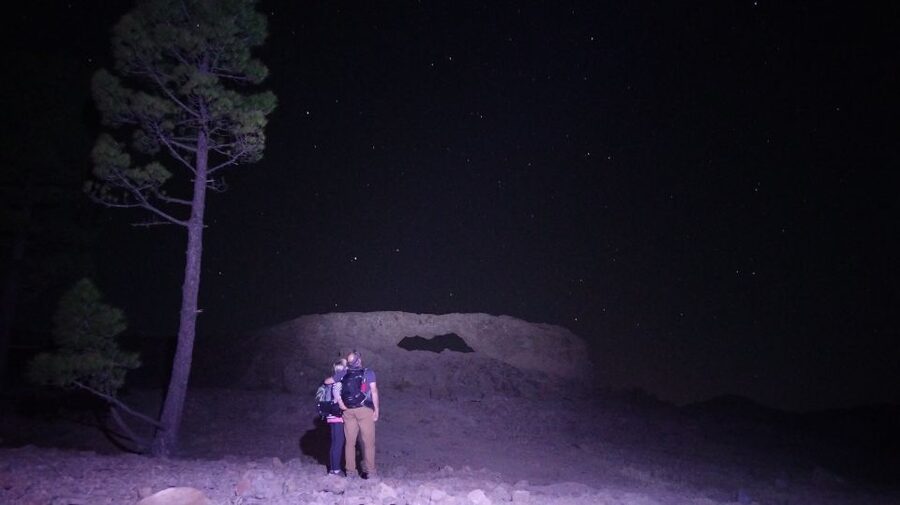
A night sky tour can fail in one way: if you’re uncomfortable, you stop paying attention. This tour anticipates that.
You get a blanket, plus a snack and a hot drink. That’s not just a nice touch—it’s how they keep the group seated or standing without everyone freezing and withdrawing mentally. In star watching, discomfort cuts into your ability to follow instructions, find objects, and stay focused.
You’ll also have the light support of a screen for explanations. That matters because at night, it’s easy to lose track of where your attention should go. The screen gives your brain something stable while you learn, then you shift back upward to test your new knowledge.
My advice: treat this as a cold-weather activity even if the day felt mild. Dress for the moment you stop moving.
Pablo’s guiding style: stories plus sky skills
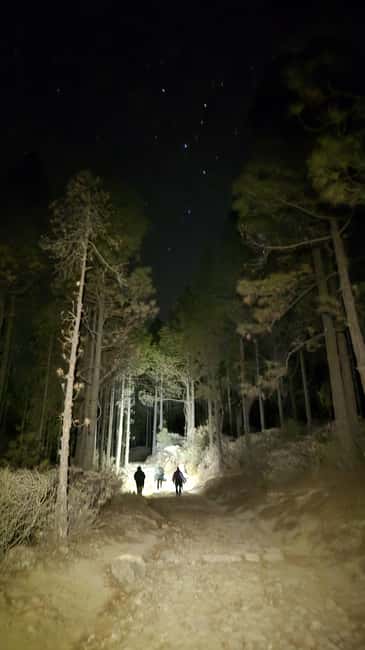
The astronomy here is led by a guide who clearly loves the subject. In particular, Pablo stands out for making the lessons feel personal and understandable. People describe him as passionate about astronomy and good at turning explanations into something you can actually use.
What I find valuable is that the guide doesn’t keep it purely technical. The tour also connects the sky to the surrounding world—culture, plus history, flora, and fauna. That’s why the hike doesn’t feel like a lecture you’re enduring between pretty stops. You’re getting a story that ties what you see in the sky to the place you’re walking through.
Also, the small group size makes this style easier to deliver. With up to 10 participants, you’re more likely to get individual attention when questions pop up or when your view is blocked by a wrong angle.
If you like learning that feels practical—how to look, how to identify, how to understand—you’ll probably enjoy the way this tour is structured around repeatable skills.
Price and value: is $71 worth 3 hours?
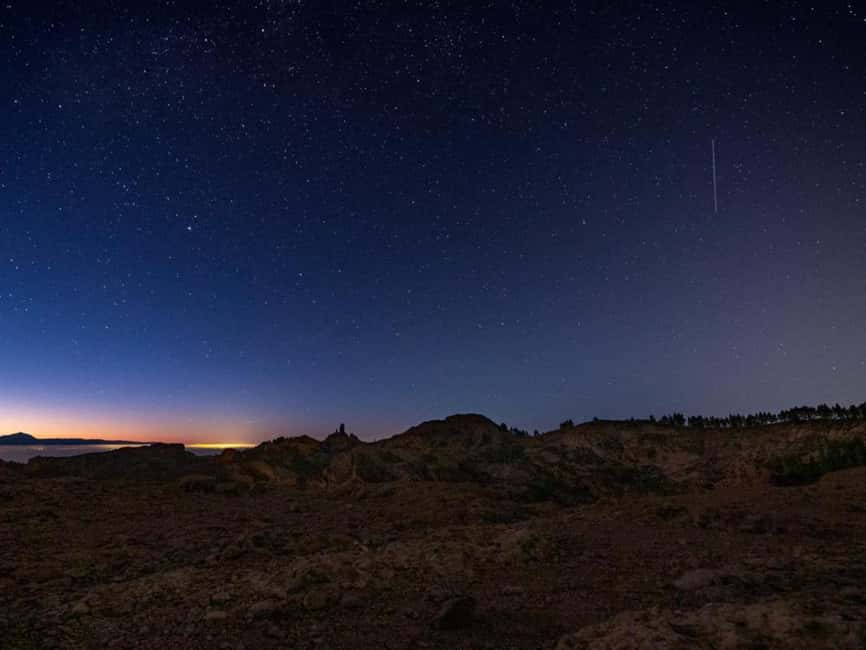
At $71 per person for a 3-hour small-group experience, the value depends on what you want from the night sky.
You’re not paying for telescope time. You’re paying for guided instruction, route leadership on the Camino, and the tools that make the lesson workable: binoculars, a blanket, a snack, a hot drink, and a screen for concepts. You’re also paying for the timing—arriving at an iconic viewpoint like Ventana del Nublo to watch sunset and then shift into sky identification.
If you already know how to find constellations and you only care about one star or one photo opportunity, you might decide it’s not for you. But if your goal is to leave with actual skills you can repeat, this price starts to look fair fast.
Also, the group limit to 10 is a big part of value. It keeps the experience from turning into a line of people squinting and waiting.
Who this is best for (and who should skip it)
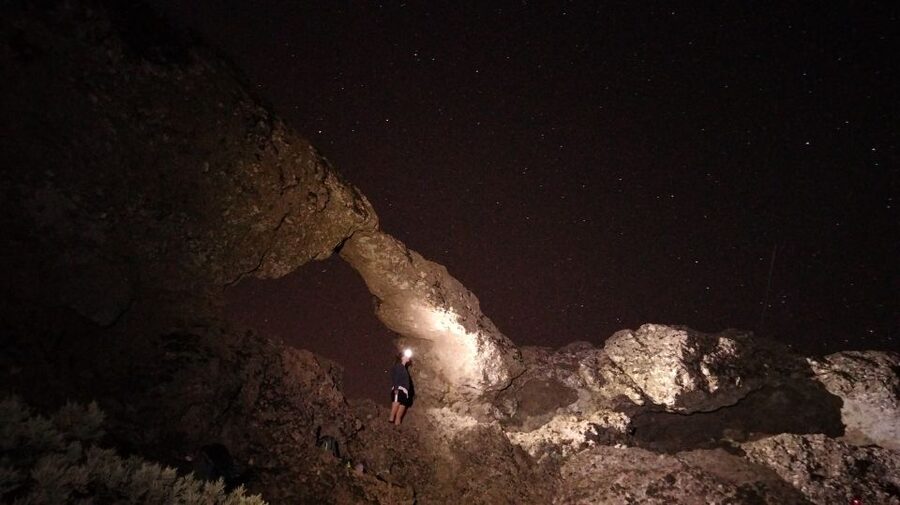
This tour fits best if you want a mix of outdoors and learning. It’s a good match for:
- People who like guided nature experiences with a clear payoff
- Couples and small groups who want a shared, calm evening activity
- Anyone curious about the night sky but intimidated by astronomy terms
- Travelers who want to learn patterns they can spot without gear
It might not be your best choice if you hate cold standing still or you’re not comfortable driving to a remote meeting point. Since you’ll be watching the sky and listening, you also want to be okay with slower moments.
And remember: telescopes are not used, so if your definition of astronomy tour is strictly “see planets through a giant lens,” this won’t be that kind of experience.
Before you go: what to pack for a comfortable night
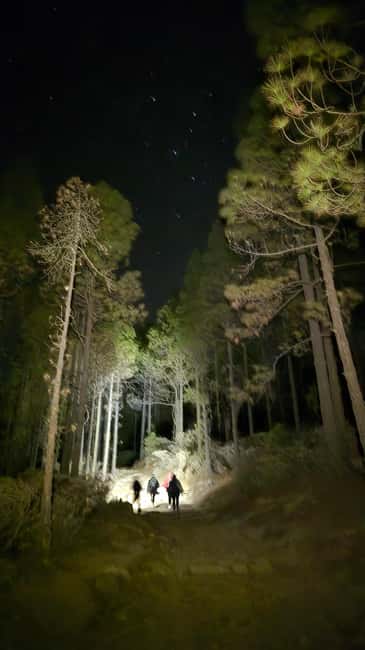
You’ll want to bring two main things: warm clothing and hiking shoes. The tour includes a blanket, but that doesn’t replace layers. If you tend to get cold easily when you’re standing still, pack extra warmth.
Good add-ons (not listed, but sensible for night hikes): gloves, a hat, and a small flashlight/headlamp with a low setting if you need to move around before and after. Keep it simple, and avoid blasting bright light while people are trying to look at the stars.
If weather is questionable, keep your plan flexible. The activity may change date depending on conditions, so don’t anchor other tight schedules right next to it.
Should you book this Tejeda sunset and night sky hike?
If your goal is to see the Milky Way and come away able to recognize the sky for yourself, I think this is an easy yes. The combination of sunset at Ventana del Nublo, a guided Camino walk, and telescope-free learning makes it feel more useful than most star tours.
Book it especially if you like tours that are small, paced, and guided by someone like Pablo who turns astronomy into something you can actually do again. The comfort extras—blanket, hot drink, snack—help a lot, too.
Skip it if you want a short, easy walk with zero cold exposure, or if you don’t have a way to get to the meeting point by car. This isn’t a “show up by bus” kind of evening.
FAQ
FAQ
How long is the Tejeda Sunset & Night Sky Guided Astronomy Hiking Tour?
The tour lasts about 3 hours.
What is included in the tour?
It includes a guided astronomy hike, a blanket, a light snack and hot drink, binoculars, and a screen for explaining astronomy concepts.
Do you use telescopes during the tour?
No. Telescopes are not used in this activity.
Is the group small?
Yes. The group is limited to 10 participants.
Do I need a car to reach the meeting point?
Yes. Transfer is not available, and public transport doesn’t work in these zones. You’ll need your own car.
Where do we meet, and can I park?
You meet at the campground area. You can also park there.
What should I bring?
Wear warm clothing and hiking shoes.
What languages are offered by the guide?
The live tour guide offers Spanish and English.
Can the date change due to weather?
Yes. Depending on weather conditions, the activity could require a change of date.