REVIEW · LUZON
Small-Group Weekend Hiking Tour to Banaue-Ifugao from Manila
Book on Viator →Operated by Uncharted Philippines · Bookable on Viator
Ifugao trails make your legs earn the views. This small-group weekend hike takes you from Manila to Banaue’s famous rice terraces and then deeper into Ifugao villages, waterfalls, and mountain paths with a real local feel. I like that it’s capped at seven travelers, so you don’t feel lost in the crowd, and you actually move at a human pace with your guide.
The biggest thing to think about is effort. This is very high-demand trekking, with six to seven hours of hiking most days on moderately hilly to steep terrain, and rain can make the steps slippery.
In This Review
- Key Highlights You’ll Care About
- Why This Ifugao Trek Feels More Local Than a Day Trip
- Getting From Manila: Overnight Bus, Winding Roads, and 9:00 pm Pickup
- Day 1: Banaue Orientation and Terraces That Start the Story
- Day 2: Banaue View Deck, Cambulo Hike, and Batad’s Amphitheater Terraces
- First, the tricycle + viewpoint stop
- Then, Cambulo: your first Ifugao village day
- Finish Day 2 in Batad
- Day 3: Tappiyah Waterfalls, Batad Village Time, and the Big Push to Bangaan
- Morning: Tappiyah waterfalls + terrace time
- After lunch: Batad to Bangaan
- Day 4: Around 3:00 am Arrival Back at the Start Area
- Pace and Fitness: Six to Seven Hours Daily on Steep Terrain
- What to Pack (and Why Two Days of Clothes Matters)
- Village Inn Comfort: Running Water, Communal Bathrooms, and Real Expectation Setting
- Price and Value: What $270 Gets You in Ifugao
- Who Should Book This Banaue–Ifugao Weekend Hike
- Tips to Enjoy the Rice Terraces More (Not Just See Them)
- Should You Book This Tour?
- FAQ
- What’s the group size on this Banaue–Ifugao weekend hike?
- How long is the trek?
- What time does the tour start, and where do we meet?
- How do we get from Manila to Banaue?
- Where do we sleep during the trek?
- Is food included?
- Are entrance fees included?
- How physically demanding is the hike?
- What’s the minimum age to join?
- What’s the cancellation rule if plans change?
Key Highlights You’ll Care About
- Max 7 travelers with a professional guide, so questions get answered and the pace stays workable
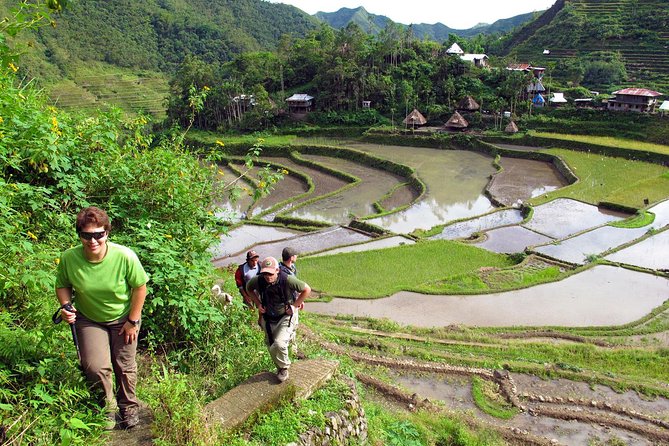
- Banaue Rice Terraces up close, including a viewpoint stop and later village hikes
- Tricycle ride + terrace viewpoint in the early part of the journey to get oriented fast
- Batad’s amphitheater-style terraces, with an overnight village inn and terrace views
- Tappiyah waterfalls stop on Day 3, plus a long hike onward to Bangaan
- Village lodging basics: running water, communal bathrooms, and one included breakfast
Why This Ifugao Trek Feels More Local Than a Day Trip
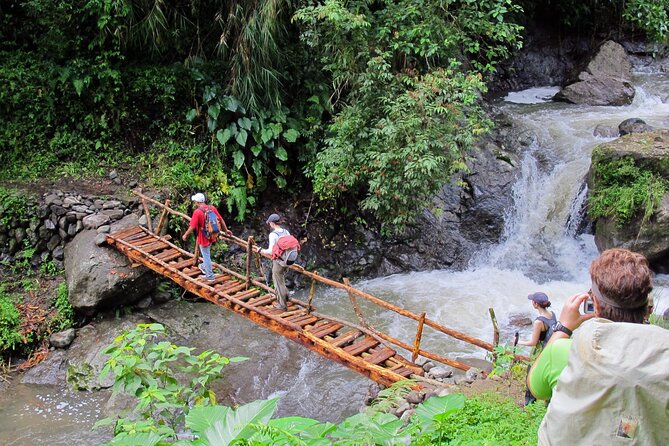
This tour strings together several Ifugao villages, not just one photo stop. You’ll hike from Banaue into the terrace belt, spend time moving through communities, and sleep in a village inn where daily life feels close by.
Two things make it special. First, the rice terraces aren’t just something you stare at from far away. Second, you get at least one real night in the area, so the trek doesn’t feel like a drive-by. One guide name you might hear in this region is Marvin, praised for knowing the area and making the walk feel meaningful; another guide name that came up is Jonathan, described as friendly and region-smart.
The trade-off is that you’re doing it the trekking way. Plan for real walking, not a casual stroll.
Getting From Manila: Overnight Bus, Winding Roads, and 9:00 pm Pickup
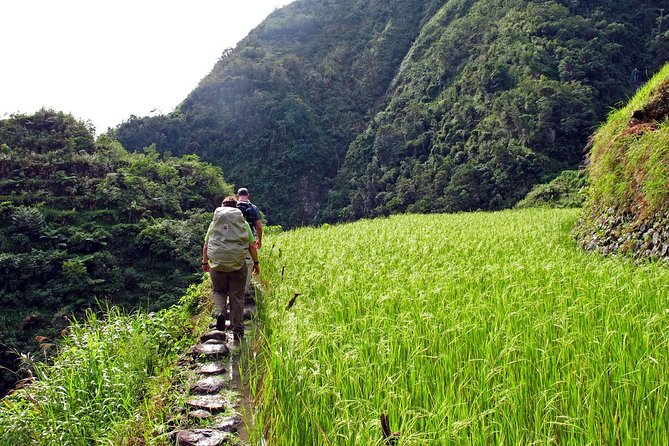
The tour starts late in the evening in Manila. You meet at Ohayami Trans sampaloc Manila on Fajardo Street, with a 9:00 pm start. Then the group rides an overnight bus through winding mountain roads so you can wake up closer to Banaue instead of burning a full day on transport.
This approach is practical if you want to maximize your actual trail time. It’s also a good reality check: your first day is mostly travel, so sleep matters. If you’re the type who gets cranky without a routine, pack small comfort items for the bus ride since you’ll be on the move at night.
The good news: the tour includes all land transport for the trip, and it returns you to the same meeting point area later.
Day 1: Banaue Orientation and Terraces That Start the Story
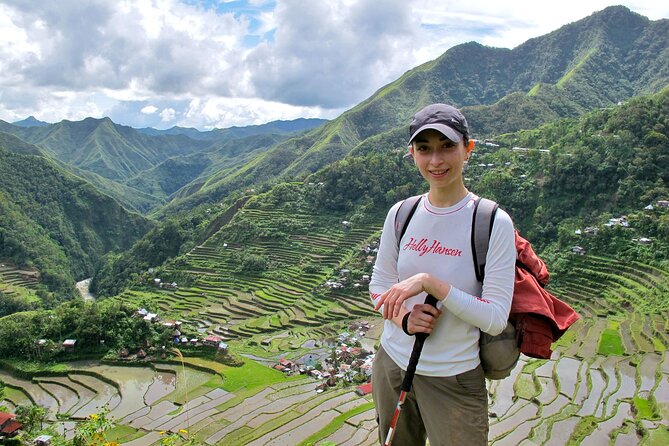
On Day 1, you assemble in Manila in the evening, then travel overnight. When you wake up, you’re in Banaue, home of the famed terraces that have been cultivated for centuries.
What I like about this day is that it sets context before the big hiking begins. You’re not dropped onto a trail with no frame of reference. Instead, you roll into the area and then spend the next day starting the hikes properly.
Also keep in mind that meals aren’t fully included on the trip. The tour includes one breakfast total, so Day 1 may come with extra food decisions. If you’re someone who needs steady eating to keep energy up, build in a simple plan rather than hoping you’ll find the perfect meal at the perfect time.
Day 2: Banaue View Deck, Cambulo Hike, and Batad’s Amphitheater Terraces
Day 2 is where the trek starts to feel real—walk time builds, and the terraces start showing up in your peripheral vision constantly.
First, the tricycle + viewpoint stop
Before hiking, you ride a tricycle (motorcycle with sidecar) to a Banaue rice terraces view deck. It’s quick (about 15 minutes), but it matters. You get orientation and can spot how the terraces step down the hillsides, which makes the later hikes easier to understand.
Then, Cambulo: your first Ifugao village day
From the area of Kinaking, you begin the trek toward Cambulo, the first Ifugao village on your route. You’ll hike about 4 hours to get there, with the terraces view deck stop on the way.
What’s useful here is the pacing. This isn’t a sprint. It gives you time to adjust your rhythm, test your footing, and settle in with the guide and group.
Finish Day 2 in Batad
After Cambulo, you continue to Batad Rice Terraces, walking about 3 hours more. Batad is known for its amphitheater-style terraces, which gives you that feeling of the hill being carved into rings of farmland.
The day ends with an overnight village inn and—based on the descriptions tied to this route—terraces you can see from where you sleep. That’s one of the reasons this trek works as a weekend: you go from transport mode to terrace mode fast, then you slow down again to rest in the village.
Practical note: the inn is basic. You’ll have running water, but bathrooms are communal. If you need private comforts, plan to keep expectations realistic.
Day 3: Tappiyah Waterfalls, Batad Village Time, and the Big Push to Bangaan
Day 3 has two parts: a morning hike with a waterfall stop, then an afternoon hike to the final village.
Morning: Tappiyah waterfalls + terrace time
You hike about 3 hours to visit Tappiyah waterfalls. After that, you explore the village and rice terraces of Batad for a bit before lunch.
This pacing is smart. The waterfall stop breaks up the “just walking downhill and uphill” rhythm. And the time in Batad gives your eyes and brain a breather, since you’re not only moving—you’re also looking more closely and learning the local setting.
After lunch: Batad to Bangaan
Then it’s another 3 hours hiking to Bangaan, the final village on the adventure. The route includes passing through terrace areas and villages along the way, and you’ll want to stay focused on footing because conditions can change quickly.
If it rains, expect slippery sections. The tour runs in all weather conditions, so shoes with grip matter a lot. I’d treat wet stone like it’s extra dangerous, because the terraces are beautiful partly because they’re steep and cut into uneven ground.
Day 4: Around 3:00 am Arrival Back at the Start Area
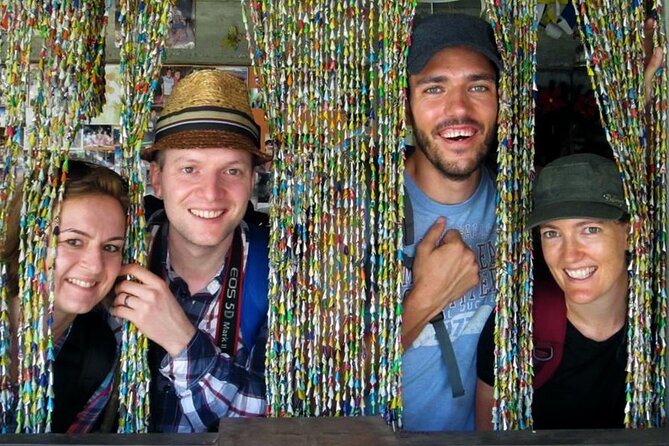
Day 4 is short in terms of “stuff to do,” but it’s not short in terms of schedule. You arrive at the bus station where your trip started at around 3:00 am.
That timing is common for tours like this, because the route is set up to get you back to Manila early enough to keep the trip efficient. So if you’re planning next-day travel, build in cushion time. Don’t schedule something demanding right after you get dropped near the end point.
The good side of ending early is that you’ve finished the hard part. Once you’re back, you can focus on shower time, recharging, and eating something that feels like a celebration meal.
Pace and Fitness: Six to Seven Hours Daily on Steep Terrain
The physical demand is the headline here. Each day involves six to seven hours of hiking, on terrain described as moderately hilly to steep. Even if you’re fit, this isn’t a “show up and cruise” hike.
If you train, you’ll likely do fine—especially because there’s a guide and group structure. But if your regular week is light walking only, you’ll feel it. This is a trek where your calves work even when you think they’re done.
How to self-check:
- Choose this only if you can comfortably hike for hours on uneven paths
- Expect slippery patches in rain since the trek operates in all weather
- Bring layers you can adjust quickly, because mountain weather changes fast
What to Pack (and Why Two Days of Clothes Matters)
You need to carry a backpack with two days worth of clothes. There’s an option to hire a porter, which can be a big deal if your pack feels heavy on the first steep segments.
Given the weather-operating plan, pack for rain. That doesn’t mean you need to waterproof everything like you’re on a rescue mission, but you do want gear that won’t turn into a soggy disaster.
Also pack for sweat. Even in cooler mountain air, you’ll be moving a lot. If your clothes stay wet from exertion, you’ll feel cold faster later in the day.
And don’t forget basics like blister prevention and water discipline. The tour can’t make the hills gentle, so you have to set yourself up for comfort.
Village Inn Comfort: Running Water, Communal Bathrooms, and Real Expectation Setting
The accommodation is included for one night in a village inn. You’ll get running water, but bathrooms are communal. The rooms are basic, and that’s part of the experience.
I like that the tour is honest about it. You’re not paying for a spa. You’re paying to sleep close to the terraces and wake up with the trek still in your body.
One small but important detail: breakfast is included, but double-check it at the inn. On this route, there was at least one case where an innkeeper mistake led to a charged breakfast; it was handled with a refund afterward. The takeaway for you is simple: when you’re handed your meal plan, confirm you’re getting what’s included before you assume it’s covered.
Price and Value: What $270 Gets You in Ifugao
At $270 per person, this trip is built around transport, guiding, entrance/activity fees, and one night of village lodging. Food costs extra beyond the one included breakfast.
Here’s how I think about value:
- You’re paying for a small group experience (max 7), which usually means better attention on the trail
- The tour includes all land transportation including the overnight bus in both directions
- You get a professional guide, plus fees associated with the activities you do
- You get practical overnight lodging in the trekking area instead of commuting back and forth
Where the cost isn’t included is also clear: meals, travel insurance (not included), and personal trekking gear. If you need to buy shoes or build a rain-ready kit, that can add to the real cost. If you already own good boots and basic rain gear, you’ll feel the value more strongly.
Also, group discounts are mentioned. If you’re booking with others who match your hiking pace, ask how discounts apply before you lock it in.
Who Should Book This Banaue–Ifugao Weekend Hike
This tour is a strong match for active hikers who want a real sense of the Ifugao region. It’s especially good if you care about walking through villages and not just snapping terrace photos.
It’s less ideal if:
- You want flat, easy trails
- You don’t do well with uneven footing or slippery conditions in rain
- You prefer private bathrooms and more comfort than basic village inns can offer
- You’re younger than 12 (minimum age is 12), or traveling with kids who can’t manage long hiking days with an adult
If you’re traveling solo, you’ll be in a small group anyway. If you’re traveling as a pair or a small group, keep an eye on hiking pace and plan to pack smart so nobody drags the group down.
Tips to Enjoy the Rice Terraces More (Not Just See Them)
Rice terraces are impressive, but they’re more impressive when you understand what you’re looking at. Here’s what helps:
- Use the view deck stop on Day 2 to spot how water and farming follow the contours of the hillsides
- Take your time when you see terrace amphitheater shapes in Batad. The way the terraces curve around makes photos look different from different angles
- On Day 3, treat the waterfall stop as a rest moment for your body and eyes, then get focused again for the hike to Bangaan
- If you’re prone to sore feet, consider a porter if your pack is heavy. It can mean less fatigue and better balance
And a small morale trick: keep your pace steady early. The trek is long, and the hills don’t care if you feel brave on Day 1.
Should You Book This Tour?
Book it if you want a structured, small-group trek that gets you into the heart of Banaue and Ifugao villages, with rice terraces you hike through and an overnight village stay. The combination of expert guiding, included transport, and terrace access makes the price feel more reasonable when you consider what’s actually included.
Skip it (or choose a gentler option) if you’re not ready for six to seven hours of hiking daily or you know rain + steep steps will stress you out. This is real trekking, not a casual weekend stroll.
If you’re on the fence, ask yourself one question: can I hike uphill and downhill for hours, even when it’s wet? If the answer is yes, this is a rewarding way to see Banaue the way it’s meant to be experienced.
FAQ
What’s the group size on this Banaue–Ifugao weekend hike?
The tour is limited to a maximum of seven travelers per booking, with a professional guide.
How long is the trek?
The duration is about four days.
What time does the tour start, and where do we meet?
You meet at Ohayami Trans sampaloc Manila at 9:00 pm.
How do we get from Manila to Banaue?
Overland transport is included, including an overnight bus from Manila to the Banaue area.
Where do we sleep during the trek?
Accommodation is included for one night in a very basic village inn, with running water and communal bathrooms.
Is food included?
Not fully. The tour includes one breakfast, but other meals cost extra.
Are entrance fees included?
Yes. Fees associated with the specified activities are included, including items listed as admission ticket included during the itinerary.
How physically demanding is the hike?
The physical demand is very high, with six to seven hours of hiking on moderately hilly to steep terrain each day.
What’s the minimum age to join?
The minimum age is 12, and children must be accompanied by an adult.
What’s the cancellation rule if plans change?
You can cancel up to 6 days in advance for a full refund. Cancelling closer to the start time reduces the refund amount, and cancellations less than 2 full days before start time are not refunded.