REVIEW · GILI ISLANDS
Rinjani Trekking Three Days Two Night Summit Lake
Book on Viator →Operated by Gili Recommended · Bookable on Viator
Rinjani on a schedule is still wild. I like the sunrise timing on both day two and day three, and I love the crater-to-lake payoff at Segara Anak. The big consideration: this is a demanding mountain trek, and the hiking can feel brutal if you are not an experienced trekker.
You’ll start at 7:00 am from Bangsal (Pemenang, Lombok Utara), move through fields and rainforest on day one, then work your way toward rim views, crater descent, and a summit sunrise at 3,726 meters. It’s designed for a small group (maximum 10 travelers) and confirmation comes at booking, with pickup offered—helpful when you’re trying to keep the logistics simple on the Gili side.
In This Review
- Key highlights at a glance
- From Bangsal to Base Camp: Why the 7:00 am start matters
- Day 1: Farmer fields and rainforest to Base Camp III
- Day 2: Rim views, a crater descent, and Segara Anak lake
- Day 3: Summit sunrise at 3,726 meters and the long way back
- Toughness check: Who this trek fits (and who should rethink)
- Price and value of a $519.54, 3-day trek in a small group
- Pickup, weather, and what to pack so you don’t suffer more than necessary
- The rhythm of a guided trek: how to get the most out of the small-group experience
- Should you book Rinjani 3 days/2 nights summit lake?
- FAQ
- What time does the trek start?
- Where do I meet for the trek?
- How long is the trek?
- Is this trek suitable for beginners?
- Are park tickets included?
- What’s the cancellation option if weather is bad?
Key highlights at a glance
- Small group size (max 10), which helps the trek feel organized without feeling crowded
- Sunrise built into the plan, including a summit target at 3,726 meters
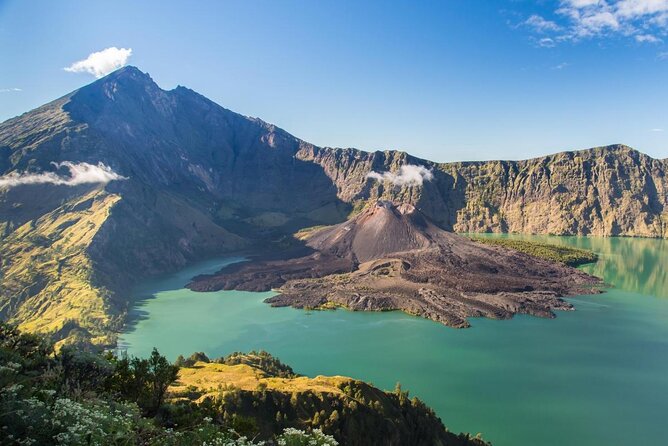
- Crater-to-lake time at Segara Anak, with a rim view and a long descent day
- Day 1 base camp rhythm, starting with farmer fields and moving into tropical rainforest
- Moderate fitness required, but listen closely to the warnings if you’re not used to steep hikes
From Bangsal to Base Camp: Why the 7:00 am start matters
This trek is timed around mountain weather and day length, and the early departure from Bangsal is part of the reason. A 7:00 am meeting point keeps you from spending your energy late in the day. On volcano treks, late starts also tend to compress rest stops and slow everyone down—then you pay for it later with fatigue when the grade turns steeper.
You’ll be operating in the Lombok Utara region (meeting point: Bangsal, 83352, Pemenang). That matters because the trek begins right away: you’re not just “getting to a trailhead.” You’re climbing through changing terrain from the start, so the morning hours help.
This is also one of those tours where pickup offered can be genuinely worth it. When you’re staying around the Gili Islands, you don’t want to be stress-juggling vans and timing while your body is supposed to be warming up.
Day 1: Farmer fields and rainforest to Base Camp III
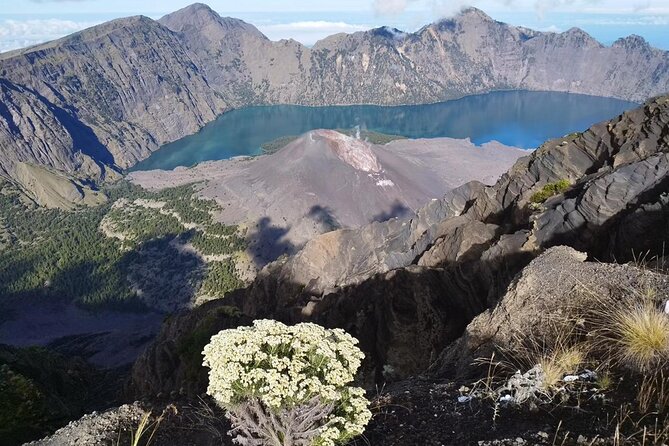
Day one begins with departure from the RTC area and a climb through local farmer fields and then tropical rainforest during the cool morning hours. That mix is more than scenery—it’s a pacing tool. Fields usually give you a steadier rhythm. Forested stretches tend to slow your pace naturally, and the air feels different, so your breathing changes. It’s a good warm-up if you treat it like training, not a race.
Around 12:00 pm, you reach Base Camp III for lunch. Hitting camp mid-day is useful because day one becomes about settling into altitude and effort. Even if you don’t feel “high” yet, you’ll feel the climb in your legs. A scheduled lunch stop matters because it gives you a chance to reset: eat, drink, and get your layers right for the next day.
What I like about this day’s structure is how it sets expectations. You climb, you stop, you eat, and you make camp. That reduces the common “we didn’t prepare enough” problem that happens on treks where day one is too rushed.
Possible drawback: day one can still be tiring even before the biggest days. If you come off a night with poor sleep or heavy heat exposure, your legs may feel it faster than you expect.
Day 2: Rim views, a crater descent, and Segara Anak lake
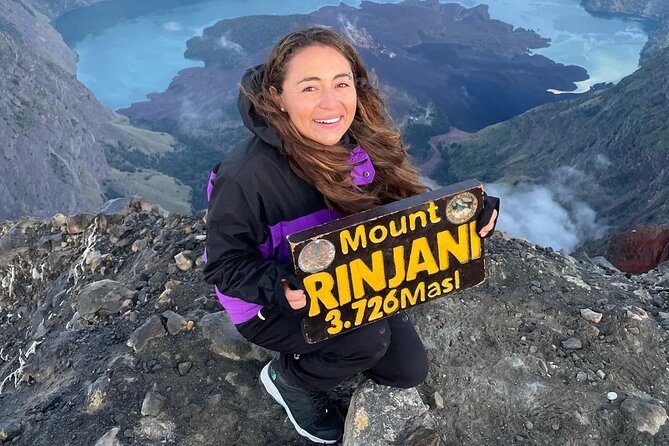
Day two is where the trek turns from “getting there” into “earning the view.” You’re in Mount Rinjani National Park, and there’s an option to get early for sunrise. Even if you skip the very early push, the day is built around views: you’ll have breakfast, then you’ll enjoy a lake view from the rim.
The key moment is the descent into the crater—about 2 hours down—so you can reach Segara Anak lake. This is one of the tour’s core reasons to exist. Rim views are dramatic, but crater descent changes everything: the air can feel cooler, the terrain more technical, and your sense of distance flips. You’ll get more involved with the environment because you’re moving in a steep bowl.
Why this day is valuable is simple: it combines two kinds of satisfaction.
- The rim gives you the big picture.
- The crater gives you the close-up reality.
Even though the itinerary text cuts off mid-sentence on the “once there, well enjoy…” part, you can treat it as guaranteed lake time inside the crater setting. That crater-lake experience is what people come for, and it’s also what makes day two the most memorable for many trekkers.
Consideration: day two is heavy on stairs and steep grades. If your knees are sensitive on downhills, plan for slow steps, short strides, and using trekking poles if you have them. Downhill effort often destroys confidence faster than uphill effort.
Also, you should expect the day to be long (the plan lists around 8 hours for day two).
Day 3: Summit sunrise at 3,726 meters and the long way back
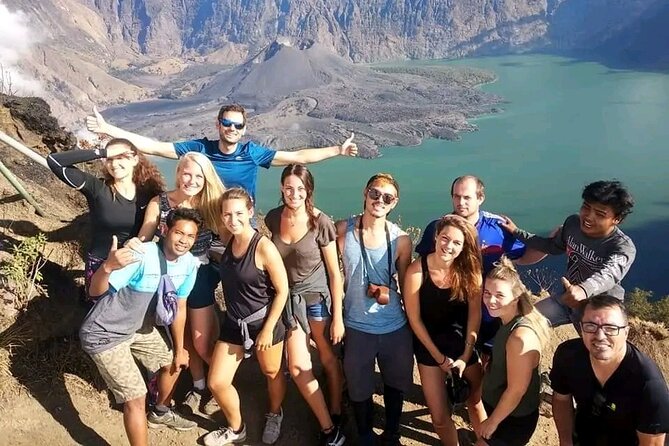
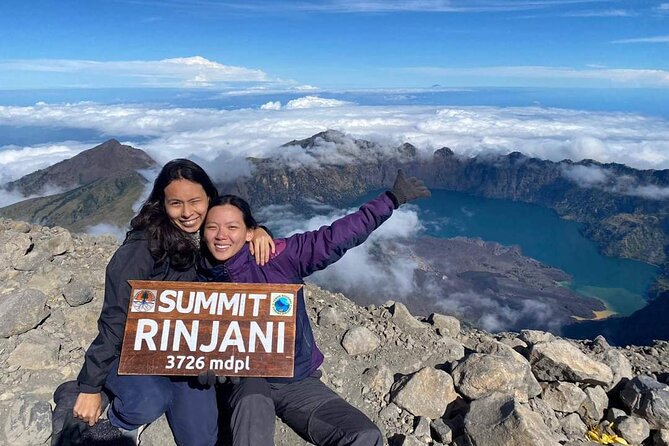
Day three is the payoff day: a climb targeting sunrise at 3,726 meters. The ascent is listed as about 3 hours to reach the summit to catch the morning light.
Here’s what that means in real terms: you’ll likely start in the dark or pre-dawn conditions to make sunrise. That changes how you feel—your body is colder at the start, but your effort rises fast once you’re moving. It’s not the kind of trek day where you can warm up slowly. You need to dress for early hours and move consistently.
After you take in the summit views from the top, you return to the camp for a late 10:00 am descent back down. That timing matters because it helps you finish day three with enough daylight for the trail return, while still leaving a buffer for fatigue.
What I like about this design: sunrise is not an optional extra sprinkled on top. It’s part of the plan, which means you’re not paying for a trek that just happens to include a view. You’re paying for a timed mountain experience.
Possible drawback: the summit push adds another “up and down” cycle to already exhausted legs. If day two drained you, day three can feel like it’s stacking effort on top of effort. This is exactly why experienced trekkers tend to rate these Rinjani routes higher overall.
Toughness check: Who this trek fits (and who should rethink)
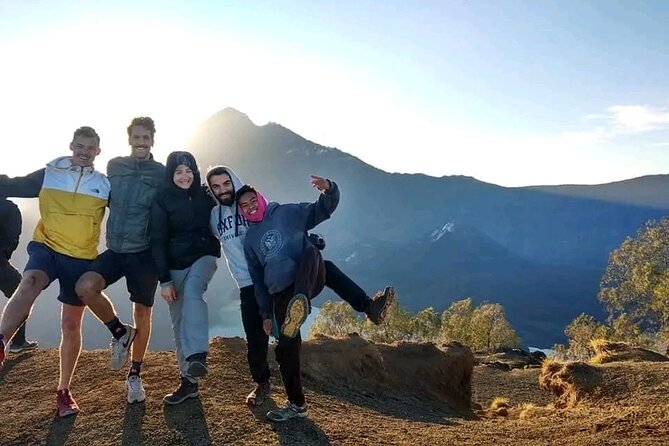
The tour is set for travelers with moderate physical fitness. That sounds friendly, but Rinjani doesn’t negotiate. The hiking includes climbing and descending across multiple days, and the summit day adds a steep early push for sunrise.
One caution that comes through strongly in the feedback is this: the scenery is spectacular, but the hike up and down can feel brutal. That’s not just a vibe. It’s a warning about workload. Two or three days of camping-style trekking still means you’re spending hours moving on rough grades, and “moderate fitness” should be read as: you need a hiking base already.
So, who should go?
- If you’ve done steep day hikes before and your knees handle downhill
- If you can handle early mornings and cold starts without getting cranky
- If you’re comfortable with long effort and you’re not looking for a lazy nature walk
Who might rethink it?
- If you’re new to trekking or unsure how your body handles 2–3 long days of elevation changes
- If you have knee issues or you know you struggle with steep descents
A helpful point from feedback: guides can sometimes adapt timing and duration if you have physical complaints. That flexibility can matter, but it shouldn’t be your plan A. Bring realistic expectations and tell the team honestly about how you feel.
Price and value of a $519.54, 3-day trek in a small group
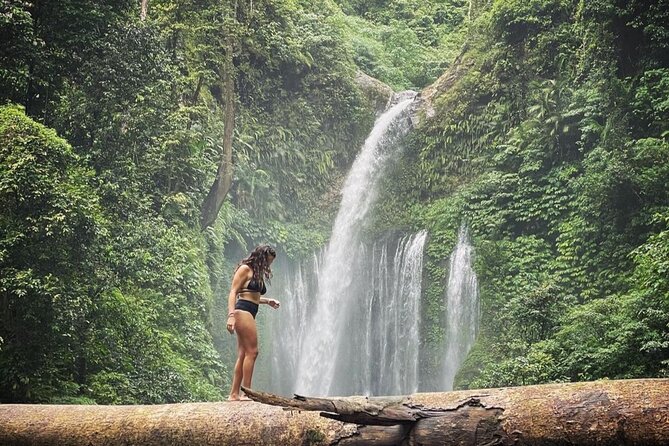
At $519.54 per person, this is not a budget trek. The value is in the package you’re buying: a multi-day Rinjani mountain program, guided, with park access structure built in, pickup offered, and a small group cap.
Also, timing and demand matter. This tour is typically booked around 28 days in advance, which tells me two things: people plan ahead for sunrise conditions and capacity fills. If you want specific dates, don’t wait too long.
Here’s where the price can feel fair:
- You get a structured 3-day progression (fields/forest day one, rim + crater/lake day two, summit sunrise day three)
- The group size is max 10, which often improves coordination and reduces the “cattle line” feeling
- You’re dealing with national park access and mountain timing—things that cost real effort and coordination
Park admissions also appear handled across days: day two includes an admission ticket (listed for about 8 hours), while day three lists admission ticket free. That suggests at least part of the access cost is managed by the tour rather than you figuring everything out on your own.
The real value question for you: is your body ready to cash in that sunrise reward? If you are prepared and treat this as a hike first, the scenery payoff can feel worth every step.
Pickup, weather, and what to pack so you don’t suffer more than necessary
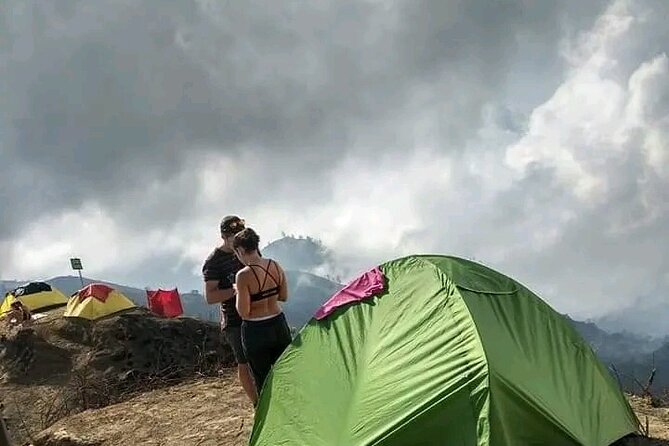
Weather is a big deal for volcano treks. This experience requires good weather, and if conditions are poor, you’ll be offered a different date or a full refund. That’s comforting, but it also means you should keep some flexibility in your Lombok schedule.
The tour schedule also starts early and expects long days. That’s why packing correctly matters more than packing fancy.
Since the provided details don’t list an equipment list, I’ll stick to practical essentials you should plan on for a Rinjani-style trek:
- layers for early morning cold and warmer afternoon climb
- good traction hiking shoes (trail slip is not a small problem)
- a way to carry water and a backup plan if water is limited
- sunscreen and a hat (even in cooler mornings, sun hits fast on ridgelines)
One more practical note: sunrise days can be chilly. Your body heats up from moving, but your hands and face can feel cold early on. Plan layers accordingly so you can focus on the climb instead of fighting the cold.
The rhythm of a guided trek: how to get the most out of the small-group experience
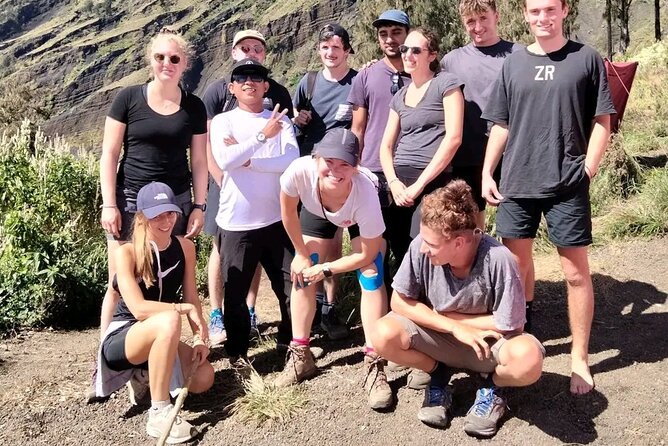
A max group size of 10 travelers can be a real quality boost. It usually means the guide can manage pacing better: you’re not forced into a single speed for everyone.
You can also get more from the hike if you let the day unfold instead of trying to conquer it. On day two, for example, you’re handling rim viewing, then a steep descent toward the crater lake. That takes energy and attention. If you push too hard early, you’ll regret it when the grade turns down.
On summit day, the plan is clear: climb about 3 hours, catch sunrise at 3,726 meters, then descend back. So the best strategy is simple: steady effort, controlled breathing, and short stops only when you truly need them.
And if you feel off physically, don’t “tough it out” silently. Feedback indicates the guide can respond to physical complaints and even help adjust plans in some cases. You still need to take responsibility for your limits, but it helps to know the human side of guidance exists.
Should you book Rinjani 3 days/2 nights summit lake?
Book it if:
- you want a sunrise-driven trek with rim views and Segara Anak crater-lake time
- you’re comfortable with long, steep hikes and early starts
- you’re aiming for a guided small-group experience starting from Bangsal with pickup
Skip or choose a gentler alternative if:
- you are new to mountain trekking or your legs don’t handle repeated climbs and steep downhills
- you’re only chasing views and you’d rather not spend multiple hours working for them
The decision comes down to one thing: are you ready to earn the sunrise? If yes, this route is built to deliver. If no, the same structure that makes it special can turn into a painful grind.
FAQ
What time does the trek start?
The meeting start time is 7:00 am.
Where do I meet for the trek?
The ticket redemption point is Bangsal, 83352, Pemenang Bar., Kec. Pemenang, Kabupaten Lombok Utara, Nusa Tenggara Bar., Indonesia.
How long is the trek?
It’s a 3-day experience (about 3 days).
Is this trek suitable for beginners?
The tour notes moderate physical fitness is required. It’s also described as very demanding for the hike, so if you’re not used to steep trekking, you should be cautious.
Are park tickets included?
Day 2 lists an admission ticket included. Day 3 lists admission ticket free.
What’s the cancellation option if weather is bad?
This experience requires good weather. If it’s canceled due to poor weather, you’ll be offered a different date or a full refund.