REVIEW · LINGUAGLOSSA
Etna North 2900mt Sunset: Summit area & Craters of 2002
Book on GetYourGuide →Operated by SicilyInsideOut · Bookable on GetYourGuide
Sunset on Etna hits different. This 3-hour Etna North 2900mt Sunset outing takes you from Piano Provenzana to the high slopes by 4×4 buses, then on foot toward the North-East crater area for a volcanic view “from the roof of Sicily.” It’s not only about rocks. You’ll also get the kind of sky-and-silence moment that makes you look up and keep looking.
I especially like the mix of transport and walking: the vehicles handle the rough access, while you still get a real leg-stretch at altitude. The other thing I love is seeing the volcanic evidence up close, including lava and volcanic sand along the rift created in the 2002 eruption, plus the scoria-and-bomb terrain around the crater zone. One possible drawback: the timing is tight, and the guide can start explanations as soon as the group reaches a point, so if you want to linger, plan for a faster pace.
In This Review
- Key Points You Should Know Before You Go
- How This 3-Hour Etna North Sunset Tour Fits Together
- Piano Provenzana to the 2002 Eruption Rift: The Scenic Build-Up
- Reaching the North-East Crater: Where the Observatory Lives
- The 300m Climb to the 2900m Viewpoint
- Sunset From the Viewpoint: What You Can See When It’s Clear
- Pace, Group Flow, and Safety on a Moving Schedule
- Price and Value: Why $89.50 Makes Sense Here
- Who This Tour Is Best For (and Who Should Skip)
- Should You Book Etna North 2900mt Sunset?
- FAQ
- FAQ
- How long is the Etna North 2900mt Sunset tour?
- Where does the tour start?
- What altitude will we reach?
- How much walking is included?
- How do we travel during the tour?
- Is the guide available in English?
- What should I bring?
- Are sandals or flip-flops allowed?
- Who should not join this tour?
Key Points You Should Know Before You Go
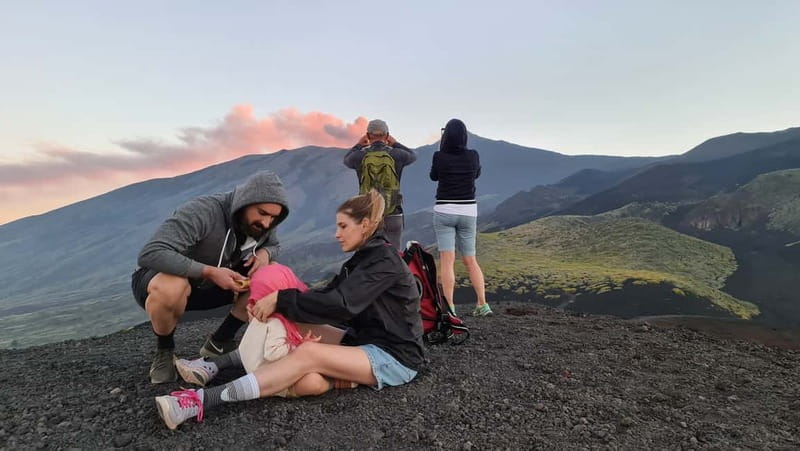
- 4×4 bus ride to the summit area: less strain, more time for the view and the walk
- North-East crater area at about 2900m: the volcano observatory is in this zone
- About 300m of climbing on foot: a true workout, but not an all-day hike
- Volcanic scoria and bombs underfoot: real volcanic material, not just scenery
- Sunset viewpoint with big visibility: in clear weather, you can see toward the Lion and Bove valleys
- Licensed volcanological guide in Italian or English: you’ll get context while you’re there
How This 3-Hour Etna North Sunset Tour Fits Together
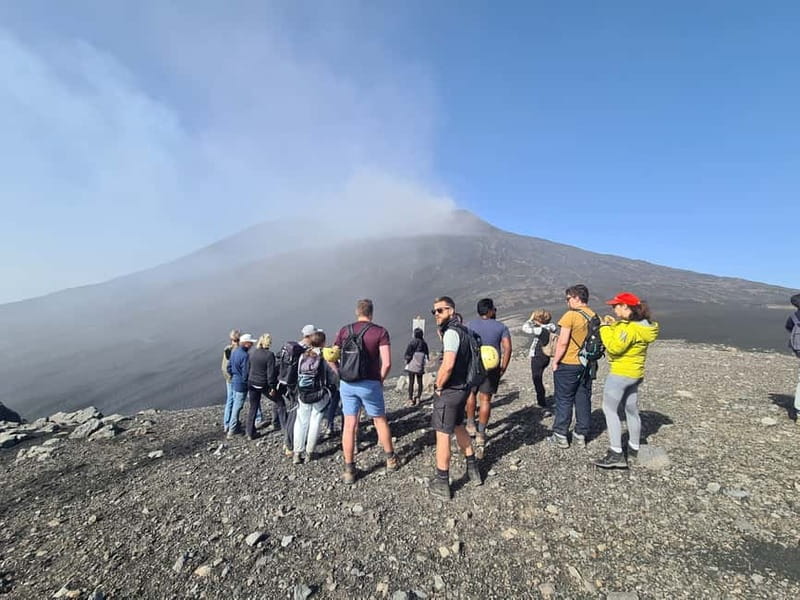
This is a short, high-altitude excursion built around one main idea: get you to the Etna summit zone for sunset without spending the whole day getting there. You start at Piano Provenzana, then use off-road 4×4 transport to reach the crater-side areas. After that, you walk a section that includes an uphill climb of about 300 vertical meters, finishing at a viewpoint around 2900m.
The tight duration is part of the value. In a few hours you go from accessible start points to a landscape shaped by eruptions, then you end with sunset. If you like slower, long hikes, this won’t feel like that kind of tour—but it’s ideal if you want impact and efficiency.
Piano Provenzana to the 2002 Eruption Rift: The Scenic Build-Up
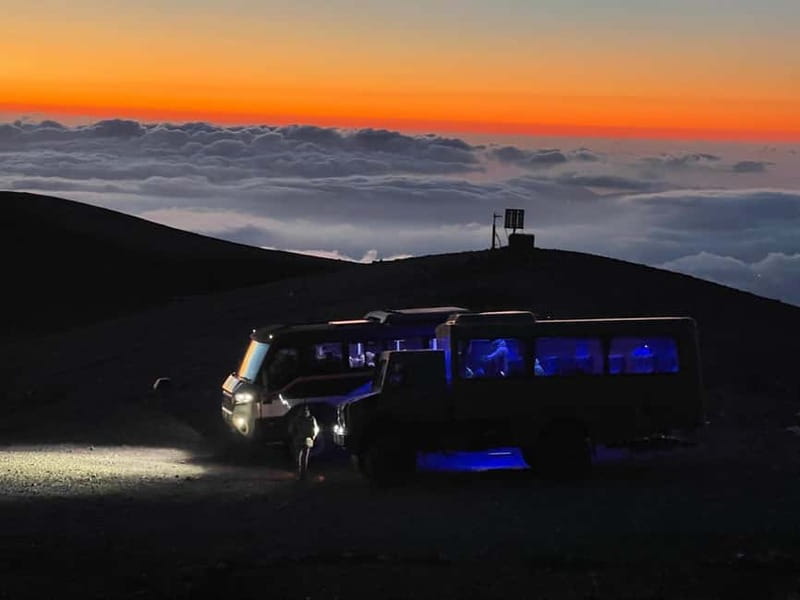
Your tour starts at Piano Provenzana, and the early chunk is about setting you up for what comes next. You’ll travel by off-road vehicle on mountain terrain, reaching high slopes framed by volcanic materials. Along the way, you see lava and volcanic sand associated with the rift created in the 2002 eruption—a reminder that Etna’s activity is written into the ground.
This is where wearing the right clothes matters. You’re at altitude, and wind can change fast near the summit areas. Bring a windbreaker and long pants, because the terrain includes rough volcanic ground and you’ll be happier staying covered when conditions turn chilly.
Also, pay attention to the simple rule on footwear: no sandals or flip-flops. You’ll be walking on volcanic scoria and uneven ground later, and you want grip and protection from the start.
Reaching the North-East Crater: Where the Observatory Lives
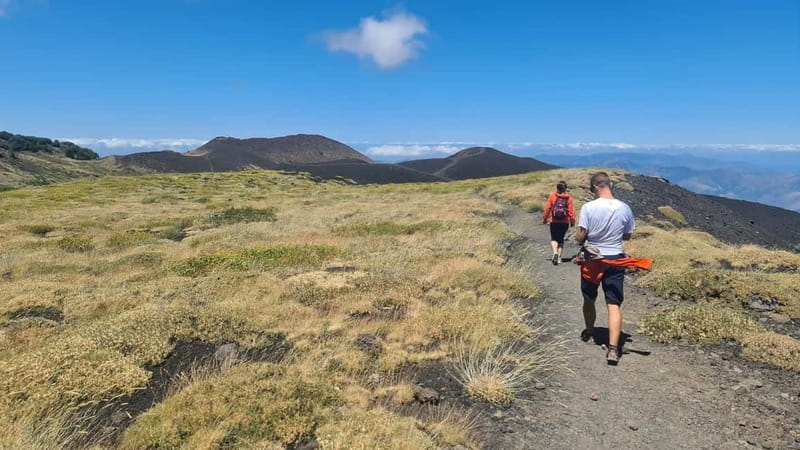
After the first stretch by vehicle, you move up to the North-East crater area, where the volcano observatory is located. The tour info places you at about 2900 meters in this zone. From here, the walk begins—right into volcanic material like scoria and bombs, which are common on Etna and can look rough and sharp underfoot.
This part is the heart of the science angle. A view is great, but it’s even better when you understand what you’re standing on. With a licensed volcanological guide (available in Italian or English), you’ll connect the terrain to volcanic processes instead of just admiring the shapes.
Practical tip: keep your pace steady. Even if you’re generally fit, the combination of altitude and uneven footing can slow you down. You don’t need to race; you need to stay comfortable so you can enjoy the viewpoint when you get there.
The 300m Climb to the 2900m Viewpoint
Once you start walking, you’re working against the altitude and the slope. The tour includes a climb of roughly 300 meters, ending at the viewpoint height of about 2900m. It’s described as a path surrounded by scoria and bombs, which means you’re not just walking on dirt. You’re walking on volcanic debris.
This is where you get the big “roof of Sicily” feeling. The climb isn’t advertised as a long trek, but it is enough to make you breathe a little harder. If you’re coming off a relaxed day elsewhere, plan to take it easy and let your body catch up.
Timing also matters here for sunset. The climb and the later stop aren’t interchangeable. You’ll want to follow the guide’s rhythm so you arrive at the viewpoint with enough light to enjoy the sky shift—when the volcanic textures start looking dramatic.
Sunset From the Viewpoint: What You Can See When It’s Clear
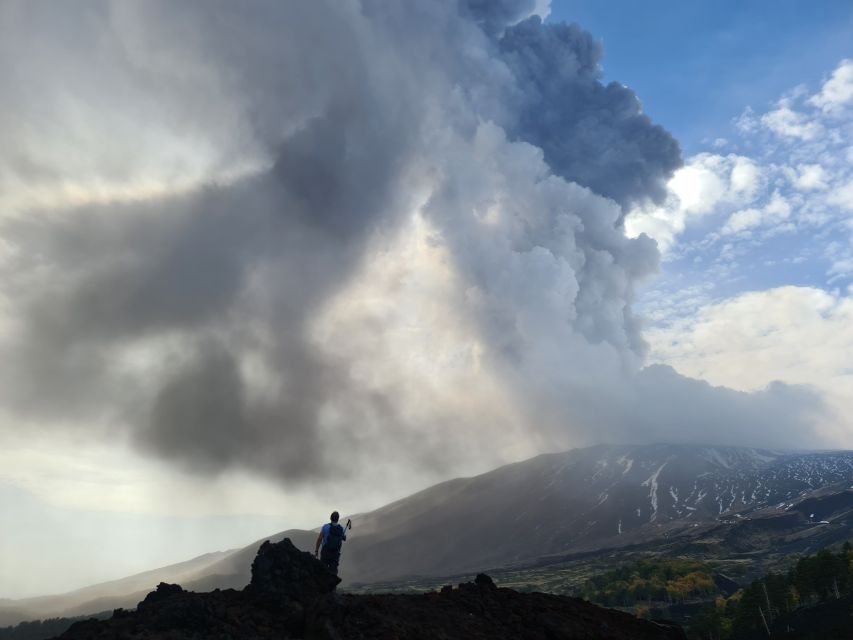
At the viewpoint, you pause to take it all in. The tour is built around the idea that you’ll see the volcanic environment’s “processes” and feel the scale of Etna’s activity in the terrain around you. This is the moment you slow down: stop, look, and let the colors and shadows do their job.
In clear weather, the view stretches enough that you can spot features known as the Lion and Bove valleys. Those names are useful because they give your eyes landmarks. Even if you don’t study geology at home, you’ll still be able to orient yourself and appreciate the different directions of the slopes.
A small reality check: sunset depends on visibility. If clouds roll in, you’ll still get Etna’s summit atmosphere, but the ability to see those far-off landmarks may be limited. If you’re booking, choose a day that gives you the best chance of clear skies.
Pace, Group Flow, and Safety on a Moving Schedule
This tour is short, and that affects how it feels on the ground. The schedule can be hectic, especially during key transitions when the guide starts explaining once you reach certain points. If you tend to take time at each stop—checking every angle, reading every detail—you may wish you had a bit more breathing room.
That doesn’t mean it’s chaotic. It means you’ll be part of a system where movement is constant and explanations are timed to the route. Go in ready to listen while you move, then enjoy the big pause at the viewpoint for true downtime.
Now the safety notes you should take seriously. This tour is not suitable for people with respiratory issues, altitude sickness, pregnancy, heart problems, or high blood pressure. That’s not a guess; it’s stated for a reason. You’re at high altitude and you’ll climb on foot. If any of those apply, skip this one and choose a lower-altitude option.
Other rules are simple but important: no alcohol or drugs, and wear gear that matches cold wind and rough ground. If you get cold easily, bring a layer under your windbreaker.
Price and Value: Why $89.50 Makes Sense Here
The price is $89.50 per person for a 3-hour experience. On the surface, that’s not “cheap,” but it’s not random pricing either. You’re paying for two big things: a licensed volcanological guide and round-trip transportation by 4×4 bus to remote summit-side terrain.
Most people don’t value the transport part until they try it. Etna’s higher zones are not set up for casual wandering. The 4×4 buses shorten travel time and reduce the effort it would take to reach the same areas on your own. That matters because the tour is only 3 hours—there isn’t room for a slow approach.
You also avoid extra hassle with skip-the-ticket-line. And the guide being available in both English and Italian means you’re not stuck with vague explanations. You’re there to understand what you’re seeing, and the structure supports that.
Who This Tour Is Best For (and Who Should Skip)
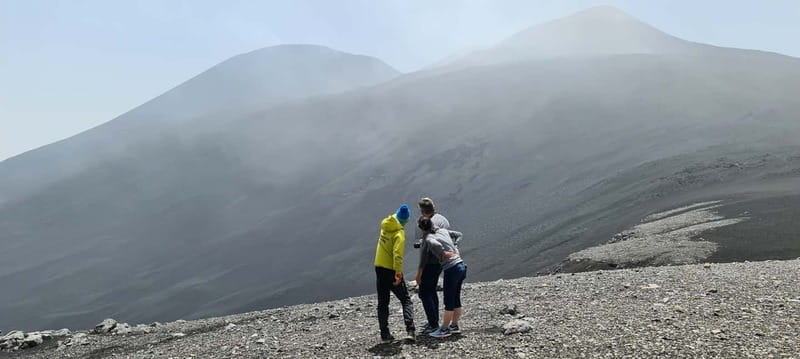
This excursion is for you if you love nature, want dramatic sunset views, and enjoy seeing a place with an active-story behind it. The tour says it’s not only for geology fans, and that tracks. Even if you’re not chasing scientific facts, the volcanic terrain plus the crater-side viewpoint gives you a powerful sense of place.
You should also be comfortable with the physical side. The walk includes about 300m of climbing on volcanic ground at altitude. You don’t need to be a mountain athlete, but you do need to be game for a real uphill effort.
On the other hand, I’d skip it if you’re dealing with altitude limitations or any of the health constraints listed: altitude sickness risk, respiratory issues, heart problems, high blood pressure, or pregnancy. And if you really dislike fast transitions, consider that the guide may move quickly between points rather than pausing for long rests.
Should You Book Etna North 2900mt Sunset?
Book it if you want a focused Etna sunset outing with real access. The combination of 4×4 transport, a licensed volcanological guide, and a viewpoint at about 2900m makes the short duration feel worthwhile. It’s especially good for people who want a geology-flavored experience without turning it into a full-day marathon.
Don’t book it if you’re expecting a slow, lingering hike. The pace can feel rushed, and you’ll get the most enjoyment by following the group rhythm and saving your longest pause for the final viewpoint.
If you can handle altitude and you’re aiming for clear-weather sunset, this is a strong pick. You’ll come away with both a view and context—an Etna experience that’s bigger than photos.
FAQ
FAQ
How long is the Etna North 2900mt Sunset tour?
It runs for about 3 hours. Starting times depend on availability.
Where does the tour start?
The meeting point is Piano Provenzana.
What altitude will we reach?
The tour involves areas around 2900 meters, including the North-East crater zone and the viewpoint area.
How much walking is included?
You’ll walk a route that includes a climb of about 300 meters before reaching the viewpoint.
How do we travel during the tour?
You use round-trip 4×4 bus transportation to reach the summit area and crater-side locations.
Is the guide available in English?
Yes. The live guide works in Italian and English.
What should I bring?
Bring a windbreaker and long pants.
Are sandals or flip-flops allowed?
No. Sandals and flip-flops are not allowed.
Who should not join this tour?
It’s not suitable for people with respiratory issues, altitude sickness, pregnancy, heart problems, or high blood pressure. Alcohol and drugs are also not allowed.