REVIEW · CUSCO
Rainbow Mountain and Red Valley Hike – 2 Days / 1 Night
Book on Viator →Operated by Salkantay Trekking · Bookable on Viator
One fast start. Big mountain payoff. This 2-day, 1-night trek from Cusco takes you from Ausangate valleys up toward the first views of Rainbow Mountain, then into the Red Valley before heading back down. What makes it special is that the route doesn’t just chase one famous photo spot. You’re out on high-altitude trails long enough to feel the place, from alpaca-filled passes to starlit camp time.
I especially like two things: the way the day is paced (you get time to breathe, look, and learn), and the food. The chef-driven breakfast on day 1 and dinner at camp are real fuel, not just a snack break, and the overall meal setup matters when you’re hiking at altitude. On top of that, our guide Marco made a difference with clear explanations and a calm presence on the climbs.
One consideration: this is a challenging trek and the early starts are serious. You’ll want strong fitness and you’ll benefit a lot from arriving in Cusco at least two days early to adjust to the altitude, since you’ll be high and cold from the very beginning.
In This Review
- Key things you’ll notice on this hike
- Two days of high altitude views: how the rhythm feels
- Day 1 on Ausangate: passes, alpacas, and your first big photo moment
- Puka Pass and the first sight of Ausangate
- Camp at Surinecocha and the stars
- Day 2 to Vinicunca and Red Valley: timing matters more than hype
- Rainbow Mountain viewpoint: what you’re actually looking at
- Red Valley’s Mars-like terrain and two observatories
- What’s included (and why it adds real value)
- Guide quality: Marco’s impact is the kind you feel
- Getting ready in Cusco: altitude is the real boss here
- Gear and comfort tips that match how this tour runs
- Who this hike is best for (and who should rethink it)
- Price and logistics: is $415 worth it?
- Should you book this Rainbow Mountain and Red Valley trek?
- FAQ
- How long is the Rainbow Mountain and Red Valley hike?
- Where does the tour start?
- What time is pickup or the start?
- What meals are included?
- Is camping equipment provided?
- How much luggage can I bring?
- Are entry fees included?
- Is safety equipment included for altitude concerns?
- Is horse assistance included?
- Are vegetarian or vegan meals available?
- Is there a recommended amount of time to acclimate in Cusco?
Key things you’ll notice on this hike
- 4:30 am start timing: you’ll begin early enough to beat crowds and get your best light on the viewpoints
- Ausangate focus on day 1: you’re not rushed straight to Vinicunca; you build altitude and get the mountain context first
- Hot coca tea at camp: a small comfort that helps you handle the cold morning hike
- Rainbow Mountain + Red Valley variety: one day for big peaks and passes, another for “Mars-like” terrain and observatories
- Small group size (up to 12): easier to move together, listen to the guide, and manage the pace
- Safety support included: first aid kit plus oxygen supply, along with trekking poles and a rain poncho
Two days of high altitude views: how the rhythm feels
This trek is built like a classic Andean altitude itinerary: you climb gradually, you stop often for viewpoints, and you spend one night camping so day 2 feels like a focused mission rather than a nonstop grind. The timing is early—pickup around 4 am, with the planned start time listed as 4:30 am—but that’s part of the value. You’re more likely to get clear views and a quieter experience than you would with a later start.
Physically, you should think in terms of “steady hiking” more than “all-out sprinting.” Day 1 includes multiple passes and a mix of uphill and downhill sections. Day 2 is shorter in total hours, but it includes a second climb after you’ve already been at altitude and you’re dealing with the thinner air. If you treat each hour like a job—slow pace, steady breathing—you’ll enjoy it.
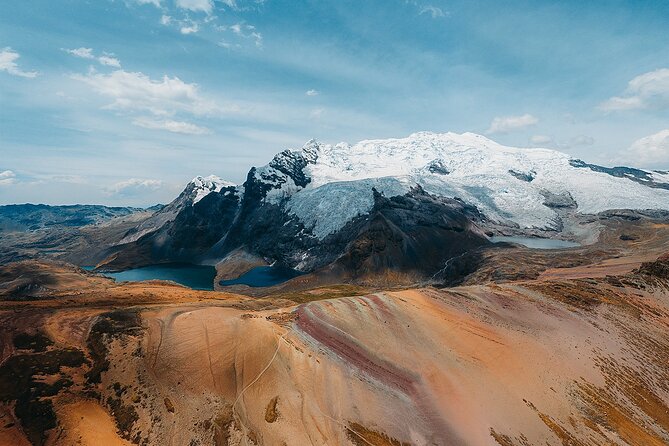
And yes, the scenery is why people book. But the real satisfaction comes from how the views unfold: first you see the Ausangate region and lagoon area from higher ground, then you crest into Rainbow Mountain’s colors, then you shift gears into the Red Valley’s surreal terrain.
Day 1 on Ausangate: passes, alpacas, and your first big photo moment
Day 1 begins with pickup in Cusco and a drive to Quesiuno, the starting point of the trek. Once you arrive, you’ll start with breakfast made by the chef and receive safety instructions from the guide. That warm-up matters. At this altitude, you don’t want to start cold, hungry, and unsure how the day will go.
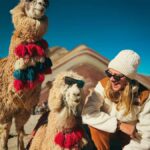
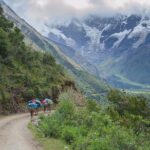
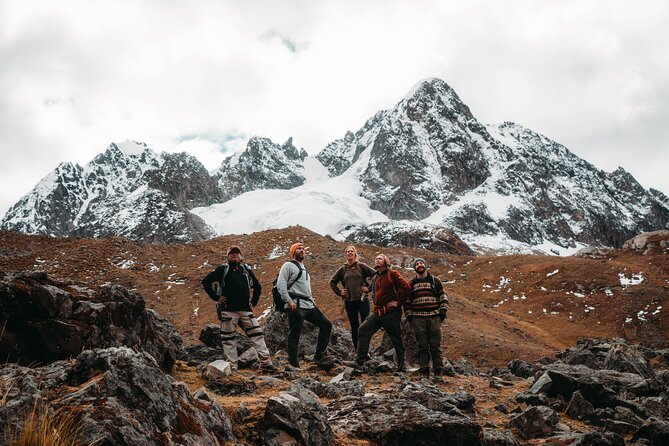
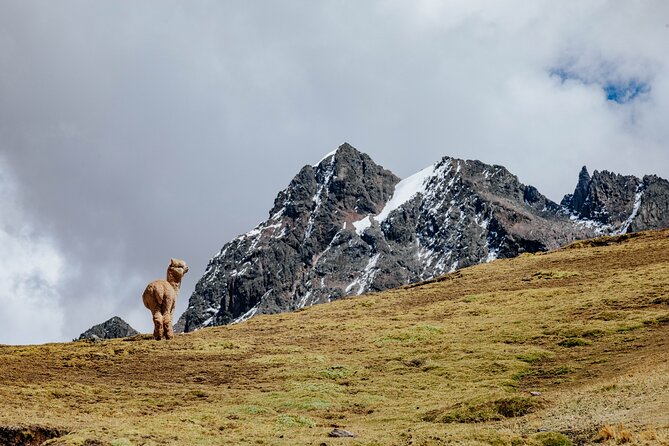
From there, you’ll hike through a valley described as green and reddish, with stops that make the route feel lived-in rather than just scenic. You’ll pass the Puka Pass, and this is where you get the kind of Andean wildlife spotting that doesn’t feel staged—alpacas along the trail. The trail to the pass is also where you begin to understand the geography: not just “mountains everywhere,” but ridges, basins, and that strong sense of high, open space.
Puka Pass and the first sight of Ausangate
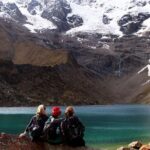
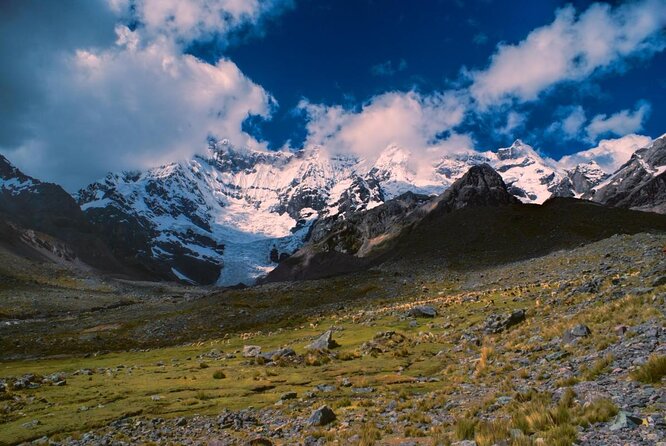
Once you reach the pass, you’re treated to your first major view: Nevado Ausangate and Pukaqocha lagoon at the mountain’s base. This is one of the tour’s best strengths. You’re not only heading toward Vinicunca; you’re building context. Ausangate dominates the region, and seeing it from the pass helps the next day’s Rainbow Mountain make more sense.
After pictures, you continue to the lunch area and then hike on toward Warmisaya Pass. This is where the trail gets a little more “up and down,” and you may get your first glimpse of Rainbow Mountain colors during this transition stretch. It’s not necessarily the full viewpoint moment yet, but it gives you something to look forward to.
Camp at Surinecocha and the stars
By the end of day 1, you reach camp at Surinecocha. Dinner is served there, and the timing is set so you can still look up and enjoy a clear starry sky before sleep. Camping with all the basics included is another value point. The tour provides camping equipment like tents, sleeping pads, and sleeping bags, plus tables and chairs. You’re not improvising gear in the dark.
The experience on day 1 is about getting your body into rhythm and letting the scenery get bigger in stages. It’s also where your guide’s tone counts. In my experience-style read of this trek, a good guide keeps you from rushing and helps you feel safe, especially on passes.
Day 2 to Vinicunca and Red Valley: timing matters more than hype
Day 2 starts early, and the tour keeps things practical. You’ll wake up in your tent with hot coca tea, which is a simple detail that’s genuinely useful when temperatures drop at altitude. Then you head toward Vinicunca (Rainbow Mountain).
Here’s the key structure: it’s about a one-hour walk to the viewpoint, and you’re aiming to be there early. That early arrival isn’t just for comfort. It improves your chances of clearer views and gives you the best shot at seeing the mountain colors without as much chaos.
Rainbow Mountain viewpoint: what you’re actually looking at
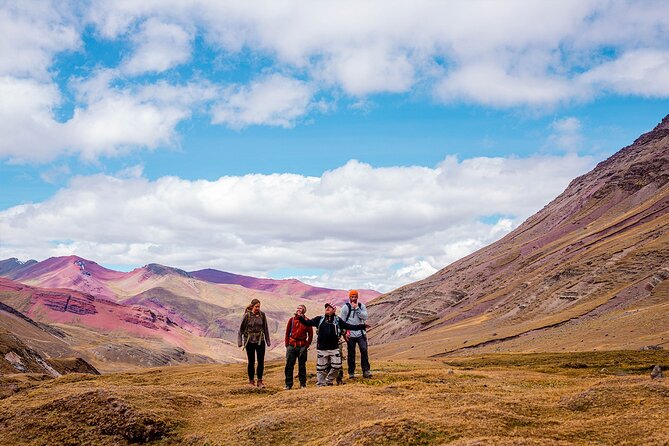
At the viewpoint, you’ll get panoramic views of Ausangate along with Rainbow Mountain itself. This is also where the guide offers explanation—often the kind of context that helps you connect what you see with how the area formed. You’re not just collecting a photo; you’re learning what’s driving those striking bands of color.
Then you continue with another climb of about an hour to the Red Valley observatories. This is important: you’re building altitude twice on day 2. If you keep your pace controlled, it becomes a manageable effort. If you go too fast on the first climb, the second one can feel tougher than it needs to be.
Red Valley’s Mars-like terrain and two observatories
The Red Valley portion is built around two observatories, so you see the terrain from different angles. The terrain is described as Mars-like, and that checks out in spirit—earthy reds, unusual shapes, and that “this looks like another planet” mood you get when the rock and erosion patterns are exposed high up.
You’ll also have a chance to meet local communities before you descend and head back to transport. Then the tour finishes with lunch midway through Cusco and a drop-off around 4 pm. That timing gives you enough energy to enjoy Cusco afterward without feeling like you’re flying straight from altitude exhaustion into city life.
What’s included (and why it adds real value)
When you compare trekking tours, the “included” list tells you whether you’re buying convenience or just paying for route access. In this case, the included items are where the value shows up.
- Camping equipment included: tents, sleeping pads, sleeping bags, plus basic camping setup
- Luggage transport on the hike (7 kg): this is a big deal. It reduces how much you carry during the hardest moments
- Entry fees included for Rainbow Mountain and Red Valley
- First aid kit and oxygen supply: not a guarantee, but it’s a reassuring safety layer for a high-altitude trek
- Trekking poles + rain poncho: the poncho matters if weather shifts suddenly
- Water and snacks during the trek: helps you stay consistent between meals
- Private transport and transfers during the tour: you’re not playing bus roulette when schedules and altitude matter
- Meals included (breakfast, lunch, dinner): and day 1 breakfast is by the chef, not a minimal roadside option
Another small but meaningful value detail: the tour caps group size at 12 travelers. In a trek like this, that impacts noise levels, pace matching, and how easily the guide can keep the group together on climbs and transitions.
Guide quality: Marco’s impact is the kind you feel
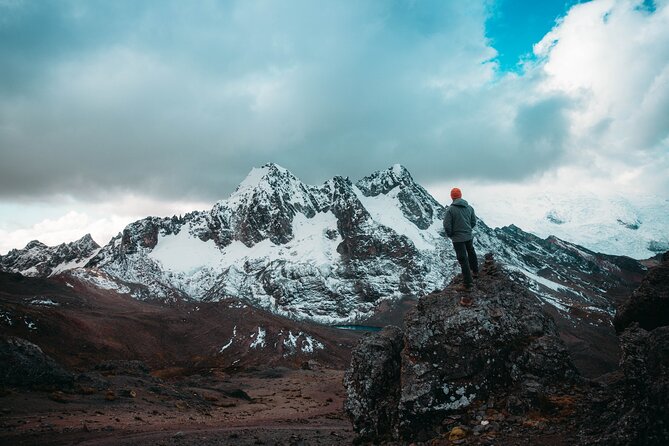
One of the strongest signals from the experience is guide quality. Our guide Marco came through as a standout. The difference wasn’t just friendliness—it was how the guide shaped the day: clear instructions early on, steady guidance during passes, and explanations that helped you understand what you were seeing.
You’ll want that kind of guide for a few reasons. First, altitude turns “simple hiking” into a bigger effort. Second, routes have multiple decision points (passes, viewpoint timing, second-day climbs). A confident guide makes it feel structured instead of stressful.
If you’re booking this trip, treat the guide as part of the value, not an extra. Look for a company that provides experienced mountain guides and makes safety and pacing part of the job.
Getting ready in Cusco: altitude is the real boss here
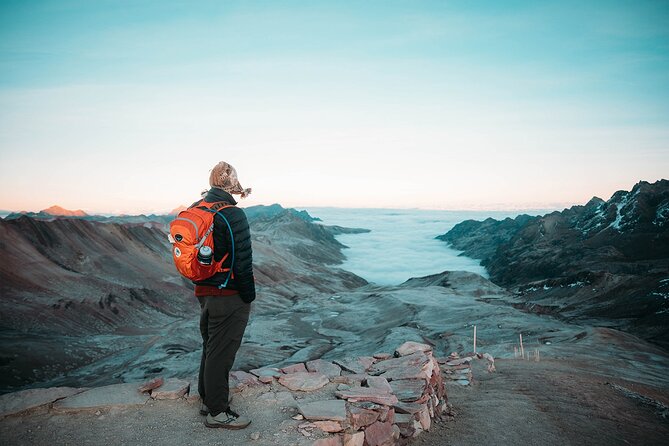
The trek itself can be trained for, but altitude is harder to “power through.” That’s why it’s recommended to arrive in Cusco at least 2 days before you hike. This isn’t just polite advice. Your first day at altitude in Cusco is often when people feel winded faster than expected.
A good rule: do less than you think your body can handle for those first days. Walk a bit, eat, hydrate, and get a feel for how your breathing works. Then on trek day, you can focus on steady steps.
You should also have a strong physical fitness level. The itinerary includes passes and uphill sections on both days. If you’re used to hiking with a moderate incline, you’ll likely be okay. If you haven’t hiked in months, build up gently before you go.
Gear and comfort tips that match how this tour runs
This trek gives you important gear like sleeping bag and sleeping pad, plus trekking poles and rain ponchos. Still, your comfort depends on your personal choices.
Plan for cold mornings and quick weather shifts. You’ll be up early, and you’ll camp overnight. Even if skies look friendly, you can feel the temperature drop at night and while you’re waiting for viewpoint timing.
Also consider how you manage layers and footwear. You’ll be hiking for hours, and the terrain includes up-and-down stretches. Comfortable boots and moisture-wicking layers matter more than anything flashy.
Finally, be smart about luggage. Since the tour allows 7 kg luggage transport, you can travel lighter on your body. That helps you stay steady on the climbs.
Who this hike is best for (and who should rethink it)
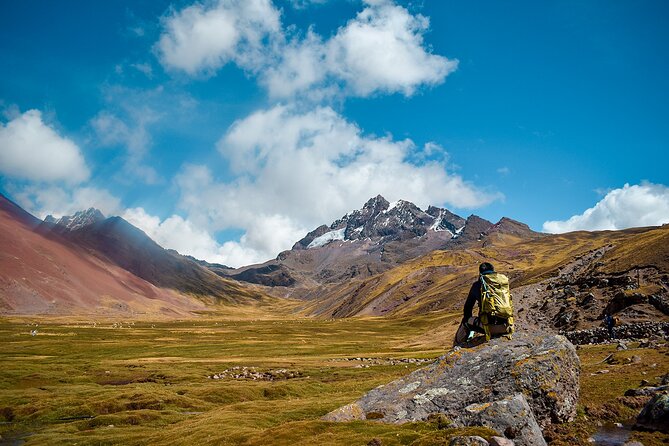
This is a great choice if you want a small-group, guided high-altitude trek with real payoff viewpoints: Ausangate, Rainbow Mountain (Vinicunca), and Red Valley across 2 days / 1 night.
It’s also a strong match if you like structure: breakfast and safety brief at the start, meals planned, camp set, viewpoints timed, and a clear end around 4 pm on day 2.
You might rethink it if:
- you’re not confident with altitude or haven’t given yourself time in Cusco to adjust
- you dislike early mornings and long days of hiking
- your fitness level is low and you’d struggle on passes and second-day climbs
For families, note that children 12 and over can participate if accompanied by a responsible adult at all times.
Vegetarian or vegan options are available—just tell the operator when booking.
Price and logistics: is $415 worth it?
At $415 per person for a 2-day, 1-night trek, you’re paying for more than a walking route. You’re getting a package that covers:
- a guide and safety support (including oxygen and first aid)
- camping gear and one night of logistics
- meals across both days (including chef-prepped breakfast and dinner at camp)
- private transfers and return drop-off timing
- entry fees for Rainbow Mountain and Red Valley
- trekking poles, rain poncho, and snack/water support
- luggage transport up to 7 kg
If you were to assemble these pieces yourself—permits, guides, transport coordination, camping gear, and entry fees—the total usually climbs fast. Here, the structure is built-in, and the small group size (max 12) adds practical value. The price feels most fair when you want the experience to run smoothly and you don’t want to source or rent key items last minute.
One reason this trek stands out in value: day 1 and day 2 are both used well. You aren’t paying for a quick in-and-out of one viewpoint. You’re out long enough to see Ausangate context, Rainbow Mountain, and Red Valley in sequence.
Should you book this Rainbow Mountain and Red Valley trek?
I’d book it if you want the classic Rainbow Mountain experience, but you also care about pacing, safety support, and a real night camping under a starry sky. The combination of Ausangate on day 1 plus Vinicunca and Red Valley on day 2 gives you more than one stunning moment—and the meals and guide quality (Marco is a clear highlight) make the hard parts feel more manageable.
I’d pause if early mornings and challenging altitude hiking don’t fit your current fitness or comfort level. In that case, you can still enjoy the region, but you might want a less demanding day trip or a different itinerary.
FAQ
How long is the Rainbow Mountain and Red Valley hike?
It’s a 2-day trek with 1 night of camping.
Where does the tour start?
Day 1 starts from Quesiuno, and there is hotel pickup and a drive from Cusco.
What time is pickup or the start?
Pickup is listed around 4 am, and the start time is listed as 4:30 am.
What meals are included?
The tour includes 2 breakfasts, 2 lunches, and dinner.
Is camping equipment provided?
Yes. The tour includes camping equipment such as tents, sleeping pads, sleeping bags, tables, and chairs.
How much luggage can I bring?
You can use luggage transport on the hike for 7 kg.
Are entry fees included?
Yes. Entry fees for Rainbow Mountain and Red Valley are included.
Is safety equipment included for altitude concerns?
The tour includes a first aid kit and oxygen supply.
Is horse assistance included?
No. Horse assistance is optional, but it’s not included.
Are vegetarian or vegan meals available?
Yes. Vegetarian or vegan options are available if you advise at booking.
Is there a recommended amount of time to acclimate in Cusco?
Yes. It’s recommended you arrive in Cusco at least 2 days before the trek to adjust to altitude.