REVIEW · NAGANO
Nagano Snowshoe Hiking Tour
Book on Viator →Operated by しなのディスカバリー / SHINANO DISCOVERY · Bookable on Viator
A winter walk that feels unreal. This Nagano snowshoe tour takes you through snowy cedar forest at Togakushi and onto a frozen lake, with guide-led stops that feel made for winter. I love the chance to move slowly under snow-covered cedars, and I especially like how the guide turns the day into a comfortable, human experience with coffee and hot drinks. The only real catch: you’ll be doing real walking on snow and ice, and you may want extra winter boots for the best comfort.
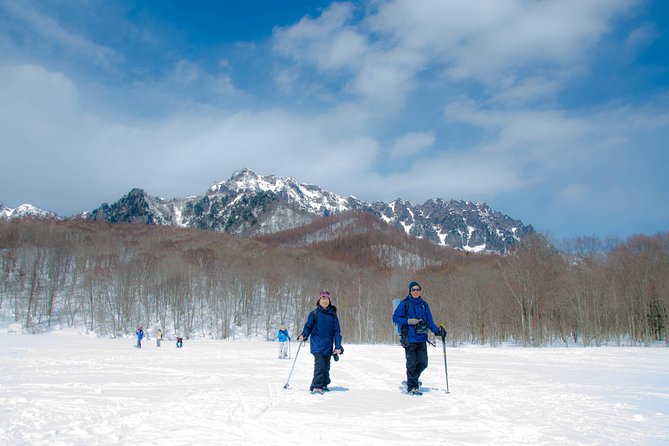
You’ll spend about 5 hours in Myoko-Togakushi Renzan National Park’s deep-snow country, following a route that includes Togakushi Shrine Okusha, Lake Kagami, and the park trails around the inner shrine area. The small group size (up to 8) keeps things calmer, and pickup is offered so you can arrive without making the day complicated.
Consider this if you’re expecting a relaxed stroller-style outing. This is snowshoe hiking in winter, so moderate fitness helps, and safety decisions (like avoiding certain areas) can happen when conditions require it.
In This Review
- Key Highlights I’d Plan Around
- Walking the Snow-Covered Cedar Avenue to Togakushi’s Okusha
- Lake Kagami on Ice: Quiet Steps With a Big View
- Myoko-Togakushi Renzan National Park: Winter Trails, Animal Clues, and a Giant Tree
- Snowshoes, Poles, and Why the Small Gear Matters
- Winter boots: the one extra you should budget for
- The Pace and the “Coffee Break” That Makes Winter Hiking Human
- Price and Value: Is $97.98 Worth It?
- Who Should Book This Snowshoe Tour in Nagano?
- Should You Book This Nagano Snowshoe Tour?
- FAQ
- How long is the Nagano snowshoe hiking tour?
- How many people are in the group?
- Is pickup included?
- What’s included in the tour price?
- Do I need winter boots, and how much would rentals cost?
- Is lunch included?
- What stops are on the route?
- What if the weather is poor?
- Can I cancel for a full refund?
Key Highlights I’d Plan Around
- 400-year-old cedar trees in thick snow, right on the route toward Togakushi Shrine Okusha
- Walking on Lake Kagami’s ice, a rare winter experience in Japan
- MSR snowshoe and pole rentals included, so you don’t need to hunt gear
- Small group up to 8 people, which makes the pace feel manageable
- Guide-led touches like snow-made tables and coffee (plus hot drinks and snacks in practice)
Walking the Snow-Covered Cedar Avenue to Togakushi’s Okusha
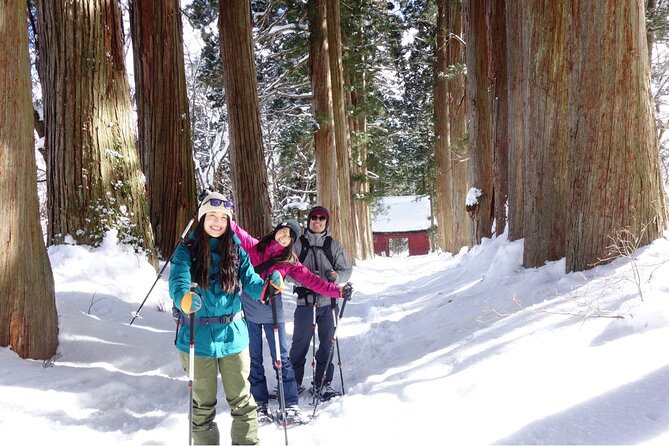
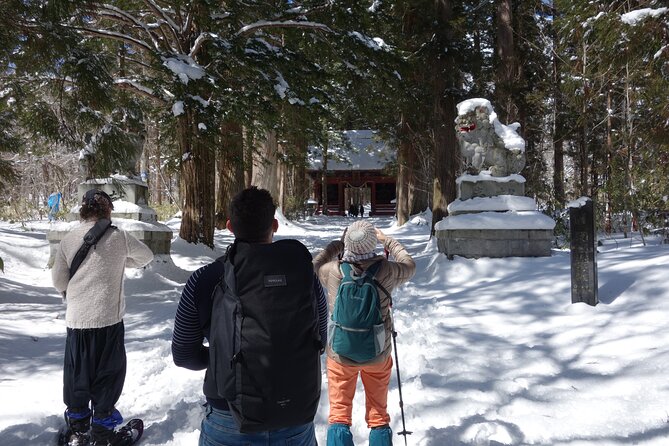
The star of the show is the walk to Togakushi Shrine Okusha, where you follow an approach famous for its rows of 400-year-old cedar trees layered in snow. In winter, that straight shot of trees becomes something else: quieter, more rhythmic, and oddly dramatic—like the woods are set to a slower clock.
I like that the tour isn’t just about walking. Your guide helps you read the place. You’re encouraged to watch for animal footprints in the calm woods, which makes the forest feel lived-in rather than just scenic.
One practical note: this area can be affected by winter safety conditions. The tour includes visiting the shrine approach, but if the route needs to change due to avalanche risk, you may not reach every point exactly as planned. That doesn’t mean it won’t be a good day—it means you’re hiking in real mountain winter, not a theme park.
Lake Kagami on Ice: Quiet Steps With a Big View
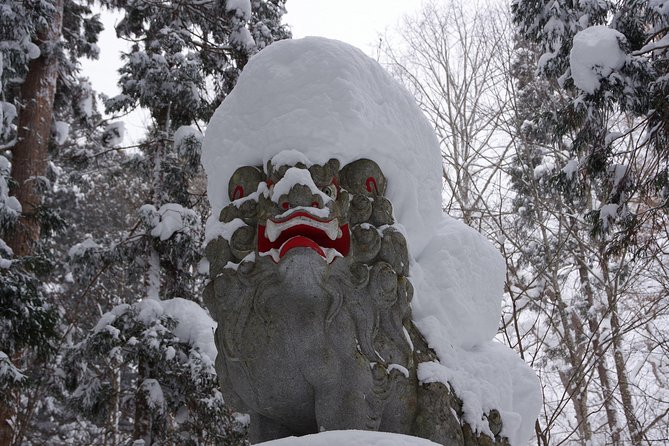
If you want one moment that anchors your photos and your memories, it’s the time at Lake Kagami. The tour is built around the idea that you’ll walk on the frozen lake, which is the kind of winter thing you can’t fake back home.
What you’ll like here is the contrast. Cedar forest gives you depth and quiet. Then Lake Kagami gives you open air and long sightlines, even though you’re still moving at walking pace. On a clear day, snowshoe steps across the ice can feel almost ceremonial—especially with the guide pointing out what to notice and keeping the group moving safely.
As with any frozen-water experience, keep your expectations grounded: you’re not doing a stroll on smooth sidewalks. You’ll be in traction mode—snowshoe soles finding grip, poles helping balance, and your legs learning a slightly different rhythm for ice.
Myoko-Togakushi Renzan National Park: Winter Trails, Animal Clues, and a Giant Tree
The snowshoe route doesn’t stay fixed on one famous landmark. It also spends time in Myoko-Togakushi Renzan National Park, an area known for heavy snowfall, which matters because it shapes what you actually see.
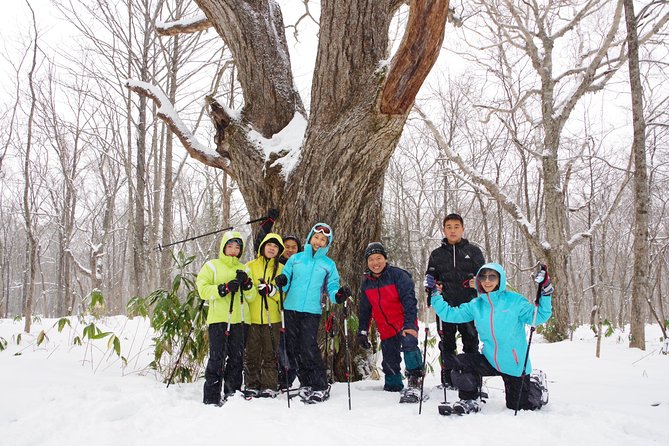
In the snowy season, you can reach things that are only possible when snow levels are high. One standout detail here is the chance to meet a giant tree that can be reached only during winter. That’s a very Japanese winter idea: the season changes what counts as reachable, visible, and worth visiting.
You’ll also get more than scenery. The tour is set up so your guide can slow you down enough to notice small signs—especially animal footprints in the forest. That shifts your attention from just looking at snow to understanding it as a record of recent movement.
Snowshoes, Poles, and Why the Small Gear Matters
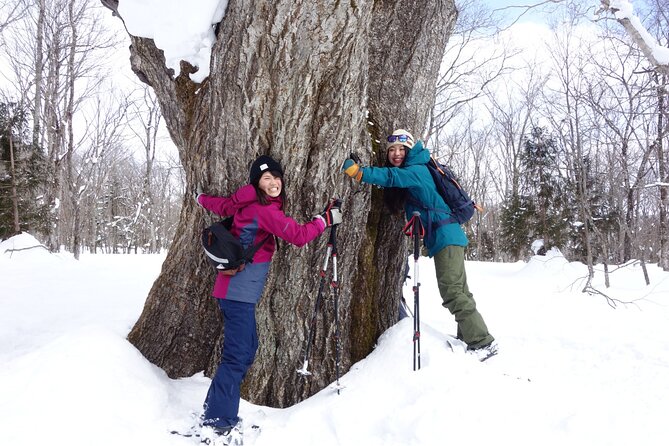
You’re not renting mystery equipment or showing up to improvise. The tour includes the latest MSR snowshoes and poles, which helps a lot if you’re new to snowshoeing.
Why that matters for you:
- Poles help you manage balance on uneven snow and icy edges.
- A decent snowshoe fit keeps you from sinking too much or flailing with each step.
- Better gear usually means you spend more energy moving forward and less energy fighting the terrain.
The tour also includes an insurance fee, which is a simple comfort factor when you’re stepping into winter mountain conditions.
Winter boots: the one extra you should budget for
Snowshoes and poles are included, but winter boots aren’t guaranteed. If you need boots rental, it’s an additional 1,000 JPY, and the provider notes that boot options depend on limited availability (size and number). If you have boots that already work in cold, snowy weather, you can skip that extra cost. If you don’t, plan ahead so you don’t end up with the wrong size or a last-minute decision.
The Pace and the “Coffee Break” That Makes Winter Hiking Human
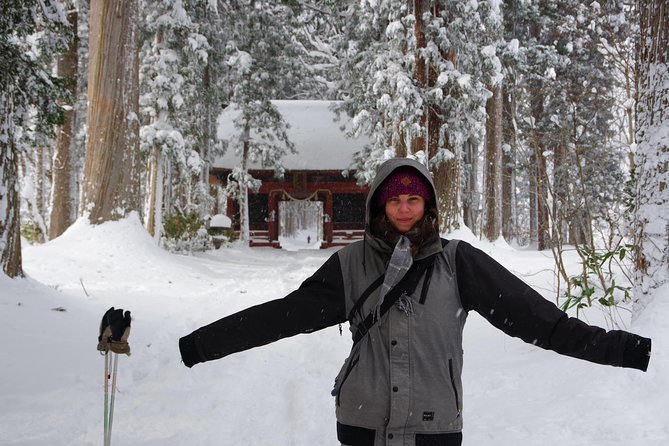
This is about about 5 hours total, which is long enough to feel like an outdoor day, but short enough that it doesn’t steal your whole schedule.
The way the guide runs the experience is a big part of why it earns high marks. Your guide—Kouhei Nishida is named as the host in standout accounts—keeps the tone relaxed and friendly while still staying on top of safety and timing. You’ll get a sense that he’s sharing the place, not just leading a group from stop to stop.
You should also expect warm, practical breaks. The tour includes moments where the guide makes tables out of snow and offers coffee. In practice, you may also get hot drinks and snacks during the walk. That matters more than it sounds. In cold weather, a small warm-up can change how you feel in the second half of the route.
And yes, it’s winter. So dress for wind and cold, and assume you’ll sweat a bit while snowshoeing. Bring layers you can adjust.
Price and Value: Is $97.98 Worth It?
At $97.98 per person, this isn’t “cheap winter fun,” but it also isn’t a luxury private guide day. For the price, you’re getting several key value inputs:
- Snowshoe and pole rental included (MSR gear)
- Insurance fee included
- A 5-hour guided route through a famous winter area
- Small group size (max 8), which often keeps the pace more comfortable
- Pickup offered and mobile ticket support
The main extras you might pay:
- Winter boots rental (if you need them): 1,000 JPY
- Lunch: not included
So the value equation comes down to this: you’re paying for winter expertise and included gear, not just for access to a trail. If you were going to rent equipment anyway, and you want a guide to handle timing, route choices, and winter safety, the price tends to look fair.
Who Should Book This Snowshoe Tour in Nagano?
This tour fits best if you want a winter day that feels real, not staged. I’d point you here if you:
- Like winter outdoors and want to try snowshoeing without buying gear
- Want a guided winter walk with chances to see cedar forest, shrine surroundings, and a frozen lake
- Enjoy small-group days where you can ask questions and get route guidance
You might think twice if:
- You have trouble with moderate walking on snow/ice
- You’re hoping for a short, flat walk with minimal exertion
- You want guaranteed shrine access regardless of conditions (winter safety can change routes)
Should You Book This Nagano Snowshoe Tour?
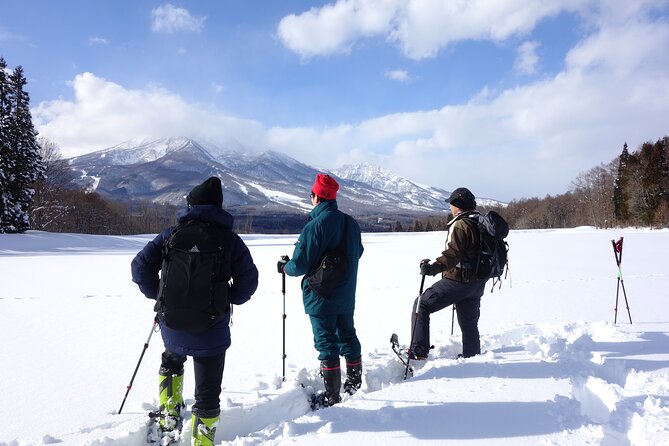
I think this is a smart booking if you’re in Nagano during winter and you want a “Japan-in-winter” experience that’s active, scenic, and guided. The frozen Lake Kagami moment and the 400-year-old cedar approach are the two big reasons to go, and the included MSR snowshoes and poles keep the day from turning into a gear scramble.
Book it if you can handle a cold-weather hiking day and you’ll dress appropriately. If you’re new to snowshoeing, that’s fine—just treat the first part as learning your footing and rhythm.
One final tip: plan your schedule so you don’t rush after the tour. A snow day can be tiring in a good way, and you’ll enjoy your evening more if you leave a little breathing room.
FAQ
How long is the Nagano snowshoe hiking tour?
The tour lasts about 5 hours.
How many people are in the group?
The maximum group size is 8 travelers.
Is pickup included?
Pickup is offered, and the activity starts at Kurohime Station (Kashiwabara, Shinano, Kamiminochi District, Nagano 389-1305) and ends back at the meeting point.
What’s included in the tour price?
Snowshoe and pole rental are included, and there is also an insurance fee included.
Do I need winter boots, and how much would rentals cost?
If you need winter boots rental, it’s an additional 1,000 JPY. The provider notes boot availability is limited by size and number.
Is lunch included?
No, lunch is not included.
What stops are on the route?
The main stops are Togakushi Shrine Okusha, Lake Kagami, and Myoko-Togakushi Renzan National Park.
What if the weather is poor?
This experience requires good weather. If it’s canceled due to poor weather, you’ll be offered a different date or a full refund.
Can I cancel for a full refund?
Yes. You can cancel up to 24 hours in advance for a full refund. If you cancel less than 24 hours before the start time, the amount paid is not refunded.