REVIEW · MAUNA KEA
MaunaKea Summit SUNSET and Star Tour with Photo
Book on GetYourGuide →Operated by Hawaiian Eyes Tours · Bookable on GetYourGuide
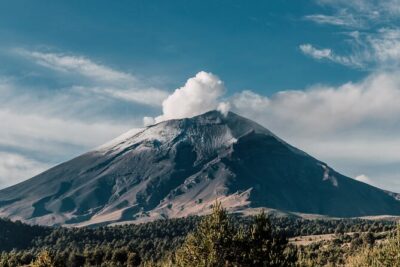
Mauna Kea at sunset is a plan you’ll feel in your chest. This 8-hour tour takes you up to the summit area (13,800 ft) for sunset, then down for stargazing with a telescope and laser pointer. I especially like that the guides help you stay comfortable with provided cold-weather gear, and that you leave with a free DSLR photo of the sky and you in it. One thing to think about: the night sky depends on conditions, so sunset and star visibility are not guaranteed in bad weather, and moon phase can make stars harder to see.
What makes the experience practical (not just pretty) is the way it’s staged. You meet around Kona or Waikoloa, acclimate at the visitor station, ride up in a 4×4 with enough time before sunset, then switch to stargazing at a lower elevation where your body can settle in. I’m also glad you get an oxygen tank for emergency and a hot drink during stargazing, because altitude can be real up there. A possible drawback for some people is the tour is not suitable for several groups, including people with respiratory issues, back problems, claustrophobia, pregnancy, wheelchair use, and anyone under 16 or over 70.
If you want an organized way to do the Mauna Kea summit look-and-nerd-out combo, this tour is built for that. Guides mentioned in the experiences include James, Koki, Wes, and Francis, and the common thread is they keep the group moving on schedule while stopping for photos. Just keep expectations realistic about weather and visibility, and you’ll enjoy every hour.
In This Review
- Key Highlights Worth Prioritizing
- Mauna Kea Sunset and Stars: The Real Appeal (Not Just the View)
- Pickup to Onizuka: Getting Set for Cold, Thin Air
- The 4×4 Ascent to the Summit Road: Photos Start Before the Sun Drops
- Summit Sunset: What You’re Actually Buying for $260
- After Sunset: Stargazing at About 12,000 ft
- Who This Tour Fits Best (and Who Should Skip It)
- Photo Promise: A Real Keepsake, Not Just Random Shots
- Telescope Time: Seeing Saturn’s Moons and Planets (When Conditions Cooperate)
- Safety, Comfort, and Altitude Reality Check
- Should You Book This Mauna Kea Sunset and Star Tour?
- FAQ
- What is the duration of the Mauna Kea Summit Sunset and Star Tour with Photo?
- Where do I meet the tour?
- What does the tour include for food and drinks?
- What cold-weather gear is provided?
- How does the photo part work?
- Is telescope viewing included?
- At what elevation do you see the sunset and stargaze?
- Can I enter the observatories during the tour?
- Is sunset and stargazing guaranteed?
- Who is this tour not suitable for?
Key Highlights Worth Prioritizing
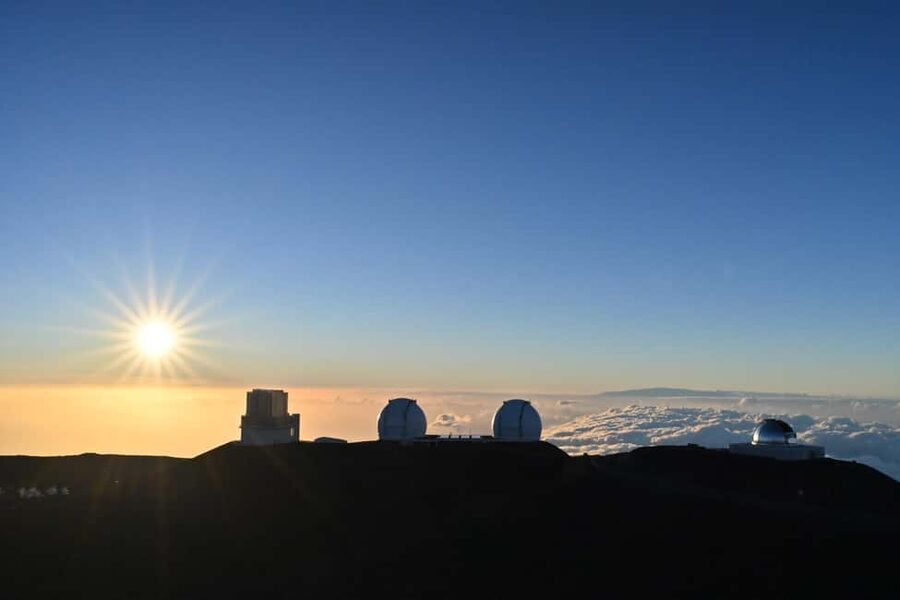
- Summit timing with 4×4 transport: you head up about 60 minutes before sunset so you can actually enjoy the view instead of sprinting for it
- Free DSLR photo of sunset and stars: you pose, the guide shoots, and you get the images on your smartphone afterward
- Cold-weather gear provided: snow parkas, ski pants, and gloves make the altitude feel more survivable
- Telescope + laser pointer stargazing: planets and celestial objects are explained in a way you can follow in the moment
- Acclimation at the visitor station: you spend time at a lower high point first, which helps you adjust
- Safety-minded details: oxygen tank for emergency and a clear policy of no alcohol/drugs on the tour
Mauna Kea Sunset and Stars: The Real Appeal (Not Just the View)
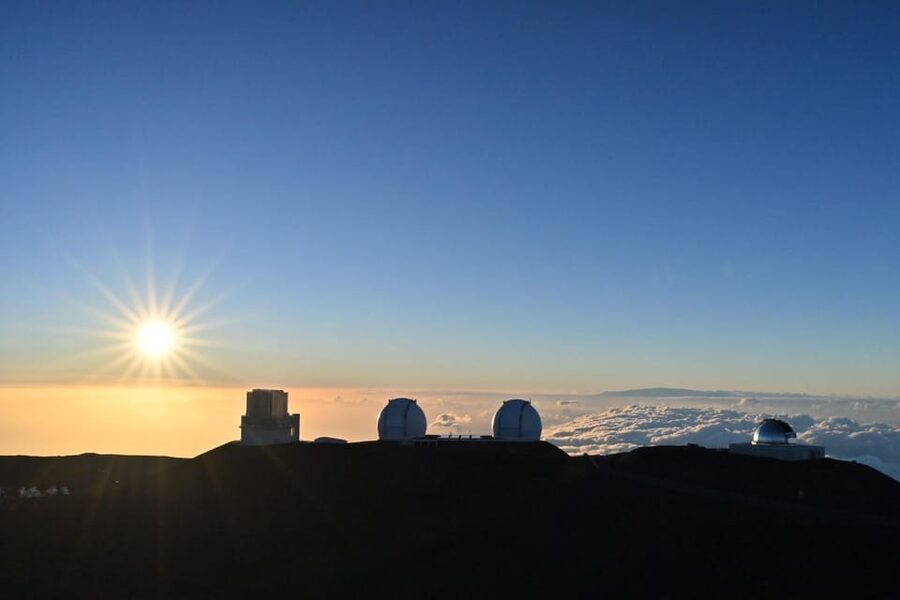
Mauna Kea is famous for a reason. But the best part of this tour isn’t only the final picture-perfect sky. It’s how the day is structured so you get both the human side of the summit experience and the science side of stargazing—without you needing to plan any equipment, timing, or cold-weather logistics.
You start with a simple meet-up and then move toward higher ground while hearing Big Island context from your live guide. Then you change into warm gear and build a buffer for altitude at the visitor area. That matters. At these elevations, you feel it. A little discomfort is normal; being unprepared is what ruins the vibe. This tour’s gear and staging are a big part of why it works.
I also like that it isn’t pretend “stargazing.” You’re using an astronomical telescope and a laser pointer to show what you’re actually looking at. That turns the night from guesswork into something you can track: constellations, planets, and what’s up there tonight.
Pickup to Onizuka: Getting Set for Cold, Thin Air
The day begins with an easy meet-up with two common options in the Kona/Waikoloa area. Depending on what you booked, you’ll meet at Target in Kailua Kona or at Queens’ Marketplace in Waikoloa (and the route uses common nearby stops).
From there, you ride toward the Onizuka visitor information center. This isn’t just a drive-by. It’s where you get early context about the island and what you’re about to do. And then comes the smart part: you change into provided cold-weather gear—snow parkas, ski pants, and gloves. Even if you think you’re tough, you’ll be glad you didn’t gamble. Wind and cold at high elevation can cut through fast.
Before the higher push, you spend time at the visitor station to acclimate. You may also get some free time to browse the gift shop, which is a nice option if you’re waiting for the group to be ready without feeling like you’re stuck. You’ll have a light meal too: BLT is listed as the standard choice, with an alternative available for dietary restrictions. Reviews often mention the sandwich is decent for what it is, and snacks can make the meal feel more satisfying when you’re cold.
Practical note: bring closed-toe shoes. This isn’t a barefoot sunset situation. You’ll appreciate something stable on rocky, chilly surfaces.
The 4×4 Ascent to the Summit Road: Photos Start Before the Sun Drops
Once you’re ready, you head up on a 4×4 passenger van. The tour is planned to reach the Mauna Kea summit road area about 60 minutes before sunset, which is a key detail. It gives you time to settle, take in the view, and meet the moment instead of chasing it.
This is also where the photo plan really kicks in. You’ll be ready to pose because your guides take DSLR photos of you at key spots—especially around sunset. The promise here isn’t only that the views are scenic. It’s that you’ll have a real portrait style shot with you in it, rather than relying on shaky phone panoramas while everyone tries to “get one quick picture.”
You’ll make a stop for scenic views along the way, then reach the main summit road photo and sunset area where you’ll have around two hours total at that stage. That time window is a gift: sunset is short, but you need flexibility for clouds, photo timing, and the group to rotate through. If the weather is kind, this part can feel like the day’s peak energy.
Summit Sunset: What You’re Actually Buying for $260
Let’s talk value, because $260 is not a casual add-on. Here’s what you’re paying for, beyond the “summit experience” headline:
- Mauna Kea admission fee (included)
- 4×4 van transportation up to the summit area
- Cold-weather gear provided (so you don’t have to rent or pack winter gear)
- DSLR photo package included, with photos provided on your smartphone at the end
- Telescope time and guide-led stargazing
- Hot drink during stargazing
- Oxygen tank for emergency
When you total that, the price feels less like a fee for a view and more like a bundled “infrastructure problem” solved for you. You don’t have to figure out gear, timing, admission, or astronomy setup. You just show up, follow instructions, and enjoy.
That said, the drawback of any summit-and-stars day is that you’re weather-dependent. Bad conditions can reduce what you see. Moon phase can also affect how crisp the stars look. That’s not the tour’s fault, but it’s the risk you’re accepting when you book.
After Sunset: Stargazing at About 12,000 ft
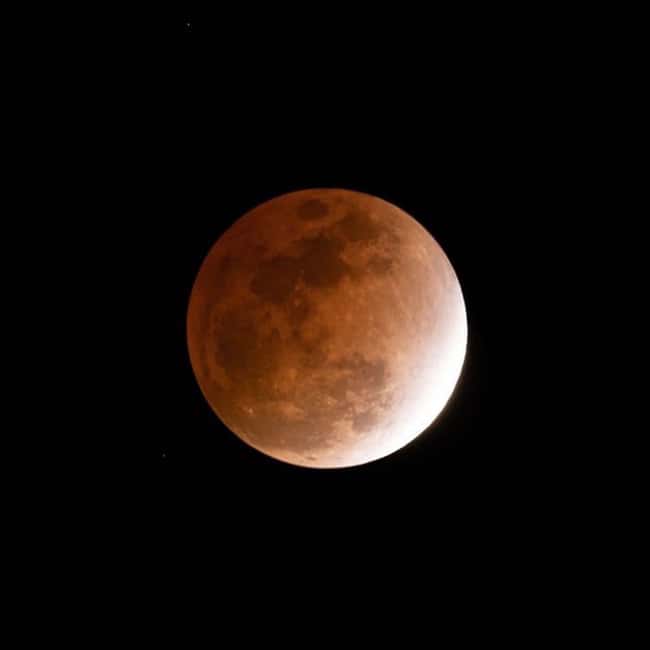
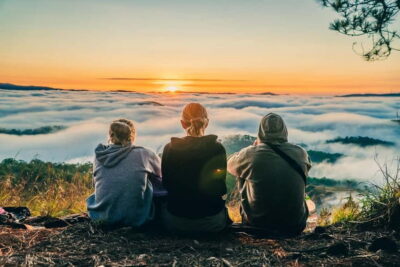
After the sunset viewing, you head back down to about 12,000 ft for stargazing. This is a great design choice. You get the best of both worlds: the highest sky drama for sunset, then the more comfortable altitude for the long, patient part of astronomy.
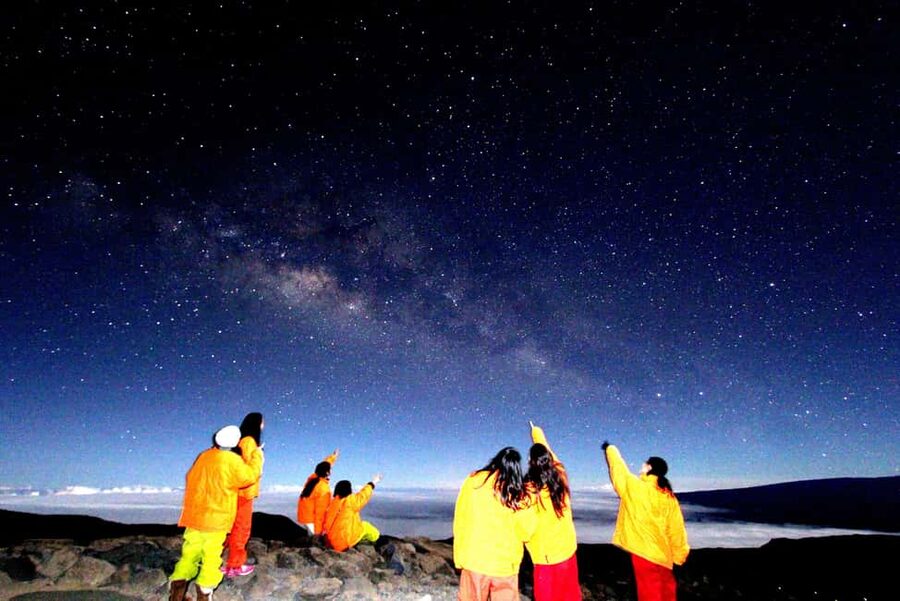
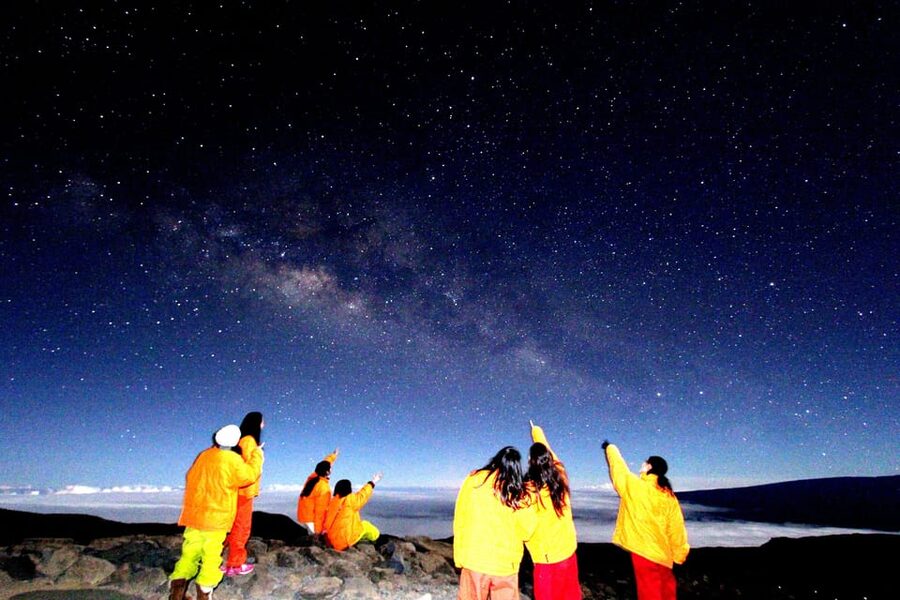
Stargazing lasts about an hour. During that time, your guide explains what you’re seeing and uses the telescope plus laser pointer to help you identify celestial objects. In experiences like this, one of the most satisfying moments is when your brain stops trying to guess and starts recognizing: planets, moons, and star groupings that make sense once you have the right reference point.
The tour also includes a hot drink during stargazing, which is exactly what your fingers will want when the temperature drops. Location for stargazing may shift depending on weather, which is common for sky-view tours. The upside is that the guide team adjusts to keep your viewing as strong as possible.
Also, plan for the practical side of the night. There’s a last bathroom break at the visitor center before you head back down to your drop-off location.
Who This Tour Fits Best (and Who Should Skip It)
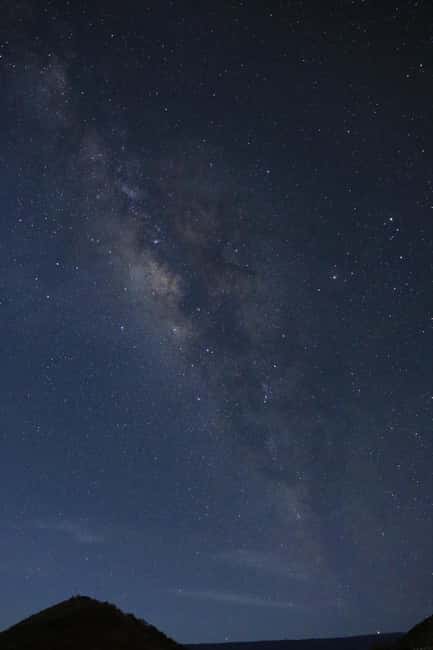
This is best for people who want structure and guidance. You’ll get the cold-gear support, the timing for summit sunset, and a guided approach to the sky. It’s also a good pick if you don’t want to bring astronomy gear or worry about finding a good viewing spot on your own.
It is not suitable for a long list of needs and limits. You shouldn’t book if you are under 16, over 70, pregnant, have back problems, claustrophobia, respiratory issues, have had recent surgeries, use a wheelchair, or weigh over 300 lbs (136 kg). Also, if you dove within the prior 24 hours, participation isn’t allowed.
That list might sound strict, but it’s tied to the physical realities of high altitude and the conditions of a 4×4 summit ride.
Photo Promise: A Real Keepsake, Not Just Random Shots
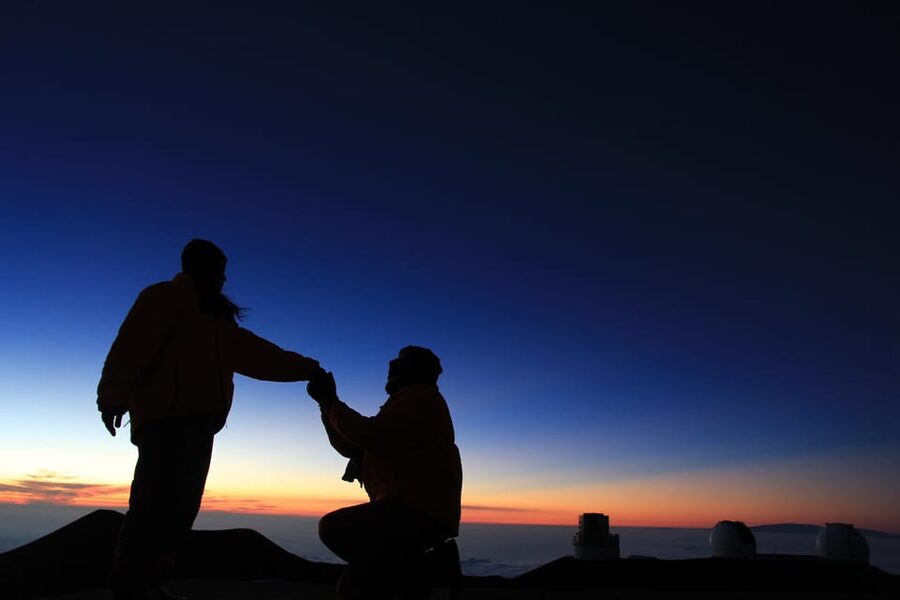
Here’s a standout feature: the guides take a free DSLR photo of you during both sunset and stargazing. Then the tour provides the images on your smartphone at the end of the tour.
For me, that hits the sweet spot. Many tours sell photos but deliver blurry selfies or awkward group shots. This one is built around guided posing. And the guides are described as patient about helping you with both your own camera shots and their pro DSLR shots—so you get the fun of taking your own pictures without losing the chance at a polished memory.
If you hate posing, you’ll still survive. You’re not asked to perform in a studio. It’s more like: show up, stand where they tell you, and enjoy the view while they do the camera work.
Telescope Time: Seeing Saturn’s Moons and Planets (When Conditions Cooperate)
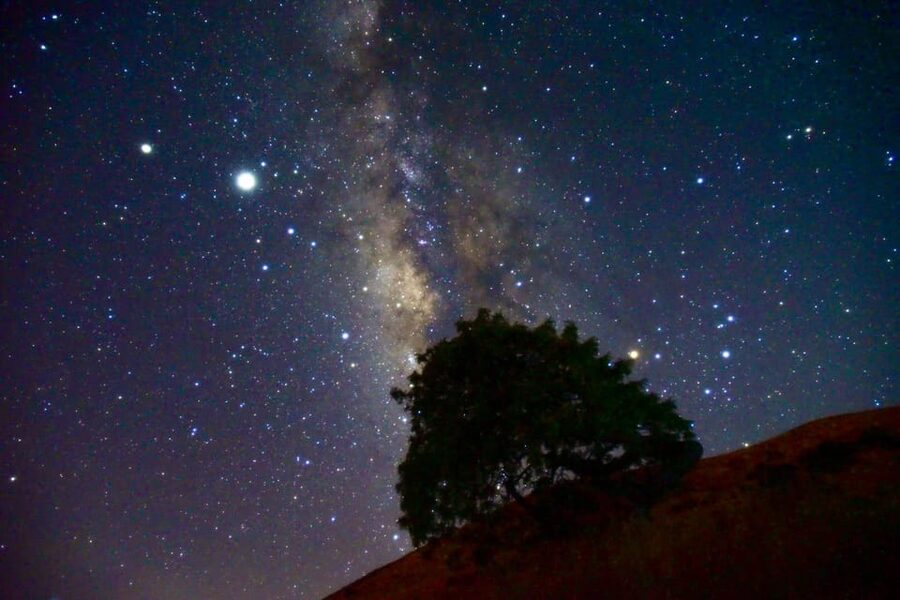
Stargazing here isn’t limited to pointing at the sky and saying good luck. The tour includes an astronomical telescope and a laser pointer. Your guide explains what you’re looking at and helps you make sense of the sky.
Some experiences specifically highlight the chance to see Saturn’s moons through the telescope. That’s not something you can always get in every viewing session, but it shows what this telescope time is aiming for: actual targets, not just pretty darkness.
Just remember: weather and moon phase matter. If clouds roll in, or if the moon is bright, you’ll still get a night-sky experience, but the crispness of planets and faint details can drop.
Safety, Comfort, and Altitude Reality Check
This tour includes an oxygen tank for emergency, and that’s worth noting. It’s a signal that the operator is thinking about altitude risk.
Comfort comes from two big pieces: acclimation time at the visitor station and the provided gear. Changing into warm layers before you go higher is a smart move. You don’t want to show up in a thin jacket and then hope the summit is merciful.
Also, rules matter. No alcohol and drugs and no smoking. These aren’t “just because” policies. They keep everyone safer and more alert in cold, high-altitude conditions.
Should You Book This Mauna Kea Sunset and Star Tour?
If you want a guided, organized Mauna Kea day that covers summit sunset, telescope stargazing, and a free DSLR photo you’ll actually want to keep, then yes—this is a strong match. The included admission, 4×4 transport, summit-focused timing, cold-weather gear, and guided astronomy add up to real value.
You should consider skipping if any of the health/comfort restrictions apply to you, or if you know you don’t handle cold and altitude well. And if you’re booking mainly for the stars, go in with a realistic mindset: weather and moon phase can change what you see.
My advice: if you’re fit enough for the altitude and you like structured experiences with a good chance at memorable photos, book it. This is the kind of day that turns “I saw the sky” into a specific story you can point to later—your own photo included.
FAQ
What is the duration of the Mauna Kea Summit Sunset and Star Tour with Photo?
The tour lasts about 8 hours, and you can check available starting times when booking.
Where do I meet the tour?
Pickup may vary depending on the option booked. Common starting points listed are Target in Kailua Kona or Queens’ Marketplace in Waikoloa.
What does the tour include for food and drinks?
You’ll have a light meal that includes a BLT (with an option for people with dietary restrictions). During stargazing, you’ll also have a hot drink and bottled water is included.
What cold-weather gear is provided?
The tour provides snow parkas, ski pants, and gloves for use during the high-elevation portion of the day.
How does the photo part work?
Guides take free DSLR photos of the sunset and stars with you in the frame. The photos are provided to you on your smartphone at the end of the tour.
Is telescope viewing included?
Yes. The tour includes an astronomical telescope and uses a laser pointer during stargazing.
At what elevation do you see the sunset and stargaze?
The summit portion is planned around 13,800 ft for sunset, and stargazing takes place around 12,000 ft.
Can I enter the observatories during the tour?
No. The tour states there is no entry inside the observatories.
Is sunset and stargazing guaranteed?
Not 100%. In bad weather, sunset or stargazing are not guaranteed, and moon phase can affect how visible the stars are.
Who is this tour not suitable for?
It is not suitable for children under 16, people over 70, pregnant women, people with back problems, claustrophobia, wheelchair users, people with respiratory issues, anyone with recent surgeries, people over 300 lbs (136 kg), and people diving within 24 hours prior.