REVIEW · LINGUAGLOSSA
Mount Etna: Central Crater Guided Hike for Advanced Hikers
Book on GetYourGuide →Operated by Guide Vulcanologiche Etna Nord · Bookable on GetYourGuide
Etna keeps breathing as you hike. This Mount Etna Central Crater guided hike is built for trained hikers who want the real summit craters, volcanic gases, and the kind of moonscape you cannot fake with photos. I especially like the way the trip mixes hands-on terrain with science, so the volcano stops being a postcard and starts being a living system. The trade-off is that the route is physically demanding and the edge-walking can trigger vertigo.
What I really like: you reach high altitude fast thanks to the north-side 4×4 ride to 2,825 m, then you still earn the top with a long crater-edge hike. I also like the volcanology focus, including explanations you can hear while you look at gas emissions, low- and high-temperature fumaroles, and the colored sublimates around the Central Crater. The main consideration is the downhill: you drop about 1,500 m from summit altitude to 1,800 m, and that is hard on knees and joints.
In This Review
- Quick hits: Mount Etna Central Crater hike (advanced)
- Why this Etna hike feels more real than a basic summit trip
- The north-side start: Chiosco Bar Mareneve and the 4×4 lift
- Climbing to the Central Crater edge: 5 km uphill, 490 m up
- Summit stop: fumaroles, gas emissions, and the colors of sublimates
- The mid-day rhythm: Piano delle Concazze, ski-lift area, then Piano Provenzana
- Lunch by the Volcanological Observatory base (and why it helps)
- Price, included gear, and the real cost on the mountain
- The downhill warning you should not ignore: 1,500 m drop
- What you’ll be given on the day: poles, helmets, shoes, and warm layers
- Footing and clothing rules: what not to wear
- Guides and group size: small teams, real crater discipline
- Who should book (and who should choose another Etna option)
- Should you book Mount Etna Central Crater for your trip to Sicily?
- FAQ
- What is the duration of the Mount Etna Central Crater guided hike?
- Where do I meet for the tour?
- How high does the hike go?
- How far is the hiking route?
- How difficult is this hike?
- What gear is included with the tour price?
- What extra costs should I expect on the spot?
- Is lunch included?
- What languages does the guide speak?
- Is this tour suitable for people with vertigo or fear of heights?
Quick hits: Mount Etna Central Crater hike (advanced)
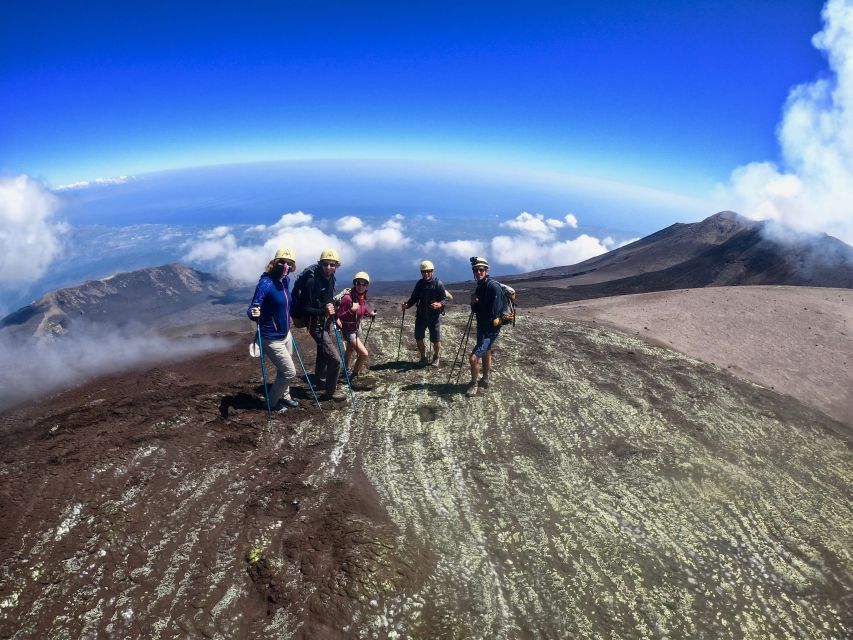
- Ride up first: 4×4/SUV transport along the north-side panoramic road, reaching 2,825 m before you start walking
- True summit craters: hike to the Central Crater edge around 3,315 m
- Volcanology in the open: gas emissions, fumaroles, and colored sublimates with on-the-spot explanations
- A real moonscape: paths through volcanic slag and large bombs, then sandy channels on the way down
- Small group pace: limited to 10 participants, led by a licensed volcanological guide
- Descent is the boss fight: the long drop (negative 1,500 m) can be tougher than the climb
Why this Etna hike feels more real than a basic summit trip
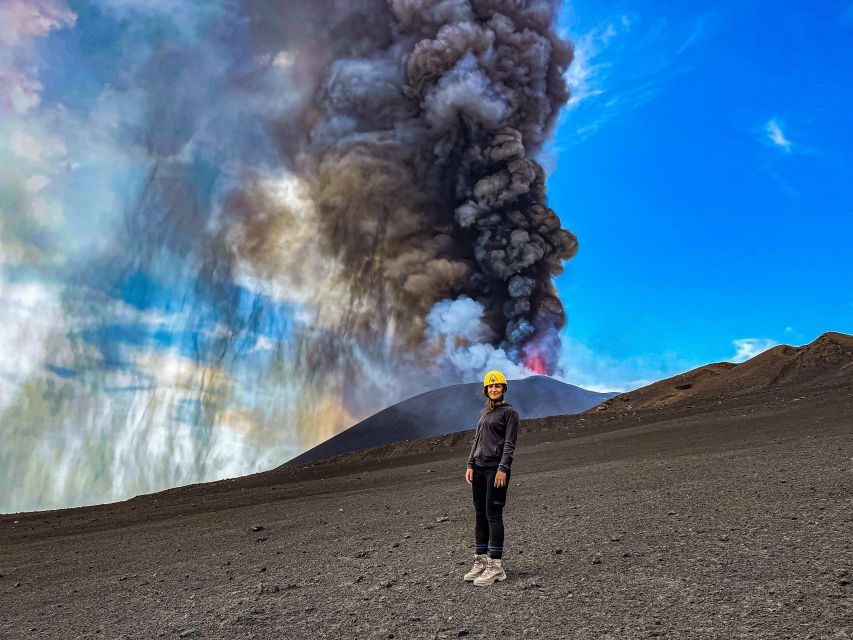
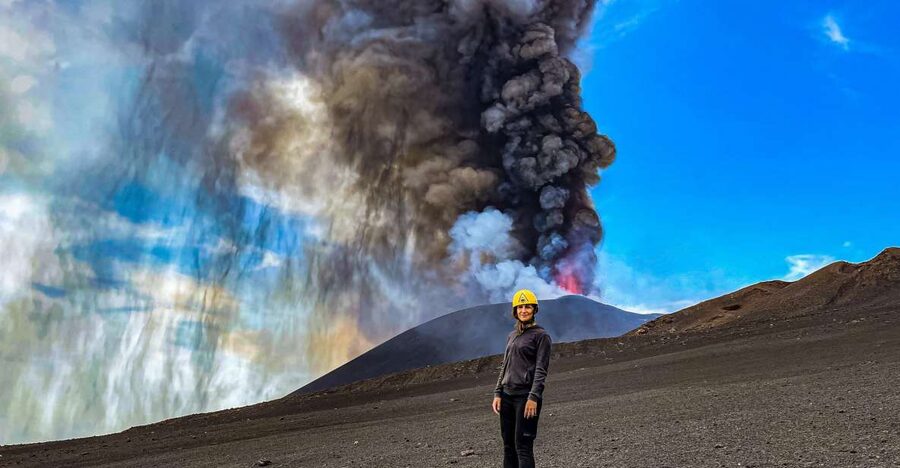
Mount Etna is famous for big views. This hike adds something better: you get close to the processes, not just the scenery. You’ll be walking among lava flows, volcanic slag, and ash, with the Central Crater looming overhead. And because the group is led by a licensed volcanological guide, you’re not just observing shapes and colors—you’re linking what you see to how the volcano evolves.
I also like the structure of the experience. You’re not dumped at altitude and sent off alone. You move in stages: a ride up the north side, a focused uphill push, then a guided look at the crater environment before you descend through volcanic terrain. It’s a smart way to turn a tough day into a guided, understandable one.
The other thing you should know up front: this route is not for timid ankles or cautious nerves. The crater-edge walking can cause vertigo, and the downhill is long. If you want Etna as a gentle outing, pick a different option. If you want Etna the hard way, this one fits.
The north-side start: Chiosco Bar Mareneve and the 4×4 lift
You meet at Chiosco Bar Mareneve di Ferraro Giuseppa, not the other Etna Nord bar in the same parking area. It’s near the chairlift used by skiers in winter, and it’s the second building in that small cluster of four houses. This matters because on Etna, meeting points can look similar. Show up early so you’re not guessing where your group is lining up.
From there, you take 4×4/SUV transport up along an 8-kilometer panoramic road on Etna’s north side. The vehicle part lasts about 30 minutes, and it carries you up to 2,825 m. That first climb by road is a big deal for value: it saves your legs for the steep, high-altitude walking section that actually counts.
You’ll also feel the environment shift before you even start hiking. The air thins as you gain elevation, and the ground changes from normal mountain grit into volcanic material. It’s a good moment to get your layers sorted. The day can be cold and windy near the top, even when lower down feels fine.
Climbing to the Central Crater edge: 5 km uphill, 490 m up
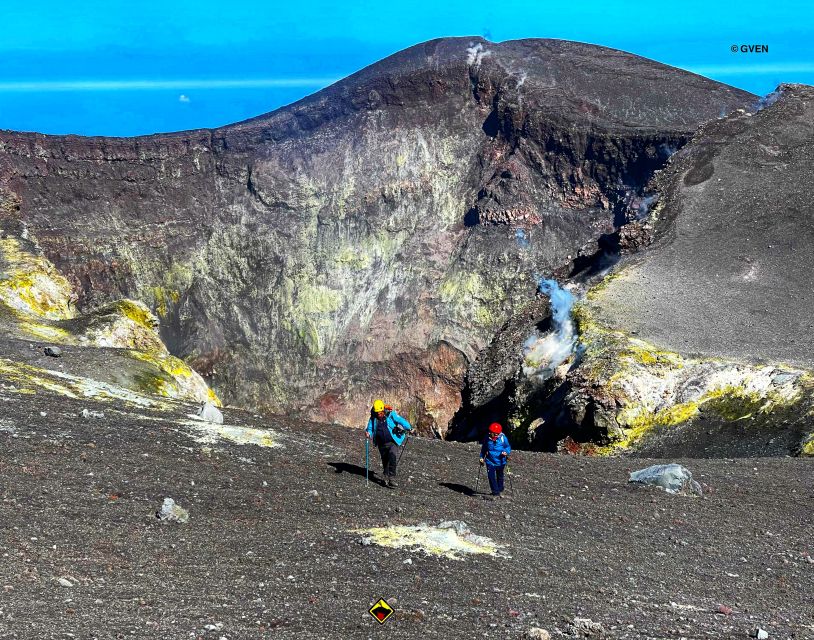
Once you step out at around 2,825 m, the hike begins in earnest. The route calls for a 5 km uphill walk through volcanic slag, with big volcanic bombs along the path. Translation: this is not a smooth trail. Expect uneven ground underfoot, and expect to feel that your breathing is working harder than it would at sea level.
The uphill altitude gain is about 490 m, taking you to the edge of the main crater at roughly 3,315 m. In plain terms, the climb is challenging because of altitude and terrain, not because it’s a technical rock scramble. Still, you need stamina. This is for hikers who go to the mountains regularly.
What makes this section special is that you’re walking toward a place with active meaning. The Central Crater environment isn’t static. As you approach, you start to notice volcanic features that are easy to miss on flatter trails. And if conditions allow, you also get that rooftop view of Sicily—but only if weather and volcanic gas emissions cooperate.
Summit stop: fumaroles, gas emissions, and the colors of sublimates
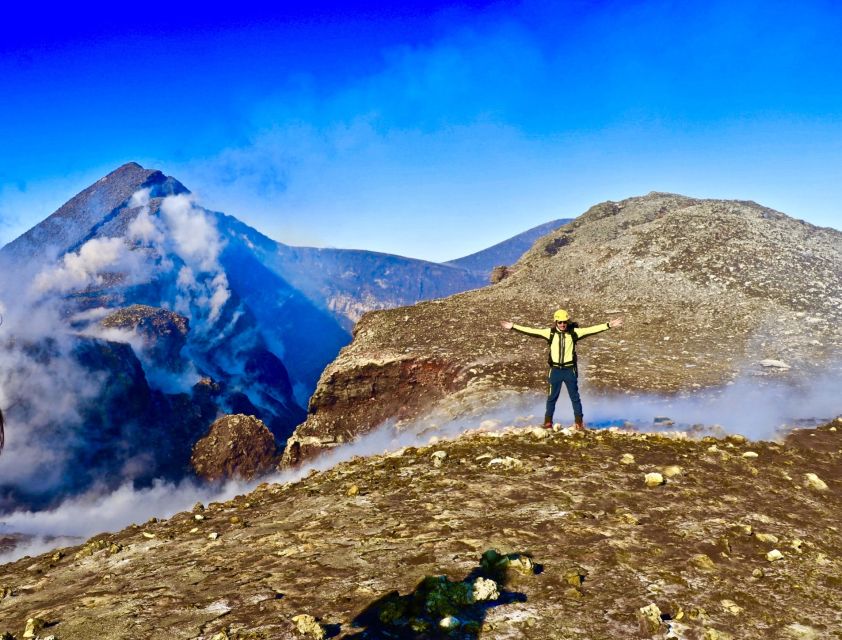
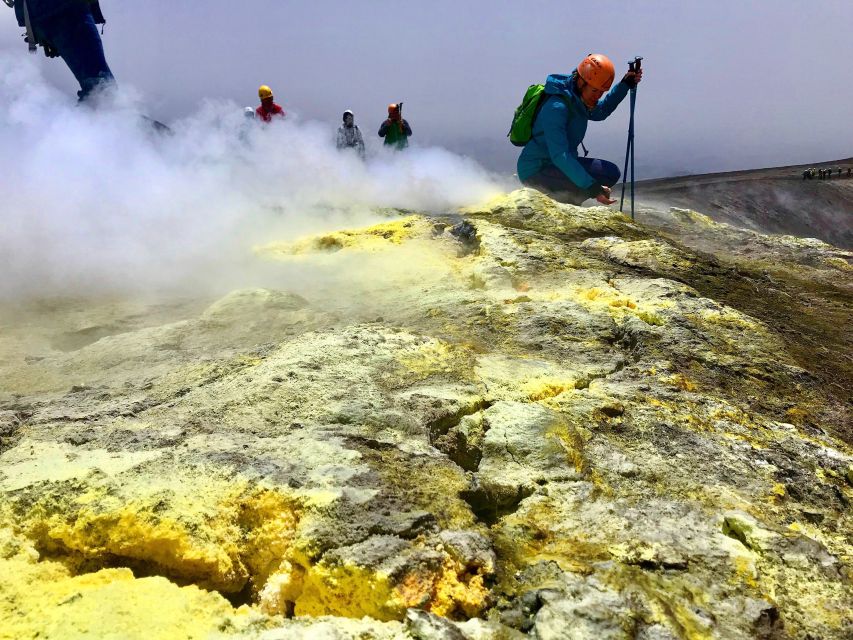
At the crater edge, the experience shifts from hiking to observation. You stop to admire the processes happening around you, including gas emissions and both low- and high-temperature fumaroles. You’ll also see bright colors from sublimates—mineral residues left behind as gases cool and deposit materials.
This is where the volcanology guide really matters. You’ll hear explanations about how the volcano has evolved and what you’re seeing in real time. Even if you’re not a science person, the guide’s job is to help you connect visuals—steam, warmth, color, and terrain—to the volcano’s behavior.
One more practical point: the crater edge can affect balance. The route includes walking along crater edges, so if you feel any vertigo, treat it seriously. This is not the place to “tough it out” and hope fear disappears. If you know you’re prone to vertigo, choose a safer Etna option.
And yes, conditions can change. The excursion can vary based on environmental, climatic, or volcanic conditions, and the plan follows official limits set by ordinance. In other words: safety overrides the wish to reach every possible angle.
The mid-day rhythm: Piano delle Concazze, ski-lift area, then Piano Provenzana
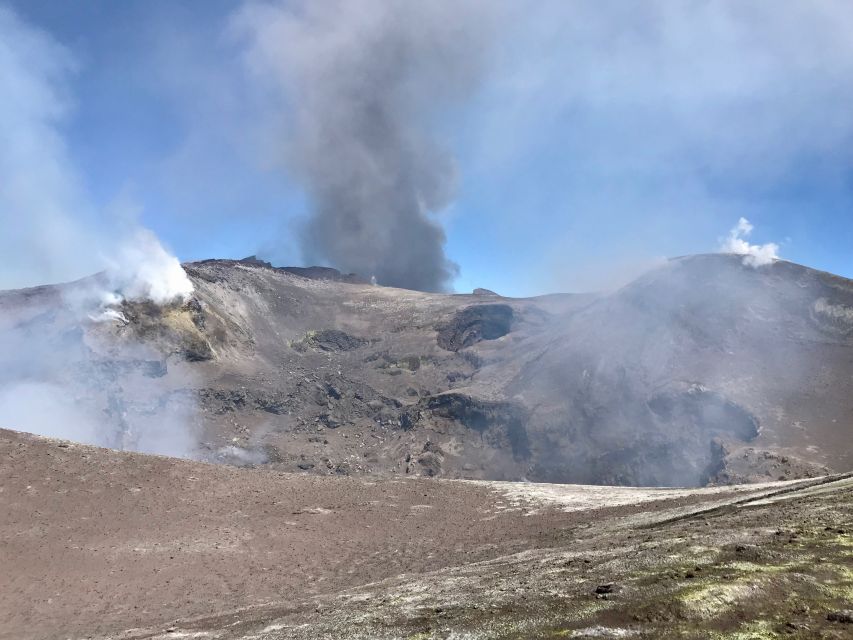
After the summit portion, the day continues with breaks and guided sections designed to keep you moving but not rushing. You’ll have a stop around Piano delle Concazze for breaks and guided explanations, plus some free time. This pause is useful because you’ve spent time near high altitude and crater terrain. Your body needs a reset, and your guide can help you recalibrate your pace.
Next comes the stop near Arrivo ski-lift Anfiteatro, where you continue with guided touring and walking. This is a transition zone: you’re moving from the highest, most crater-focused part of the experience into the descent routes that bring you through Etna’s volcanic channels.
Then you reach Piano Provenzana as the endpoint of the excursion. Expect photo opportunities, guided content, and a final walking segment that helps you finish the loop. This is also where you get a sense of how the volcano’s surface is shaped—not just by eruptions, but by ongoing erosion and the way sandy channels carry and rearrange material.
One of my favorite elements here is that the descent route passes through areas described with endemic plants and seasonal streams. Even on a volcano that can feel lifeless, living things persist in stubborn patches.
Lunch by the Volcanological Observatory base (and why it helps)
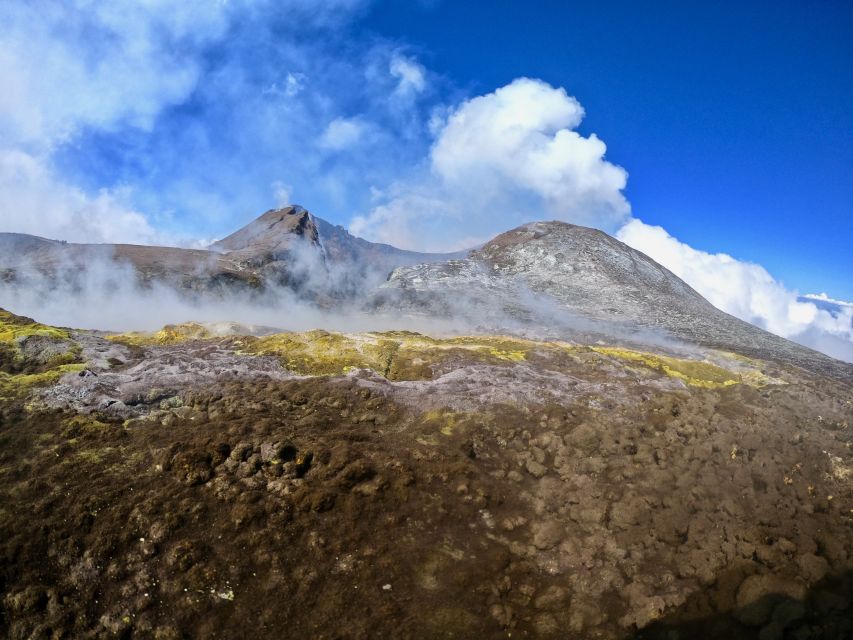
Your lunch stop is at the base of the Volcanological Observatory. The hike is described as continuing downhill to that area, where you’ll stop for lunch before moving on again. The observatory stop is valuable for two reasons: it breaks up a long descent and it places you in an area strongly tied to scientific monitoring.
There’s one big note: lunch is not included, and water is not included. So treat the food plan as part of your success. If you show up hungry and under-hydrated, the last stretch will feel worse than it needs to.
Also, this is the point where you can evaluate the rest of the day with your body. If your knees or calves are already complaining, you’ll want to decide whether you should take any available transportation help for the descent. Which brings us to the tough truth about this tour.
Price, included gear, and the real cost on the mountain
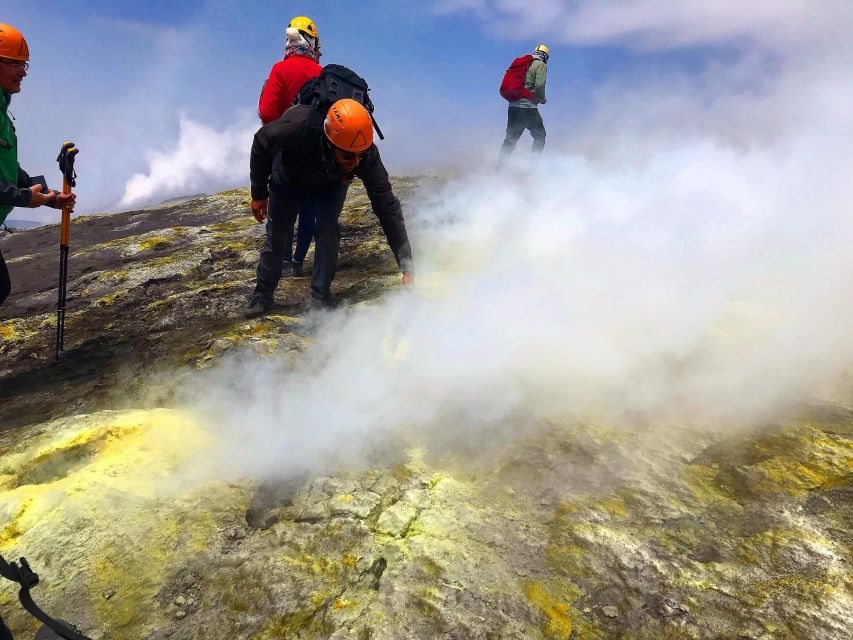
The published price is $130.28 per person, and it covers the guide service and the guided hike. For value, I like that you’re not paying extra just to have a licensed volcanological guide leading you on the crater route.
But you should budget for add-ons that are paid on the spot:
- 1-way transportation with off-road vehicles costs €50 per person (paid on the spot)
- Off-road vehicle descent from 2,800 m to 1,800 m costs €20 per person (paid on the spot)
- Parking ticket is €3 for the whole day
And two essentials are not included:
- Lunch
- Water
So the true cost can climb once you add transport and meals. Still, for an advanced hike that takes you to real crater altitudes and includes gear like helmets and warm jackets, it can remain good value—especially if you’re traveling with lighter packing or you don’t want to rent equipment locally.
The best way to think about it: you’re paying for a guided, safety-managed, high-altitude crater experience. If you just want views without crater walking, you’ll likely pay less elsewhere. If you want the real Etna contact, this price is easier to justify.
The downhill warning you should not ignore: 1,500 m drop
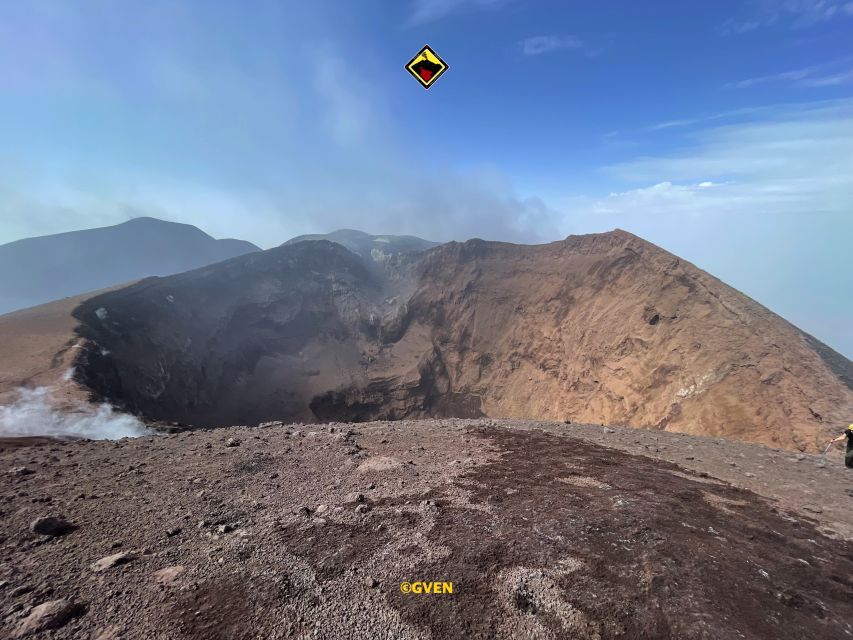
Here’s the biggest consideration on this itinerary: the descent can be harder than the climb. You descend about 1,500 m from around 3,300+ m back toward 1,800 m. That’s a lot of negative elevation, and it can fatigue your quads fast.
It’s strongly not recommended for anyone who suffers from joint problems, especially knee problems. Even if you feel okay at the start, downhill wear-and-tear adds up when you’re walking on volcanic grit and uneven footing.
This is also where optional transport can matter. The route includes mention of an off-road vehicle descent from 2,800 m to 1,800 m for those who want help. If you’re worried about knees, make that decision early—tell your guide so you can plan safely.
Also remember: the route includes crater edges and may cause vertigo. Fear plus physical strain is a bad combo. If you’re the type who needs steady footing and calm visuals, don’t treat the downhill as a casual stroll.
What you’ll be given on the day: poles, helmets, shoes, and warm layers
One of the practical perks here is the amount of gear included. You get:
- Trekking poles
- Protective helmets
- Trekking shoes and extra socks
- Warm jackets
- Backpacks
That’s useful if you’re traveling light or if you forgot something at home. It also means the guide can standardize safety and comfort across the group.
Still, you’re responsible for bringing key personal items:
- Windbreaker
- Sunglasses
- Hat
- Food and drinks
- Snacks
- Water
- Rain gear
- Gloves
- Long pants
- Weather-appropriate clothing
- Waterproof shoes
If you’re wondering what matters most on Etna: wind protection, gloves, and a good plan for cold. Even when the sun is out, higher altitude can bite.
Footing and clothing rules: what not to wear
To keep you safe and comfortable, the hike specifies items not allowed:
- High-heeled shoes
- Sandals or flip flops
- Baby strollers
- Luggage or large bags
- Short skirts, sleeveless shirts, skirts
- Slippers
- Umbrellas
It’s not fussiness for show. At altitude, with volcanic material and long walking, the wrong footwear or loose clothing can become a safety problem fast. Wear long pants and stick with proper hiking footwear, even if the tour provides shoes. If you’re given shoes, still make sure you’re dressed for wind and rain.
Guides and group size: small teams, real crater discipline
This hike runs with a small group: up to 10 participants. The licensed volcanological guide leads the day, and you’ll get live explanations in English, Italian, and French.
You might hike with guides such as Edo, Vincenzo, or Daniele, depending on the day. What I like about that setup is that a guide team focused on volcanology tends to explain what you’re seeing in ways that match the terrain. That matters when you’re standing by fumaroles and watching gas behavior while staying safe.
Pace also matters on a tour like this. A good guide controls the group rhythm so the hike doesn’t turn into a sprint to the edge. It’s worth paying attention to whether your guide keeps a steady pace and makes sure everyone can manage breathing and footing at altitude.
If you’re looking at dates, note that the excursion has a minimum group size (it can be canceled if that minimum isn’t reached). If this is a core part of your Sicily trip, keep some flexibility.
Who should book (and who should choose another Etna option)
This is best for advanced hikers who:
- Regularly hike in mountains
- Have the stamina for altitude and a long walking day
- Know how their knees handle downhill
It’s not suitable for a long list of conditions and comfort limits, including:
- Pregnant women
- People with back problems, mobility impairments, or high- or low-level fitness
- Anyone with heart problems, respiratory issues, epilepsy
- People afraid of heights or with vertigo
- People without experience or with pre-existing medical conditions
So if you’re healthy and used to hiking, this can be a standout Etna day. If you’re not, you’ll likely spend too much energy worrying rather than enjoying.
If you want Etna’s core “wow” but with less risk, consider choosing a less exposed route that avoids crater edges and the steep negative elevation.
Should you book Mount Etna Central Crater for your trip to Sicily?
If your goal is the real Etna summit crater experience—gas emissions, fumaroles, and guided volcanology—this is a strong choice. The small group size, the guided crater-edge structure, and the included safety gear make it feel more serious than a basic sight hike. And if you can manage the altitude, the views and terrain are exactly the kind that make Etna feel alive.
Don’t book it if your knees are vulnerable or if you’re prone to vertigo or fear of heights. The long 1,500 m descent is not a detail to skim over. Also, plan on bringing lunch and water, because you’ll need energy for the second half.
If you are an experienced hiker with decent downhill control, I think you’ll come away feeling like you understood something about the volcano, not just seen it.
FAQ
What is the duration of the Mount Etna Central Crater guided hike?
The hike is listed as 5 hours, with trek time described as about 5 to 6 hours depending on conditions.
Where do I meet for the tour?
Meet at Chiosco Bar Mareneve di Ferraro Giuseppa, near the winter chairlift and the second building in a four-house parking area.
How high does the hike go?
You reach a maximum altitude of about 3,315 m at the edge of the main crater.
How far is the hiking route?
The total is about 12 km round trip, with about 5 km uphill and 7 km downhill, though values can vary.
How difficult is this hike?
It is intended for experienced hikers accustomed to regular mountain hikes. The descent is long and the tour notes it is strongly not recommended for people with knee or joint problems.
What gear is included with the tour price?
Included are a volcanological guide and guided hike plus trekking poles, protective helmets, trekking shoes and extra socks, warm jackets, and backpacks.
What extra costs should I expect on the spot?
You may pay for off-road transport (50€ per person for 1-way), optional off-road descent (20€ per person), and a parking ticket (3€ for the whole day). Lunch and water are not included.
Is lunch included?
No. Lunch is not included, and you’ll need a packed lunch.
What languages does the guide speak?
The live guide is available in English, Italian, and French.
Is this tour suitable for people with vertigo or fear of heights?
No. It specifically notes it is not suitable for people afraid of heights or people with vertigo.