REVIEW · VACOAS PHOENIX
Mauritius: Tamarind Falls Highlights 3-Hour Hiking Trip
Book on GetYourGuide →Operated by Yanature · Bookable on GetYourGuide
Mauritius can feel beach-first, but this trip gives you waterfall time and a real trail workout in just 3 hours. I like that you hike with a live guide—examples from past groups include Eliza and Yudish—so you’re not just walking from one photo spot to the next. The big payoff is reaching Tamarind Falls and having chances to swim in pools carved by the Rivière Tamarin.
One heads-up: the walking is steep and can get slick, especially on wet/muddy volcanic rock, so you’ll want proper hiking shoes, not casual footwear.
In This Review
- Key points I’d plan around
- Tamarind Falls and the Rivière Tamarin: Why this hike feels different
- From Henrietta Bus Station to sugarcane fields: the start you can’t skip
- Canyon steps and the first waterfalls: where the trip starts paying back fast
- Tropical rainforest on foot: how the guide turns scenery into context
- Tamarind Falls: the finale that’s worth the climb back up
- What the 3 hours feels like in real life (fitness, footwear, and slips)
- Safety and guide quality: why past groups keep praising the same things
- What you get for $58: value for the time, guide, and swim spots
- Who should book this hike, and who should skip it
- How to plan your day around the meeting point and supplies
- Should you book Yanature’s Tamarind Falls 3-hour hiking trip?
- FAQ
- How long is the Tamarind Falls hiking trip?
- Where do I meet the guide for the hike?
- What languages are available for the tour guide?
- Is swimming included?
- What should I bring?
- Are sandals or flip flops allowed?
- Who is the tour not suitable for?
- What happens if the weather is bad?
Key points I’d plan around
- Meet in Henrietta: easy start at Henrietta Bus Station, with a short briefing before you move.
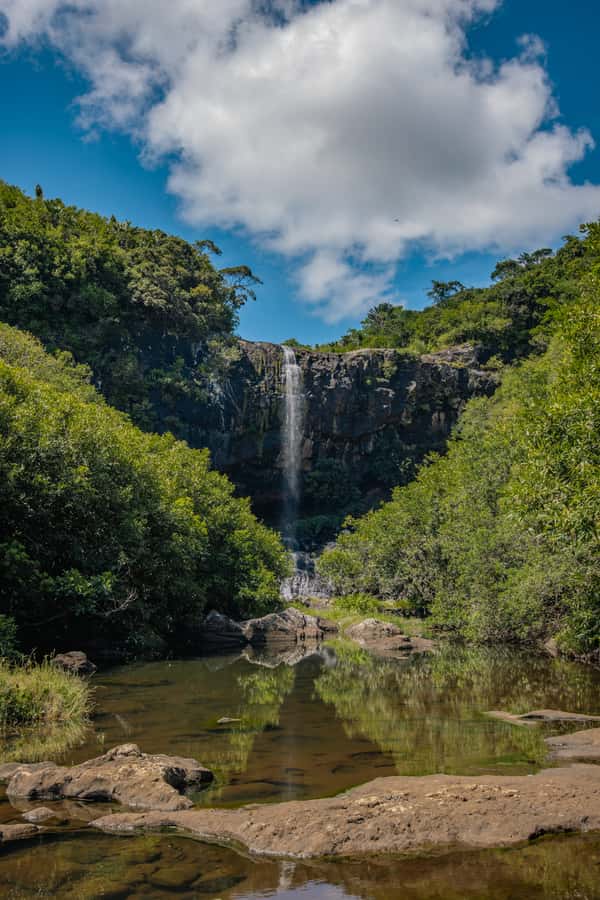
- Sugarcane fields to canyon: you transition fast from farmland to a rocky river gorge.
- First waterfall comes quickly: after about 30 minutes you reach the first waterfall and swim options.
- Natural pools, not a theme park: these are carved rock basins where you can cool off.
- Rainforest + local stories: you’ll learn about plants, animals, and Mauritius history on the trail.
- Tamarind Falls is the finale: the most impressive waterfall is at the end, before you hike back.
Tamarind Falls and the Rivière Tamarin: Why this hike feels different
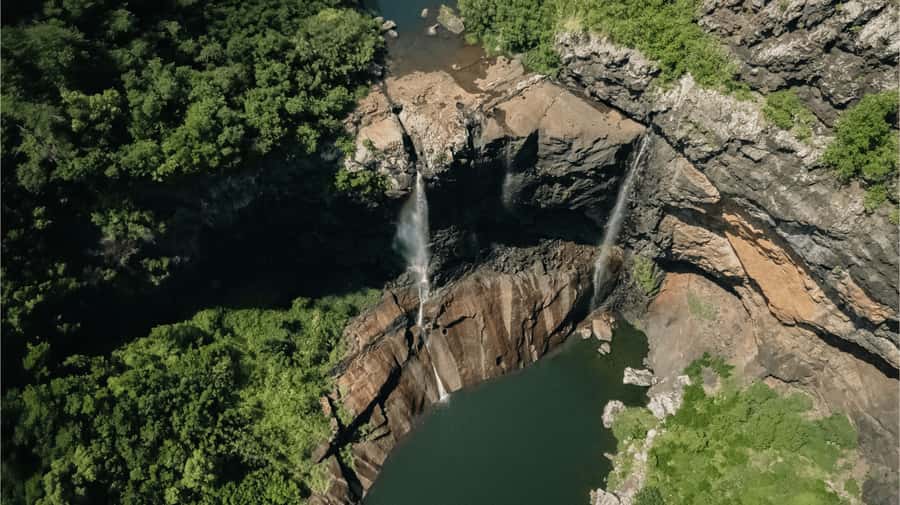
This is a short hike, but it doesn’t feel short on variety. You move through sugarcane fields, then drop into a canyon along the Rivière Tamarin where waterfalls appear in sequence, carved into volcanic rock over time. The trip also builds in time at the falls for photos and for swimming in natural pools.
What makes it worth your time is the mix: active walking, dramatic water, and a guide who connects what you’re seeing to life in Mauritius. In multiple accounts, guides like Yudish and Jeremie were praised for safety focus, clear pacing, and staying patient with the group.
You can also read our reviews of more hiking tours in Vacoas Phoenix
From Henrietta Bus Station to sugarcane fields: the start you can’t skip
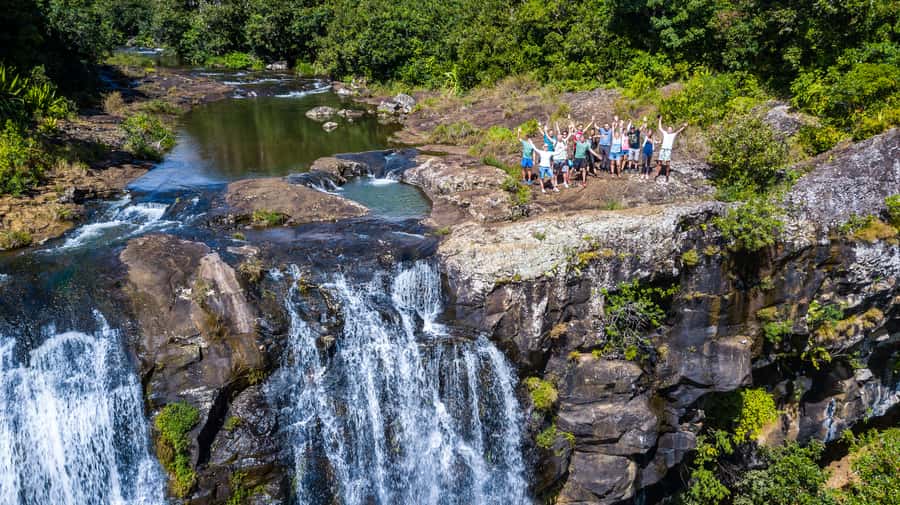
You meet your guide at Henrietta Bus Station (Henrietta Branch Road, Vacoas-Phoenix). Right away you get a short briefing—what to expect on the trail, how the group will move, and what to watch for as you head down into the canyon terrain.
Then the hike begins with a walk through sugarcane fields. It’s a good warm-up that also changes your brain from driving mode to walking mode. You’re not deep in the forest yet, but you’re already getting those Mauritius cues: sun, damp air, and the sense that you’re heading toward water.
Practical tip: if you’re coming from the coast, build in extra buffer time. Traffic at the start of the day can be busy, and arriving late is a real risk, not a theoretical one.
Canyon steps and the first waterfalls: where the trip starts paying back fast
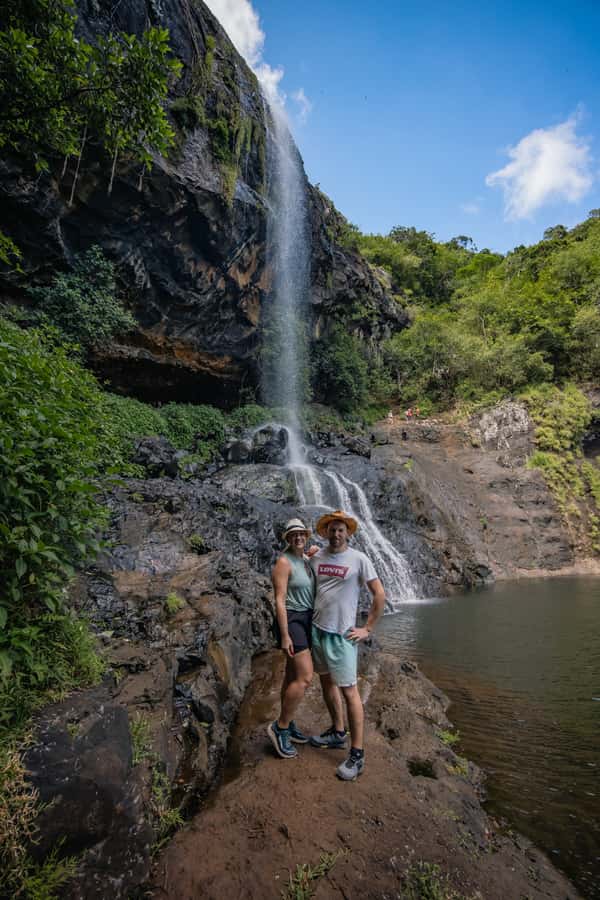
About 30 minutes in, you reach the first waterfall. This matters because it stops the hike from feeling like a long build-up with no rewards. When the falls appear, the trail shifts character too—you’ll be navigating canyon rock and paths that can require careful footing.
This is where the swimming starts. You’re given the opportunity to swim in natural pools carved out of the rock, not in a controlled man-made basin. Even if you don’t swim, standing near a waterfall like this changes the hike: the sound is intense, the air cools down, and you can feel the place moving around you.
Keep an eye on water level. One reason this trip has so many strong safety mentions is that the paths around waterfalls can be slippery. Good guides help you choose the safest route, and they keep the group together rather than letting everyone improvise.
Tropical rainforest on foot: how the guide turns scenery into context
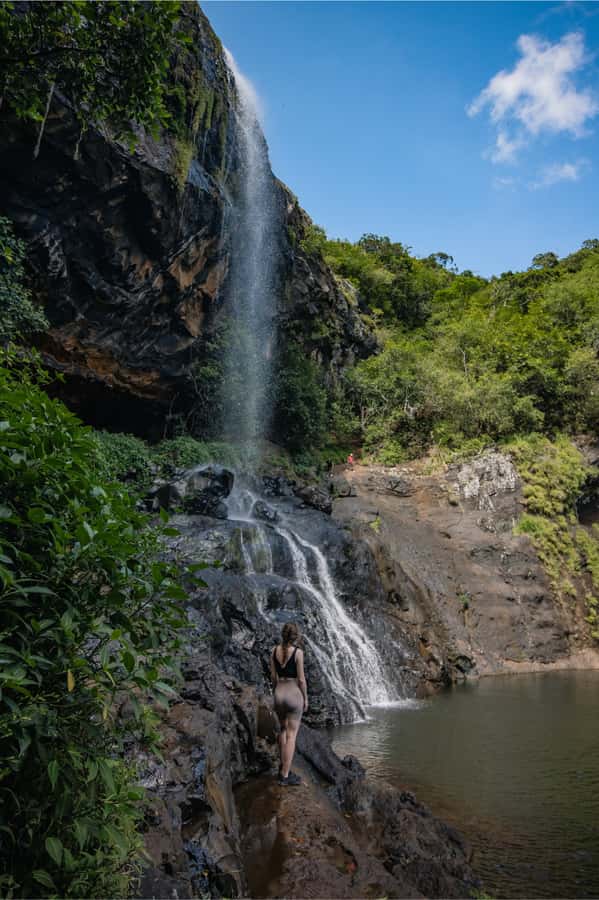
As you keep moving through the canyon, your guide points out flora and fauna and shares how Mauritius fits into the story. This isn’t just “look at that plant” information. In several accounts, guides connected the plants you see with how the environment works, and also shared local history.
You’ll also hear safety guidance that feels practical, not lecture-y. People in past groups highlighted that the guide keeps a steady pace, checks footing, and makes sure everyone can follow the route—especially on steeper sections.
One detail I really like: the tour doesn’t rush you through the interesting parts. Breaks happen in-between walking so you can catch your breath, take photos, and regroup before the next tricky stretch.
Tamarind Falls: the finale that’s worth the climb back up
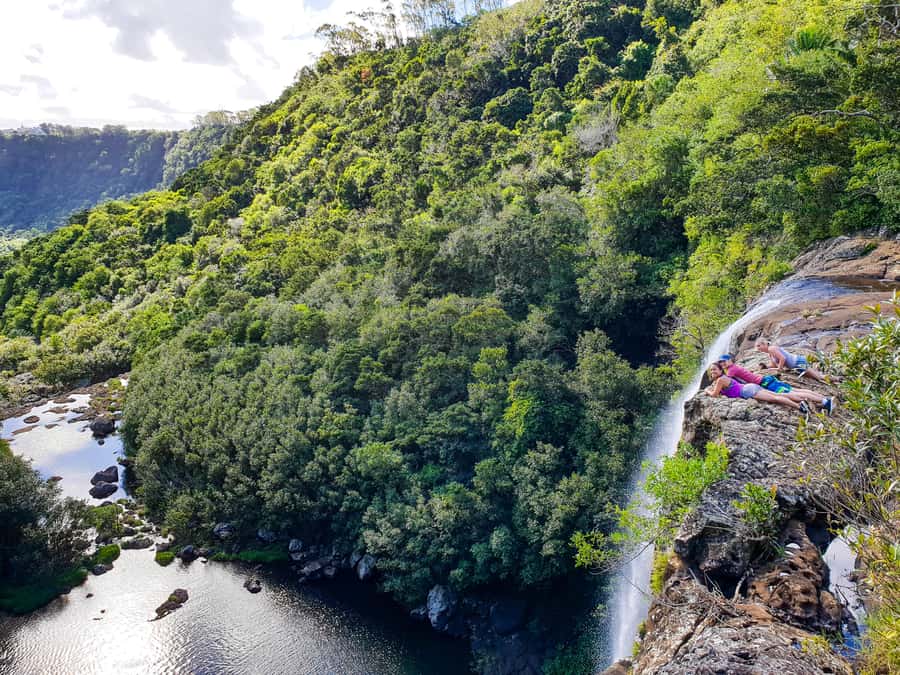
Tamarind Falls is the highlight at the end of the hike. By the time you get there, you’ve already seen multiple waterfalls, so the final one doesn’t feel random—it feels like the top of a sequence you’ve earned.
Expect more chances to swim, plus plenty of time for pictures. Many groups describe the views as stunning, and the overall feeling is that you’re at a real waterfall site, not a rushed viewing stop.
The trade-off is that the route back includes ascent. Some guides pace the hike so it’s manageable, but you should still plan for huffing and puffing on the way up. If you’re steady on your feet and you have good grip, this becomes a satisfying workout rather than a stress test.
What the 3 hours feels like in real life (fitness, footwear, and slips)
Even though the duration is only 3 hours, the effort level can be higher than you’d guess from the time on paper. You’re walking downhill, then you have to come back. Plus, you’re on rocky terrain that can turn muddy.
Many people emphasize that hiking shoes make the difference. Sneakers with slick soles, or sandals/flip flops (not allowed), are a bad match. One guest noted the hike involved steep steps and scrambling-like sections, and that muddy terrain made it more demanding than they expected.
Another practical gear note: if you’ve ever worn white trainers on a muddy trail, you already know the problem. One group specifically warned not to bring white footwear because the ground stains.
Fitness-wise, this isn’t for couch-to-waterfall days. It can suit people with reasonable fitness who can handle steep, uneven paths and be careful while crossing wet rock. It’s also not aimed at anyone using a wheelchair or dealing with mobility limitations.
Safety and guide quality: why past groups keep praising the same things
Safety is the theme that repeats in high ratings. Guides are described as patient, attentive, and focused on making sure everyone stays safe at tricky spots. In multiple accounts, guides paused to explain the safest steps, helped slower walkers keep up, and managed pacing for the whole group.
You’ll see names pop up again and again in praise: Yudish, Jérémie, Henry, Olivier, Fabrice, and Marc. The common thread isn’t just friendliness—it’s competence plus calm energy. If you slip, you’re not left to figure it out alone; one guest described how their guide helped them back up and strapped an ankle for support.
That’s not a reason to be careless. It’s a reason to feel confident that you’re hiking with people who understand this terrain.
What you get for $58: value for the time, guide, and swim spots
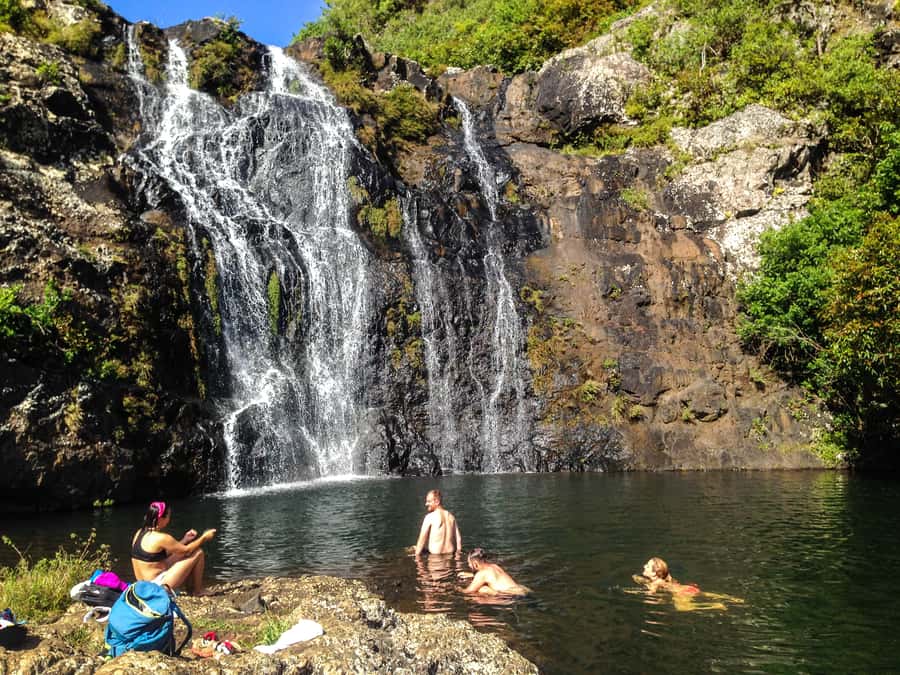
At $58 per person for a 3-hour guided hike, you’re paying for two things: a local guide and access to the best parts of the Rivière Tamarin area without you having to find the route yourself. You’re also getting opportunities to swim in natural pools and spend meaningful time at Tamarind Falls—so it’s not just walking past viewpoints.
What’s not included is also important. Food and beverages aren’t provided, so you’ll want to bring water (required) and plan to refuel afterward. There’s also no mention of towels being included, so pack your own.
In exchange, you get: a guided route, safety support, and interpretation of what you’re seeing—plants, animals, and Mauritius history—during the hike.
Who should book this hike, and who should skip it
This tour fits best if you want a real hike with waterfall payoff and you’re comfortable with steep, uneven ground. I’d especially recommend it if you:
- like hiking more than sightseeing from a bus
- enjoy swimming in natural settings (with real rock and currents)
- want guide-led context about the island, not just landmarks
Skip it if any of these apply: children under 10, pregnant women, people with mobility impairments or wheelchair users, people over 60, anyone with pre-existing medical conditions or recent surgeries, or anyone with low fitness. This isn’t me being picky—it’s because the terrain can be slippery and the return climb is part of the deal.
How to plan your day around the meeting point and supplies
Your start point is Henrietta Bus Station, so plan your transport accordingly. If you’re staying far from Vacoas-Phoenix, give yourself extra time for road delays.
Bring exactly what keeps you safe and comfortable on wet rock:
- swimwear and a towel
- hiking shoes (no sandals/flip flops)
- sunscreen
- water
- sportswear
- biodegradable insect repellent
A small but smart strategy: wear shoes you don’t mind getting muddy. The terrain can be wet and slick even when the day looks fine.
Should you book Yanature’s Tamarind Falls 3-hour hiking trip?
If you want an island activity that actually uses your legs and rewards you with waterfall swims, this is a strong yes. The best part is that it’s short enough to fit into a busy Mauritius schedule, while still giving you enough time to hit multiple waterfalls and finish at Tamarind Falls.
Book it if you’re steady on uneven ground and you pack the right footwear. Don’t book it if you need step-free access or if you know you struggle with steep, slippery trails—this route is all about carefully picking your footing.
FAQ
How long is the Tamarind Falls hiking trip?
The tour lasts 3 hours.
Where do I meet the guide for the hike?
You meet at Henrietta Bus Station, Henrietta Branch Road, Vacoas-Phoenix, Mauritius.
What languages are available for the tour guide?
The live guide is available in English and French.
Is swimming included?
You’ll have the chance to swim in natural pools carved out of the rock during the hike.
What should I bring?
Bring swimwear, a towel, hiking shoes, sunscreen, water, sportswear, and biodegradable insect repellent.
Are sandals or flip flops allowed?
No. Sandals or flip flops are not allowed.
Who is the tour not suitable for?
It’s not suitable for children under 10, pregnant women, people with mobility impairments or wheelchair users, people over 60, anyone with pre-existing medical conditions, those with recent surgeries, and people with low level of fitness.
What happens if the weather is bad?
Cancellation may occur due to bad weather conditions. If that happens, you’ll be offered the opportunity to reschedule or receive a full refund. Free cancellation up to 24 hours in advance is also available for a full refund.

![Hiking the Historic Nakasendo Trail [1 Day Tour from Nagoya] - Pickup From Nagoya: Smooth Start, Fixed Rhythm](https://img.hikingtravelguide.com/wp-content/uploads/hiking-the-historic-nakasendo-trail-1-day-tour-from-nagoya-400x267.jpg)