REVIEW · LA PAZ
La Paz: Charquini Mountain Guided Hike
Book on GetYourGuide →Operated by Buhos Tours · Bookable on GetYourGuide
At 5,000 meters, the views hit fast. This La Paz guided hike to Laguna Esmeralda near Nevado Charquini strings together easy scenic stops (like Apacheta Jilarata and Laguna Milluni) before you reach icy water above 5,000m, with a licensed bilingual guide. I like that the day feels planned for people who want big Andes views without spending days on the trail.
The second thing I really like is the human side of the operation: small group size (up to 15) and guides who manage pacing and safety. Names like Manuel and Juan show up in real-world experience as steady, patient guides, and oxygen is carried for emergencies, not just promised on paper.
One thing to consider: this is a short hike, but altitude is the main boss. You start around 4,600m and hike up to about 5,024m to reach the lagoon, and that thin air can turn a simple trail into hard work.
In This Review
- Key highlights to know before you go
- A shortcut to Nevado Charquini’s 5,000m lagoon
- Getting there from La Paz: van stops that set the tone
- Apacheta Jilarata, Milluni cemetery, and Lake Milluni
- Laguna Charquini or Esmeralda: the hike that really matters
- Weather reality check: the lagoon color and peak visibility
- How hard is it, really? (Pacing, duration, and what your body feels)
- Price and logistics: where $39 really lands
- What’s included (and why it matters at 5,000m)
- What to bring so the day feels better
- Who should book this hike (and who should skip)
- Should you book the La Paz Charquini Mountain guided hike?
- FAQ
- How long is the hike day?
- Where do I meet the guide?
- Is round-trip transportation included?
- What do I hike to—an actual summit or the lagoon?
- How long is the hike?
- Are guide services included?
- What’s included in the price?
- Is the entry fee included?
- What should I bring?
- What weather conditions should I expect?
Key highlights to know before you go
The payoff is quick: you hike to the lagoon (not the snow-capped peak), then spend time enjoying it before heading back.
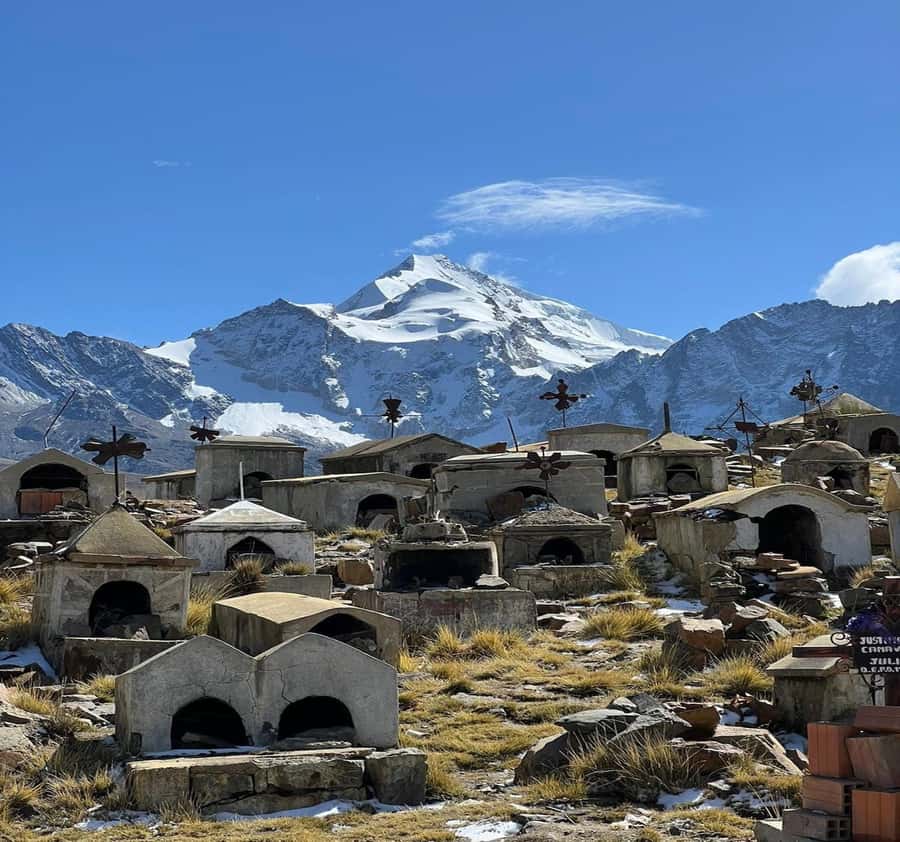
You’ll see more than the lagoon: Apacheta Jilarata, the Milluni mining cemetery, and Laguna Milluni are part of the day.
Panoramic Andean viewpoints: the route frames famous peaks and high-altitude landmarks like Huayna Potosí and Chacaltaya when weather cooperates.
Small-group energy: limited to 15 people, with guides staying attentive to slower hikers.
Safety basics are included: bilingual guide, eco walking sticks, and emergency oxygen.
Weather can make or break the photos: clouds and snow can hide the mountain views, but the hike still delivers.
A shortcut to Nevado Charquini’s 5,000m lagoon
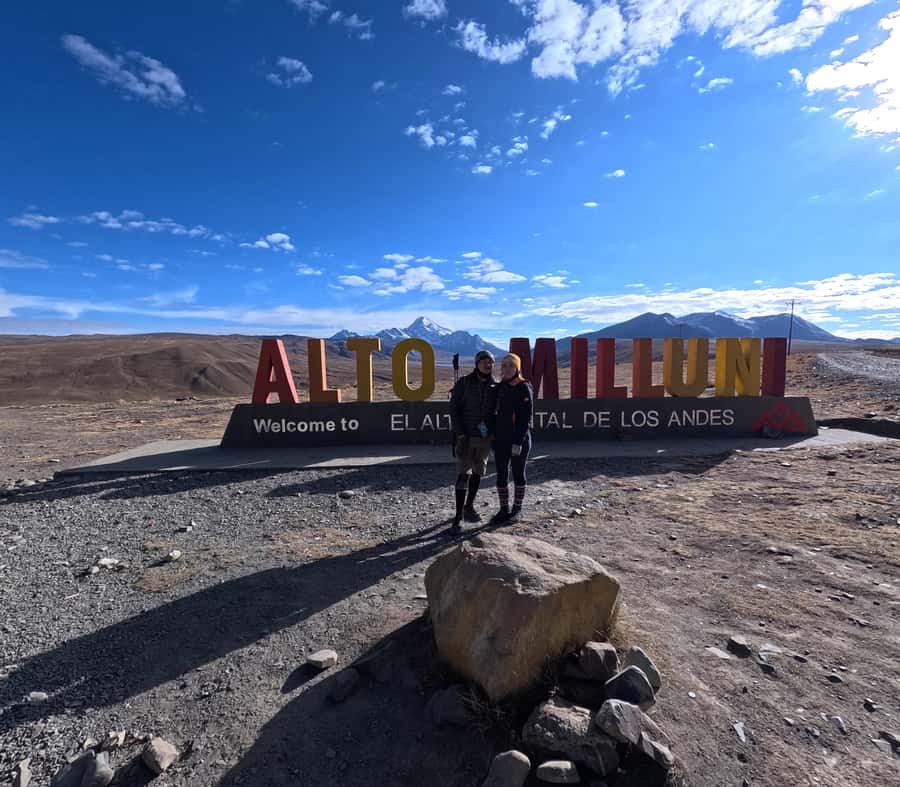
This hike is built for people who want a high-altitude hit from La Paz without committing to a multi-day trek. You start early, ride out with scheduled stops, and then spend your main effort climbing from the 4,600m trail start to the lagoon at roughly 5,024m.
What makes it interesting is the mix of human history and raw altitude scenery. You’re not only walking toward a pretty water scene; you’re also passing through places that reflect how people lived, mined, and traveled in this high country. And if you’re lucky with visibility, the Andean panorama can feel shockingly wide.
The tour is also very clear about its focus: you’re hiking to the lagoon. You’re not doing a technical climb to a snowy summit, which keeps the challenge mostly about altitude and breathing instead of mountaineering skills.
You can also read our reviews of more tours and experiences in La Paz.
Getting there from La Paz: van stops that set the tone
The day begins with pickup at Buhos Tours near San Francisco Church or Which Market. Then you’re on a van/transport ride that’s timed to get you to the high start area with time for a few stops along the way.
Expect a mix of photo moments and short scenic hangs. One early stop is Apacheta Jilarata, where you get a photo break and some dramatic roadside views. Another stop is the Cementerio de Milluni, a mining cemetery area that also works as a viewpoint stop during the drive.
This matters because it’s not just sightseeing. Those stops help you break up the long ride and get your bearings for the hike ahead. They also give your body time to adjust as you climb, which is helpful when you’ll soon be hiking at thin-air altitudes.
One practical note: roads can be bumpy. You’ll likely feel it in the van, so wear comfortable clothes and be ready for some shaking on the way out and back.
Apacheta Jilarata, Milluni cemetery, and Lake Milluni
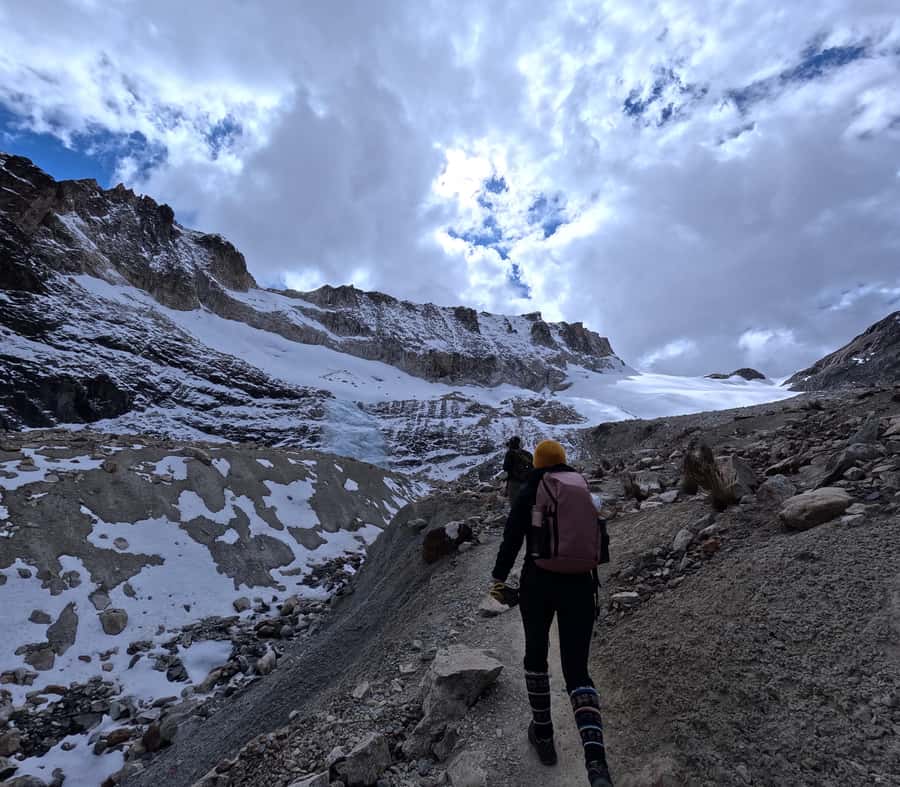
This tour gives you a mini loop of high-altitude sights, and each stop has a different job.
Apacheta Jilarata photo stop
This is mainly about views and atmosphere. You’re high enough to feel the Andes immediately, and it’s a good moment to take a few quick photos before the hike gears up. If weather is good, you can spot big peaks like Huayna Potosí from the wider region.
A drawback: if it’s cloudy, this stop can be more about the experience than the view. Still, it’s a useful checkpoint before you move into the hike zone.
Cementerio de Milluni
You’ll pause here with a visit and a guided explanation. It’s tied to the mining story of the region, and it’s one of those stops that adds meaning to the scenery. One thing I’d watch for: bring a camera, because this is both a historical spot and a viewpoint.
If you’re sensitive to crowds, this stop is brief enough that you won’t feel stuck. If you’re the kind of person who likes context, the guided element makes it more than a quick glance.
Laguna Milluni
This is another photo stop, plus a guided tour and scenic drive segments. The goal here is to show you another high-altitude water setting before you commit to the lagoon hike itself.
It also gives you a comparison point. You’ll see one lagoon before the main one, which makes the final destination feel even more special when you reach it.
Laguna Charquini or Esmeralda: the hike that really matters
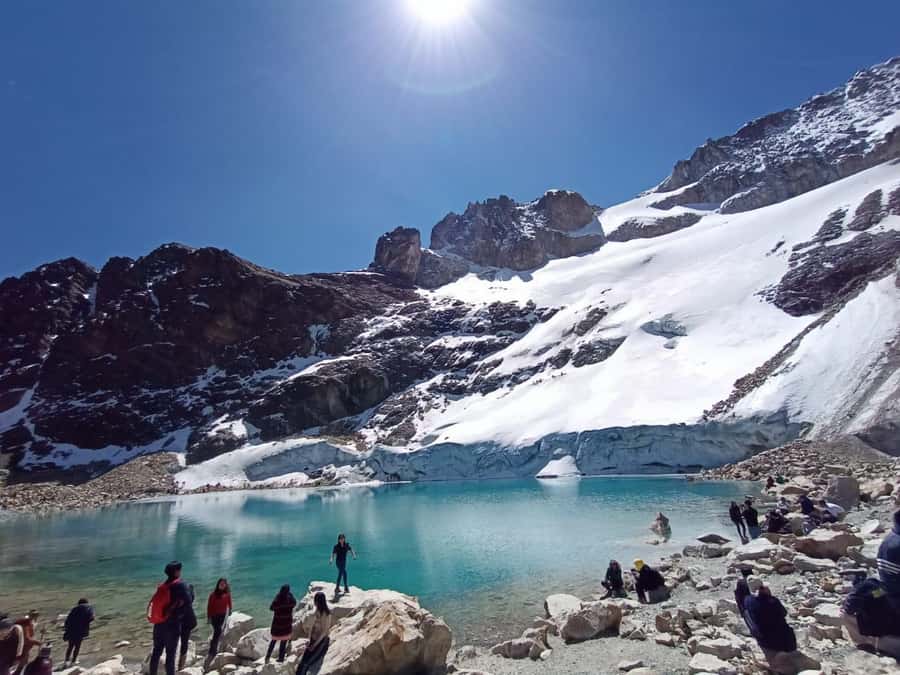
The heart of the day is the hike to the lagoon. Depending on conditions and the route used that day, you’ll hike toward Laguna Charquini or Laguna Esmeralda with a licensed guide.
The way the tour is structured keeps it realistic. Even though you’re hiking at altitude, the tour doesn’t sell you a summit day. Instead, it focuses on reaching the lagoon, taking breaks, and enjoying the view.
Here’s the altitude rhythm you should keep in mind:
- The hike begins around 4,600m
- You reach the lagoon area around 5,024m
- The ascent portion is often described as roughly 45 minutes to about 2 hours, depending on pace
- The total time on the hike segment is typically around a couple hours up and down, with time at the lagoon
On the trail, you’ll feel the altitude faster than you feel steepness. That’s why guides tend to emphasize a steady, not rushed pace. Many hikers find it challenging mostly because breathing changes at altitude, not because the trail is a steep technical climb.
At the lagoon, expect time to regroup and take photos. If the day is cold or windy, the “break” becomes more important than you think—because your body needs that pause to recover before the return.
Weather reality check: the lagoon color and peak visibility
One thing to know: this tour is weather-dependent. When skies are clear, the views can be crisp and dramatic. When clouds roll in or snow falls, peaks like Huayna Potosí and other high landmarks can fade into mist.
You might also notice the lagoon color differs from day to day. Instead of always looking bright blue, it can appear more greenish depending on light and conditions. Either way, the water still acts like a mirror, reflecting the surrounding mountains when the air is calm.
How hard is it, really? (Pacing, duration, and what your body feels)
The total tour time is listed as 8 hours, but that includes transport and several stops. The walking portion is the part most people judge, and it’s usually described as a short hike in duration with a serious altitude component.
A common rhythm looks like:
- A slower, careful climb up (often around 1 to 2 hours)
- A return down that can feel quicker if your breathing holds
- A meaningful chunk of time at the lagoon so you don’t rush your way through the main event
Guides on this route tend to keep groups together without forcing the fast hikers to disappear. Many experiences highlight that the guide stays with slower participants and adjusts the pace so you don’t feel pressured to sprint.
If you’re worried about fitness, this hike can be a decent test day, especially if you’ve already spent time acclimatizing in La Paz. If you haven’t, plan to take it slow immediately and assume you’ll need breaks.
Still, it’s not for everyone. If you’ve ever had altitude sickness, have breathing issues, or you’re dealing with high blood pressure or serious heart conditions, you should seriously reconsider. This tour is physically manageable for many people, but the altitude is real.
Price and logistics: where $39 really lands
At $39 per person, this is priced like a value day trip, especially because it bundles several things that can cost extra elsewhere: round-trip transport, a bilingual guide, a small snack, eco-friendly walking sticks, and emergency oxygen.
That said, you should budget for additional fees. Entry fees are not included (listed as Bs20). In practice, you may also run into separate charges like about 10 Bolivianos for the Charquini area, plus small toilet fees.
For me, the value question comes down to this: you’re paying for more than transportation to a scenic spot. You’re paying for altitude-guidance, safety items, and the context stops that turn the day into a guided route rather than just a bus drop-off.
Also, bring cash. You’ll likely want it for entry fees and any snacks or warm drinks you decide to buy during the stops.
What’s included (and why it matters at 5,000m)
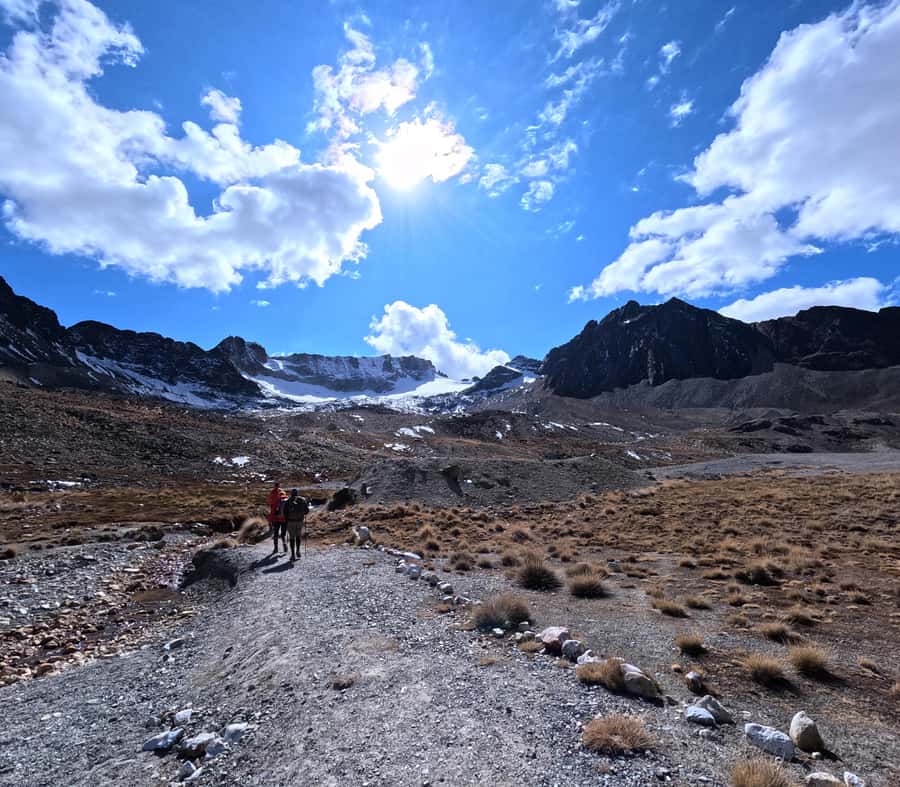
The included items are the ones you’ll feel at altitude, not just the ones you take a photo of.
Bilingual guide (English and Spanish)
This is huge at high altitude because you want clear instructions about pace and safety. It also helps with understanding the stops, like the mining cemetery and the reasons behind the route timing.
Round-trip transport
A lot of people don’t realize how much of an Andean day is logistics. Transport removes planning stress and helps you reach the trail start without fumbling rides.
Small snack
It’s easy to underestimate what cold air does to your energy levels. A snack helps on the move and keeps you from getting shaky if you haven’t eaten enough before pickup.
Eco-friendly walking sticks
These help with balance on uneven ground and can reduce strain on knees when descending.
Oxygen in case of emergency
This doesn’t mean altitude is optional. It means the operator has thought about safety contingencies, which is comforting when you’re headed into the 5,000m range.
What to bring so the day feels better
This kind of hike is simple on paper but demanding in practice. Your packing list should focus on warmth, comfort, and hydration.
Bring:
- Comfortable shoes with grip
- A jacket you’re willing to wear in cold wind near the lagoon
- Hat (sun can be intense even in cool weather)
- Water, plus food and drinks if you want extra fuel
- Camera
- Cash for any entry and small purchases
If you tend to get cold easily, add gloves and extra layers. The lagoon time at altitude can feel colder than you expect, especially if wind picks up.
Also, avoid big luggage. The tour doesn’t allow luggage or large bags, so keep your setup light.
Who should book this hike (and who should skip)
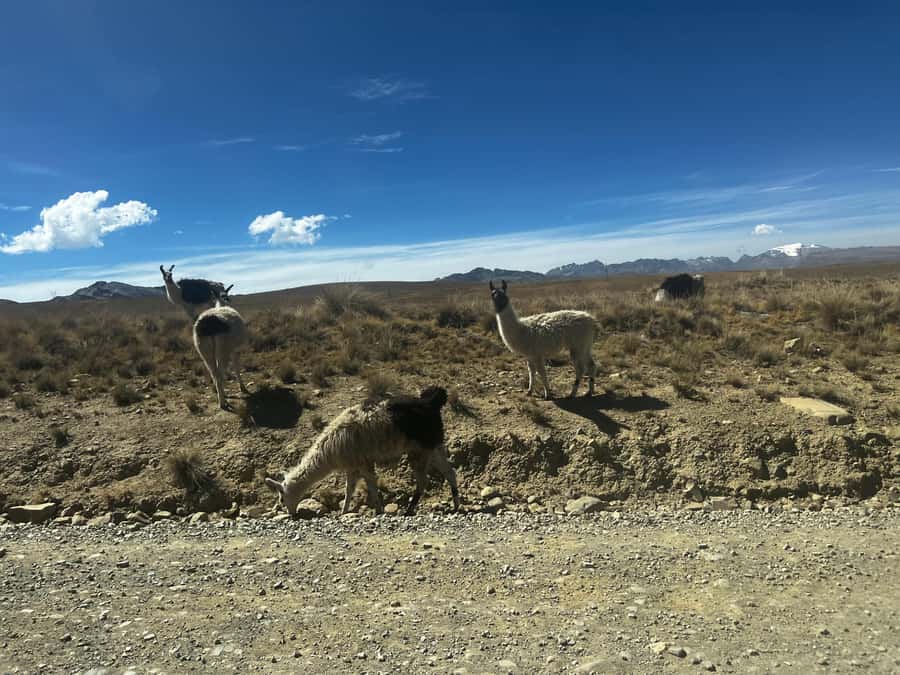
This tour is best for:
- People who want a short hike with big altitude scenery
- Hikers comfortable walking at high altitude for a couple hours on uneven ground
- Anyone who appreciates guided context at places like Milluni’s mining cemetery and Lake Milluni
It’s not suitable for:
- Pregnant women
- People with back problems, heart problems, or high blood pressure
- People with respiratory issues
- People who have had altitude sickness
- Wheelchair users
- People afraid of heights
- Anyone who’s currently sick with a cold
- Very young or very elderly travelers, based on the listed age limitations
If altitude is new to you, go slowly from the first minutes. Don’t treat this like a normal day hike.
Should you book the La Paz Charquini Mountain guided hike?
I’d book it if you want a well-structured high-altitude day that combines route sightseeing with a real walking goal. The biggest strength is how the tour packages the essentials: bilingual guide, small-group pacing, transport, and safety basics like emergency oxygen.
I’d think twice if your main goal is a relaxing nature stroll. This is short, but it’s at altitude, and that changes everything. If the lagoon viewpoint is your entire motivation, remember weather can reduce mountain visibility, so set your expectations that the hike and lagoon experience matter even when the peaks hide.
If you do book, your best move is simple: dress warm, bring water and cash, and hike at a pace that keeps breathing steady. That’s how you turn a challenging altitude push into a memorable day at the edge of Bolivia’s high country.
FAQ
How long is the hike day?
The tour runs about 8 hours total.
Where do I meet the guide?
Meet at Buhos Tours, near San Francisco Church or Which Market.
Is round-trip transportation included?
Yes. Round-trip transport is included, with stops along the route.
What do I hike to—an actual summit or the lagoon?
You hike to Laguna Charquini or Laguna Esmeralda. The tour does not include ascending to the snow-capped peak.
How long is the hike?
On the trail portion, you’ll typically hike for about 3 hours total, with the ascent to the lagoon area often around 1.5 to 2 hours depending on pace and group size.
Are guide services included?
Yes. You get a licensed English and Spanish tour guide.
What’s included in the price?
Included are the guide, round-trip transport, a small snack, eco-friendly walking sticks, and oxygen in case of emergency.
Is the entry fee included?
No. Entry fees are not included (listed as Bs20). You may also run into additional small charges depending on where you stop.
What should I bring?
Bring comfortable shoes, a hat, a camera, food and drinks, water, a jacket, comfortable clothes, and cash.
What weather conditions should I expect?
The tour runs rain or shine.