REVIEW · SEWARD
Kayak and Hike to Historic WW2 Army Fort in Alaska!
Book on Viator →Operated by Millers Landing Inc. · Bookable on Viator
Kayaking turns history into something you can touch. This Seward, Alaska trip pairs sea kayaking with a steady hike up Caines Head to the WWII remains of Fort McGilvray, with big Gulf of Alaska views the whole time. You get training, you get the gear, and you spend one long day moving between water and wind-swept viewpoints.
I especially like the way the day is paced: a hike that’s short enough to feel doable, then a paddle that keeps you focused on what’s ahead. I also love that your kayak setup and safety basics come included, so you can show up and follow the plan instead of wrestling with equipment. Guides like Zack, Issac, Emily, Ron, and Rich are known for keeping things organized and making safety feel normal, even when you’re nervous at first.
The main consideration is simple: this is an all-day workout. You’ll paddle about 5 miles, hike about 4 miles round-trip, then paddle another 5 miles—so if you want something gentle, pick an easier Seward outing instead.
In This Review
- Key Highlights You Should Know Before You Go
- One Day That Feels Like Two Adventures: Fort Hike Meets Open-Water Kayak
- Check-In Timing at 13880 Beach Dr and How the Day Gets Going
- Training and Outfitting: Why This Trip Works for Beginners
- The Caines Head Paddle (About 5 Miles): Wildlife, Wind, and Focus
- Hiking to Fort McGilvray: A Manageable Climb With Big Payoff
- The Second Paddle (About 5 Miles) Back Toward Miller’s Landing
- Safety, Group Size, and the Way Guides Keep It Fun
- Gear That’s Included, Plus What You Should Bring Yourself
- Wildlife Odds: What You Can See From Water and Where to Look
- Who This Trip Fits Best (And Who Should Choose a Lighter Day)
- Should You Book This Seward Kayak and Fort Trip?
- FAQ
- How long is the Kayak and Hike to Fort McGilvray trip?
- What time does the tour start, and where do I check in?
- Do I need kayaking experience to join?
- How far is the paddle and how far is the hike?
- What wildlife might I see?
- Is food included?
- What gear comes with the tour?
- Are there age, weight, or fit limits?
- What should I bring?
- What happens if weather is poor?
Key Highlights You Should Know Before You Go
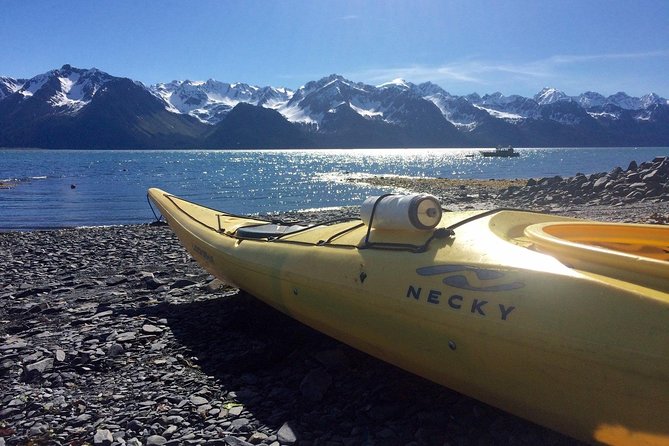
- Fort McGilvray on Caines Head: WWII remains plus panoramic Gulf of Alaska views from the top
- All skill levels welcomed: you get a training session and instruction right before launch
- Wildlife spotting from the kayak: whales, eagles, sea otters, sea lions, mountain goats, black bears, and Dalls porpoise are possible
- Kayak plus gear included: paddle, spray skirt, life jacket, pump, and paddle float are provided
- A 1964 earthquake shoreline detail: driftwood “ghost forests” you paddle past add real local context
- Group size stays small: maximum 16 people means you’re not lost in the crowd
One Day That Feels Like Two Adventures: Fort Hike Meets Open-Water Kayak
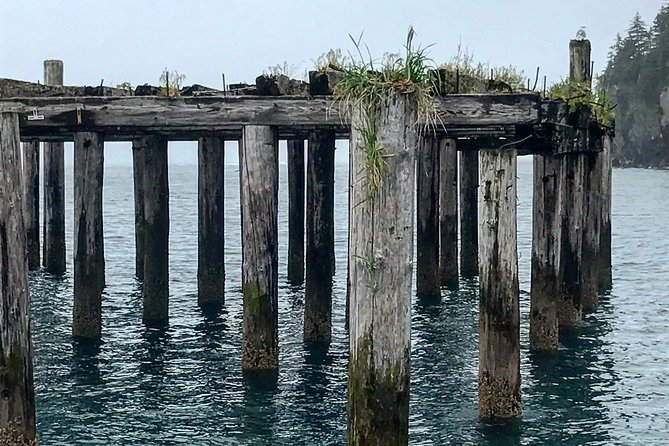
This is the kind of Seward tour that gives you two different kinds of Alaska at once. On land, you climb up to the WWII remains at Fort McGilvray and take in the scale of the coast from Caines Head. On the water, you paddle in a way that makes wildlife and shoreline details pop—because you’re low, quiet, and moving with the current instead of watching from a railing.
The “history part” isn’t a museum stop. It’s walking the terrain where military structures once sat, then looking out at the same Gulf of Alaska that would’ve mattered for surveillance, shipping, and weather. And the “Alaska part” isn’t a generic photo moment. The wildlife potential is real here—sea otters, eagles, and even whales come up when conditions line up.
You should know this day is physical. Even if you’re outdoorsy, paddling for long stretches can wear you out. One common lesson: you’ll feel it in your arms and steering muscles before you feel it in your legs from the hike.
You can also read our reviews of more hiking tours in Seward

Check-In Timing at 13880 Beach Dr and How the Day Gets Going
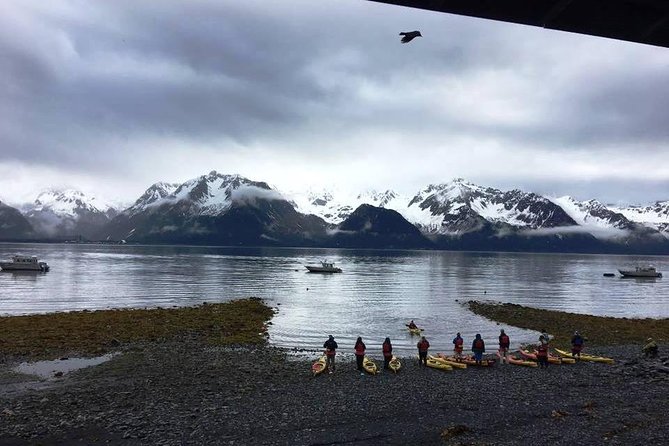
The plan starts early. You check in around 7:45 a.m. at 13880 Beach Dr in Seward for parking and paperwork, then you meet your guide at about 8:00 a.m. You’ll get outfitted for paddling right away, which is nice because it cuts down on gear stress.
Around 8:15 a.m., you warm up with exercises and get a safety briefing. This matters more than it sounds. Sea kayaking isn’t just sit-and-stroke. You’ll need basic control, balance, and steering habits, plus a sense of what to do if wind or small chop kicks up.
Then you launch around 8:25 a.m. and the day becomes a steady rhythm: paddle, focus, look for wildlife, then switch to feet for the hike.
Training and Outfitting: Why This Trip Works for Beginners
What makes this experience feel approachable is the setup. There’s no “figure it out” energy. You get a special training session before you launch, and your guide helps you with paddling mechanics and safety expectations for your group.
That training is a big deal if you’re worried about open water. Guides have a way of breaking fear into small steps—how to hold the paddle, how to keep a stable posture, and how to respond when waves bump your kayak. It doesn’t remove ocean conditions, but it helps you feel in control.
You’ll also get the core gear you need:
- Kayak and paddle
- Spray skirt
- Life jacket (always)
- Pump and paddle float
The cockpit fit matters here. You must be able to fit within a 33 in x 17.25 in cockpit opening, and there’s a 250 lb weight limit based on comfort, balance, and kayak fit.
The Caines Head Paddle (About 5 Miles): Wildlife, Wind, and Focus
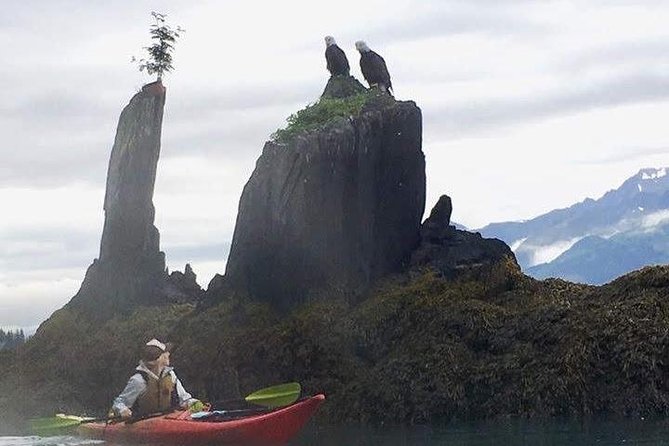
The first water leg runs to Caines Head, about 5 miles. This is where you’ll feel the real “kayak rhythm.” Early on, everyone usually settles into a comfortable cadence. Later, your shoulders and core remind you that steering and posture take work.
The upside is that the views and wildlife are most rewarding when you’re paying attention. This route has a high chance of seeing sea otters, eagles, sea lions, sea otters, mountain goats, and black bears—plus Dalls porpoise and whales when conditions allow. Even when wildlife is quiet, you’re still moving through striking shoreline scenery.
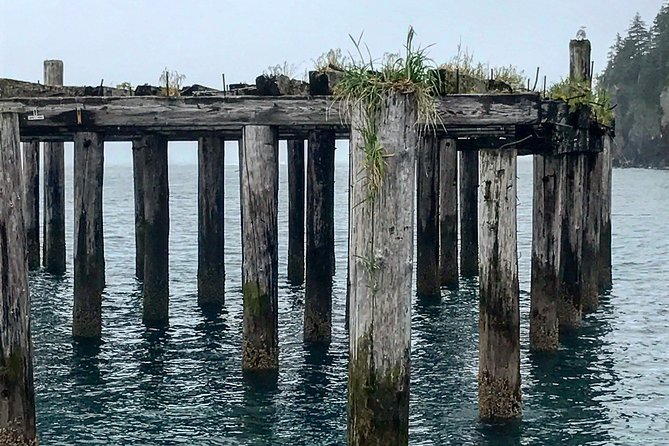
One of my favorite local details on this route is the driftwood “ghost forest” linked to the 1964 Alaskan earthquake. You’ll paddle past patterns of timber that help you understand how the coast changed—and how long natural scars can last.
Hiking to Fort McGilvray: A Manageable Climb With Big Payoff
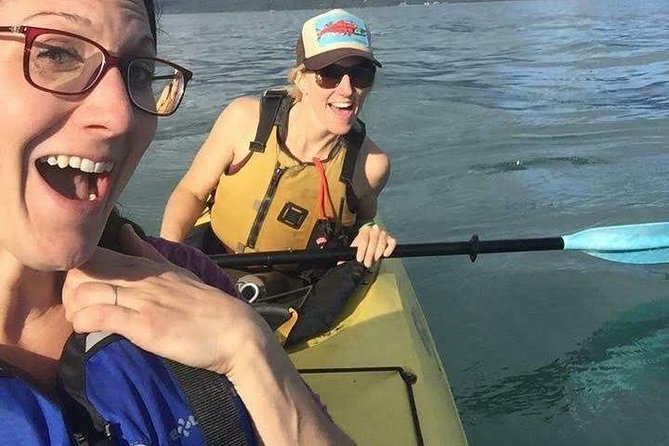
Once you arrive, you shift from paddling to walking. The hike to the top of Caines Head and Fort McGilvray is about 2 miles each way, for roughly 4 miles round trip.
The hike isn’t described as a mountain grind, but it is still a hike on uneven ground. That’s why hiking boots are a must. You want traction and support for your feet—especially because the day already includes a workout in your arms from kayaking. After paddling, your legs are fresh but your body feels “switched over,” so good shoes matter.
At the top, you’ll explore the WWII remains of Fort McGilvray. The structures and leftover pathways help you picture how military supply and access might have worked before today’s roads. The best part is the combo: you’re standing in history while your eyes also take in the open water and big horizon that made this location useful.
If you’re the type who likes to connect dots, this stop really delivers. It’s not just about seeing remnants—it’s about imagining the engineering challenges of getting materials and building access up the coast.
The Second Paddle (About 5 Miles) Back Toward Miller’s Landing
After the fort hike, you return to the kayaks and head to Miller’s Landing, again about 5 miles. This section often feels different from the first paddle—not because the scenery changes, but because your body has learned the day’s demands.
This is the leg where steering can start to feel annoying. That’s normal. A helpful trick is to keep your pace steady and avoid sudden bursts that tire you out fast. The guides tend to keep the group organized so you can focus on form and safety without constantly checking where everyone else is.
Wildlife spotting can pay off again on the return. Sea otters and birds often show up when the water is calm enough for them to feel comfortable. And if whales are in the area, you might see them from your kayak—though that’s always weather and timing dependent.
Safety, Group Size, and the Way Guides Keep It Fun
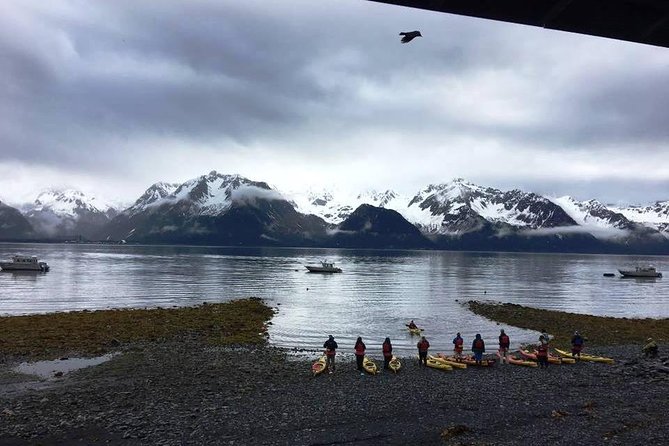
This trip caps at 16 travelers, which helps a lot. Smaller groups are easier to manage on the water, and it’s easier for your guide to keep an eye on spacing and comfort levels.
Safety is handled in two layers:
- Pre-launch training with exercises and a safety briefing
- In-water attention to how everyone is doing
You’ll notice it in the way guides communicate. People like Zack, Ron, and Issac have a knack for being upbeat without treating safety like a checklist. They also make sure you know what to watch for, how to act when conditions change, and how to keep the group moving together.
And yes—guides also bring humor. That matters, because a long day can feel longer if you’re tense. A good guide helps you relax your shoulders and enjoy the ride instead of clenching through the whole paddle.
Gear That’s Included, Plus What You Should Bring Yourself
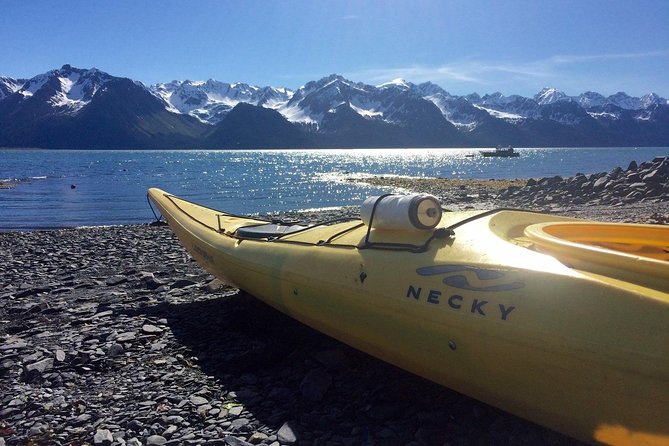
The tour includes a full kayak package: paddle, spray skirt, life jacket, pump, and paddle float. You won’t have to rent a boat or figure out what you’re supposed to wear for a cold coast.
What’s not included is the stuff that keeps you comfortable in changing weather:
- Rain gear
- Food and drinks (unless a specific option is stated)
- Hotel pickup and drop-off (you handle getting to the meeting point)
So bring:
- Hiking boots for the Fort McGilvray hike
- A weather-ready layer system (this is Seward—conditions can shift)
- Rain gear if you own it, or at least something you can rely on
- Snacks or plan your food timing since the day runs about 8 hours and you’ll be active nearly nonstop
The comfort note that makes a difference: even on days that feel okay at the start, coastal wind and mist can change how your body feels. If you can stay dry and warm, you’ll enjoy both the kayak and the walk more.
Wildlife Odds: What You Can See From Water and Where to Look
This is a wildlife-forward trip, but it’s still Alaska, so nothing is guaranteed. You do have strong potential to see sea otters, eagles, sea lions, sea otters, mountain goats, black bears, and Dalls porpoise. Whales can show up too, including humpback whales in some conditions.
How to maximize your chances:
- Pay attention during the paddle, not just at the scheduled viewpoints.
- Watch for behavior first—like sudden bird interest or calm water changes—then look at the horizon.
- Keep your eyes up while you’re still controlling your kayak. Your guide will help with when to scan and when to focus on strokes.
And if the water is lively, focus on stability and let wildlife sightings come to you. The goal is to arrive at the fort and enjoy the hike, not to fight the ocean because you got distracted.
Who This Trip Fits Best (And Who Should Choose a Lighter Day)
This works best for you if you:
- Are comfortable staying active for about 8 hours
- Can handle kayaking and hiking back-to-back
- Have a moderate physical fitness level and good balance
- Want a day that mixes outdoors skills with real place-based history
It’s also a good match if you want a guided experience where someone teaches you before you’re out there alone.
It’s not ideal if:
- You don’t like long paddles (that 5-mile stretch can get tough near the end)
- Your hiking tolerance is low
- You’re sensitive to being wet or cold without solid rain gear
Age-wise, kids must be at least 12, and an adult must accompany them. Fit-wise, the cockpit opening and weight limit are firm, so check early if you’re near the limit.
Should You Book This Seward Kayak and Fort Trip?
If you want Seward’s coast in a way that feels real—water-level wildlife, big views, and WWII remains you can walk around—this is an easy yes. The fact that gear and instruction are included makes it much more approachable than most DIY-style kayaking days, and the fort stop gives the paddle a purpose beyond scenery.
I’d hesitate only if you want something gentle. This is a full-day effort with a hike plus two kayak legs. If you’re up for it, you’ll come home tired in the best way: salty, sunburned or wind-chilled, and with the unusual memory of Fort McGilvray rising above the Gulf of Alaska.
FAQ
How long is the Kayak and Hike to Fort McGilvray trip?
It runs about 8 hours.
What time does the tour start, and where do I check in?
Check-in is around 7:45 a.m., and the tour meets at 8:00 a.m. The meeting point is 13880 Beach Dr, Seward, AK 99664.
Do I need kayaking experience to join?
No experience is required. You get instruction and a training session before your launch.
How far is the paddle and how far is the hike?
The paddle to Caines Head is about 5 miles, the hike to Fort McGilvray is about 2 miles each way (4 miles round trip), and the paddle back to Miller’s Landing is about 5 miles.
What wildlife might I see?
Possible sightings include whales, eagles, sea lions, sea otters, mountain goats, black bears, and Dalls porpoise.
Is food included?
Food and drinks are not included unless specifically noted.
What gear comes with the tour?
Kayak and associated gear are included: paddle, spray skirt, life jacket, pump, and paddle float.
Are there age, weight, or fit limits?
Yes. Children must be at least 12 and accompanied by an adult. Participants must be under 250 lb, and the cockpit opening fit is required (33 in x 17.25 in).
What should I bring?
Bring hiking boots. Rain gear and your own food and drinks are not included.
What happens if weather is poor?
This experience requires good weather. If it’s canceled due to poor weather, you’ll be offered a different date or a full refund.