REVIEW · YULARA
Kata Tjuta: Valley of the Winds Circuit Hike
Book on GetYourGuide →Operated by SEIT · Bookable on GetYourGuide
You walk into a giant red-rock classroom. The Kata Tjuta Valley of the Winds circuit is one of those hikes where the scenery does the talking, but your guide keeps it meaningful with both geology and cultural history as you go. It’s a proper morning outing: you drive in, hike for hours, and come back with light refreshments and answers to all your questions.
What I like most is the balance: you’re not just admiring formations from a distance. You get up close to Kata Tjuta’s red domes while learning how the area is understood and used in cultural terms, plus what was going on here before Europeans arrived. Another big plus is the small-group feel, which makes it easier to hear your guide, ask questions, and take the pace that fits the group. Guides such as Jackie and Ali have a reputation for strong explanations and lots of Q&A energy.
One consideration: this is not an easy stroll. The hike is not suitable for people with mobility impairments or a low fitness level, and it’s also not a match if you have back or respiratory issues. If you’re unsure, it’s worth being honest with yourself about the walking.
In This Review
- Key highlights that make this hike worth your time
- Price and value: is $176 a fair deal?
- Getting there: pickups, a one-hour van ride, and why timing matters
- The Valley of the Winds circuit hike: what the 3 hours really means
- Morning tea and light refreshments: small pause, big payoff
- What your expert guide teaches you (and why it matters)
- Flora, fauna, and the art of noticing in the Red Centre
- Sacred places, respectful walking, and what to expect from the route
- What to bring (so you’re comfortable the whole time)
- Who this hike is best for (and who should skip it)
- Should you book this Valley of the Winds circuit?
- FAQ
- How long is the Valley of the Winds circuit hike tour?
- Where are the pickup and drop-off locations?
- Is the Uluru Kata Tjuta National Park entry ticket included?
- What is included in the tour price?
- What languages are available?
- What should I bring for the hike?
- Who is this hike not suitable for?
Key highlights that make this hike worth your time
- Guides connect natural history and culture so the rocks feel less random and more purposeful.
- A guided circuit through Kata Tjuta’s domes gets you close to the formations rather than just photographing them.
- Small-group attention helps with pacing, stops, and answering questions.
- Morning tea and light refreshments keep you comfortable during the effort.
- You explore a sacred men’s area with context from your guide, adding cultural weight to the scenery.
- You’ll look out for local flora and fauna instead of wandering with blind hope.
Price and value: is $176 a fair deal?

At $176 per person, this tour sits in the “worth it if you’ll use the guide” category. You’re paying for a few real things that are hard to replicate on your own:
First, you’re getting a guided hike with expert interpretation. In the Red Centre, that matters. The rocks are impressive either way, but a good guide helps you understand what you’re seeing, what the area means, and how to notice details you’d otherwise miss.
Second, you’re covered for the “day logistics” pieces: hotel transfers, a van ride in and out, and morning tea plus light refreshments. Even if you can technically reach Kata Tjuta yourself, coordinating timing, parking, and a long hike without support is more hassle than it sounds.
The one cost you should plan for: Uluru Kata Tjuta National Park entry tickets are not included. That’s an important budgeting point. If you include the entry ticket, you’ll get a truer idea of the full day price.
Bottom line: if you want the hike and the guided context, this pricing feels like a practical match.
Getting there: pickups, a one-hour van ride, and why timing matters
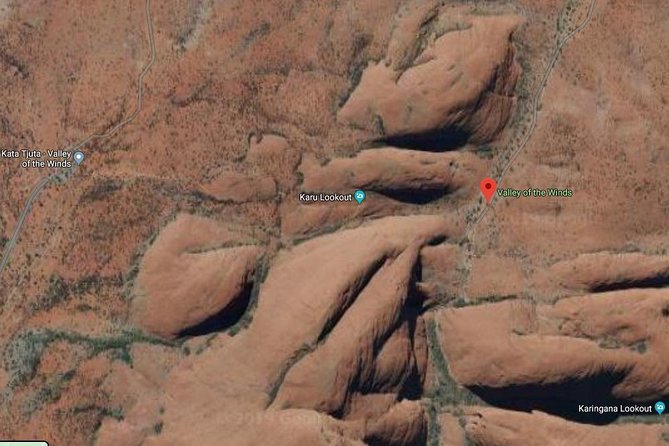
Your day starts with pickup from several options around Ayers Rock Resort area, including places like Sails in the Desert, Outback Pioneer Hotel & Lodge, Desert Gardens Hotel, and Ayers Rock Campground. After pickup, you head by van for about an hour to reach Kata Tjuta.
That drive time matters for two reasons. One, you’ll arrive with daylight and enough momentum for a multi-hour circuit. Two, it helps keep the experience smooth: you’re not trying to solve transport while your brain is already busy thinking about the hike.
Plan to be on time at pickup. In this part of Australia, schedules are how the day stays pleasant, not stressful.
The Valley of the Winds circuit hike: what the 3 hours really means
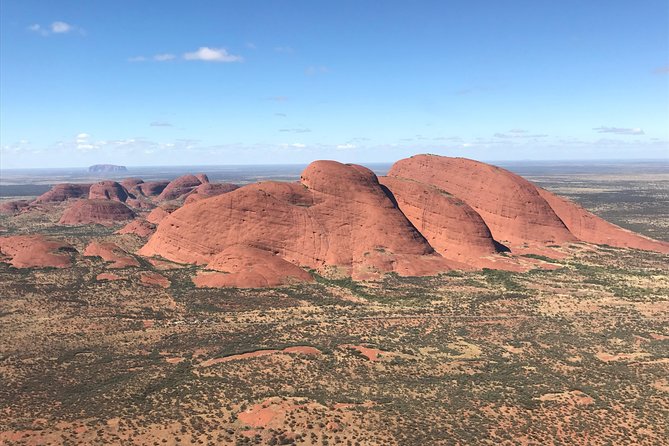
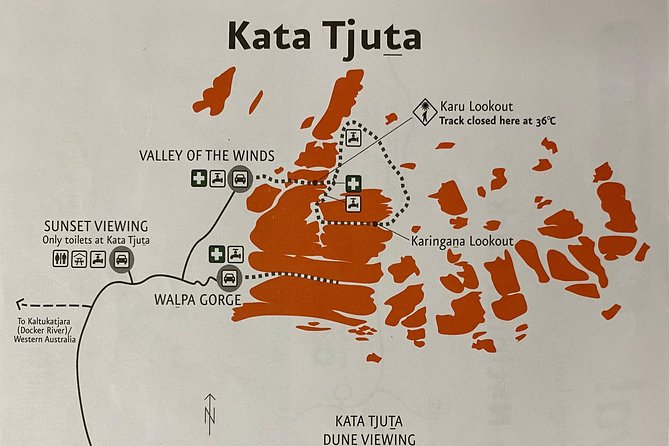
Once you’re at Kata Tjuta, you’ll spend around 3 hours hiking as part of the Valley of the Winds circuit. The route is challenging enough that it’s clearly not built for low fitness or mobility limitations. You should expect a sustained walk and uneven terrain that asks your legs to work.
This is the core of the experience, and it’s where the guided part makes a difference. Instead of treating the hike like a photo sprint, your guide helps you move between giant geological formations with purpose—stopping for context, letting you soak in views, and pointing out things you might otherwise zip past.
A few practical tips from what you’re told to bring:
- Comfortable walking shoes are non-negotiable.
- Water is essential, and you should have it with you as the tour requests.
- Add a sun hat and sunscreen, because you’ll be outside for a while.
If you’re thinking about comfort, also think about pacing. The goal is to enjoy the walk between the domes, not survive it like a punishment.
Morning tea and light refreshments: small pause, big payoff
This tour includes morning tea and light refreshments, served as part of the day. It’s not meant to be a full meal, but it does give you a practical break when your body is starting to ask for one.
Some guides have been noted for looking after people with water and snacks like fruit during the hike, which fits the overall vibe of the tour: you’re active, but you’re not left to fend for yourself out there. It’s the kind of support that turns a good day into an easy one to enjoy.
What your expert guide teaches you (and why it matters)
A lot of hikes say they’ll teach you something. This one is set up so the walking and learning happen together.
You’ll hear about:
- Natural history, including the geological story behind the red rock forms of Kata Tjuta.
- Cultural history, including interpretation of the area as a sacred men’s area.
- European history of the region, with context added during the walk.
That mix is the key. If you only get geology, it can feel like big scenery with little meaning. If you only get culture, you miss the physical scale that shapes experience here. The tour’s design aims for both.
Two guide styles seem to show up strongly in how people describe their experience. Jackie is associated with especially strong explanations—especially around geology and local plants. Ali is associated with answering lots of questions, which is great if you like to learn rather than just observe.
Even if you don’t have a hundred questions, it’s comforting to know the guide is ready to talk when you do.
Flora, fauna, and the art of noticing in the Red Centre
One of the easiest ways to waste time on a hike is to focus only on what you already know you’ll see. This tour nudges you toward paying attention to what’s actually around you.
You’ll see a diverse range of flora and fauna on the guided hike, and your guide helps you make sense of it. That’s a real value add because the Outback can look “empty” to the untrained eye. With guidance, you start noticing how plants survive and how life shows up in small ways.
If you’re the type who takes photos, this kind of guided spotting makes your pictures more interesting too—because you’ll be shooting something you can explain.
Sacred places, respectful walking, and what to expect from the route
This hike includes time where your guide tours you through a sacred men’s area. That means you’re not just hiking through rocks—you’re moving through a landscape with cultural meaning.
How that affects your day: it adds a tone of respect. You’ll likely spend more time listening and following instructions during the route. That’s not a bad thing. It helps slow the pace in the right moments and makes the scenery feel less like a backdrop.
Also, note the simple rule: smoking is not allowed. It’s part of keeping the natural and cultural experience protected.
What to bring (so you’re comfortable the whole time)
The tour asks you to bring the basics below, and I agree with all of it for a hike like this:
- Comfortable shoes (not brand-new stiff ones)
- Sun hat
- Sunscreen
- Water
Optional but smart: a light layer for early morning cooling, especially if you’re sensitive to temperature changes. And if you carry a day pack, keep it small so you’re not wrestling gear while you walk.
Who this hike is best for (and who should skip it)
This is one of those activities where the “not for everyone” list is not filler. It’s a real safety and enjoyment issue.
You’ll likely be a great fit if:
- You’re comfortable with a challenging walk
- You have a solid baseline fitness level
- You want guided interpretation, not just a route
You should reconsider if:
- You have mobility impairments
- You have back problems or respiratory issues
- You have a low fitness level
- You’re looking for something wheelchair accessible (this isn’t)
- You’re traveling with children under 5
Also, if you’re the kind of traveler who gets cold or stressed easily, plan for the fact that you’ll be outside for much of the day. The hike is structured and supported, but it still requires you to do your part physically.
Should you book this Valley of the Winds circuit?
If your goal is a Red Centre day that blends serious scenery with a guide who explains what you’re looking at, then yes—this is a strong choice. The guided circuit through Kata Tjuta’s domes, the attention to cultural context, and the inclusion of morning tea all point to a tour designed to be enjoyable, not just educational.
I’d skip it only if you know you’ll struggle with a challenging walk or you fall into the listed health and mobility categories. In those cases, you’re better off finding a different style of outing that matches your body and pace.
FAQ
How long is the Valley of the Winds circuit hike tour?
The tour duration is listed as 330 minutes, with about 3 hours of hiking and time for transfers and the morning tea portion.
Where are the pickup and drop-off locations?
Pickup and drop-off are available from multiple locations around Ayers Rock Resort, including Sails in the Desert, Outback Pioneer Hotel & Lodge, Desert Gardens Hotel, and Ayers Rock Campground.
Is the Uluru Kata Tjuta National Park entry ticket included?
No. The Uluru Kata Tjuta National Park Entry Ticket is not included, so you’ll need to arrange that separately.
What is included in the tour price?
Inclusions are morning tea and light refreshments, an expert guide, transfers to and from your hotel, and language audio if you advise what language you need.
What languages are available?
The live tour guide operates in English. Language audio can be provided if you request it and specify the language.
What should I bring for the hike?
You should bring comfortable walking shoes, a sun hat, sunscreen, and water.
Who is this hike not suitable for?
It’s not suitable for children under 5, people with mobility impairments, back problems, respiratory issues, other pre-existing medical conditions, or those with low fitness. It is also not wheelchair accessible. Smoking is not allowed.