REVIEW · DODECANESE
Karpathos Aperi Limniotis Cave Hike for stalagmites / stalactites
Book on Viator →Operated by Art and Walk Karpathos · Bookable on Viator
Stalactites, sea views, and a real workout. This Aperi Limniotis Cave hike takes you from Pigadia to the cave near Achata beach, where you’ll meet stalagmites and stalactites in the Limniotis Cave. I love how the hike eases you in at first, then turns into a proper adventure once you’re committed.
My second big win is the small-group feel and the human support. With a maximum of 10 people and guidance from Renata and Thom, you don’t just get pointed toward a cave wall—you get help with the path, plus coffee or tea to reset your legs after the effort. walking sticks are available on request, which is a simple detail that matters when the ground changes.
One consideration: this isn’t a casual stroll. It’s aimed at experienced hikers, with descents into rougher terrain and a climb back out that’s the toughest part of the half-day route.
In This Review
- Key things I’d plan around
- Aperi Limniotis Cave: why this hike starts near Achata beach
- Meet in Pigadia at 8:30am: getting to the start without stress
- The walk to the cave: views first, then the descent
- Inside Limniotis Cave: stalagmites, stalactites, and a sea-view break
- The tough part: the climb back out of the cave
- What Art and Walk guides do well: Renata and Thom
- Coffee and small-group pacing: the comfort details that add up
- Price on Karpathos: does $68.84 feel worth it?
- Who should book this cave hike, and who might not love it
- Practical packing and timing: how to show up ready
- Should you book the Aperi Limniotis Cave Hike?
- FAQ
- Where is the meeting point and what time does the hike start?
- Do I need my own car to reach the hike start?
- How long is the Aperi Limniotis Cave hike?
- How difficult is the hike?
- What will I see inside the cave?
- Do I need to bring a flashlight?
- What’s included in the price?
- What if the weather is poor or plans change?
Key things I’d plan around
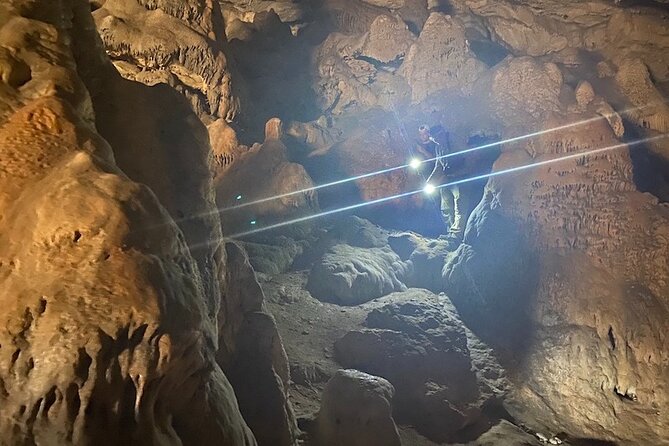
- Stalagmites and stalactites inside Limniotis Cave with time to look and a short break with Aegean views
- Gradual start, harder descent, hardest climb back (plan your energy)
- Guides who help you traverse the path and share nature and island facts along the way
- Small group (up to 10), which makes it easier to keep together on uneven ground
- Bring your own flashlight if you have one; if not, the guide can lend you one
Aperi Limniotis Cave: why this hike starts near Achata beach
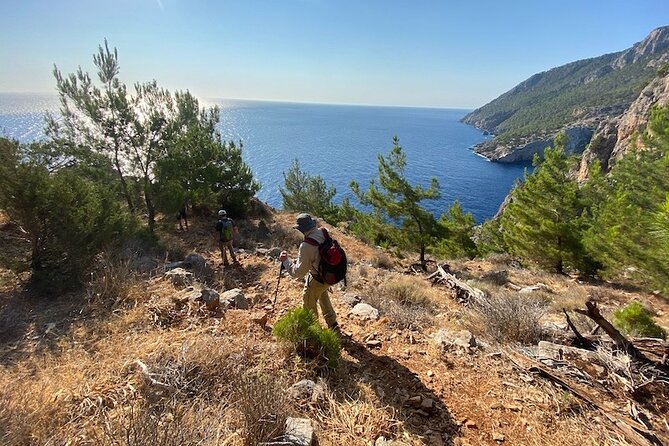
If you like nature that feels close-up instead of staged, this one makes sense fast. You leave Pigadia behind and head toward Aperi, with Achata beach nearby as your early visual warm-up. That coastal setting matters because the hike doesn’t feel like you’re only walking for a cave.
The route is designed with a build-up. The beginning is described as fairly easy, then it gets tougher as you descend toward the cave entrance. It’s a good pattern for people who want a challenge, not a constant scramble.
Most importantly, you’re not just walking through a dry hallway. Inside, you’re there for stalagmites and stalactites—formations that took thousands of years to form. The guides also steer your attention so you can actually notice what you’re looking at, not just pass it on the way out.
Meet in Pigadia at 8:30am: getting to the start without stress
Plan for an 8:30am meeting. You meet your guide in front of Miramare Hotel, next to AutoTour in Pigadia. If you’re arriving by rental car, it’s about a 10-minute follow-drive from Pigadia to the trail area.
If you booked a transfer or pickup, you’ll join that instead of self-driving. Either way, it helps to show up a little early so you can get your bearings fast and confirm what you’ll do for transport.
This matters because the hike itself is only about 4 hours total. You’re not losing time to a long pre-hike loop, so being on time protects the whole experience.
Group size is capped at 10 travelers. That’s not huge, and it usually means the guide can slow down when needed and keep everyone together through tricky sections.
The walk to the cave: views first, then the descent
After you leave the meet point, the hike starts in Aperi near the exit of Achata beach. Expect nature along the way and, as you go, views over the area that keep your eyes up rather than glued to your feet.
The early part is intentionally less intense. You’ll still be moving on a trail, but it won’t feel like you’re immediately paying for the main climb later. This is where you’ll want your water and steady pace, because the day gradually asks more of you.
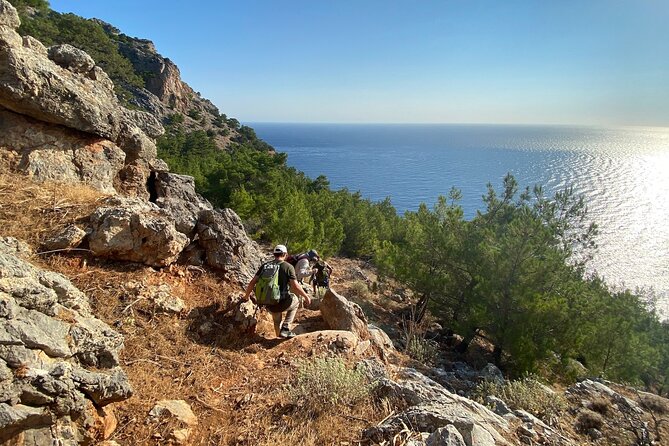
Then comes the shift: the descent toward the cave gets tougher. This is where footing and careful steps come into play. Since the tour is for experienced hikers, it’s not meant to be a first “big hike” if you usually stick to flat paths.
A small but useful detail: the included setup gives you tools. Walking sticks are available on request, and having that extra support can make a noticeable difference when the route changes from easy ground to slope and uneven steps.
Inside Limniotis Cave: stalagmites, stalactites, and a sea-view break
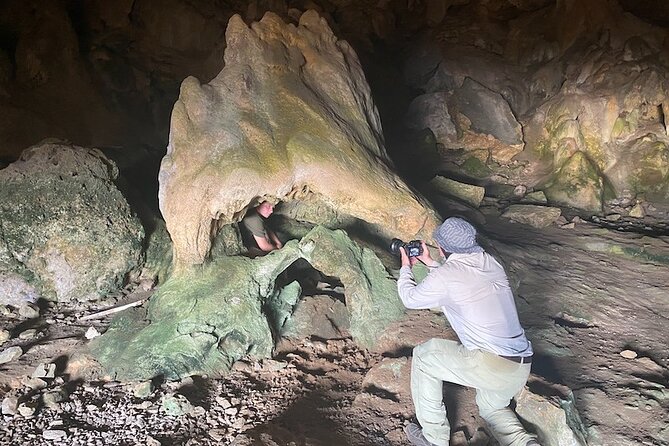
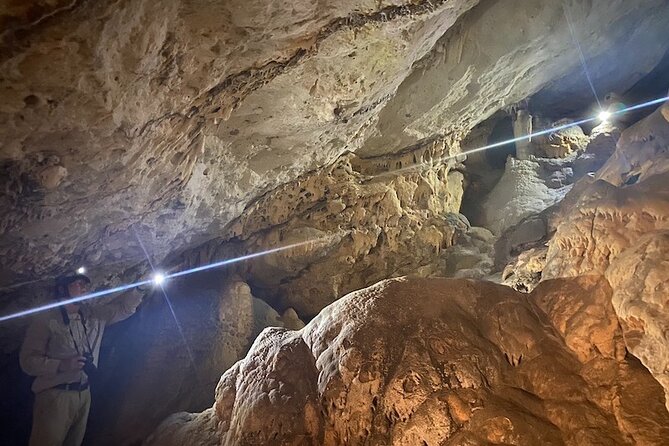
Once inside the cave, the whole mood changes. The focus becomes slow watching—stalagmites and stalactites you can take time with, formed over many millennia. This isn’t a rush-through visit where you only catch glimpses between footsteps.
You also get a break while you overlook the Aegean Sea. Even though you’re underground, that viewpoint stop keeps the hike from feeling like you’re trapped in one environment the whole time. It’s also a smart pacing moment, especially before the return.
The cave experience can feel surprising at first. One person noted that the cave may look fairly small at the start, then there’s more to see farther in, including a short loop that climbs several meters. So if you’re thinking it’ll be a quick in-and-out, keep an open mind.
Because the cave involves lighting conditions, bring a flashlight if you have one. If you don’t, the guide can lend you one. That’s one of those practical things that keeps the experience comfortable instead of “you’ll figure it out.”
The tough part: the climb back out of the cave
The return is described as the toughest part of the hike. You’re coming out with a climb that’s fairly substantial, and it arrives after you’ve already done the descent and cave exploring.
This is why I’d mentally budget your energy for the second half. If you go out too fast at the start, you’ll feel it on the way up. If you pace early—steady steps, no hero moves—you’re more likely to enjoy the climb instead of just surviving it.
The terrain is also in a tougher environment, with climbs and descents rather than just one direction of travel. The guides help with traversing the path, and that support is valuable when you’re tired.
If you’re the kind of hiker who likes a challenge and doesn’t mind uneven footing, this is where the hike delivers. If you’re hoping for a mostly flat trail, this is where reality bites.
What Art and Walk guides do well: Renata and Thom
This is a guided hike, and the guides matter here. From what I’ve learned about how Renata and Thom run their walks, the emphasis is on comfort and clarity—not just facts.
Renata is highlighted for her passion for nature and for talking about geologic features and the environment in a way that stays interesting while you walk. She’s also credited for sharing how the cave was discovered, which gives the whole visit more meaning than simply seeing rock shapes.
Thom is praised for making sure everyone can follow the route. That includes helping you traverse parts of the path and describing how to move safely. People also mention that he keeps the hike engaging by explaining island nature and facts along the way.
There’s another detail I appreciate for practical reasons: guides make regular stops to talk. That sounds small, but it prevents that “staying silent on the move” feeling you get on some hikes. Here, the pace has room for short breaks and for absorbing what you’re seeing.
And it’s not just talk. You also get support tools. Walking sticks on request are included, and flashlights can be provided if you need them.
Coffee and small-group pacing: the comfort details that add up
Included coffee and/or tea might not sound like a main highlight, but on a 4-hour active hike, it’s a real morale boost. It gives you a chance to warm up or reset after the cave effort and before the climb feels like the last stretch.
The maximum of 10 travelers also changes the vibe. You’re less likely to get stuck behind slow walkers who don’t know the route, and it’s easier for the guide to adjust to the group. If you’re hiking with friends or family, this kind of size helps everyone stay together.
There’s also a smart balance in how the tour is structured. You get an easier beginning, time to look inside the cave, and then a tougher finish. It’s not a random sequence that feels like chores back-to-back.
One water note matters too. A reminder came up clearly: bring water. The hike includes climbing and descents, and even if you’re not out all day, you’re still doing real work.
Price on Karpathos: does $68.84 feel worth it?
At $68.84 per person, you’re paying for a guided half-day with cave access and real terrain. This isn’t a simple sightseeing bus stop where you watch from the side.
Here’s what you’re getting for the money, based on the experience details:
- A guide-led hike with support for the tougher path sections
- Cave time specifically focused on stalagmites and stalactites
- Safety comfort items like walking sticks on request and flashlight lending
- Coffee and/or tea during the hike
It’s also a small group with a maximum of 10, which can make the experience feel more personal than bigger tours. If you value careful guidance on uneven terrain, that’s part of what you’re paying for.
In plain terms, if you want a guided cave hike with nature facts and practical help, the price feels in line. If you’re only chasing a quick photo and don’t care about the hike itself, you might find other options cheaper. But if the cave formations are the goal, this one is built around them.
Who should book this cave hike, and who might not love it
This hike is for people with moderate physical fitness who can handle climbs and descents in tougher environments. The tour description is blunt: it’s only for experienced hikers.
So who will like it most?
- People who enjoy uneven terrain and don’t mind a challenging return climb
- Hikers who prefer a guide-led route with clear instruction
- Families with older teens who are comfortable hiking (a group with kids aged 13 and 16 reportedly enjoyed it)
Who might want to skip or reconsider?
- Anyone who avoids slopes, steps, or uneven footing
- People who want a mostly level, low-effort walk
- Travelers who get stressed underground without reliable lighting (even though flashlights can be provided)
If you’re unsure, think about your last hikes. If you can comfortably handle ascent and descent on rocky paths, you’re probably in the right zone.
Practical packing and timing: how to show up ready
Start by thinking about the cave and the climb back out. Wear hiking shoes with grip, because you’ll be moving through descents and a substantial climb. You’ll also want layers in mind, since caves can feel cooler than the sunlit path outside.
Light is the other key. Bring your own flashlight if you have one. If you don’t, the guide can lend you one, but having your own makes you less dependent on gear distribution.
Don’t forget the basics: water. That’s not in every brochure headline, but it came up for a reason. When you’re on your feet for about 4 hours with a tough return, hydration helps your mood.
Timing is also important. Meet at 8:30am in Pigadia, so plan your morning accordingly. This isn’t a late-start tour, and you’ll want energy before the descent begins.
Should you book the Aperi Limniotis Cave Hike?
I think you should book this if you want a guided cave hike that actually focuses on the formations—stalagmites and stalactites—and you’re comfortable with a route that gets tougher over time. The small group size, the help from Renata and Thom, and the included support items like walking sticks and flashlight lending all point to a day designed for active hikers.
I’d skip it if you’re looking for an easy walk or if you get nervous on steep, uneven sections. The return climb is described as the toughest part, and that’s not the place to test your confidence.
If your Karpathos trip needs one experience that mixes geology, nature, and real hiking effort in half a day, this is a solid choice. Book it early, keep an eye on conditions, and show up with water and a steady pace.
FAQ
Where is the meeting point and what time does the hike start?
You meet your guide in front of Miramare Hotel, next to AutoTour in Pigadia at 8:30am.
Do I need my own car to reach the hike start?
You can follow with your rental car for about 10 minutes, or join a transfer if you booked on time to assure your spot.
How long is the Aperi Limniotis Cave hike?
The hike is about 4 hours in total.
How difficult is the hike?
It is only for experienced hikers. The route includes climbs and descents in tougher environments, and the return climb is described as the hardest part.
What will I see inside the cave?
You’ll explore a cave with stalagmites and stalactites formed over thousands of years. You also take a short break with a view over the Aegean Sea.
Do I need to bring a flashlight?
Bring your own flashlight if you have one. If you don’t have one, the guides can lend you one.
What’s included in the price?
Included items are a walking stick on request and coffee and/or tea.
What if the weather is poor or plans change?
The experience requires good weather. If it’s canceled due to poor weather, you’ll be offered a different date or a full refund. There is free cancellation up to 24 hours in advance for a full refund.