REVIEW · LISBON
Hiking tour to the highest limestone cliff of continental Europe
Book on Viator →Operated by Andre Marques · Bookable on Viator
Sea cliffs feel miles away from Lisbon. This guided hike in Arrábida Natural Park climbs to a 381m limestone escarpment, the highest cliff of continental Europe, where the Atlantic opens up fast. I love the small-group guidance that keeps you on route when the trail turns sketchy, and I love the payoff at the top. One big consideration: this is adventurous walking through thorny vegetation and uneven, slanted rock.
I also like how guides such as Rui and Andre Marques bring the place to life with local flora and wildlife talk, not just directions. They’re the kind of leaders who can adjust pace and explain what you’re seeing as you go. If you want a paved, low-effort stroll, this won’t be that.
The hike runs about 7 hours and averages 12.7 km at medium-high difficulty. With a maximum of 14 people, you get a real hiking feel and not a shuffle through a viewpoint.
In This Review
- Quick reasons this Arrábida cliff hike gets booked
- Why this Arrábida limestone cliff hike delivers sea views fast
- Pickup and logistics from Lisbon, Sesimbra, and Setúbal area
- From oak trees to zigzags: what the ascent really feels like
- The 381m viewpoint: Europe’s highest limestone cliff payoff
- Risk Mountain Range, energy snacks, and cliff-top photos
- Flora, wildlife, and local context with Rui and Andre Marques
- Group size, pace, and staying safe on uneven rock
- What to wear and bring for 12.7 km of medium-high hiking
- Price and value: what $118.94 gets you in Arrábida
- Best season and sun planning in the Arrábida Natural Park
- Who should book this hike, and who should skip it
- Should you book this Arrábida cliff hike?
- FAQ
- How long is the hike?
- Where is the tour starting point?
- How far is the hike?
- What difficulty level should I expect?
- How many people are in each group?
- Is the tour offered in English?
- What’s included with the tour?
- Is there a mobile ticket?
- Are service animals allowed?
- What is the cancellation policy?
Quick reasons this Arrábida cliff hike gets booked
- Highest limestone cliff of continental Europe: Reach a 381m summit with sea views
- Small group (max 14): More attention on a tougher trail
- Guided navigation on unclear paths: Keeps you out of trouble on rough terrain
- Local flora guide included: Learn plants as you walk through dense vegetation
- Hotel pickup from Lisbon to the Setúbal region: Cuts the stress of getting there
Why this Arrábida limestone cliff hike delivers sea views fast
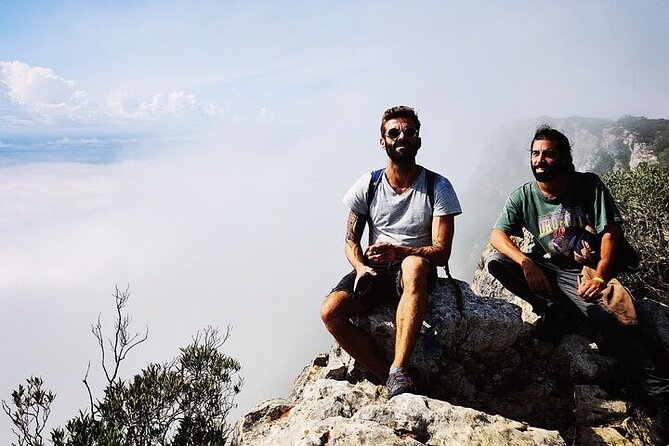
What makes this hike special is the combination of effort and payoff. You start inland in Arrábida Natural Park and work your way up toward a limestone edge where the sea shows up at the top. That moment is the goal: once you’re up at 381m, you can rest, look around, and really feel how exposed the coast can be.
I like that the experience is built around walking terrain, not checklists of attractions. You’re climbing through dense bushes, alongside cultivation fields, and then moving onto zigzag paths through thick vegetation. It’s not a flat “follow the crowd” hike. It’s the kind of route where good guidance matters, because the trail can feel less than obvious in places.
The other big win is the view direction. From the sea cliffs, you get Atlantic coastline views and even sightlines toward Lisbon mentioned in guide-style storytelling. You’re not just looking at water. You’re looking at how the coastline and escarpment shape the region.
You can also read our reviews of more hiking tours in Lisbon

Pickup and logistics from Lisbon, Sesimbra, and Setúbal area
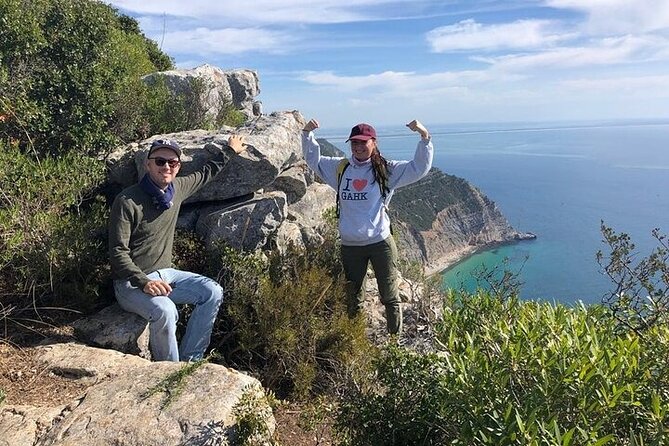
This tour is designed to be easy to start. Pickup is offered from your hotel or accommodation, not a random meeting plaza. The service covers the Lisbon, Sesimbra, and Setúbal area, which is a smart move if you’re staying in the city but want to hike outside it.
The schedule is built for a full morning or daytime push, with a total duration of about 7 hours. That matters because driving time to a remote village inside Arrábida Natural Park isn’t an afterthought here—it’s part of the day. In practical terms, you’ll want comfortable shoes and a plan for water and snacks, because once you’re off the road and walking, your focus should be on steady footing and pacing.
The hike also ends back at the meeting point. So you’re not dealing with bus stops or long self-navigation across the park after you get tired. If you’re the type who likes your travel to run like a system—pickup, hike, drop-off—this setup fits.
From oak trees to zigzags: what the ascent really feels like
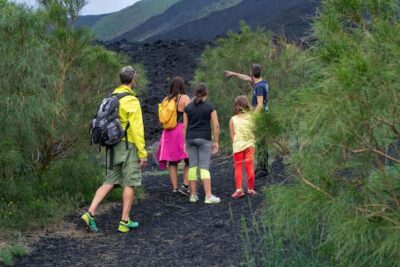
The trail’s “personality” is the point of the hike. You’ll move through vegetation packed with bushes, and you’ll climb via zigzag paths that cut up the slope. Along the way you pass cultivation fields and centenarian oak trees, which gives you a nice mix of shade, open patches, and then dense cover again.
Expect the walking to be uneven. One review notes that the trail isn’t really an easy trail unless you’re comfortable scrambling and ducking through branches. Another describes heavy bush walking and slanted layers of rocks where every step needs attention. That’s the vibe: the route is an adventure trail, not a manicured nature walk.
Difficulty is listed as medium-high, with an average distance of 12.7 km. Put that together and you get a hike that rewards outdoor-ready people. If you’re used to smooth paths and minimal obstacles, plan on taking it slow and staying alert. You may also get minor scratches or thorny contact simply because you’re going through real vegetation.
If you’re prone to getting impatient when terrain gets technical, bring patience. This hike doesn’t “get easier” because you’re motivated—it gets easier when you slow down and move carefully.
The 381m viewpoint: Europe’s highest limestone cliff payoff
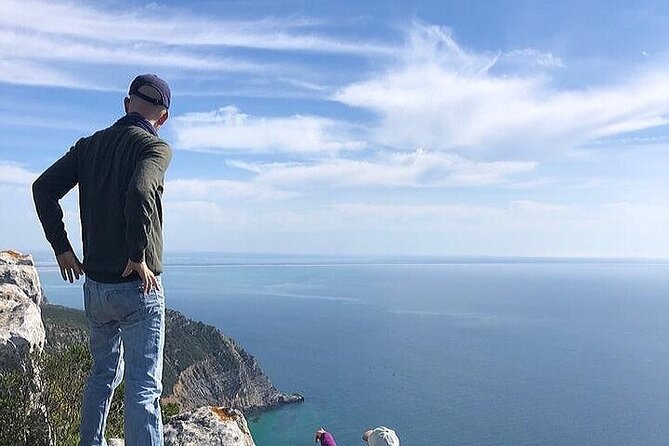
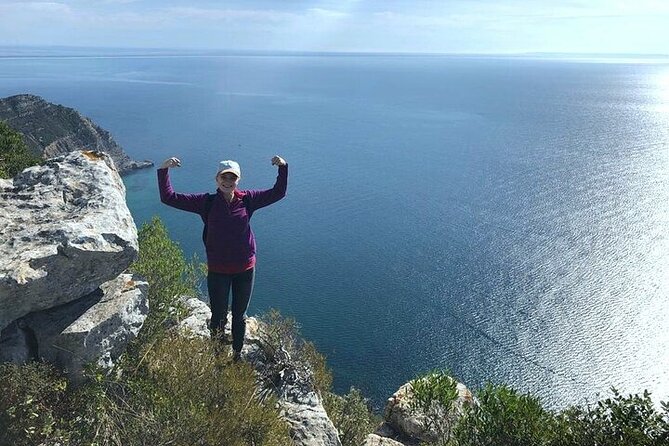
The headline moment is reaching the top at 381m. The description is clear: when you reach the upper area, you’ll see the sea. That’s a huge mental milestone because it signals you’re moving from inland vegetation toward the cliff zone and the wider horizons.
This spot is described as the highest limestone cliff of continental Europe. Whether you’re a geology nerd or not, it matters because you’re standing on the kind of coast that’s shaped by limestone escarpments—steep drops, layered rock, and big exposure to wind and sun.
When you arrive, you’ll rest and admire the surrounding scenery from the sea cliffs. This is where your guide’s pacing and navigation pay off. Without a clear path, it’s easy to rush to the viewpoint and miss the effort it took to get there. With a good guide, the climb feels earned, and the stop feels deserved.
One thing I’d plan for: the view is the reward, so give yourself time to look. Don’t treat the viewpoint like a quick photo stop. Take a breather, scan the coastline, and notice how the cliffs meet the ocean. That’s what turns this from a hike into a memory.
Risk Mountain Range, energy snacks, and cliff-top photos
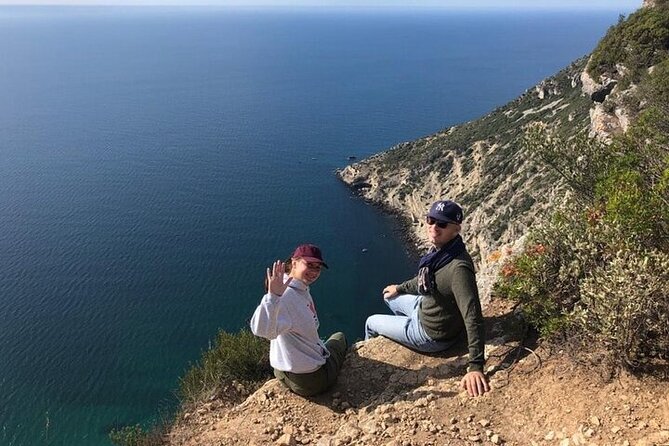
Once you’re near the top, the experience turns more “story” than “route.” The description calls out the mystical Risk Mountain Range, and the whole climb feels like a step into a quieter, more isolated pocket of Portugal than the city atmosphere you left behind.
You’ll likely spend time at the summit area resting. One review mentions the guide brought a treat for energy while sitting on the cliff. You shouldn’t expect a full picnic, but it’s a good sign that guides sometimes plan small moments like that to keep people comfortable during the stop.
Photos are also part of the experience. One review specifically says the guide took a lot of pictures and shared them afterward. That’s worth noting because this is a view-driven hike—if you’re traveling solo or you don’t love fiddling with a camera while you’re tired, a guide who captures moments can be a real benefit.
Just remember: cliff areas can feel exposed. If you’re standing near edges, keep to safe spots and follow your guide’s instructions about where to stand and how to move. The best photos don’t require you to test the boundary of the rocks.
Flora, wildlife, and local context with Rui and Andre Marques
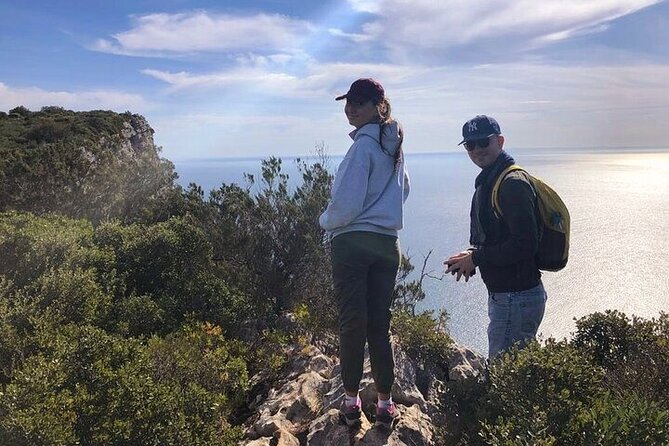
A lot of hiking tours give you a few talking points and move on. This one includes a guide book of local flora, and guides are positioned to share what’s around you—plants, wildlife, and local history tied to the region.
I like this because it changes how you walk. Instead of seeing only bushes and rocks, you start noticing plant types and how the ecosystem behaves on a limestone cliff environment. The vegetation isn’t random. It’s adapted, and that adaptation is part of what makes Arrábida feel distinct.
From the reviews, Rui is described as engaging and good at adjusting pace, with conversations that keep the day feeling human, not like a lecture. Andre is also described as knowledgeable about the outdoors and keen on sharing what the area means—down to the mood of silence in an isolated region.
That kind of guide talk can be the difference between a grind and a meaningful day. You still climb the same terrain, but you interpret it differently.
Group size, pace, and staying safe on uneven rock
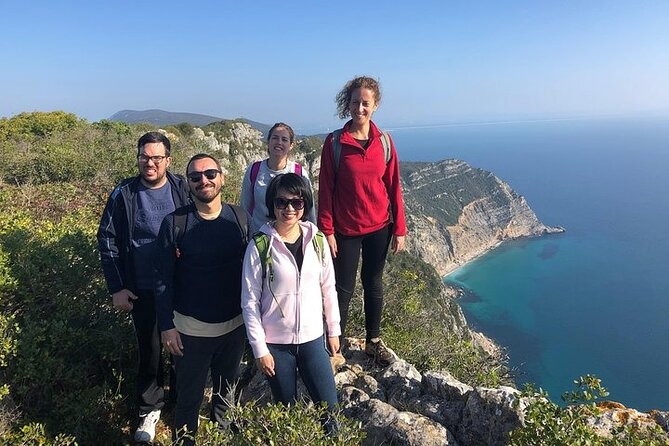
The tour caps at a maximum of 14 travelers. That small group size matters more than you might think on a climb like this. On uneven ground and unclear paths, you want a group that can move in a controlled rhythm, not spread out unpredictably.
One review calls out that the trail can be treacherous and uneven, with exposure and navigation demands. Another mentions the path isn’t obvious, and the guide is what keeps everyone from getting lost. That’s why this is best with a professional guide who regularly tests and chooses routes.
Practically, plan to follow instructions and stay aware of footing. When you’re walking through dense bushes, it’s easy to focus only on the next step and forget that you still need balance while looking around. If your shoes slip on slanted rock layers, stop, reset your stance, then keep moving.
The good news: multiple reviews highlight that guides adjust pace. That means if the group finds a slower rhythm, you’re more likely to keep your energy and avoid rushing.
What to wear and bring for 12.7 km of medium-high hiking
The tour asks for clothing and sidewalk suitable for long walking. In normal language: wear real hiking shoes and dress for a full day on uneven ground. If you’re prone to blisters, plan ahead with socks that do their job and shoes you’ve already broken in.
Sunscreen is specifically mentioned between April and October. That’s a useful seasonal reminder for a climb where you can end up in sun-exposed areas at the top. Pack it even if the morning feels cool.
Also consider that the hike involves heavy bush walking in reviews—thorny bushes, ducking under branches, and brushing plants. So wear clothing that you won’t mind getting scuffed. You’ll feel a lot better if you treat the vegetation like part of the terrain, not something you hope to avoid.
If you have moderate physical fitness, you’re in the right zone. If you’re not, you’ll struggle. Medium-high difficulty plus 12.7 km is not “just walk a bit.”
Finally, service animals are allowed. If you’re traveling with one, bring what your animal needs, and keep them close on rough sections.
Price and value: what $118.94 gets you in Arrábida
At $118.94 per person for about 7 hours, this isn’t a cheap add-on. But it’s also not just paying for views. The value is in the full package: professional guide, hotel pickup and drop-off, included insurance, and a guide book of local flora.
You’re also paying for the reality of hiking in a remote natural park. Getting there from Lisbon or the Setúbal area takes time and logistics. A guided route on uneven terrain is also time-saving and safer than trying to figure it out on your own.
Group size is small too. That’s not always a line item on travel sites, but it affects your experience directly—especially on a hike where navigation and careful movement matter.
If you’d otherwise spend money on a transport solution plus an expensive guide-only alternative, this price starts to look more reasonable. The cliff views are the headline, but the guided structure is what makes the day feel complete.
Best season and sun planning in the Arrábida Natural Park
The tour’s sunscreen note covers April through October, which strongly suggests this is a popular hiking season. Those months usually mean enough daylight for a full hike day and conditions that support longer time outdoors.
Plan for sun exposure, especially at the top when you’re out in open air near the cliffs. Even if the morning starts mild, you can end up in stronger light and wind later.
Also consider that vegetation and thorny sections are part of the terrain year-round in this park style. The season changes how hot and how uncomfortable it feels, not whether you’ll deal with bushes. April to October means more sun and more need for sun protection.
If you go in peak heat, pace yourself and expect the hike to feel longer than the distance numbers suggest.
Who should book this hike, and who should skip it
Book this if you want a guided day outdoors that includes real navigation challenges, a medium-high climb, and a summit moment with massive sea views. It fits well for people who like being off the beaten path and don’t mind that the trail can be rough and partially covered.
It also works if you enjoy learning while walking. The included flora guide book plus a talkative guide approach makes the day smarter, not just longer.
Skip it if you’re mainly seeking an easy scenic walk with minimal obstacles. If thorny bushes, slanted rocks, and exposure near the cliff sound stressful, this might feel like too much.
And if you need a highly controlled, stroller-friendly route, this isn’t designed for that. This is an honest hiking experience.
Should you book this Arrábida cliff hike?
I’d book it if your idea of a great Portugal day is climbing with a guide, earning a sea-cliff viewpoint, and spending hours where the coast feels far from city life. The small group size, hotel pickup from Lisbon through Sesimbra and Setúbal, and the guide-led navigation are the big reasons it works.
I wouldn’t book it if you hate uneven terrain or want a smooth, obvious path. The route is described as adventurous, and you should treat that as the deal, not a surprise.
If you’re moderately fit and you show up with proper shoes and sunscreen between April and October, you’ll be set for a very memorable cliff-top view day.
FAQ
How long is the hike?
The duration is about 7 hours.
Where is the tour starting point?
Pickup is offered from your hotel or accommodation in the Lisbon, Sesimbra, and Setúbal area. The activity ends back at the meeting point.
How far is the hike?
The average distance is about 12.7 km.
What difficulty level should I expect?
The hike is listed as medium-high difficulty.
How many people are in each group?
The tour has a maximum of 14 travelers.
Is the tour offered in English?
Yes, it’s offered in English.
What’s included with the tour?
Included are a professional guide, hotel pickup and drop-off, a guide book of local flora, and all insurance.
Is there a mobile ticket?
Yes, a mobile ticket is included.
Are service animals allowed?
Yes, service animals are allowed.
What is the cancellation policy?
You can cancel for a full refund up to 24 hours in advance of the experience start time (local time). Canceling less than 24 hours before the start time isn’t refunded.