REVIEW · BUKHARA
Hiking tour to Hayat, Uhum and Asraf villages – 4 days
Book on Viator →Operated by Nuratau Travel · Bookable on Viator
A hike through small Uzbek villages beats any museum day, every time. This 4-day route takes you from Bukhara into the Nuratau Mountains, then over to Samarkand, mixing real countryside walks with village life you can’t easily copy on your own.
On this trip you get two big wins: meals included (so you’re not budgeting for every meal) and homestays that put you in the rhythm of local living. You also get the kind of logistics help that makes a multi-day hike actually feel doable.
One thing to plan for: this is a weather-dependent, active hike. If you’re not comfortable walking 11–12 km days, or you dislike simple rural accommodation, you’ll feel the difference.
In This Review
- Key points worth knowing before you go
- Bukhara to Samarkand: a smarter route than doing this as a day trip
- The Nuratau hiking plan: distances, pacing, and how fit you should be
- Hayat, Ukhum/Uhum, and Asraf: sleeping in homestays the right way
- Day 1 in the Nuratau Mountains: arriving in Hayat by lunch
- Day 2 to Uhum: irrigation channels and petroglyphs on the 12 km day
- Day 3 to Asraf: donkeys for luggage, plus a watermill and Mongol ruins
- Day 4 to Eski Forish: an easier hike with medieval observation ruins
- Food, logistics, and small-group comfort (max 12)
- Price and value: what $380 really covers
- Should you book this Hayat–Uhum–Asraf hiking tour?
- FAQ
- How long is the hiking tour?
- What does the tour cost?
- Where do you get picked up and where do you end?
- What kind of accommodation do you use?
- Are meals included?
- How much hiking is there each day?
- What if the weather is bad or the minimum group size isn’t met?
- What is the cancellation deadline for a full refund?
Key points worth knowing before you go
- Bukhara pickup and Samarkand drop-off saves you from backtracking
- Meals are included, plus you can help cook Uzbek food if you want
- Small group (max 12) means more guide attention on the trail
- Nuratau villages you can’t easily reach solo (Hayat, Ukhum/Uhum, Asraf, Eski Forish)
- Petroglyphs, irrigation channels, a watermill, and Mongol fortress ruins add variety beyond just walking
- Chance to see endangered wild sheep during the hike (weather and conditions matter)
Bukhara to Samarkand: a smarter route than doing this as a day trip
What I like most about this tour is the way it connects two cities that most people already want to see. You start in Bukhara, then you’re dropped in Samarkand at the Gur-i Amir Mausoleum area, so your travel time doesn’t get swallowed by shuttles back and forth.
The start point is at the Khodja Nasreddin statue area by Lyabi Haus Pool, and the day begins in the morning. That early start matters. You avoid the “wait around for everyone” vibe, and you get moving while the day is still fresh.
You also get a built-in change of scenery. One day feels like concentrated countryside hiking. The next feels like history in the hills. And then you finish back in Samarkand, ready to switch from walking boots to city shoes.
The Nuratau hiking plan: distances, pacing, and how fit you should be
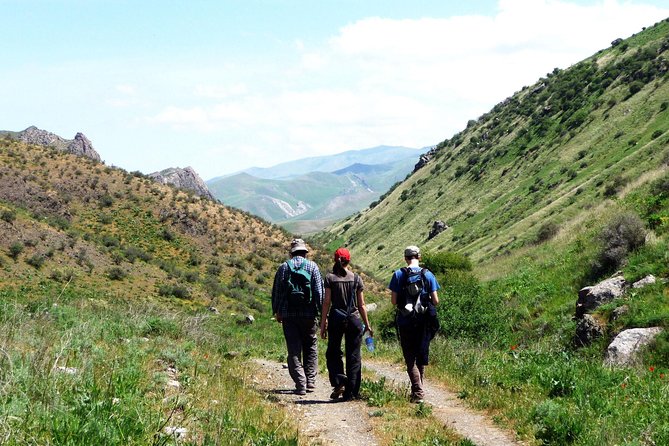
This trip is built around day hikes that are long enough to feel satisfying, but guided enough that it doesn’t turn into a hard-core survival test.
Here’s the rough rhythm you should expect:
- Day 1 is heavy on travel time: about 4.5 hours of driving from Bukhara into the Nuratau area, arriving by lunch in Hayat village.
- Day 2 is a classic hike day: Uhum comes next with about 12 km and around 5 hours of hiking.
- Day 3 is another solid walking day: Asraf is about 11 km and 4.5 hours. You hike down via Uhum, and your luggage is handled by donkeys (a practical detail that makes the day feel lighter).
- Day 4 is labeled as an easy hike: Asraf to Eski Forish and back is 11 km for about 5 hours, then you head to Samarkand after lunch.
“Most travelers can participate” is the gentle promise here, but the real truth is simpler: if you can comfortably walk 4–5 hours at a stretch, you’ll be fine. If you’re used to short city strolls only, you’ll want to train a bit before you arrive.
Pack for steady walking, not for sightseeing only. Good footwear is a must. Bring water, and plan to move at a pace that lets you enjoy the stops (petroglyphs, channels, ruins) without sprinting.
Hayat, Ukhum/Uhum, and Asraf: sleeping in homestays the right way
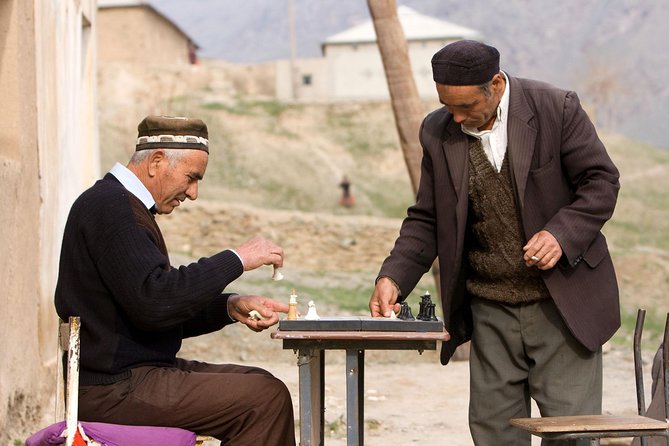
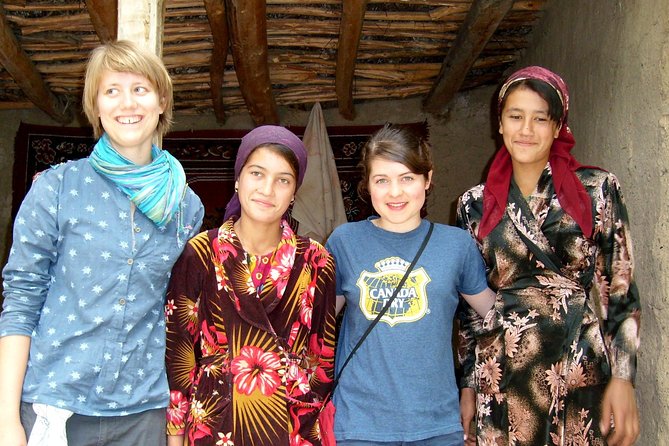
The homestays are a core part of the value here. You’re not just “passing through” villages. You sleep where people actually live, and that changes how you experience the countryside. Meals are included too, which means you spend your energy on the hike instead of constantly making food plans.
There’s also an optional cultural bonus: if you’d like, you can help your host family prepare Uzbek meals. Even if you’re not the type who wants to cook in a stranger’s kitchen, watching and learning a few simple steps is a way to connect fast. You’re not being turned into a performer—more like being given a seat at the table.
One practical note: rural homestays can be simpler than city hotels. That’s not a complaint; it’s just the trade. If you expect hotel-style comforts, you’ll probably get cranky. If you’re open to a more local setup, you’ll feel the warmth in the experience.
Day 1 in the Nuratau Mountains: arriving in Hayat by lunch
Day 1 is about getting out of the city and into the mountains without pretending you can do it instantly. The transfer is about 4.5 hours, so the pace shifts from logistics to relaxation once you arrive.
When you reach Hayat village by lunchtime, you can settle in before your body starts negotiating with gravity. That’s a smart move for a multi-day trek. It gives you time to adjust, meet the people around you, and get a feel for the rhythm of the village before the longer hiking starts.
This day also sets expectations for the rest of the trip: you’re staying in small communities, moving between villages, and eating what the household prepares. If that sounds good to you, this first arrival is when the trip starts to click.
Day 2 to Uhum: irrigation channels and petroglyphs on the 12 km day
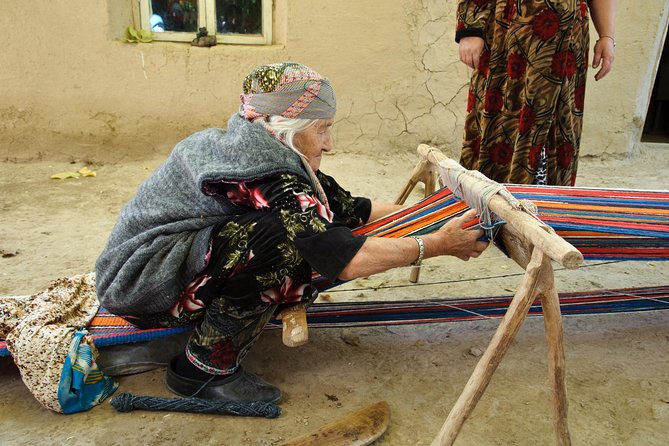
The Uhum hike is where the tour earns its name as more than a walking track.
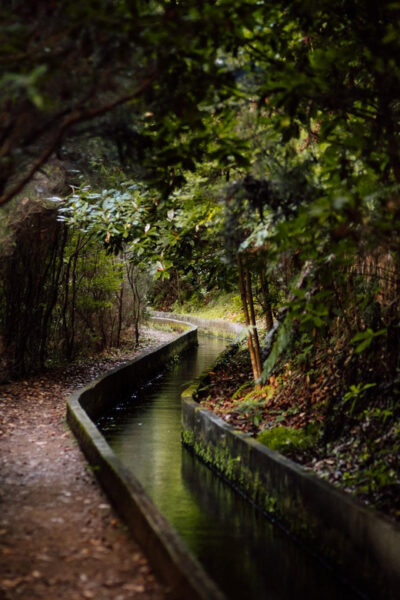
You start with a meeting with your mountain guide in the morning, then head into the hike toward Uhum. The day includes stops that give your brain something to do besides count steps. You visit ancient irrigation channels, which is one of those details that makes the region feel alive—water systems aren’t just history; they’re how people farm and survive in mountain terrain.
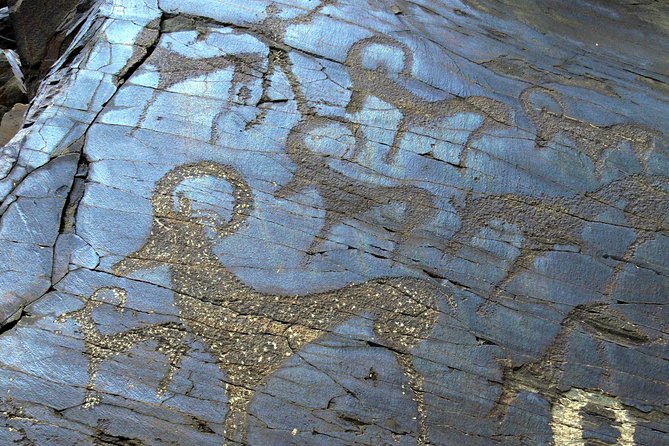
Then there’s a petroglyph site. Rock art is always worth a stop, but it’s especially memorable in a place where the hills still shape daily life. It turns the hike into a time-travel walk: you’re seeing marks left by people who used the same kind of terrain long ago.
The day is about 12 km and around 5 hours. That’s a full hike, so don’t plan on sprinting between highlights. You’ll want time to pause, take photos, and listen to what your guide shares about why these places mattered.
Day 3 to Asraf: donkeys for luggage, plus a watermill and Mongol ruins
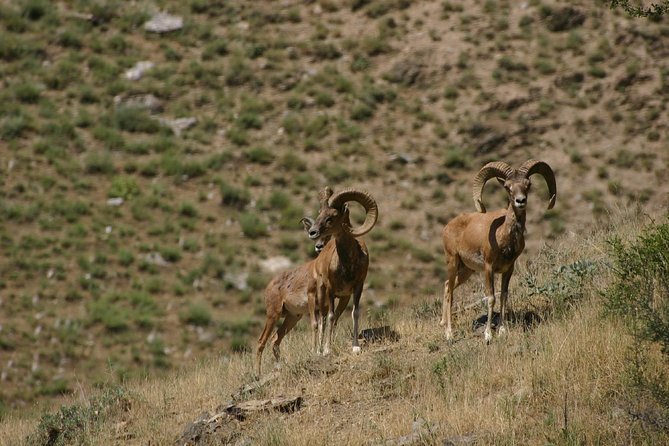
Day 3 is the “moving down the valley” day. You hike from Uhum to Asraf, about 11 km and roughly 4.5 hours.
The standout practical detail here is that your luggage is transported by donkeys. That matters more than it sounds. It means you carry less and can focus on the trail instead of stacking your daypack like you’re preparing for an overnight trek with heavy gear.
Along the way, you visit a community watermill, another reminder that these villages run on systems that are part engineering, part tradition. Then you see the ruins of a Mongol fortress. Even if you’re not a hardcore history person, ruins like this tend to make you slow down. There’s something about seeing stone where power once sat on the edge of the empire.
By the time you arrive in Asraf, the day’s mix of hiking, working-life stops, and ruins should leave you tired in a good way—tired enough that your homestay meal tastes extra honest.
Day 4 to Eski Forish: an easier hike with medieval observation ruins
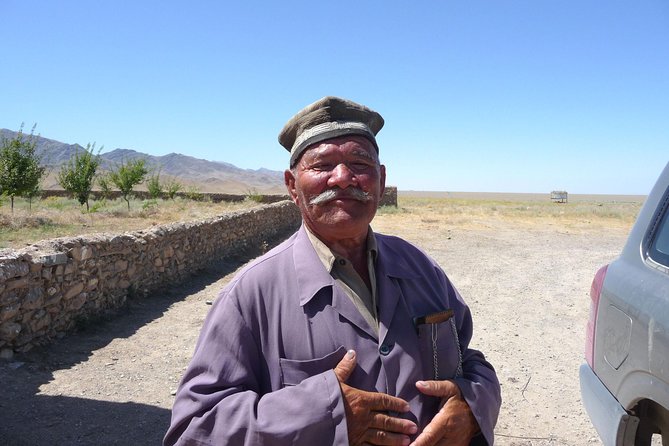
Day 4 is the “finish strong” day. You start with an easy hike from Asraf to Eski Forish and back—11 km total and around 5 hours—plus stops along the way.
You also visit ruins of a medieval observation point. That’s a great match for a shorter intensity day because the walking gives you stamina, and the ruins give your mind a story to chew on afterward.
After lunch in the village, the trip shifts gears again. You leave for Samarkand, where you end near the Gur-i Amir Mausoleum. That finish feels practical: you can step straight into city sights with your hiking days behind you.
Food, logistics, and small-group comfort (max 12)
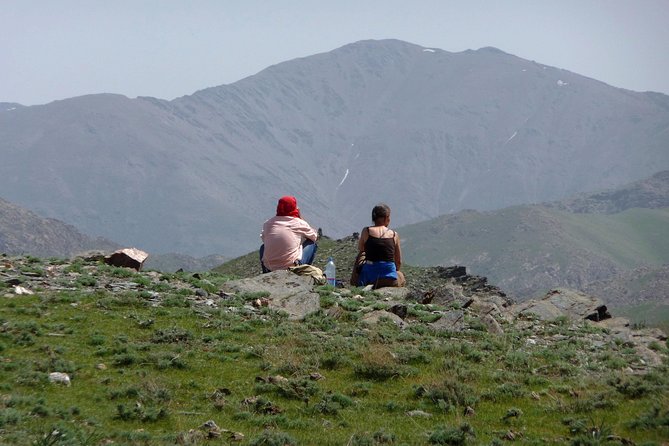
One of the best parts of a guided hiking tour is not having to manage the thousand little details that make planning exhausting. Here, the logistics are handled for you, and that shows in the flow.
You’re in a small group of up to 12, which keeps the hike from turning into a line. It also means your guide can adjust pacing if the group needs it. On trail days, that makes a noticeable difference between a good experience and a stressful one.
Meals are included throughout, which is a big value lever. It means your day doesn’t get interrupted by hunting for food or paying for every meal separately. It also reduces decision fatigue. You eat, you hike, you sleep. Simple.
You also get drivers who arrive on time and take you safely between points. That matters in a country where road time is part of the adventure. When transportation is handled well, it protects your energy for the hiking.
Price and value: what $380 really covers
At $380 per person for 4 days, you’re not just paying for the walk. You’re paying for a package that combines:
- pickup in Bukhara and drop-off in Samarkand
- countryside transfers into the Nuratau Mountains
- guided hiking between villages like Uhum and Asraf
- homestays (not hotels)
- meals included
- entry fees being listed as free for the sites on the route
- a group size capped at 12
Compared to piecing this together yourself, the biggest savings aren’t just money. It’s time and stress. Multi-day hiking with local village stays requires coordination that most people don’t want to chase on their own. This tour handles the hard parts—routes, guides, and the back-and-forth village logistics—so you can focus on being outside and meeting people.
The trip is also booked about 15 days in advance on average, so if you want a spot, don’t wait until the last minute.
Should you book this Hayat–Uhum–Asraf hiking tour?
Book it if you want a real village-and-mountain experience, not a “check-box” itinerary. You’ll likely love it if:
- you’re comfortable walking 11–12 km days
- you enjoy homestays and don’t need hotel-style comforts
- you want more than views—you want petroglyphs, irrigation channels, a watermill, and ruins
- you appreciate meals being handled for you
- you’re okay with a weather-dependent plan in the mountains
Skip it if hiking days like this are beyond your comfort zone, or if you dislike the idea of sleeping in local homes. Also keep in mind that the tour needs good weather, so you should be flexible in your travel dates.
If that all sounds like your pace, this is the kind of tour that makes Uzbekistan feel personal—because you’re not just looking at the countryside. You’re living in its rhythm for four days.
FAQ
How long is the hiking tour?
It lasts 4 days (approximately).
What does the tour cost?
The price is $380.00 per person.
Where do you get picked up and where do you end?
You’re picked up in Bukhara and the tour ends in Samarkand at the Gur-i Amir Mausoleum complex.
What kind of accommodation do you use?
You sleep in local homestays during the trip.
Are meals included?
Yes. Meals are included on the tour, so you don’t need to pay separately for them.
How much hiking is there each day?
The hikes include about 12 km (around 5 hours) on the Uhum day, about 11 km (around 4.5 hours) on the Asraf day, and about 11 km (around 5 hours) on the Eski Forish day. The first day includes about 4.5 hours of driving before settling in.
What if the weather is bad or the minimum group size isn’t met?
The experience requires good weather. If it’s canceled due to poor weather, you’ll be offered a different date or a full refund. It also requires a minimum number of travelers; if the minimum isn’t met, you’ll be offered a different date/experience or a full refund.
What is the cancellation deadline for a full refund?
You can cancel up to 3 days in advance for a full refund, which means at least 3 full days before the experience’s start time. If you cancel less than 3 days before, it isn’t refunded.