REVIEW · CENTRAL MEXICO
Hiking Tour on the Iztaccíhuatl Volcano from Puebla
Book on Viator →Operated by Unlimited Experiences · Bookable on Viator
A volcano hike that actually cares about your breathing? That’s the vibe on Iztaccíhuatl from Puebla. I love the certified mountain guide factor here, especially when altitude is in the mix, and I also really like the oxygen/health checks mindset that keeps the pace human. The main drawback to think about first is the altitude and the effort: even with a moderate-fitness baseline, this can still feel tough.
Iztaccíhuatl-Popocatépetl National Park is the star, with a hike that can reach around 4,500 meters depending on access. Expect a long day, including round-trip transit from Puebla (pickup in Puebla or Cholula), plus time for gear and slow, steady walking. If weather is cloudy or the park situation changes, the route can shift—so be ready for Plan B.
In This Review
- Key things I’d plan around before you go
- Why Iztaccíhuatl from Puebla feels like a real mountain day
- Certified guides and safety gear that actually changes the day
- The long ride and the dirt-road reality
- The main hike: reaching high gates and seeing Popocatépetl
- Weather is a factor, and you should plan for it
- If park access shifts: La Joya to Paso de Cortés plan
- What you’ll learn along the trail (and why it’s worth your attention)
- Price and value: is $126 fair for what you get?
- Who this hike suits best (and who might struggle)
- Small comfort notes: the details that can make or break expectations
- Should you book this Iztaccíhuatl hike from Puebla?
- FAQ
- How long is the Iztaccíhuatl hiking tour from Puebla?
- What’s included in the tour price?
- Where does pickup happen?
- How high will we hike?
- What happens if park access isn’t confirmed?
- Is this a private tour?
- What fitness level and age are required?
Key things I’d plan around before you go
- Altitude checks, not macho hiking: an oximeter is used, and your guide adjusts the plan if needed.
- You get real mountain gear: helmet and trekking poles are provided, plus insurance and first aid on hand.
- Private means flexible: it’s just your group, so the pace and stopping points can be handled.
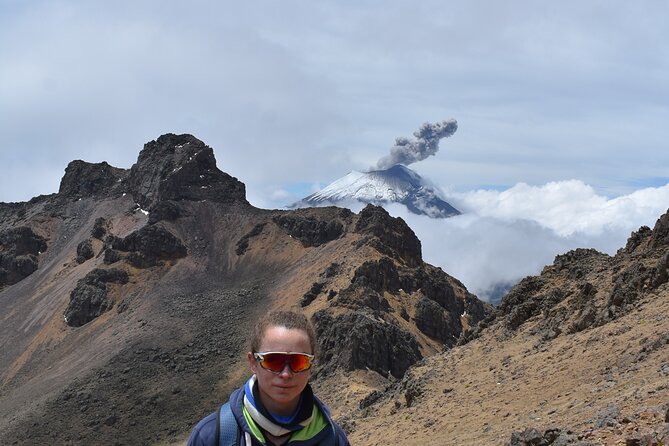
- You’re hiking high: you may go up to about 4,500 m, with big views of Popocatépetl on clear days.
- Access can change the exact route: if park entry isn’t confirmed, you still hike from La Joya to Paso de Cortés.
Why Iztaccíhuatl from Puebla feels like a real mountain day
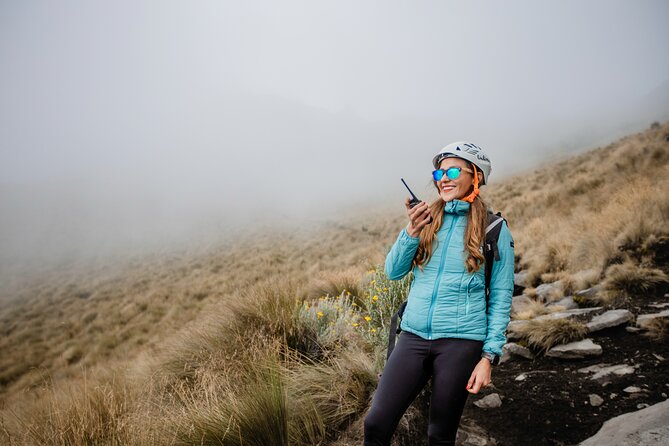
This hike works because it’s built for the reality of high altitude. You’re not just “going for a walk.” You’re climbing into thinner air, and the tour is set up to manage that with a guide who’s done this route repeatedly (guides like Aaron and Ariel show up in the experience, and the vibe is consistent: pace first, summit-chasing second).
From Puebla or Cholula, you’ll get round-trip transport. That matters more than it sounds. At this altitude, small decisions add up: when you don’t have to figure out transit, you can focus on walking smart—slow steps, steady rhythm, and taking breaks before you feel wrecked.
The payoff is the view. When the clouds cooperate, you can see Popocatépetl and the surrounding mountain world from high on Iztaccíhuatl. Even when it’s not crystal clear, the hike still feels like a true mountain experience: cold air, volcanic terrain, and trails through native highland flora.
Certified guides and safety gear that actually changes the day
The biggest value here is the way safety is handled. You get a certified mountain guide, plus adventure insurance, a first aid kit, and an oximeter (oxygen-level monitoring tool). That’s not just paperwork. It shapes how the hike is paced.
In practice, you’re likely to feel a plan behind the scenes:
- The pace is adjusted if you’re not acclimatized.
- You get guidance on when to slow down and when to push a little.
- There’s a stated descent/safety approach if oxygen levels drop below a certain point.
That matches what you’d want if you’ve hiked before but don’t have much time at altitude. One of the standout things people loved was reaching well above 4,000 m by staying calm and moving smoothly. Another common theme: guides taking extra care, adapting the route length or effort to match the group.
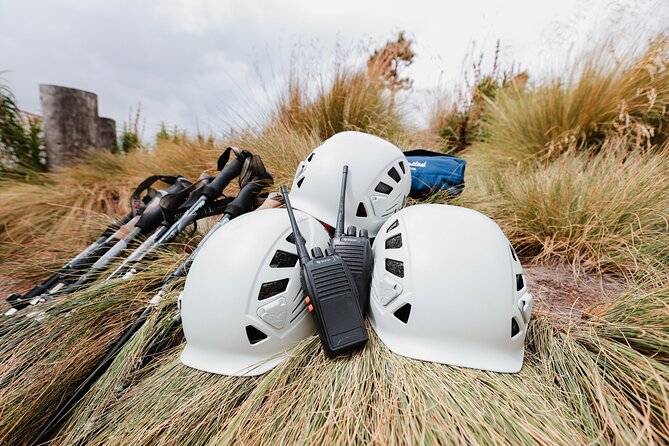
And yes, you’ll also be issued helmet and trekking poles. Poles are huge for steep sections and for protecting your knees on the way down. The helmet is the kind of detail you appreciate once you’re on rough volcanic terrain where rocks can be part of the game.
The long ride and the dirt-road reality
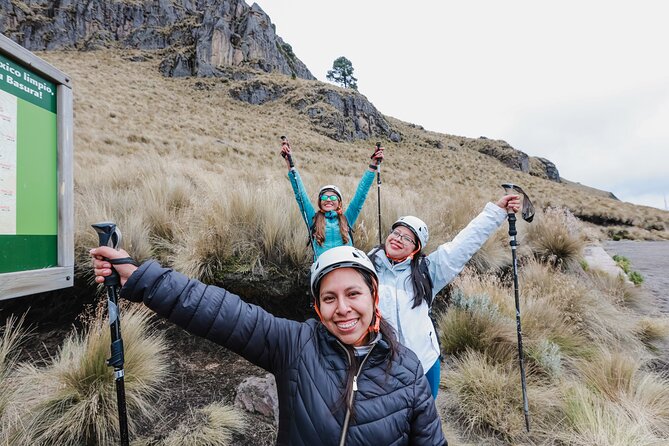
Your day begins with pickup from your hotel or Airbnb in Puebla or Cholula. Expect a long outing overall (about 11 hours). Part of that time is transit and part is simply that altitude hiking can’t be rushed.
One practical note: access to the park is via a dirt road. That can mean some vehicle movement and vibrations. The good part is that the tour explicitly keeps speeds slow for comfort and safety.
If you’re sensitive to motion sickness, bring what usually helps you (nothing tour-specific is promised here, so I’d plan for yourself). And since you’ll be moving from city altitude into high-altitude conditions, dress in layers. You’ll often get cold fast once you’re higher than you expect.
The main hike: reaching high gates and seeing Popocatépetl
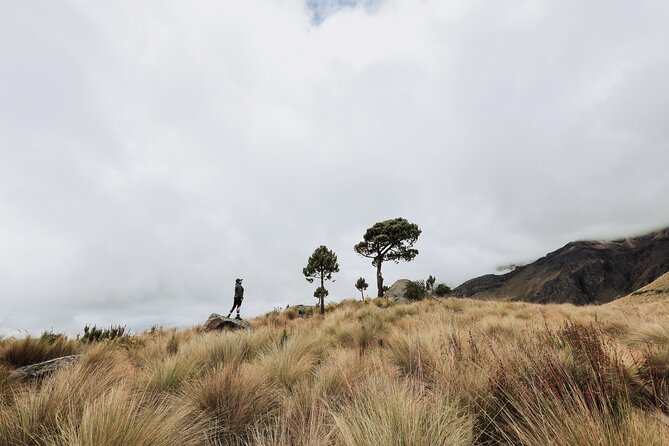
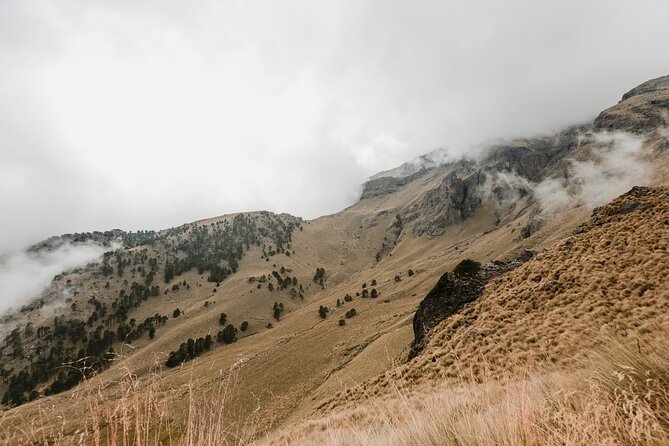
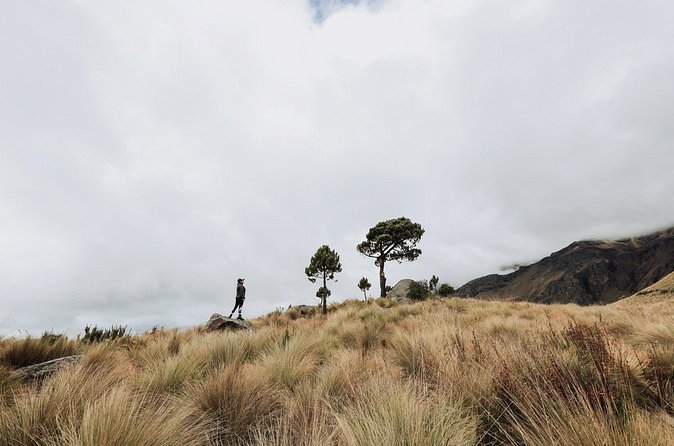
The heart of the experience is a hike in the Iztaccíhuatl-Popocatépetl National Park area, with the chance to go up to about 4,500 meters. Depending on your day and reservation status, your guide will lead you along natural trails through highland flora and fauna.
What makes this hike special isn’t just altitude math. It’s the way you get to enjoy the views without getting steamrolled. Guides often keep the pace steady enough that you can actually take in the environment—geology, climate cues, and how the volcanoes interact with the terrain.
From what I’ve learned about how guides like Aaron describe the hike, you can also expect a lot of explanation on the trail: geological and geographical context, plus cultural and local talk about Puebla and the surrounding area. If you like understanding what you’re standing on (instead of just walking past it), this is your moment.
A reality check: this is not a “set it and forget it” trail. Altitude fatigue makes everything feel slower and heavier. The guides’ approach—oxygen checks and pacing—means you’ll still have a shot at higher points, but only if you respect your body.
Weather is a factor, and you should plan for it
Cloudy weather doesn’t automatically kill the day. One person reached high despite cloudy conditions, and the guide focused on smooth pacing and safety.
However, the route and comfort depend on timing. A helpful detail from the experience: guides sometimes recommend starting earlier (for example, to reduce rain exposure). That’s why your pickup time might come earlier than the day’s default in order to avoid weather windows.
If park access shifts: La Joya to Paso de Cortés plan
Here’s the good news: even when park access isn’t confirmed, you’re not left with nothing.
If entry to your preferred area isn’t granted, the hike still happens starting at La Joya and heading to Paso de Cortés. The provided distance in that scenario is 7 km one way and 7 km back (so 14 km total for the day).
That matters for your expectations. You might think you’re signing up for a shorter “reach a viewpoint” type walk, but the fallback still requires real endurance. The upside is that it keeps the day meaningful and structured, not just a cancelled plan.
If you’re the kind of hiker who prefers a predictable route, ask yourself whether you’re okay with an outcome that depends on park access. Personally, I’d treat it as part of the adventure. This is volcano country, and operations are tied to conditions on the ground.
What you’ll learn along the trail (and why it’s worth your attention)
This experience isn’t only about the walk. You get interpretation: volcanic geology, regional climate, and how the park environment works at altitude.
That kind of talk makes your photos better, because you’re not just snapping shapes—you’re understanding why they look that way. People also mention guide-specific strengths. For example:
- Aaron is praised for geology, geography, and detailed guidance.
- Ariel is praised for pace adaptation, safety attention, and extra gear readiness.
- Susana is noted for sharing information about the national park and the Puebla area.
Even if you don’t care about the scientific details, learning how weather changes at altitude or why certain trail conditions matter can help you hike more confidently.
Price and value: is $126 fair for what you get?
At $126 per person, what you’re buying is a high-altitude day with a lot included. Here’s how that adds up in real terms:
You’re getting:
- Round-trip transit from Puebla hotel/airbnb pickup
- A certified mountain guide
- Entry permits and access to the national park area
- Insurance, first aid kit
- Helmet and trekking poles
- An oximeter and an altitude safety approach
If you’ve tried to arrange a volcano hike on your own, you know the hidden costs pile up fast: transport logistics, guide fees, gear, and insurance. This tour bundles those pieces in a single price, and you don’t have to piece together the safety system yourself.
Is it expensive? It depends on your baseline. For a private, guided high-altitude outing with equipment and safety tools included, the value looks strong—especially since people rate it 4.9 and recommend it highly. Still, you should feel honest about your physical comfort with altitude and length. No tour price buys away that part of the experience.
Who this hike suits best (and who might struggle)
This is listed for moderate physical fitness, with a clear warning: it’s not for everyone.
- If you can hike steadily for hours and you’re okay with altitude effects, you’ll likely enjoy it.
- If you’re experienced but not acclimatized, don’t panic—guides are used to adjusting pace. People have managed climbs from roughly 3,900 m up toward 4,500 m with smooth pacing.
- If you’re looking for a gentle walk, this won’t feel gentle.
Age matters too: participants must be 12 years old or older. Anyone younger isn’t included.
Also, you’ll be out for most of the day (around 11 hours). That’s a factor for families, couples, or friends who want a short morning activity. If you want a full-day commitment with a “work for the view” feeling, this fits.
Small comfort notes: the details that can make or break expectations
A couple of practical items popped up that you’ll appreciate knowing:
- Some people were pleased that guides provided drinks at the right time. So expect some hydration support, even if you shouldn’t assume it includes extras beyond what’s typical.
- One person expected a specific hot beverage based on a form and didn’t receive it on the mountain. If you have a strong preference, I’d treat included refreshments as uncertain unless it’s clearly confirmed for your departure.
The main takeaway: focus on what’s firmly included—guide, equipment, insurance, permits, oxygen monitoring, and the hike itself. Then bring your own expectations for food and warm comfort that match a high-altitude hike.
Should you book this Iztaccíhuatl hike from Puebla?
I’d say book it if you want a genuine mountain day with safety built in. This is a rare combo: high altitude plus real guide support, including oxygen checks and mountain-standard gear. If that sounds like your kind of challenge, you’ll likely come away proud of the altitude you reached and happy you didn’t just rush up and hope for the best.
Skip it (or consider a different plan) if altitude scares you or if you’re not prepared for the long day and potential 14 km round-trip fallback when access changes. Also think twice if you can’t hike for extended periods at a steady pace—volcano trails punish stop-and-go.
If you do book, here’s my practical advice: plan to start fresh, take the warm layers, and trust the guide’s slow pace. The guides you’ll meet—whether it’s Aaron, Ariel, or Susana—are clearly tuned to keeping people safe and moving steadily, even when the mountain decides to feel difficult.
FAQ
How long is the Iztaccíhuatl hiking tour from Puebla?
It runs about 11 hours total (approx.), with around 7 hours on the hike portion.
What’s included in the tour price?
You get a certified mountain guide, private transportation, helmet and trekking poles, adventure insurance, a first aid kit, an oximeter, and access/entry permits for the national park.
Where does pickup happen?
Pickup is offered at any hotel or Airbnb in Puebla or Cholula.
How high will we hike?
Depending on the day and reservation, the hike can go up to around 4,500 meters above sea level.
What happens if park access isn’t confirmed?
Access may switch to a different hike: you’ll start at La Joya and go to Paso de Cortés, covering 7 km one way and 7 km back.
Is this a private tour?
Yes. It’s private, so only your group participates.
What fitness level and age are required?
The tour is for travelers with moderate physical fitness. Participants must be at least 12 years old; younger participants can’t do the experience.