REVIEW · VITI LEVU
Hiking Adventure including Fiji’s Highest Mountain and 3 Nights
Book on Viator →Operated by Talanoa Treks · Bookable on Viator
Fiji’s highest mountain is only the start. This trek swaps resort beaches for interior trails, village nights, and guided hikes through forests, plateaus, and old paths near the upper Sigatoka River. It runs most Mondays from April to November, with 3 nights of village-based stays and a mix of steep climbs and longer day hikes.
I love how the trip feels built for real conversation and real respect. You’re not just walking for views—you’re walking with trained community guides and getting a front-row seat to how people live in the highlands.
I also love the pace and variety. One day is a steep, muddy climb to a summit with clear-day views (Mount Tomanivi), then later you’re on a 12km old-trail route and a shorter loop that includes a natural waterslide in the forest. One thing to consider: this is moderate fitness, and the trails can be steep and muddy—so you’ll want good footwear and a flexible mindset.
In This Review
- Quick highlights
- Why Fiji’s highlands are worth trading for the resorts
- Getting to the trail: Nadi meeting point and 4WD start
- Day 1 Navai: your first village night starts the trip the right way
- Day 2 Mount Tomanivi climb to the forest reserve
- Day 3 Nabutautau and the 12km old trail along the upper Sigatoka
- Day 4 Nabutautau loop: the forest waterslide and old village site
- Food, culture, and why respect is part of the itinerary
- What the hikes are really like: heat timing, mud, and “moderate”
- Small group size and guide quality: the value behind the price
- Price and value: $750.23 for 4 days that include more than “walking”
- Should you book Talanoa Treks’ Fiji highlands adventure?
- FAQ
- Where does the tour start?
- What time does pickup usually happen on Day 1?
- When does the tour run?
- How many people are in the group?
- How long are the hikes, and what fitness level is needed?
- Does the trip include village stays?
- Are admission tickets included?
- What’s the hiking day format across the 4 days?
- What happens if weather is poor?
- How far in advance can I cancel for a full refund?
Quick highlights
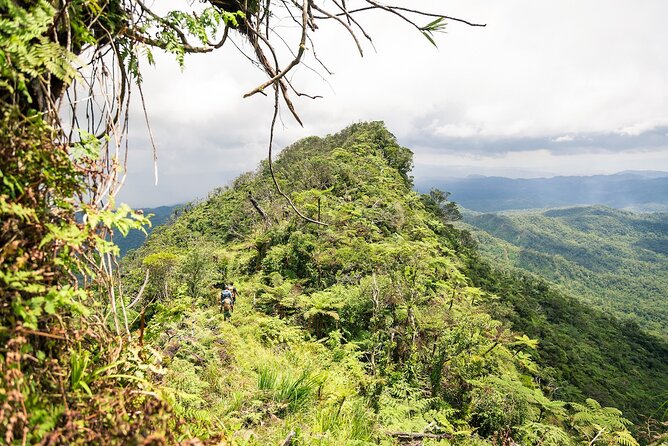
- Mount Tomanivi: steep, muddy ascent timed to beat the heat, with big summit views on clear days
- Village nights across the interior: starting in Navai, then moving onward to Nadrau/Naga village and Nabutautau
- Guided by locals: trained community guides walk you through routes tied to the area’s past
- 12km hike (Day 3): old paths linking now-abandoned villages along the upper Sigatoka River
- Forest waterslide (Day 4): a natural feature you reach by a 5km circular walk
- Small group cap: maximum 12 travelers, with an experienced team and 4WD transport
Why Fiji’s highlands are worth trading for the resorts
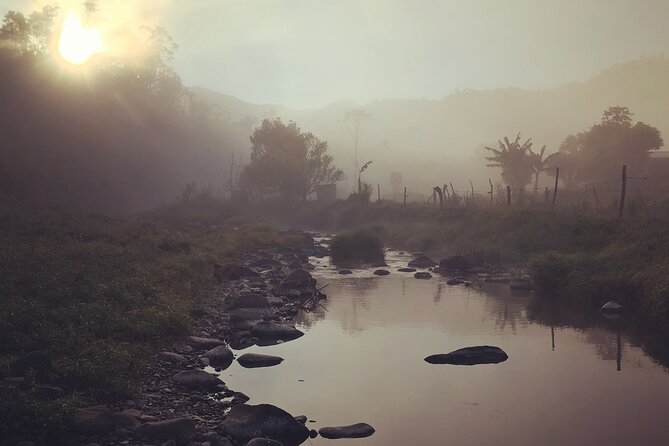
Most people picture Fiji as palms, coral, and calm water. This trip keeps the “Fiji” part, but changes the main event. Instead of staying in the same coastal rhythm, you head into Viti Levu’s interior where the air cools down, the trails climb, and the days revolve around people and paths—not a pool schedule.
The best part is the balance. You get guided structure (so you’re not wandering land without understanding it), but you’re still moving under your own steam on steep climbs and long stretches. It’s an outdoors trip that also works as a culture-and-place trip.
And yes, there really is hiking. Not just a scenic walk. You’re doing multi-hour hikes, with rain and mud possible, and you’ll feel it in your legs in the best way.
You can also read our reviews of more hiking tours in Viti Levu
Getting to the trail: Nadi meeting point and 4WD start
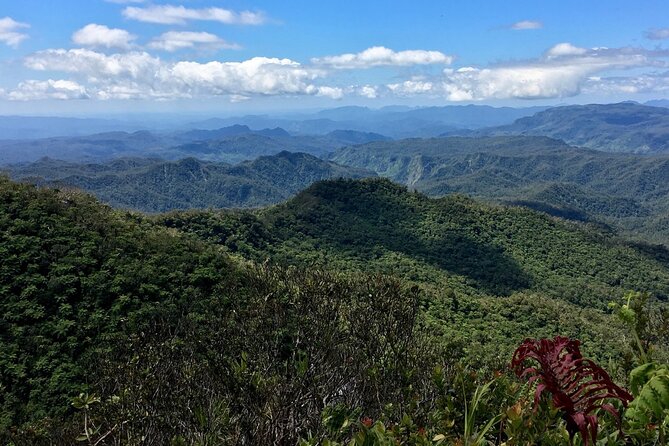
Your day begins at The Coffee Hub in Nadi (Lot 1, Nasau, Nadi Back Rd). Pickup is offered, and on the first day you’ll typically be collected between 12:30pm and 1pm.
Then you switch into 4WD mode and head up into the interior. That matters more than you might think. By the time you’re hiking, you’re already far from the road life and closer to the areas you’ll actually be exploring. It also helps keep the logistics simple—one less thing to manage after you land.
The tour ends in a different location (the details say you’ll transfer toward Nadi or Suva, depending on what’s arranged), so plan your return travel with extra buffer.
Day 1 Navai: your first village night starts the trip the right way
Day 1 is your “arrival and orientation” day. You travel by 4WD into Fiji’s less-seen interior and start your first village stay in Navai.
This is where the tone sets. The whole trip is designed for independent-minded travellers who still want to be respectful to traditional landowners and make sure their presence supports the community fairly. In practical terms, that means you’ll be moving through places with people who know their own land—so your job is to follow your guides’ lead and keep your behavior grounded.
You also get time to settle in. The next day’s schedule includes you returning to Navai for relaxation and a shower, so it’s not “sleep and sprint.” Your first night gives you enough breathing room to recover before the bigger climb.
Day 2 Mount Tomanivi climb to the forest reserve
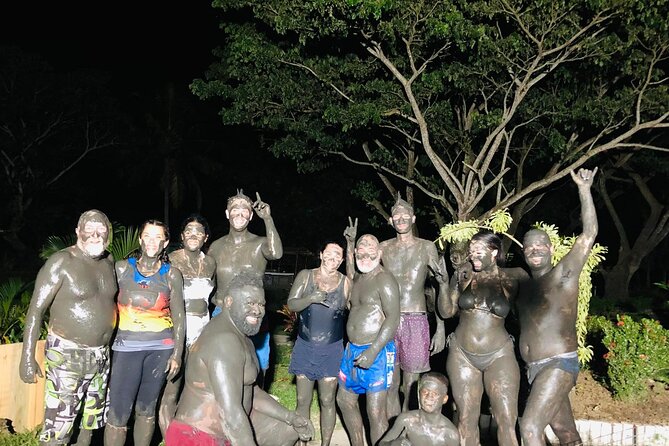
Day 2 is the big lift. After an early breakfast, you start climbing the steep and muddy trail before the heat kicks in. The schedule is built around that simple reality: mornings are cooler, and your footing matters when the trail is wet.
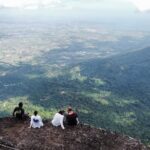
Then you reach the summit area with stunning views on clear days. This climb isn’t just about getting high for a photo. The surrounding area is a designated forest reserve, which helps explain why you’re guided and why the route matters. Even without a science lecture, you’ll feel the difference between hiking in a managed place versus random paths.
After you come back to the Navai homestay area, you get time to relax and shower. Later, you continue along the Nadrau plateau and reach the tucked-away Naga village area for your next village stay.
The overall arc of Day 2 is smart: you earn the summit views, then you settle back into village life and move again toward the next hiking base.
Day 3 Nabutautau and the 12km old trail along the upper Sigatoka
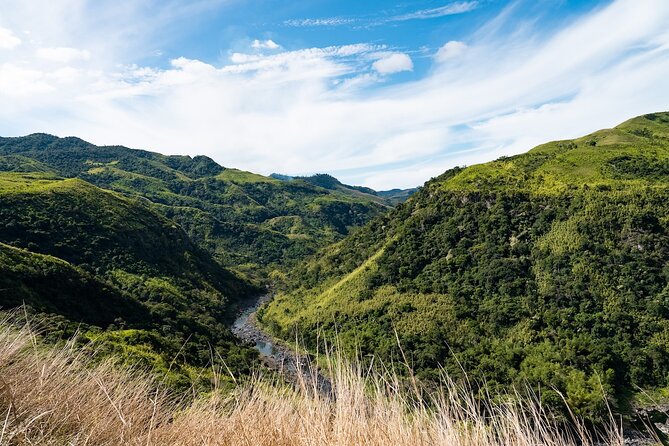
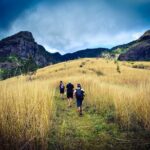
Day 3 shifts from “climb hard” into “keep moving and keep learning.” You hike with trained community guides along an old trail linking now-abandoned villages along the upper Sigatoka River.
The hike is 12km and takes about 7 hours, with stops along the way. That stop structure is important. Long hikes can become just walking when you don’t know what you’re looking at. Here, the stops help turn the route into a story—grassland, forest, and traces of where people used to live.
This day is also a great example of why the trip is set up for respectful independence. You’re walking through places shaped by history and land use. You’ll get a clearer understanding of the area by moving through it with local knowledge, rather than treating every marker as scenery.
If it’s wet (it can be), this is also the day where you’ll feel it most. One review described muddy conditions in the wet season, and that’s what you should expect could happen. Plan to move carefully and accept that mud is part of the experience.
Day 4 Nabutautau loop: the forest waterslide and old village site
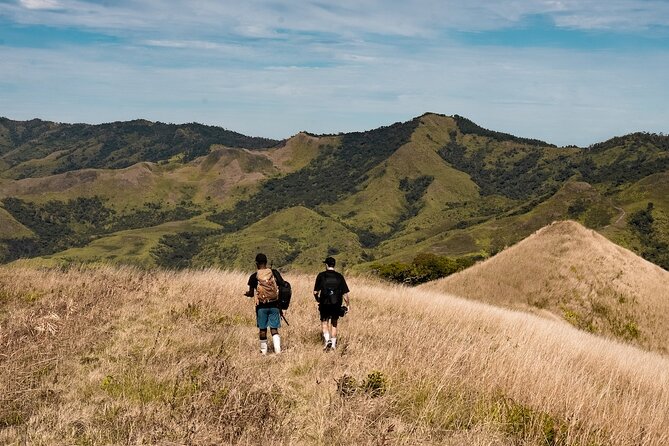
Your final hike starts in Nabutautau. You do a guided circular walk that’s about 4 hours (5km). This one is a nice contrast to Day 3 because it’s shorter, more circular, and built around discovery moments.
The highlight is a natural waterslide tucked away in the forest—the kind of thing you wouldn’t find on your own and wouldn’t spot without someone showing you where it is. Along the route, you also learn more about Fiji’s past as you walk through an old village site.
After the hike, you return to the larger travel plan. You depart Nabutautau by 4WD vehicle down toward Sigatoka, then continue onward to Nadi or Suva and the end of the experience.
Day 4 has a good “landing after the adventure” feeling. You get one more taste of the highlands, then the transport wheels start turning to bring you back toward the coast.
Food, culture, and why respect is part of the itinerary
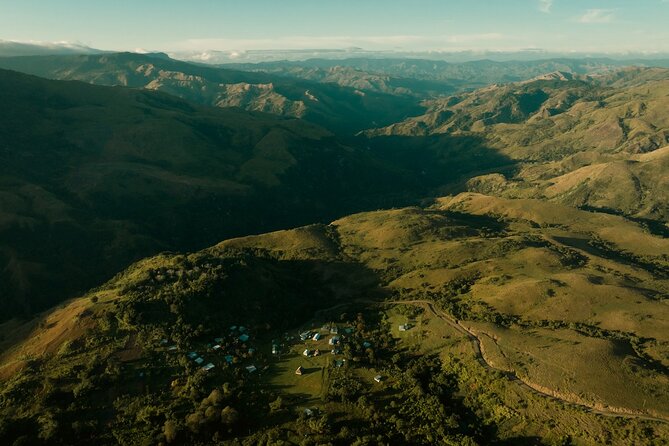
This trek isn’t packaged as a cultural show. It’s set up as village stays with guided walking, and the respect piece isn’t just wording. The trip is explicitly designed so you’re respectful to traditional landowners and fairly contributing to communities.
In the practical sense, reviews kept pointing to two things: food and the guide team’s knowledge. People described the food as incredible and also emphasized that there was no worry about going hungry. Accommodation was also described as outstanding, which matters because 3 nights can feel rough if the “off-grid” part isn’t comfortable enough to recover.
On the cultural side, I like that the knowledge isn’t only about plants or history in a classroom way. It comes through on the walk—your guides help you connect what you see to how the area works and what it used to be.
And names do show up in the feedback. One review credited Jake and the team for varied terrain and knowledgeable guiding. Another mentioned Ben and Jake as exceptional trip leaders. Sireli also appears in feedback about the team. That matters because smaller, consistent guide teams tend to make the whole trip feel more personal and less scripted.
What the hikes are really like: heat timing, mud, and “moderate”
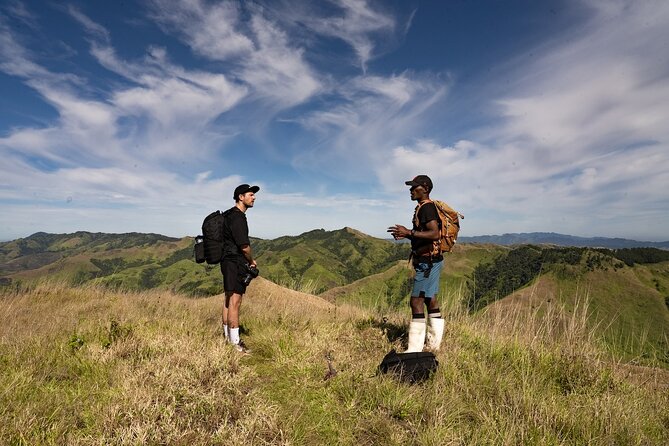
This is a hiking trip, but it’s not trying to be extreme-benchmarks-only. The fitness requirement is moderate physical fitness.
Here’s what that means in real terms based on the schedule:
- Day 2 includes a steep and muddy climb up to Mount Tomanivi, and you start early to beat the heat.
- Day 3 is the long day: a 7-hour hike over 12km, moving through grassland and forest.
- Day 4 is shorter: a 4-hour (5km) circular walk with a payoff in the forest at the waterslide spot.
A key consideration: you should be ready for muddy, wet trails. One review specifically noted wet and muddy conditions and treated it as part of the adventure, not a deal-breaker. If that sounds like you, you’ll handle it fine. If you hate slippery surfaces, you’ll want to decide carefully.
Also, you’ll feel better if you pack for exposure. One review response specifically recommended a long-sleeve, lightweight shirt and a hat, plus hiking trousers to avoid grass. That’s the kind of advice that saves your comfort when you’re moving through exposed sections.
Small group size and guide quality: the value behind the price
This experience caps at 12 travelers. For an interior trek, that size is a big deal. You get less crowding on narrow trails, more space to ask questions, and guides can keep an eye on everyone’s footing and pace.
You’ll likely travel with an experienced crew in 4WD vehicles between areas. That means your hiking days stay focused on hiking, instead of turning into a transportation puzzle.
The guide set-up is also part of the value: you’re not only led by tour staff. You hike with trained community guides—people who know the route and the meaning behind it.
And since this is a village-based format, the trip doesn’t just deliver views. It delivers relationship-building time: arriving in Navai, then shifting to Nadrau/Naga village, then base-camping again in Nabutautau. That rhythm is what makes the trip feel like an actual multi-day experience instead of a series of quick stops.
Price and value: $750.23 for 4 days that include more than “walking”
At $750.23 per person for roughly 4 days, this isn’t a budget option. But it also isn’t a barebones hike. You’re paying for the structure that makes a highlands trek work safely and respectfully.
Here’s what your money appears to cover, based on what’s included in the experience info:
- Pickup offered and transport into the interior by 4WD
- Village stays across multiple locations during 3 nights
- Guided hikes with local community guides
- No paid admission ticket listed (admission is free)
On top of that, multiple reviews pointed to outstanding accommodation and great food, plus knowledgeable guiding. When you weigh that against the cost of doing similar logistics on your own—transport, arranging access, finding guides, and coordinating village stays—this price starts to look more reasonable.
One more angle: group size matters for value. Because the tour maxes at 12, you’re not paying for a giant bus experience. You’re paying for a guided, human-scale trek.
Should you book Talanoa Treks’ Fiji highlands adventure?
Book it if you want a Fiji trip that feels like Fiji the island nation people actually live in, not only Fiji the resort brochure. This works especially well if you:
- enjoy hiking and can handle steep, muddy sections
- like guided cultural context while still doing the walking yourself
- want village nights that come with food, conversation, and local knowledge
Skip it (or ask a lot of questions before committing) if you:
- want flat, low-effort trails
- strongly dislike mud, wet conditions, or early-morning starts
- need a fully predictable, resort-style routine
If you’re the kind of traveler who likes walking where you learn something—about place, history, and how people relate to the land—this is a strong choice. And if you’re lucky with conditions, those clear-day summit views from Mount Tomanivi are exactly the kind of payoff you’ll remember.
FAQ
Where does the tour start?
The start point is The Coffee Hub – Nadi, Lot 1, Nasau, Nadi Back Rd, Fiji.
What time does pickup usually happen on Day 1?
Pickup is usually arranged between 12:30pm and 1pm, depending on your hotel.
When does the tour run?
The tour departs most Mondays from April to November.
How many people are in the group?
The maximum group size is 12 travelers.
How long are the hikes, and what fitness level is needed?
It’s listed as moderate physical fitness. The Mount Tomanivi climb is about 6 hours, Day 3 includes a 12km hike of about 7 hours, and Day 4 includes a 4-hour (5km) circular hike.
Does the trip include village stays?
Yes. The itinerary includes village stays in Navai, then further stops including Nadrau and Naga village, and a stay in Nabutautau.
Are admission tickets included?
Admission tickets are listed as free.
What’s the hiking day format across the 4 days?
You’ll do a mix of interior travel and hikes: Day 1 is your first village stay, Day 2 includes a steep climb to Mount Tomanivi plus travel onward, Day 3 includes a longer 12km hike, and Day 4 includes a shorter circular walk plus return transfer.
What happens if weather is poor?
The experience requires good weather. If it’s canceled due to poor weather, you’ll be offered a different date or a full refund.
How far in advance can I cancel for a full refund?
You can cancel up to 6 days in advance of the experience for a full refund, and the cutoff is based on local time.