REVIEW · MONTANA
Guided Alpine Lake Float and Hike – Northern Bitterroot Mountains
Book on Viator →Operated by Bitterroot Backpacking · Bookable on Viator
Packrafts make Montana’s lakes feel private. This guided day in the Northern Bitterroot Mountains blends an 8-mile canyon hike with a calm alpine-lake paddle in inflatable packrafts, plus a guide-led lunch cooked on the move. You’ll also get naturalist-style breaks—plant and animal spotting, local talks, and even some huckleberry time in season.
I love the payoff: that moment you step onto the water and the day turns from steep effort to easy gliding. I also like that the guide team brings the details—Luke in particular has a knack for tying the scenery to real local fauna and history, not just reciting facts.
One consideration: this is not a stroll. You’re looking at 1000 feet of gain over about 8 miles total, so you’ll want solid hiking legs and the right shoes to keep things comfortable and safe.
In This Review
- Key Highlights You’ll Care About
- Northern Bitterroot Packraft Float: What Makes It Worth Your Day
- The Hike Out of Fred Burr Trailhead: Distance, Gain, and Real Expectations
- Reaching the Alpine Lake: Where the Scenery Turns Into Float Time
- Packrafts on Calm Water: Gear Included and How Setups Work
- Lunch at Elevation: Backpacker-Style Food and Leave No Trace Cooking
- Snack Bag Moments: Huckleberries, Jerky, Lara Bars, and Snowmelt
- What to Bring (So You Don’t Get Stuck Improvised)
- Price and Value: Is $169 Fair for a 6.5-Hour Guided Packraft Day?
- Best Fit: Who Will Love This, and Who Should Rethink It
- Should You Book the Guided Alpine Lake Float and Hike?
Key Highlights You’ll Care About
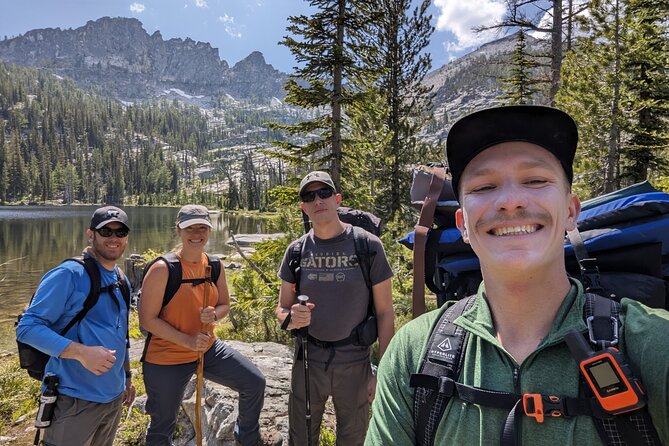
- Small group size (max 7) means you get more personal help with packrafts and gear.
- Wilderness First Responder + Leave No Trace certified guide brings a safety-first, outdoors-respectful vibe.
- 4-mile each way hike with 1000 ft gain sets you up for an earned, high-elevation reward.
- Packrafts, paddles, life vests, plus hiking rentals are included, so you can travel lighter.
- Filtered snowmelt and a water filter keep breaks refreshing without relying only on bottled water.
- Mid-July to Sept huckleberry picking adds a fun, local seasonal bonus.
Northern Bitterroot Packraft Float: What Makes It Worth Your Day
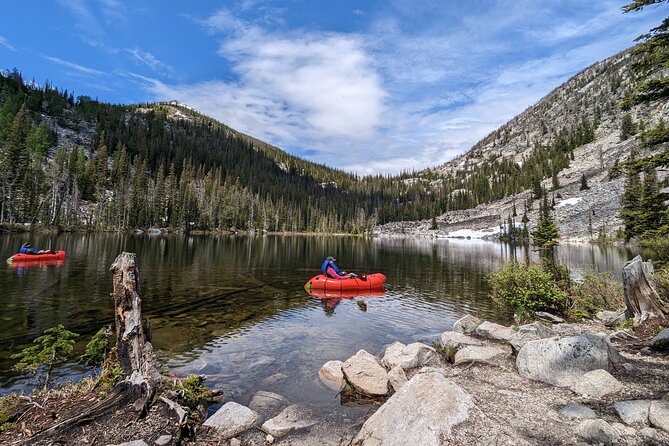
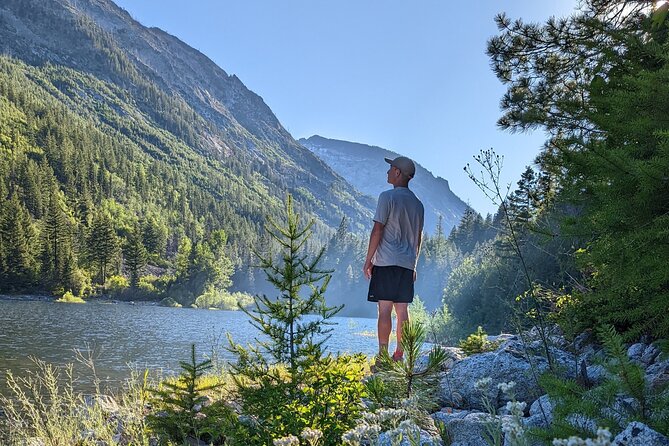
This is the kind of Montana outing that feels like two trips in one. First, you work your way up a glacially scoured canyon in the Bitterroot National Forest, and then you switch gears at a high-elevation lake where paddling stays calm and scenic.
What you’re really buying here isn’t just the views. It’s the “how” of the day: gear support, a guided route, a plan for safety, and a guide who turns the backcountry into a learning experience without slowing the fun. The vibe is adventurous, but organized.
You’ll also notice the day is built for a full sensory hit. You’ll hike through canyon terrain, breathe cooler air at elevation, eat something satisfying at camp-style comfort, and then float while your guide explains the natural world. It’s a rare mix of exertion and comfort.
The Hike Out of Fred Burr Trailhead: Distance, Gain, and Real Expectations
You start at the Fred Burr Trailhead (Fred Burr Rd, Victor, MT). The schedule is built for a complete loop day, roughly 6 hours 30 minutes total, with the hike portion set as about 4 miles each way and around 1000 feet of elevation gain.
Here’s how to think about that from your perspective. Eight miles total isn’t extreme mileage for a fit hiker, but the elevation gain means you should expect some steady climbing effort. If you’ve done day hikes in the 1,000-foot-gain range before, you’ll know the rhythm: slower pace, short breaks, and keeping your breathing steady.
Also plan for “work behind the scenes.” Packraft logistics matter on this trip. One packraft setup is assigned per adult or youth ticket, and the guide carries two packraft setups, while other adults help carry the rest. That means you’re not only hiking with your personal items—you may feel a slightly heavier load than you’d expect on a normal trail day.
The route itself is in the Bitterroot National Forest and described as a glacially scoured canyon. Translation: expect a real carved-up valley feel, with a sense of how ice shaped the terrain long ago.
Reaching the Alpine Lake: Where the Scenery Turns Into Float Time
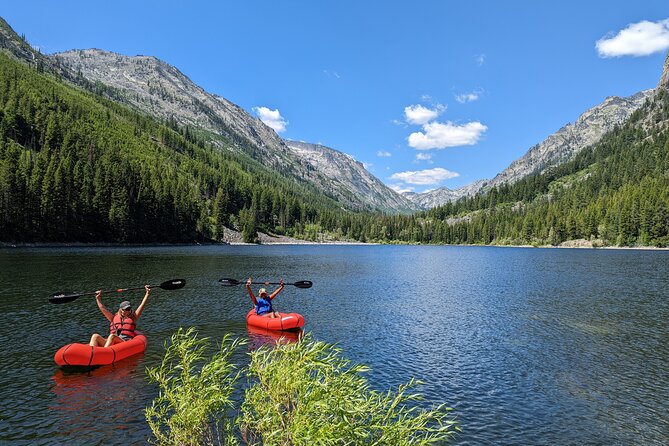
Once you reach the lake area, the day shifts fast. You get time to set up and paddle the inflatable packrafts, taking in the kind of scenery that only shows up when you earn elevation.
This part matters because it changes the mental mood. Instead of pushing uphill, you’re balancing, steering, and looking around. Even on a windy day, a packraft gives you a closer, more personal feel on the water than just standing at shore.
It’s also where the guided nature component lands. Your guide will point out things along the way—local plant and animal identification is part of the experience, and there are also sciency nature talks during the day. This is the “slow down and notice” part, built into the itinerary instead of added on later.
And if you’re in the right season, you may get a chance to pick huckleberries (mid July to Sept). It’s a small detail, but it’s the kind of local activity that makes the memory feel tied to the place and timing.
Packrafts on Calm Water: Gear Included and How Setups Work
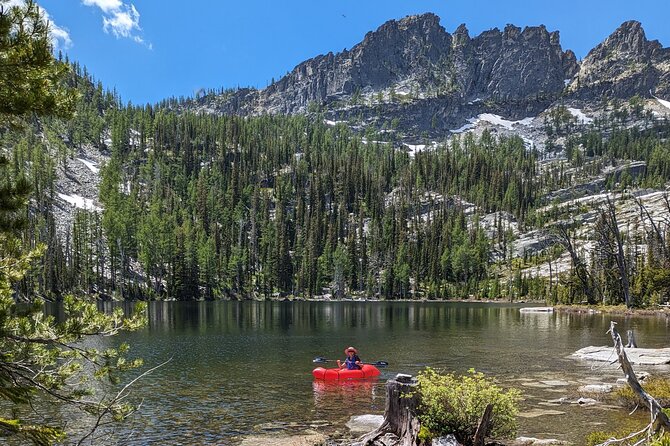
The big star here is the inflatable packraft. You get rentals included: packraft, paddle, and life vest. You’ll also get the trekking poles and backpack rentals, which helps a lot if you’re traveling without specialist gear.
One setup per adult or youth ticket is the rule, and the group share is limited by Forest Service constraints (the trip notes packraft rentals as four per group, limited by FS). Practically, that means the guide’s distribution plan is part of how your day runs. Don’t assume everyone will be on water at the exact same time if the group sizes or rules require staging.
Safety is handled with more than good intentions. You’ll have access to bear spray and safety equipment rentals, and the guide carries a GPS communicator plus a first aid kit. That’s a big deal on a mountain trip where conditions can shift quickly and you need reliable back-up.
So what should you do with that information? Bring your energy to learn the basics of packraft handling, and listen closely during setup. If you follow the guide’s instructions, your first minutes on the water will feel steady instead of chaotic.
Lunch at Elevation: Backpacker-Style Food and Leave No Trace Cooking
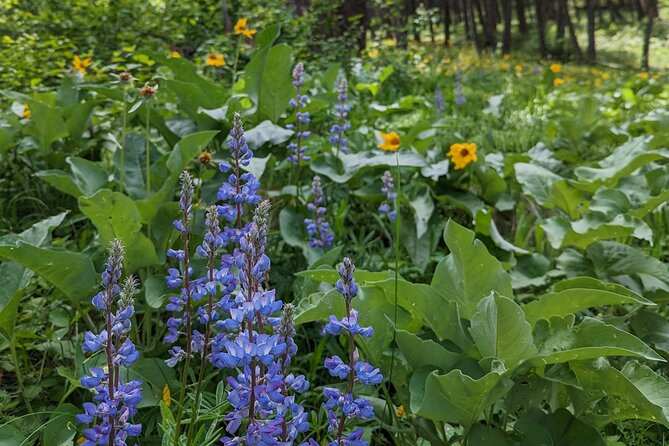
At the lake, your guide prepares a backpacker-style lunch. The options are built-in: Pad Thai, Pasta Primavera, or Beef Stroganoff. Along with that, you’ll also have lunch-style foods tied into the experience (jerky, nuts, dried fruits, and other trail-friendly items).
This is one of the most practical values in the whole day. A hike + packraft outing can turn into “snack all day” if food is not handled. Here, you get an actual meal plan designed for backcountry conditions.
Then you get the teaching moment: once you’re back on land, you’ll learn about cooking in the backcountry without leaving a trace. This is worth paying attention to because it’s not just a lecture about rules. It’s learning the why and how behind keeping impact low—useful knowledge even if you never take another guided trip.
One more nice touch: the guide carries a water filter, so during breaks you can sip crisp, cool mountain creek water. They also provide freshly filtered snowmelt into bottles, and you’re encouraged to bring your own water bottle. (More on that in the practical section below.)
Snack Bag Moments: Huckleberries, Jerky, Lara Bars, and Snowmelt
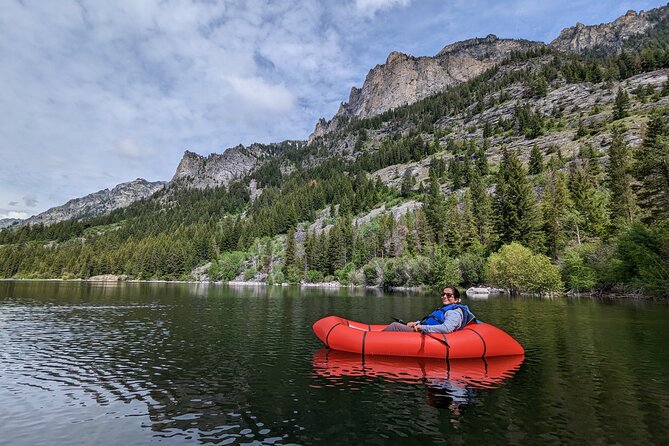
A lot of day hikes give you a granola bar and call it “included.” This trip treats snacks like part of the experience.
You’ll get a snack bag with items such as Shar Trail Mix, Beef and Vegan Jerky, and Lara Bars. The day also mentions snack extras like fruit leather, various granola and protein bars, and chocolate. There’s even a note to ask about smoked mussels if you’re a seafood fan.
That “ask about” detail matters. It suggests your guide is actively thinking about flavors and what people in the group might enjoy. Food on outdoor days is half fuel and half morale.
On top of that, you get filtered water options. They’ll filter fresh snowmelt into your bottle, and they mention it tastes better than bottled water. You’ll also have bottled water available if you need it, but the emphasis is on using the filtered system and keeping hydration simple.
What to Bring (So You Don’t Get Stuck Improvised)
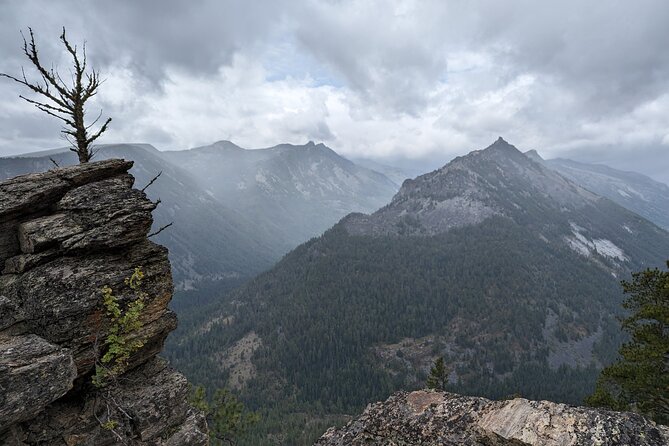
Even with gear rentals included, you still need to show up ready for a mountain day. The basics are clear:
- Wear closed-toe hiking shoes (this is required).
- Bring a raincoat as emergency gear.
- Bring sunscreen.
- Plan for possible cool weather; the trip notes they have backups if forecast is chilly.
- In July and August, a bathing suit is recommended (because you’re going to spend time on the water).
You’ll also want to bring your own water bottle since they encourage filling it with filtered snowmelt or creek-water breaks. If you like being prepared, pack a small day bag with layers you can manage as you climb and then cool off at the lake.
One more reality check: this is outdoors time in the Bitterroot National Forest, so bugs can exist and conditions can change. You don’t need to overthink it, but do bring the basics you’d use on any serious day hike.
Price and Value: Is $169 Fair for a 6.5-Hour Guided Packraft Day?
At $169 per person, this trip isn’t cheap in a casual sense. But it’s priced like an outfitted day, not a basic tour.
Here’s what you’re getting for your money:
- A guided hike up a canyon to a high-elevation lake
- Packraft rentals (including paddle and life vest)
- Backpack rentals, trekking pole rentals
- Bear spray and safety equipment rentals
- A guided lunch prepared at the lake (with choice of Pad Thai, Pasta Primavera, or Beef Stroganoff)
- A snack bag with trail items like jerky, nuts, dried fruit, Lara Bars, and more
- Filtered water support (snowmelt + creek water via a filter)
- A guide with Wilderness First Responder and Leave No Trace credentials
- Local plant and animal identification plus nature talks
When you add up those pieces, the value becomes clearer—especially the gear and safety elements. You’re not only paying for a person to lead the way. You’re paying for the whole system to run smoothly: safety equipment, water filtering, meal planning, and instruction that upgrades the day from “walk and float” to a real backcountry experience.
Also, the group is capped at 7, and group discounts are offered. If you’re traveling with friends, that can help make the total cost feel even more reasonable.
Best Fit: Who Will Love This, and Who Should Rethink It
You should strongly consider this tour if you:
- Enjoy hiking that includes real climbing, not just flat trail time
- Want a guided packraft experience without buying gear
- Like guided nature interpretation, including plant/animal identification and short “sciency” talks
- Care about backcountry habits like Leave No Trace cooking
You might want to rethink it if you:
- Have limited hiking endurance for 8 miles with 1000 feet of gain
- Are sensitive to carrying or managing extra gear (because packraft setups and rentals affect what you carry)
- Expect an easygoing, low-effort outing
The reviews highlight an adventurous day hike with a great payoff, and they also point to the guide experience—Luke specifically gets credit for being personable and strong on local fauna and history. That aligns with the structure here: you’re not just moving through space; you’re learning as you go.
Should You Book the Guided Alpine Lake Float and Hike?
I’d book it if you want an outdoors day where the planning does real work. The guide-led setup, included rentals, safe backcountry support, and a proper lake-side meal make it feel like a complete experience rather than a DIY half-day.
If you’re the type who likes being active but also wants comfort built in (food, water support, and a calm float after the climb), this fits your style. And if you’re okay with the moderate challenge of 1000 feet of gain, you’ll likely come away thinking the packraft float was the best part of your day.
If weather isn’t great, the experience depends on good conditions. You’ll also want to arrive with the right shoes and basic rain gear so the day stays fun instead of stressful.
If you’re ready for a guided hike with a real alpine payoff, this is a solid call.