REVIEW · SANTIAGO
Glacier Hike at El Morado Glacier, from Santiago
Book on Viator →Operated by AndoAndes · Bookable on Viator
Glaciers are real work in El Morado. I love the chance to hike toward the San Francisco Hanging Glacier viewpoint, and I like how guides such as Laura and Gonzalo mix the trail with real talk about flora, fauna, geology, and local history. One important consideration: when access is restricted, you may end at Laguna de Morales instead of reaching the glacier.
This is a long but well-supported day. You get hotel pickup and drop-off, bottled water, a boxed lunch, and a bilingual guide—plus complimentary insurance—so you can focus on hiking instead of logistics at 6:30 am.
The trail is not a gentle stroll. Plan for loose rocks, steep bits, and wind, and bring layers even if Santiago feels warm when you leave.
In This Review
- Quick hits before you lace up
- Entering El Morado: a glacier day that still feels like the Andes
- The 6:30 am Santiago grind: transport value and time reality
- Hike plan inside El Morado: 16 km, altitude gain, and real traction
- The San Francisco Hanging Glacier goal: what the lookout day actually delivers
- When the glacier trail doesn’t go all the way: Laguna de Morales instead
- Road stops along the way: San José de Maipo, Baños Morales, and Cajón del Maipo
- Food, water, and the “pack like a pro” list
- Guide style that makes a hard hike easier: Laura, Gonzalo, and Francisco
- Price and value: is $150 worth it?
- Who should book this El Morado glacier hike (and who should skip)
- Should you book this tour?
- FAQ
- What time does the hike start?
- How long is the tour?
- Is breakfast included?
- Do I need a passport for this tour?
- How strenuous is the hike?
- What if the glacier trail is closed or weather is bad?
Quick hits before you lace up
- 6:30 am hotel pickup means you’ll beat traffic and start the hike with daylight in your favor
- Max 12 people keeps the pace sane and makes it easier for the guide to check everyone’s footing
- About 16 km in the Monumento El Morado National Monument with a climb around 400–600 m
- San Francisco Hanging Glacier lookout is the goal, but conditions can force a shorter endpoint
- Boxed lunch + bottled water remove one big day-hike headache
- Loose-rock terrain and sun are real; trekking poles and sun protection help a lot
Entering El Morado: a glacier day that still feels like the Andes
El Morado Natural Monument is the kind of place that makes you realize Chile isn’t just cities and coast. The big draw is the hike itself—valley walking through high-Andean terrain—ending at a glacier viewpoint tied to the San Francisco Hanging Glacier.
What I like is that the tour isn’t only about reaching a photo spot. Guides (and yes, names come up like Laura and Gonzalo) actively explain what you’re seeing: plants adapted to altitude, animal life that’s visible if you slow down, and the geology behind the glacier country. That turns a tough day into a memorable one, not just a workout.
That said, this is still a glacier hike. You’ll be moving for hours, and weather can swing from warm hiking to cold and windy while you’re standing around at stops. If you’re the type who likes comfort over effort, this will feel like a workout you can’t negotiate.
The 6:30 am Santiago grind: transport value and time reality
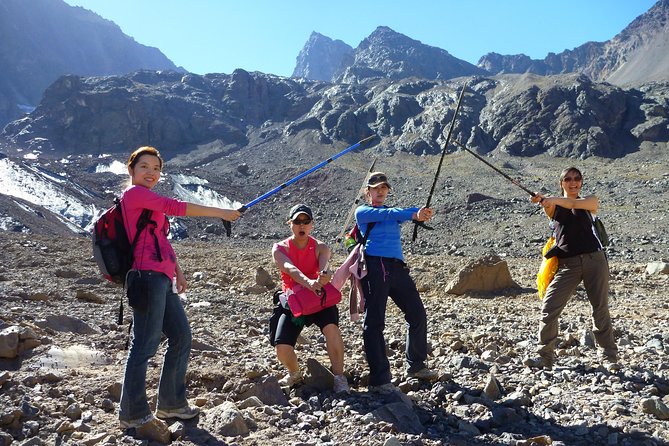
You start at 6:30 am, with pickup in the Santiago area. The payoff is straightforward: you’re not stuck figuring out shared rides or wrestling public transport before dawn.
Expect a serious road day. Even with hotel transport, you should plan on a chunk of the day spent on the drive—around 1.5–2 hours each way has been reported—so mentally budget for the travel part. The tour helps here by handling pickup, drop-off, and routing, which is what you want on a day trip like this.
A nice detail is that the tour breaks the drive into named stops. You’ll pass through San José de Maipo, stop by Baños Morales, and then reach Monumento Natural El Morado. On the way back, Cajón del Maipo is part of the return route. These stops don’t turn the day into a sightseeing bus tour, but they do make the long drive more manageable.
Hike plan inside El Morado: 16 km, altitude gain, and real traction
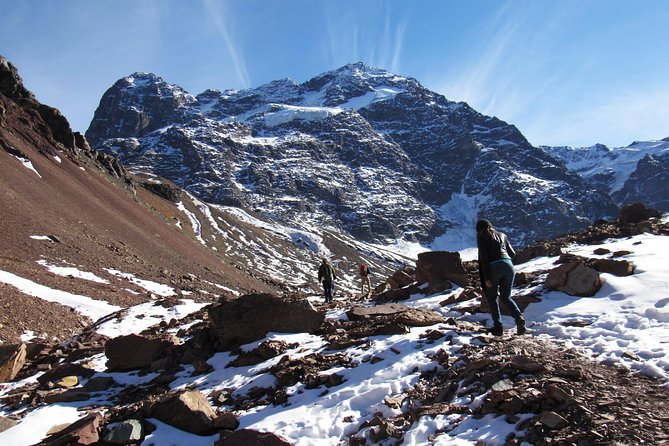
This is an active day for hikers in good shape. The hike is roughly 16 km through the Monument area, with an ascent that’s been described around 400–600 m, starting at about 1,850 m. For most reasonably fit people, altitude won’t be the main problem—but the combination of distance and steep sections is.
Trail conditions matter. Several hikers highlight loose rocks and uneven footing. That means your shoes need real grip, and it helps to use trekking poles if you have them. One of the best practical tips is to avoid thinking the trail is always firm and predictable. It’s often gravelly, and it can be tough on your knees if you rush downhill.
Also: don’t assume you’ll get shade. If the sun is out, the exposure can be strong. Bring sunscreen and a sun hat, and wear layers you can adjust as you warm up.
The San Francisco Hanging Glacier goal: what the lookout day actually delivers
The promised destination is a viewpoint over the San Francisco Hanging Glacier—the kind of payoff you hike for. The route is designed to end with you looking out over glacier country, after walking the valley and reaching the higher lookout area.
Even when you don’t treat it like a “just for glaciers” day, you’ll keep your camera out. People repeatedly describe the views as hard to describe, and one common theme is variety: valleys, bird life, and a mix of open terrain that changes as you gain elevation.
Still, a lookout doesn’t mean a short stop. If it’s windy or cold at the end, you’ll want gloves and a warm layer in your pack. One hiker regretted not having a beanie and gloves when conditions turned chilly and gusty. In other words: altitude + wind at a glacier viewpoint can cool you fast, even if you were sweating earlier.
When the glacier trail doesn’t go all the way: Laguna de Morales instead
Here’s the reality check that matters most before you book: access can change. In this region, trail progress toward the glacier is regulated by local authorities for safety. During warmer periods, the risk from unstable ice and rockfall increases, and the tour may have to stop short.
When that happens, you might not reach the glacier itself. Instead, you may end at Laguna de Morales, which is still scenic, but it’s not the same as standing at the glacier viewpoint you booked for.
This is the main “buyer expectation” issue with glacier tours in general, and it comes up directly for this one. If seeing the glacier is your non-negotiable goal, make peace with the fact that conditions can reduce how far you can go. The upside: the hike still delivers high-Andean scenery and a solid day outside.
Road stops along the way: San José de Maipo, Baños Morales, and Cajón del Maipo

Even though the real action is the hike, the drive route is part of the day’s flow.
- San José de Maipo is one of the first stops, helping break up the Santiago-to-mountains push. It also puts you in the right region fast.
- Baños Morales appears as another road stop before you get deeper into Monument access.
- AndoAndes – Day Tours is listed as a stop point on the schedule, which is often where you’ll meet up with your team and get organized before you enter the hiking zone.
- Monumento Natural El Morado is where the real hike begins in earnest.
- Cajón del Maipo is part of the return route back toward Santiago.
One caution that has shown up: early parts of the walk can feel industrial if you’re close to a mining operation. If you’re very sensitive to sound, that can take the edge off the first stretch. It doesn’t usually ruin the whole day—because scenery and altitude change later—but it’s worth knowing.
Food, water, and the “pack like a pro” list
This tour is set up to keep you moving without constant snack runs. You get:
- bottled water
- a box lunch (a sandwich-style lunch)
- snacks as part of the day’s provisions
One detail from a recent experience: there can also be a celebratory glass of wine at the end. I wouldn’t plan your whole trip around it, but it’s a nice extra if it’s part of your day.
What you need to bring yourself:
- trekking shoes with grip
- a warm jacket for stops and wind
- a backpack
- sunscreen and a sun hat
- a camera
And yes, if you run cold or the forecast looks iffy, add gloves and a beanie. One person came unprepared and felt it most near the glacier area when wind picked up.
Also note: breakfast is not included. The tour does stop for it, but you’ll pay separately if you want something before the 6:30 am start.
Guide style that makes a hard hike easier: Laura, Gonzalo, and Francisco
What makes this hike stand out for many people is the way guides connect the physical effort to what you’re actually seeing.
Names you may hear include Laura and Gonzalo, both described as guides who keep the group informed and moving with care. Francisco is another name tied to the experience, with people praising how he kept the group comfortable and safe.
This matters because safety on loose-rock, windy glacier-country trails isn’t only about being cautious. It’s also about pacing, route choices, and making sure everyone is on the same page. People mention guides who slow down for questions, stop for picture moments, and adjust the plan if conditions demand it.
One more plus: small-group structure helps. With a maximum of 12 travelers, it’s easier for the guide to spot who’s struggling—like someone who admits they don’t want to go further—and offer a sensible adjustment so the day stays positive and safe.
Price and value: is $150 worth it?
At $150 per person, the value is in what you’re not paying for yourself.
You’re getting:
- round-trip hotel transport
- a bilingual guide
- bottled water
- a boxed lunch
- complimentary insurance
- a small-group experience (up to 12 people)
That pricing makes sense if you’d otherwise pay for transport, guide services, and food on your own. It also helps because the day starts early and ends back where you began—less friction means more time on the trail.
The trade-off is the glacier-access variability. The tour markets the glacier goal, but you need to accept that conditions can shorten the route. If you’re okay with a strong hike and lookout even when access is limited, the price feels fair. If you need the glacier itself no matter what, you might feel disappointed on a restricted day.
Who should book this El Morado glacier hike (and who should skip)
Book this if you:
- want a fit, active hiking day with a serious mountain goal
- enjoy learning while walking (flora, fauna, geology, and local context)
- like small-group pacing so you’re not stuck in a crowded pack
- can handle loose-rock footing and some steep sections
Skip or reconsider if you:
- hate uneven terrain and loose gravel (this isn’t a flat walking tour)
- get miserable in wind and cold while standing around at lookouts
- need a guarantee that you will reach the glacier itself regardless of trail closures
A quick practical note: bring a current valid passport. It’s listed as required on the day of travel.
Should you book this tour?
If your goal is a real high-Andes hike with glacier-region views, I think this is an easy yes. The combination of hotel transport, lunch, insurance, and a small group makes the day feel organized without robbing it of adventure.
Just go in with one clear expectation: glacier access can be limited by safety rules, especially in warmer periods. If your plan has flexibility, this becomes a strong value outing. If your whole trip hinges on seeing the glacier up close no matter what, make sure you understand that the endpoint may shift to Laguna de Morales when conditions don’t allow more.
If the weather is good and you’re ready for a tough-but-doable hike, El Morado is one of those Santiago day trips that turns your photos into memories.
FAQ
What time does the hike start?
It starts at 6:30 am, with pickup in the Santiago Metropolitan Region and the activity ending back at the meeting point.
How long is the tour?
It lasts about 12 hours, approximate, including transport time and the hike.
Is breakfast included?
No. The tour includes a stop for breakfast, but breakfast is not included in the total price.
Do I need a passport for this tour?
Yes. A current valid passport is required on the day of travel.
How strenuous is the hike?
It’s recommended for people in good physical shape. The hike covers about 16 km and includes an elevation gain described around 400–600 m, with terrain that can include loose rocks and steep sections.
What if the glacier trail is closed or weather is bad?
If weather requires it, the tour can be canceled and you’ll be offered a different date or a full refund. If glacier access is restricted for safety reasons, the route may end at Laguna de Morales instead of reaching the glacier viewpoint.