REVIEW · BALI
From Bali: Ijen Volcano Sunrise Hike with Transfer & All Fee
Book on GetYourGuide →Operated by Jogja Borobudur Tour & Travel · Bookable on GetYourGuide
Blue fire makes the long drive feel worth it. On this overnight trip from Bali, you’re chasing Ijen’s blue fire and the payoff of sunrise over the crater lake—with a planned ferry hop to Java and back, plus a guided hike through sulfur-mining country.
I love how the tour is built to remove stress: hotel pickup and drop-off in Bali, a small group (max 12), and practical support like a headlamp and mask so you can focus on the climb instead of logistics. One drawback to plan for: it’s a serious, early-hours hike with cold air, and the blue fire is never guaranteed.
In This Review
- Key moments worth waking up for
- Bali to Ijen by ferry: what makes this trip different
- Pickup, ferry ride, and the long road to Banyuwangi
- Hike to the crater viewpoint: headlamp time and steep footing
- Blue fire at Ijen: the real reason sulfur miners matter
- Sunrise over the acid lake: when the timing clicks
- Descent, return ferry, and getting back to Bali
- Price and value: is $98 a good deal?
- What to pack for Ijen: cold, dust, and shoes that grip
- Safety, stamina, and who should reconsider
- Should you book this Ijen sunrise hike from Bali?
- FAQ
- How much does the Ijen Volcano Sunrise Hike from Bali cost?
- How long is the tour?
- What’s included in the price?
- Is seeing the blue fire guaranteed?
- When is Ijen closed?
- What time does the hike start?
- What should I bring?
- How many people are in the group?
- Can I cancel for a full refund?
Key moments worth waking up for
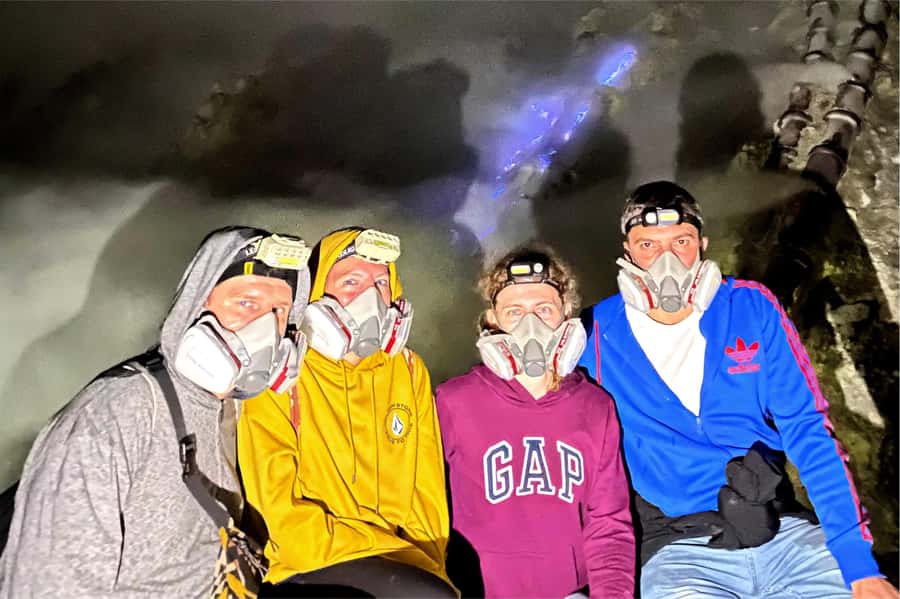
- Blue fire is weather-dependent, so the experience is as much about being ready as it is about hoping
- Sunrise over Java’s acid lake is the emotional payoff after the night climb
- Roundtrip ferry + transfers turn a two-island mission into one booked plan
- Sulfur miners in action show you the working reality behind the spectacle
- Small group format (up to 12) keeps the pace manageable and the guide’s attention more personal
Bali to Ijen by ferry: what makes this trip different
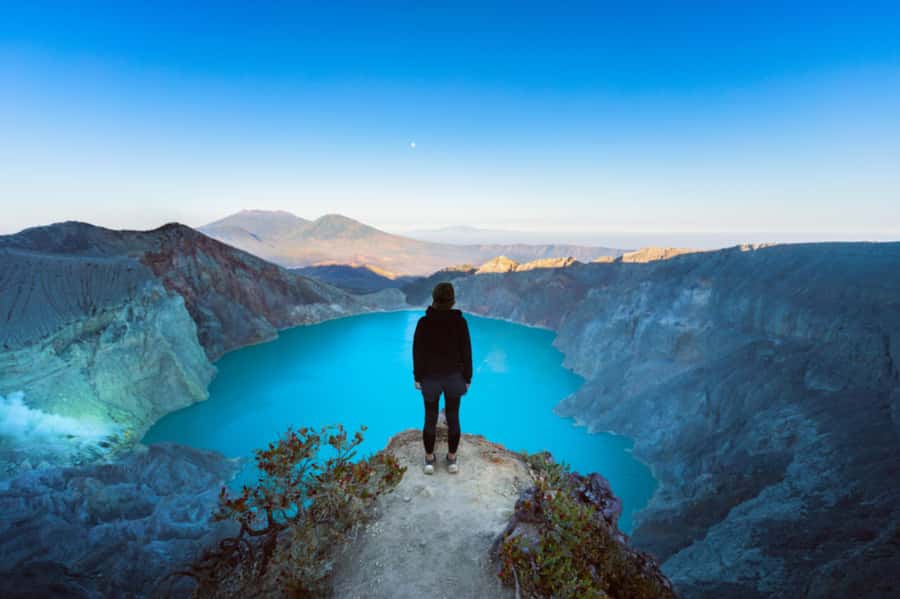
This isn’t a quick morning hike from a nearby trailhead. It’s a night journey that stitches together two worlds: you sleep on the move across Bali, then cross to Java by ferry, then hike in the dark toward one of Indonesia’s most famous volcanic sights.
That ferry element matters more than you might think. Without it, you’d be juggling schedules, finding the right port timing, and figuring out who drives where. With this setup, you get a smoother flow: Bali pickup at night, ferry crossing, drive to Ijen, and then the return in time for a reasonable afternoon back in Bali (often around 4:30 pm).
The best part is that the trip feels like a mission with a clear goal. You’re not just sightseeing. You’re moving with the volcano: hiking when it’s still night, waiting for the sky to change, and then watching the crater lake glow as morning arrives.
You can also read our reviews of more hiking tours in Bali


Pickup, ferry ride, and the long road to Banyuwangi
Plan on an all-day rhythm even though you’re sleeping in-between. You’ll be picked up from your accommodation in Bali at night, then travel to Gilimanuk Port. From there, the tour uses the ferry crossing to Ketapang Port in Banyuwangi.
That ferry ride is usually about an hour, but the real takeaway isn’t the clock—it’s the pacing. The tour is designed so you don’t arrive at Ijen basecamp exhausted in a chaotic way. You still have a long total travel day, though (around 180 kilometers is common from much of south Bali), so I suggest you treat your sleep like part of the itinerary. If you can nap before pickup, do it.
Once you reach Ketapang, another driver takes over and continues to the Ijen area. In the real world, drivers like Ari, Farid, Aldo, Okta, and Hendra are repeatedly described as careful on long drives, which matters on winding roads at night. The more you can relax during that portion, the better your hike will feel later.
Hike to the crater viewpoint: headlamp time and steep footing
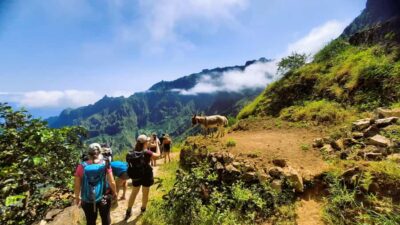
At Ijen basecamp, you start hiking in the dark. The climb to the crater viewpoint is about 1.5 hours, then you spend more time around the viewpoint before heading down.
This is where you need to be honest with yourself. Reviews and tour notes consistently point to a demanding route: it’s not just about endurance. The ground can be rocky, and the timing is tight, so you can’t drift at your own pace for long.
What helps: the tour provides a headlamp and a mask, and you’ll hike with a local trekking guide. Guides in this program often include names like Yanto, Rafi, Sopi, Nido, Ravi, Fauzi, and Supriyanto. In practice, that usually means you’re not wandering. You get clear direction, safety reminders, and help with pacing so the group doesn’t split too far.
Also, warm clothing is recommended, but temperature can surprise you. A few people felt warm despite the cold-at-the-top message. My advice: dress in layers. You want a setup where you can peel off a layer on the uphill push but still stay comfortable when you pause for sunrise and photos.
Blue fire at Ijen: the real reason sulfur miners matter
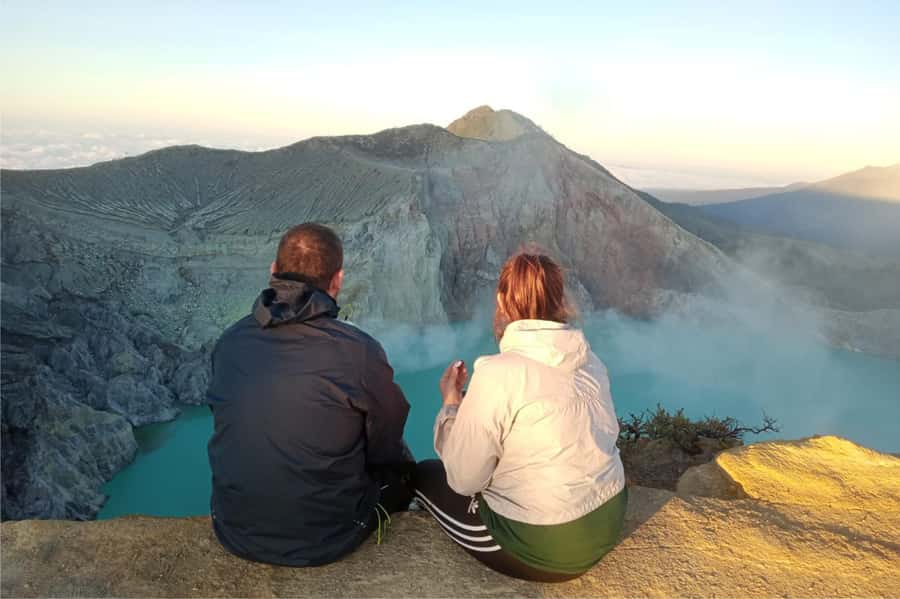
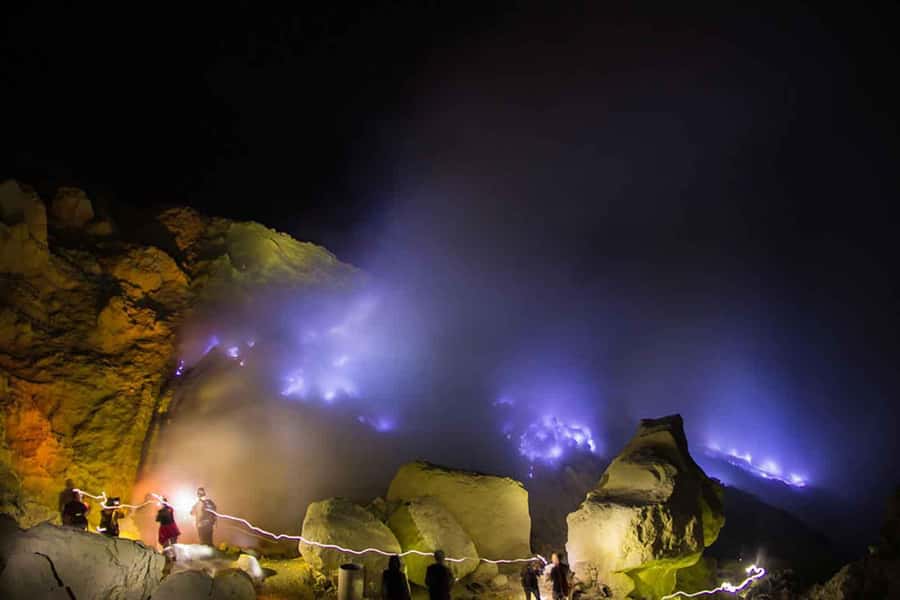
Let’s talk about the star attraction: Ijen’s blue fire. This glow happens in a volcanic sulfur area, and if conditions line up, you’ll see those electric-looking flames at the edge of the mining zone.
First, the practical reality: blue fire is not guaranteed. It depends on natural factors, including weather and visibility. That doesn’t mean it’s a gimmick—it means the experience is a gamble you can plan for.
The other reason Ijen hits hard is that you’re seeing working life, not just scenery. Local miners carry sulfur rock as part of their everyday routine. The tour is structured so you can watch this up close from the right vantage points, which is unforgettable—but it also makes the place feel real and intense.
A guide’s role here is important. People mention guides taking extra care on the descent toward the blue fire area and keeping everyone safe around uneven footing and sulfur conditions. If your knees are questionable, take that seriously. A steep, rocky descent can be the hardest part even if you feel fine on the way up.
And one more tip: even when the flames don’t show as clearly as you hoped, the crater world itself still has a strange, otherworldly power. You’re standing at the edge of something active, with sulfur dust, fumes, and moonlit steps behind you.
Sunrise over the acid lake: when the timing clicks
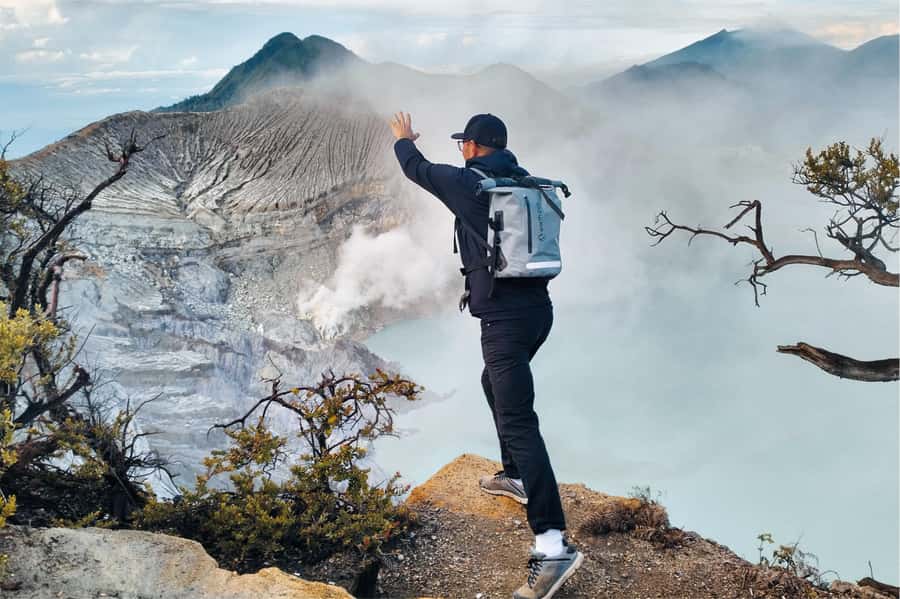
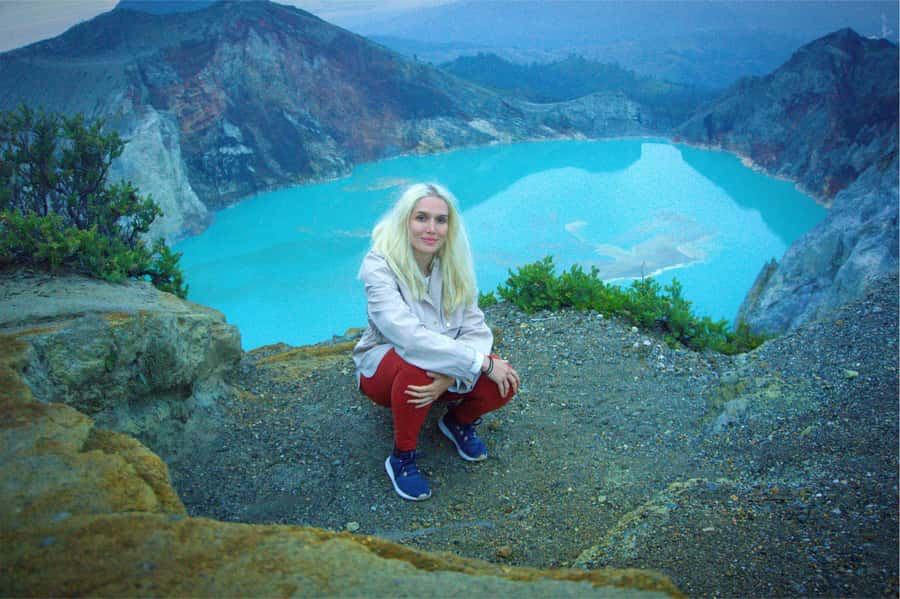
After the hike and viewpoint time, sunrise is the moment you’ve been working toward. You’ll be watching the day break over the largest acid lake on Java Island.
Timing is the magic trick. The tour runs as a night itinerary so you’re in place for morning light. Many participants note a start around 1:50 am to 2:00 am for the active climbing portion, depending on the day and pickup location in Bali. That means you’ll likely still be in transit or just arriving when your day is officially beginning.
The sunrise itself can also vary by season. One helpful note: you can only see sunrise from the lake itself during June to August, while other months still offer great views but not the same specific angle. If sunrise from the water is your top priority, aim your dates accordingly.
For photos, you’ll want two things ready:
- Your headlamp for setup in darkness
- A plan for changing light from near-black to bright sunrise quickly
Small, practical moves matter here. Don’t wait until you feel ready. Take your first viewpoint shots early, then adjust as the sky lifts.
A few more Bali tours and experiences worth a look
Descent, return ferry, and getting back to Bali
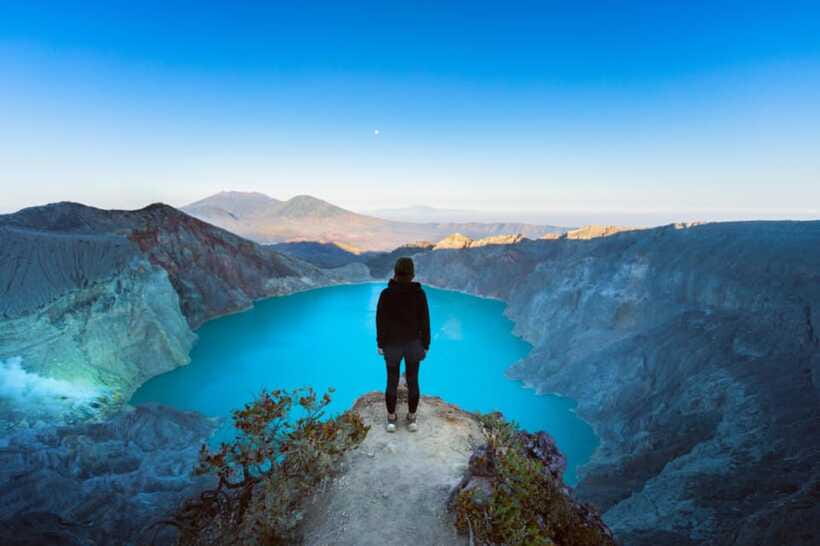
Once you finish crater exploration, you trek back down to the parking lot. The walk down is often around 1 hour, but in real terms, plan for slower movement because you’ll be dealing with stone, slope, and fatigue.
This is where the guide’s presence pays off again. People describe guides guiding everyone carefully down to avoid slips and keeping the pace safe rather than fast. That matters for knees and ankles, and it also keeps the group together so you don’t end up stressed with delays.
Then the tour flips back into transport mode: you head from the Ijen area back toward the ferry, cross again, and then return to Bali. A common arrival back in Bali is around 4:30 pm, but your actual timing depends on traffic and the ferry schedule you hit that day.
Price and value: is $98 a good deal?
At $98 per person, you’re paying for far more than a “guide and hike.” You’re buying a full logistics chain across two islands:
- Hotel pickup and drop-off in Bali
- Roundtrip ferry tickets (Gilimanuk to Ketapang and back)
- Entrance-related fees
- A local trekking guide
- Health check certificate
- Donations and tax fees
- Safety gear like a mask and headlamp
Food is not included, so that’s one extra cost you’ll need to handle yourself. But when you total the transport complexity—night pickup, ferry crossing, and long-distance driving—this price can feel reasonable compared to piecing it together on your own.
What makes it worth it for most people: you remove the mental burden. You show up, get assigned a schedule, and follow a trained lead through a tough itinerary. This is the kind of trip where small mistakes are expensive in time. A booked, organized plan saves you from that.
What to pack for Ijen: cold, dust, and shoes that grip
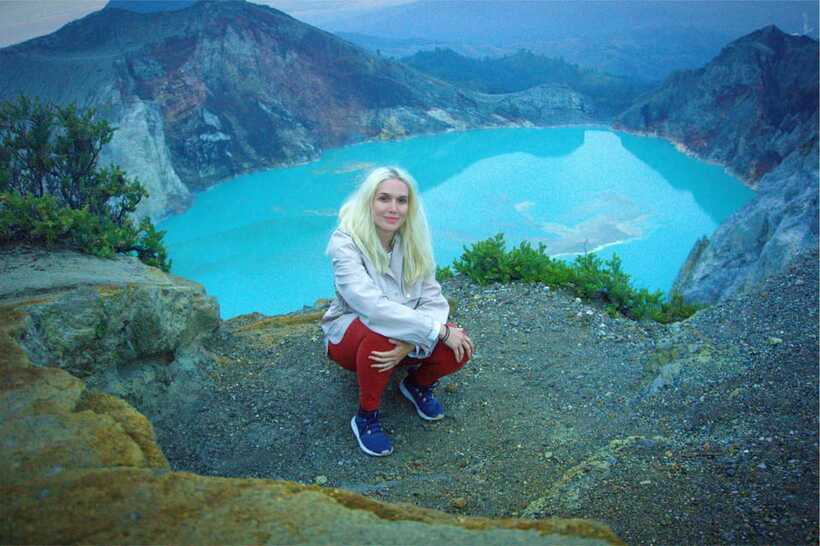
The tour is pretty direct about essentials, and it’s right. You’ll want:
- Comfortable shoes with good grip
- Warm clothing for the cold near the top and during waiting
- Your passport (or a copy accepted), since a copy is requested after booking
The tour also provides a mask and headlamp. Still, you’ll feel more comfortable if you bring your own basics for comfort and hygiene. For example, if you’re sensitive to dryness, pack accordingly.
Food is the big personal item. The tour notes are clear: bring your own food because the schedule is tight and nothing is included for meals. My advice: pack something easy to eat while you’re focused on moving, not something that needs warm water or lots of prep.
And if you’re the type who gets motion sick on long drives, consider preparing for it. The itinerary includes long road segments before and after the ferry.
Safety, stamina, and who should reconsider
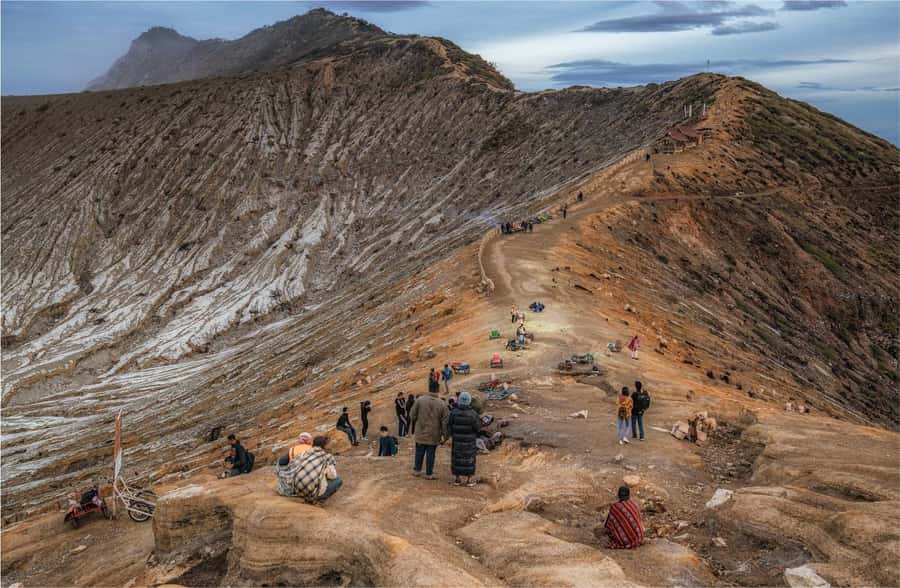
This is not a casual hike. The route includes a night climb and a descent down rocky ground toward the blue fire area. If you have heart problems or respiratory issues, this tour is listed as not suitable. Pregnant women are also not recommended.
Even if you’re healthy, be honest about your knees and balance. Multiple people mention the descent as the hardest part, and some recommend shoes meant for climbing and rocky steps—not flimsy sneakers.
Also consider the closing rule. Ijen is closed on the first Friday of the month. If your trip lands on that date, you’ll need an alternate plan.
Finally, if rain rolls in, visibility can drop and the experience can feel less magical. You can’t control weather, but you can control your layer choices, hydration, and the way you pace yourself.
Should you book this Ijen sunrise hike from Bali?
Book it if:
- You want the iconic combo of sunrise + crater views and a real shot at the blue flames
- You’re okay with an early start, cold conditions, and a tough hike
- You value organized transfers and ferry logistics more than DIY freedom
- You like small-group outings where the guide can keep attention on safety
Skip (or switch to a different option) if:
- You need guaranteed blue fire, because it’s never promised
- You’re not comfortable with steep, rocky walking and a night schedule
- You have respiratory or heart issues, or you’re pregnant
If you do book, I’d treat it as a day for stamina and preparation, not a casual photo walk. Bring layers, bring snacks, and show up ready to move. When the sky opens and the crater lake starts glowing, you’ll understand why people talk about Ijen like it’s a ritual.
FAQ
How much does the Ijen Volcano Sunrise Hike from Bali cost?
It costs $98 per person.
How long is the tour?
The duration is listed as 18 hours.
What’s included in the price?
The tour includes hotel pickup and drop-off in Bali, entry fees, a health check certificate, a local trekking guide, roundtrip ferry tickets, donations and tax fees, and a mask plus headlamp. Food or drinks are not included.
Is seeing the blue fire guaranteed?
No. The blue fire is a natural phenomenon and is not guaranteed. Weather can affect whether you’ll see it.
When is Ijen closed?
Ijen is closed on every first Friday of the month.
What time does the hike start?
The hiking starts in the early hours. Some departures reported starting around 1:50 am, with active crater timing near 2:00 am depending on the schedule.
What should I bring?
Bring comfortable shoes, warm clothing, and a passport copy (a copy is accepted). You should also bring your own food since meals are not included.
How many people are in the group?
The group is small, limited to 12 participants.
Can I cancel for a full refund?
Yes. You can cancel up to 24 hours in advance for a full refund.