REVIEW · KANDE
From Pokhara: Day Hiking Australian Camp & Dhampus
Book on GetYourGuide →Operated by Tour guide in Nepal · Bookable on GetYourGuide
Annapurna views start before breakfast. This Australian Camp and Dhampus day hike is all about the payoff: mountain panoramas that feel close up, plus a real village visit. I also like that you get a structured route with a professional English-speaking trekking guide, so you’re not just walking and hoping. One consideration: the trail has some uphill and uneven footpaths, so even if you’re comfortable walking, it can feel more demanding than a flat stroll.
The best version of the experience comes down to weather. If visibility is clear, you’ll get those crisp views toward Annapurna, Fishtail, and Dhaulagiri, and the sunset timing at Australian Camp can be a highlight. If clouds roll in, you might still enjoy the villages and the hike, but the big “wow” moments may be muted.
This is a great day when you want fresh air, local life, and guided logistics wrapped into one outing. It works especially well for people who want a strong introduction to the Annapurna region without committing to an overnight trek.
In This Review
- Key points you’ll care about
- Why Australian Camp and Dhampus make a great Pokhara day hike
- Route overview: from lakeside pickup to Kande, Australian Camp, and back
- Kande: the launch point and quick scenic reset
- The hike to Australian Camp: where the Annapurna views begin
- Australian Camp viewpoint: sunset/sunrise, Annapurna range, and the classic “pause”
- Dhampus: Gurung village life, local food, and a slower rhythm
- Phedi descent: an easier finish and a clean transition back to Pokhara
- Guides matter: what strong help looks like on this hike
- How hard is it, really? Pace, breaks, and weather reality
- Price and value: what $61 is really paying for
- Who this hike suits best (and who might want a different plan)
- Should you book this Australian Camp and Dhampus hike?
- FAQ
- What is the duration of the Pokhara to Australian Camp & Dhampus day hike?
- Where does the tour start?
- How do you get to the trail start?
- How long is the trek from Kande to Australian Camp?
- How long is the descent from Dhampus to Phedi?
- Is this a private tour?
- What languages does the trekking guide speak?
- Are meals included?
- Is there an emergency first aid kit?
- When are the best seasons to go?
Key points you’ll care about
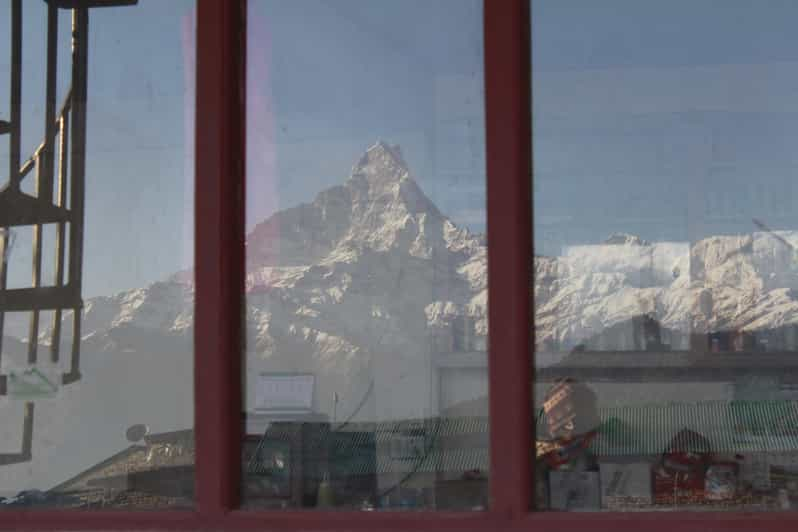
- Australian Camp sunrise or sunset views: big Annapurna-range sightlines from a classic viewpoint.
- Dhampus is a Gurung village: you’ll spend time with local life and enjoy a meal there.
- Guides can make the difference: names like Birendra (Bir) and Amrit get praised for care, timing, and helpful hiking tips.
- Village hamlets plus open meadows: a mix of forest walking and small community stops.
- Private group, hotel pickup, and transfers: you focus on the hike, not the driving plan.
- Food and drinks are on purchase: you’ll want cash/card readiness for meals.
Why Australian Camp and Dhampus make a great Pokhara day hike
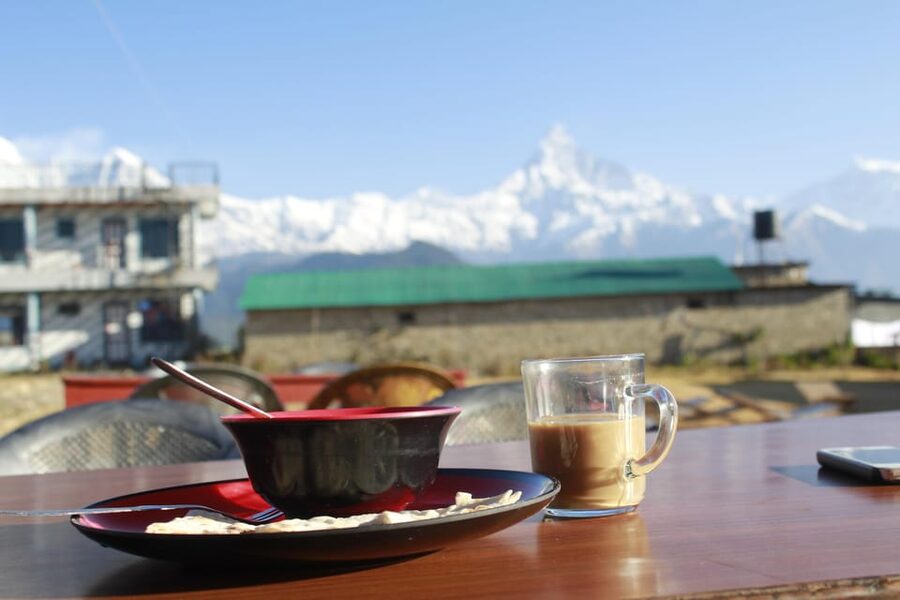
If you only have one day, Australian Camp is the kind of goal that makes sense. It’s a well-known viewpoint area on the way up from Kande, and it’s famous for turning the Annapurna peaks into a photo-worthy backdrop morning or evening. From there, Dhampus adds the human side of the trip: a traditional Gurung village where you can slow down, look around, and eat something local.
What I like most is the balance. You get both the mountain “reward” and the everyday rhythm of village trekking. The whole day is built around a simple progression: short driving segments, a hike that ramps up, a viewpoint pause, then more walking through communities before returning to Pokhara.
One more practical reason this works: the day is guided and timed. You’re not piecing together buses and trailheads. Instead, you start with hotel pickup, go to the trail head area, hike with a professional guide, and finish with an organized return ride.
Route overview: from lakeside pickup to Kande, Australian Camp, and back
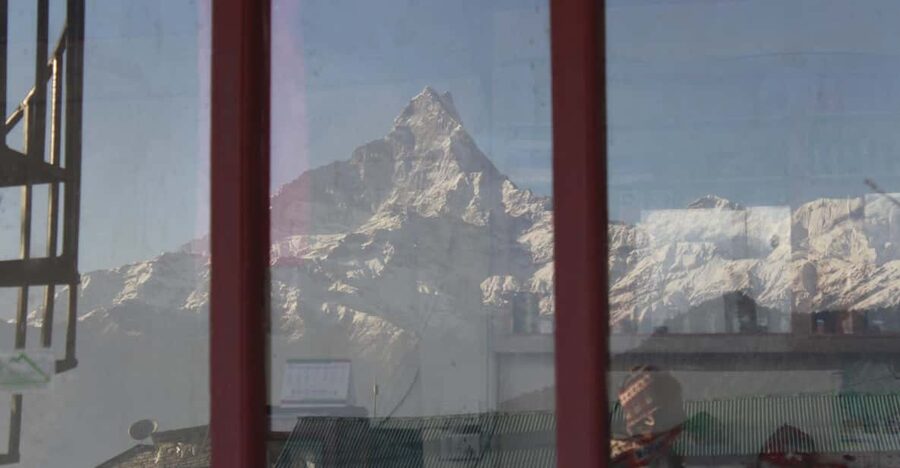
The full day runs about 9 hours, with pickup in the Pokhara lakeside area. You’ll be collected from your hotel and then driven roughly 45 minutes (30 km) to Kande. From there, the trekking portion starts.
The movement is simple to follow:
- Kande to Australian Camp: about 1.5 hours
- Australian Camp to Dhampus: continued hiking on rural footpaths
- Dhampus to Phedi descent: about 1 hour and described as fairly easy
- Then you ride back to Pokhara from Phedi in about 30 minutes (19 km)
You’ll also have built-in photo stops and guided time. The schedule includes breaks and walking time at key moments, like the trail head area for Australian Camp and the time on the Dhampus side.
The big value here is that you’re spending your effort on walking and viewing, not on navigation. In a place like this, that matters.
Kande: the launch point and quick scenic reset
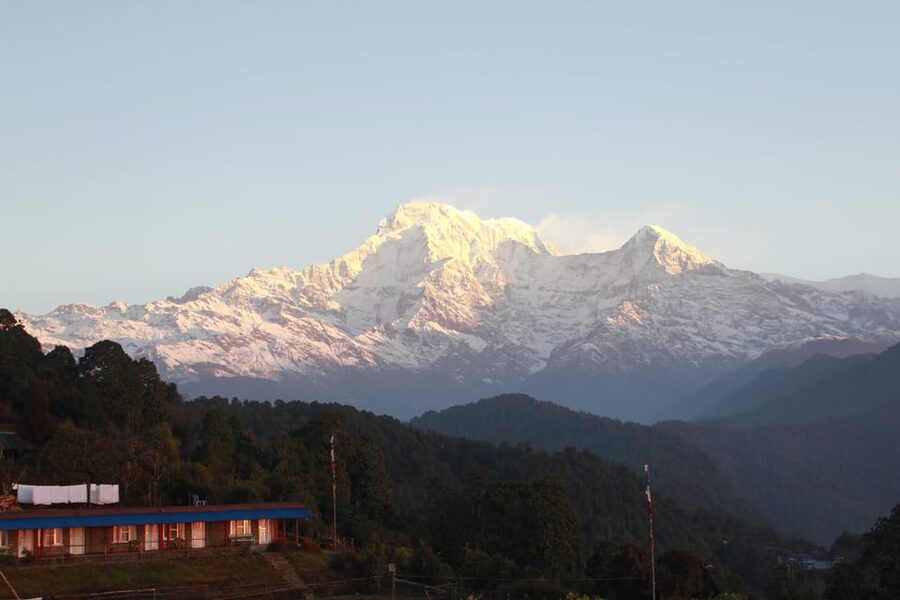
Kande is your starting platform. You’ll usually arrive by private vehicle and get a short photo stop and guided viewing on the way. This is more than a warm-up moment. It helps you get your bearings before the uphill starts, especially if you’re not used to mountain trails.
The practical trade-off is that you’re already spending time in the vehicle before any trekking. If you’re hoping for a fully “on your feet” day, the day still includes that transfer time between Pokhara and Kande and again from Phedi back to Pokhara.
Still, that’s part of the reason this option feels like a real day out rather than a logistical project. You’re not trying to solve transportation mid-trip.
The hike to Australian Camp: where the Annapurna views begin
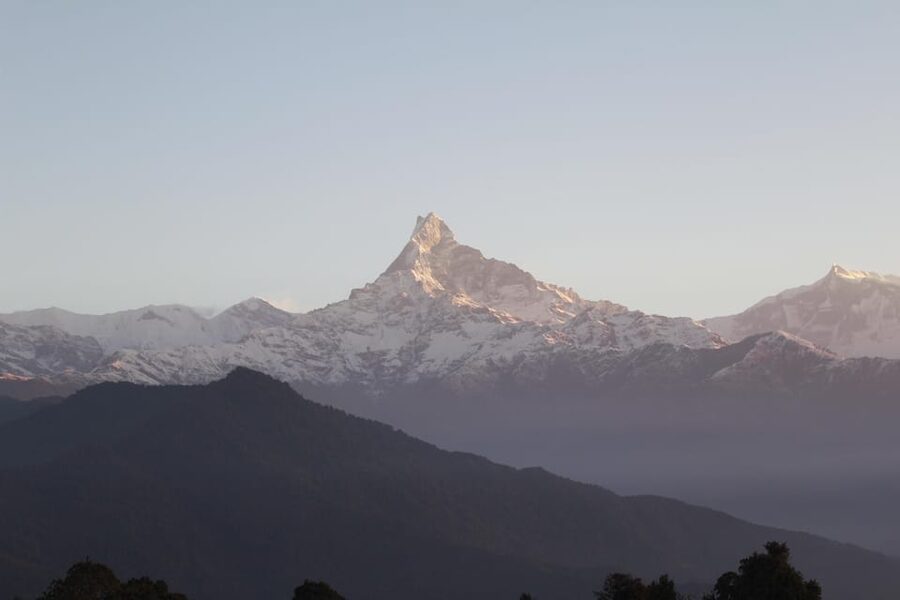
The walk from Kande to Australian Camp is the first main effort. It’s timed at about 1.5 hours, and along the way you’re meant to watch the mountain angles open up. Even without a guaranteed sky-perfect day, the route is built to give repeated chances for looking back toward the Annapurna region.
This is also the stretch where the walking vibe changes. You go through lush forests and village areas, and it’s the kind of path where your senses switch from city-mode to mountain-mode. One review highlight calls out village hamlets and meadows and mentions a cool breeze, which is exactly the sort of thing that makes short hikes feel like more than just exercise.
What to consider: a one-day hike can still feel strenuous, especially on uneven ground. One person described the hike as strenuous but noted they rate their own activity level around 3 out of 10. So, if you’re cautious with uphill walking, plan to take it slow, use the guide’s pacing suggestions, and lean into the breaks.
Australian Camp viewpoint: sunset/sunrise, Annapurna range, and the classic “pause”
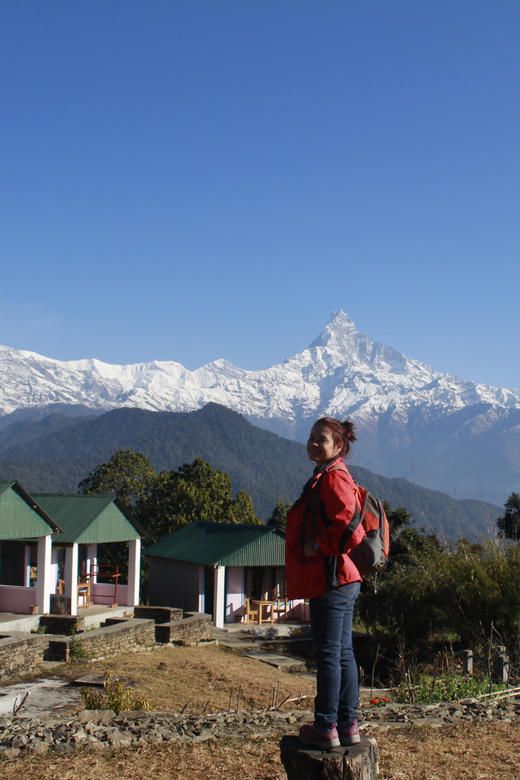
Reaching Australian Camp is when the day turns into a view experience. The schedule is built around you getting to the viewpoint in time to see sunset or sunrise options, depending on the starting timing. That timing is the whole game here: you want peaks lit up in soft color, not just plain daylight shadows.
From Australian Camp, the expected sightlines include broad views across the Annapurna range, plus the chance to see Fishtail and Annapurna peaks. The route guide is there to point out what you’re looking at and help you time photos and breaks.
Here’s the best practical advice: treat Australian Camp as a “stay put and watch” moment. Don’t rush it. Even if you’re not a hardcore photographer, the best viewing comes from letting your eyes adjust. Peaks and angles can shift as light changes.
Dhampus: Gurung village life, local food, and a slower rhythm
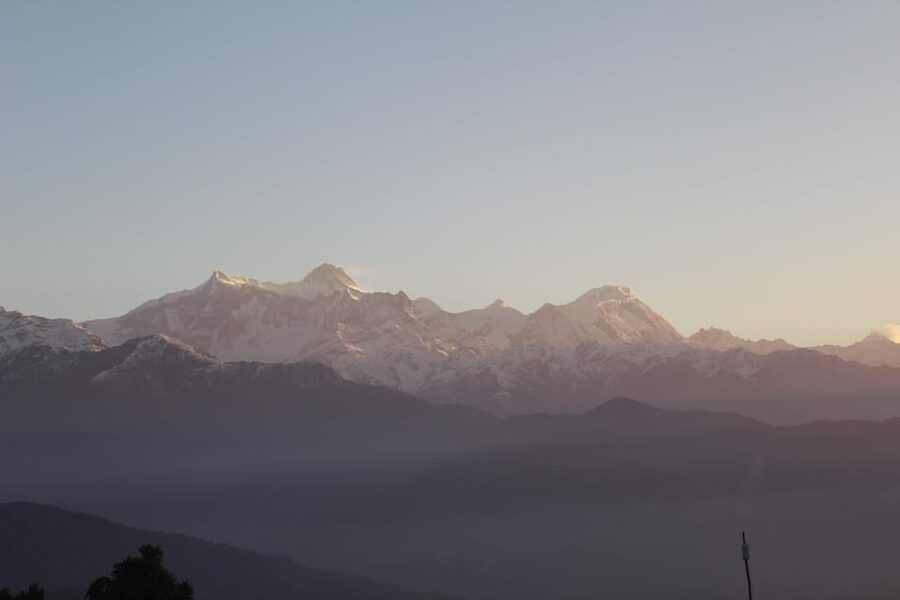
After Australian Camp, the hike continues toward Dhampus. This is not just another straight uphill segment. You’re moving through rural footpaths toward a traditional Gurung village, which is a key part of why this tour feels more human than scenic-only day trips.
Dhampus is where you get the cultural piece: photo opportunities, a guided walk, and time to slow down. The idea is to see daily village life rather than just pass through. Your guide food and expenses are included, but food and drinks are not included, so plan on paying for meals on site. The itinerary specifically includes having lunch at a restaurant in Dhampus, so you’ll get that proper mid-day break with fuel.
The drawback to know: village stops are time on uneven ground too. It’s not a museum stop where you’re mostly standing on level floors. If you have balance issues, wear stable shoes and keep your pace calm.
Still, this part is often what makes people remember the day. A mountain viewpoint is amazing, but village time is what makes it feel real.
Phedi descent: an easier finish and a clean transition back to Pokhara
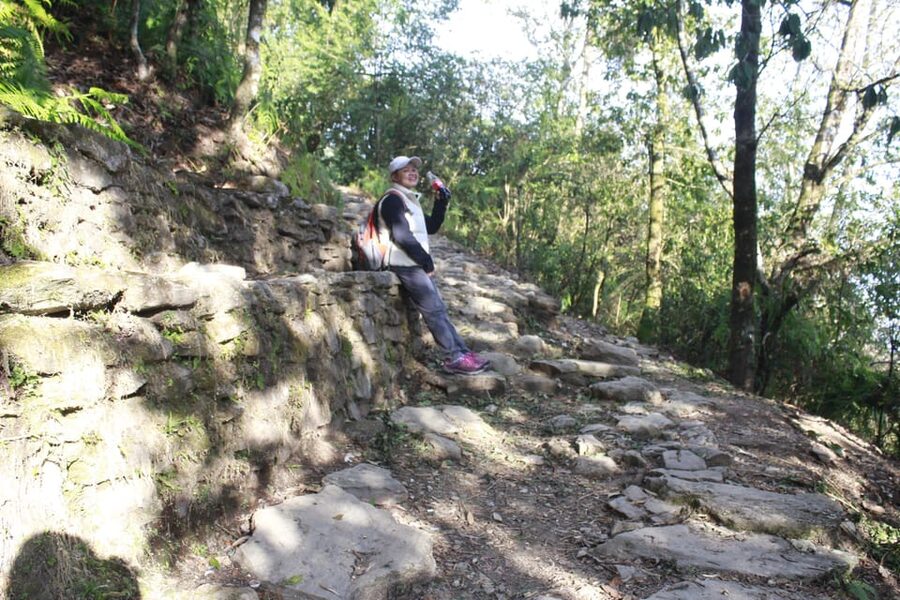
The return portion starts with a descent from Dhampus toward Phedi, timed at about 1 hour. It’s described as fairly easy via a rural foot trail, which matters because it shifts your energy from “climb mode” to “finish and reset.”
This is where you’ll likely feel the mental relief of being back on the way down. You’ll get another set of photo and guided moments along the way, and then you’ll board the vehicle stationed at Phedi.
The drive back to Pokhara is short—about 30 minutes (19 km). That makes the day feel complete without dragging on into a late night.
Guides matter: what strong help looks like on this hike
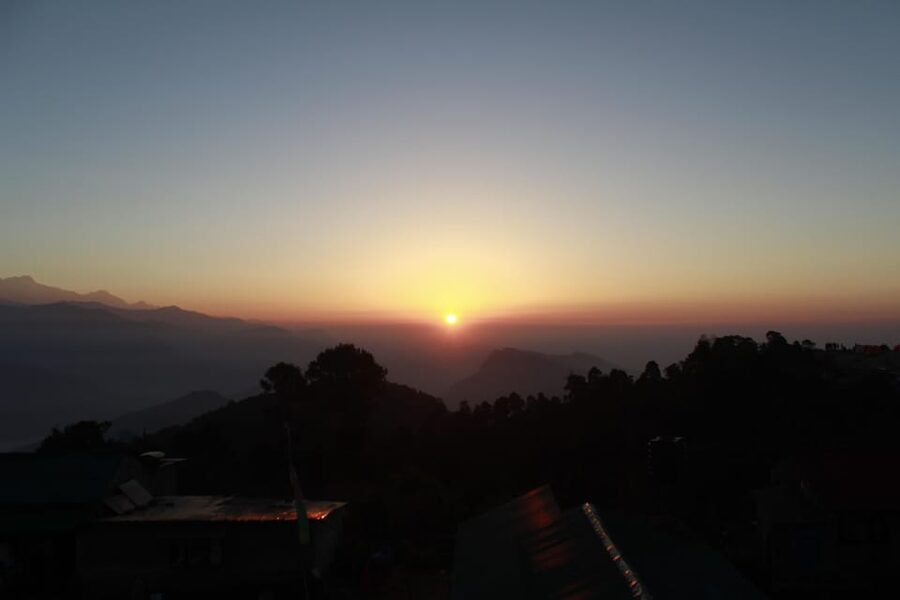
On a short mountain trek, your guide’s skill shows up fast. You want someone who keeps your timing on track, helps you understand the views, and doesn’t rush people who need a slower pace.
Two names came up in standout ways: Birendra (Bir) and Amrit. One praised guide was singled out for being helpful throughout the hike, while another was credited for taking care of the group and sharing practical, relaxing hiking tips even for a 54-year-old participant. There’s also praise tied to punctual pickup and careful attention to details.
That kind of guidance is not small stuff. It affects how confident you feel on uneven trails and how much you actually get from the viewpoint time.
How hard is it, really? Pace, breaks, and weather reality
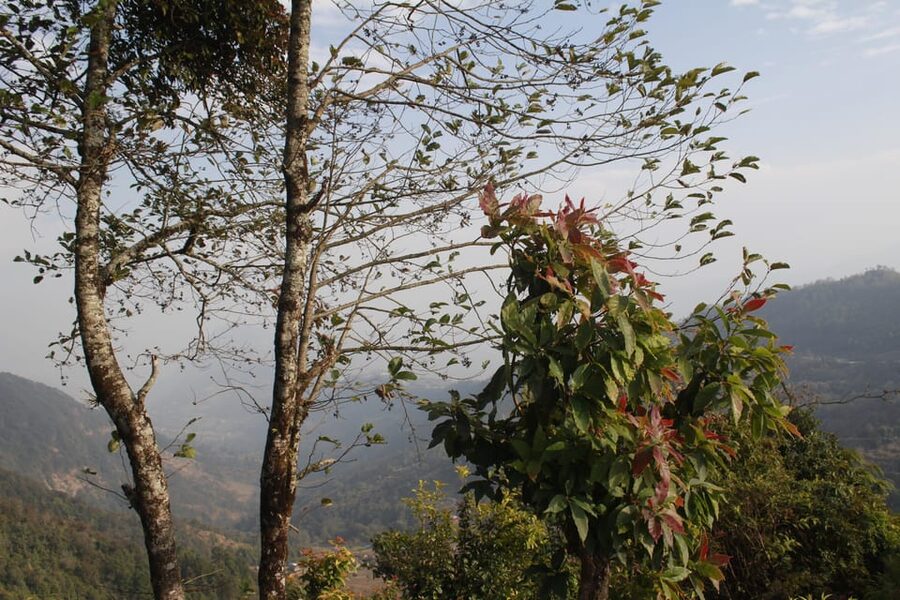
This hike is a day out, not an extreme expedition. Still, you are going uphill first and then walking again after the viewpoint. One review called it strenuous for them, even with their own 3/10 activity level. Translation: it’s doable, but it’s not a stroll.
A smart way to approach it is to match the effort to the day, not to your ego. You’ll have breaks and photo stops, and the guide is there with timing and pacing suggestions.
Now for weather. The hike can run throughout the year, but the best windows for clear mountain views are spring (March to May) and autumn (September to November). Even then, mountain weather can change fast, so come ready for temperature swings and shifting visibility.
If you want maximum view potential, pick your season carefully, then accept that the mountains control the lighting and clouds on the day you go.
Price and value: what $61 is really paying for
At $61 per person, the cost looks reasonable once you break down what’s included. You’re not only paying for a guide. You’re also getting:
- Hotel pickup and drop-off
- Pokhara to Kande and Phedi to Pokhara transfers by private vehicle
- A professional English-speaking trekking guide (and the guide can also speak Nepali and Hindi)
- Guide food and all expenses
- Private tour
- An emergency first aid kit with the guide
- All official document
What’s not included is the stuff you’d expect to buy yourself: food and drinks. That means you should budget for lunch in Dhampus and any snacks you pick up during the day.
So the value math is this: if you want a guided, viewpoint-driven day with transportation solved for you, this price lands in the practical zone. If you’re comfortable arranging your own transport and guiding yourself on the trail, you could potentially spend less elsewhere. But most people come to this kind of hike because they want one smooth plan.
Who this hike suits best (and who might want a different plan)
This is a strong match if you:
- Want big Annapurna views in a single day
- Like a mix of mountain scenery plus a real village stop
- Prefer a private group with pickup from lakeside hotels
- Want a guide who can help with timing, pacing, and viewpoint orientation
It’s also a good option if you’re an active walker who can handle uneven paths at altitude, even if you’re not training for a long trek.
You might reconsider if you:
- Know you struggle on uphill trails
- Need fully level ground for most of the day
- Are very sensitive to weather changes, since the best views depend on sky clarity
Should you book this Australian Camp and Dhampus hike?
I’d book it if your ideal Pokhara day includes a guided trail, classic Annapurna viewpoint time, and a cultural stop in a Gurung village. The biggest strengths are the viewpoint payoff and the fact that the day is managed: pickup, transfers, guiding, and an easier descent finish.
If your schedule is tight and you still want a meaningful Annapurna-region taste, this hike is a solid choice. Just go in with realistic effort expectations for uphill walking, and keep your weather flexibility.
If you want, tell me your travel dates and your comfort level with uphill walking (easy, moderate, or challenging). I can help you pick the best start-season window and plan how to pace the day.
FAQ
What is the duration of the Pokhara to Australian Camp & Dhampus day hike?
The experience runs about 9 hours, though starting times can vary based on availability.
Where does the tour start?
You get hotel pickup within the Pokhara lakeside area.
How do you get to the trail start?
You travel by private vehicle to Kande (about 30 km and 45 minutes), then start the trek from Kande.
How long is the trek from Kande to Australian Camp?
The walk from Kande to Australian Camp is about 1.5 hours.
How long is the descent from Dhampus to Phedi?
The descent from Dhampus to Phedi is about 1 hour and is described as fairly easy via a rural foot trail.
Is this a private tour?
Yes, it’s listed as a private group.
What languages does the trekking guide speak?
The guide offers live interpretation in English, Nepali, and Hindi.
Are meals included?
Food and drinks are not included. You can purchase food and drinks, including lunch at a restaurant in Dhampus.
Is there an emergency first aid kit?
Yes. An emergency first aid kit is included with the guide.
When are the best seasons to go?
The best times are spring (March to May) and autumn (September to November) for more stable weather and clearer mountain views.