REVIEW · KAMAKURA
From Kamakura: Daibutsu Hiking Trail Tour with Local Guide
Book on GetYourGuide →Operated by JGA Inc. · Bookable on GetYourGuide
Kamakura is best on foot. This private Daibutsu Trail hike pairs the Great Buddha area with Zen temple culture, and your guide shapes the day to your pace and interests. I really like the licensed local guide factor because you get context while you walk, not just photos at stops. I also like that the route can branch at Zeniarai Benten, so you can mix classic sights with extra temple time.
One thing to think about: pickup and drop-off happen only in Kamakura, not Tokyo. So you’ll need a plan for getting there on your own before your 6-hour window starts, and you’ll pay any transport used during the tour separately.
In This Review
- Key Highlights You’ll Actually Feel on This Hike
- Why Kamakura’s Daibutsu Trail Is Such a Smart Half-Day
- Meeting Your Guide in Kamakura (and Planning Your Timing)
- The Core Route: Great Buddha to Jōchi-ji on the Daibutsu Trail
- Zeniarai Benten: The Money-Washing Shrine Break in the Middle
- Jōfuku-ji, Engaku-ji, Kenchō-ji: Choosing Your Zen Temple Mix
- The Optional Longer Walk on the Tennen Trail
- Private Guide Value: What You Pay For (and What You Don’t)
- Weather, Shoes, and What to Pack
- Who This Tour Fits Best
- Should You Book This Daibutsu Trail Tour?
- FAQ
- How long is the Daibutsu Hiking Trail tour?
- Is this a private tour?
- Where does the guide pick me up?
- Can I get pickup from Tokyo?
- What language is the guide available in?
- How long is the main hike?
- What’s included in the tour price?
- What is not included?
Key Highlights You’ll Actually Feel on This Hike
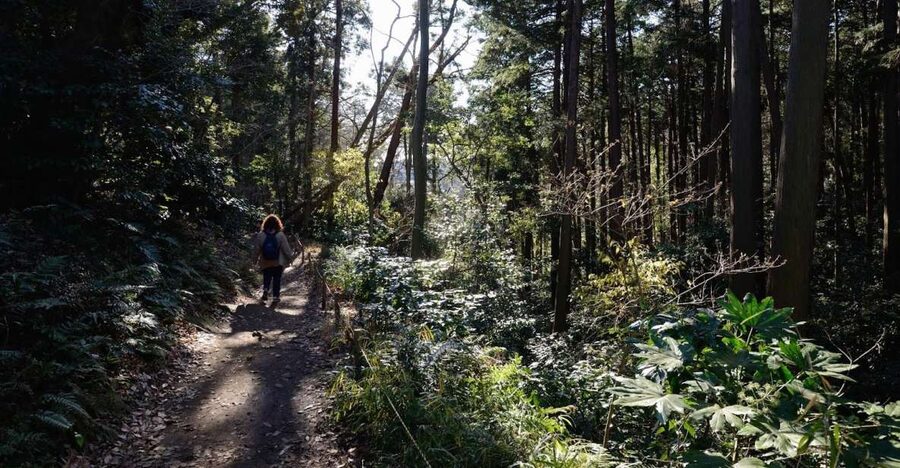
- A 6km Daibutsu Trail between Daibutsu and Jōchi-ji: classic Kamakura scenery with a steady walking rhythm
- Zeniarai Benten money-washing stop: a specific shrine moment that breaks up the hike in a memorable way
- Five Zen temples options: you can keep it focused or stretch it with extra walking toward the later temples
- A private, flexible schedule: your guide can adjust what you see and how long you spend at each spot
- English or Japanese guidance: real translation help during temple talk and shrine details
- Heat-tested pacing: guides have a track record of keeping people comfortable even on hot days
Why Kamakura’s Daibutsu Trail Is Such a Smart Half-Day
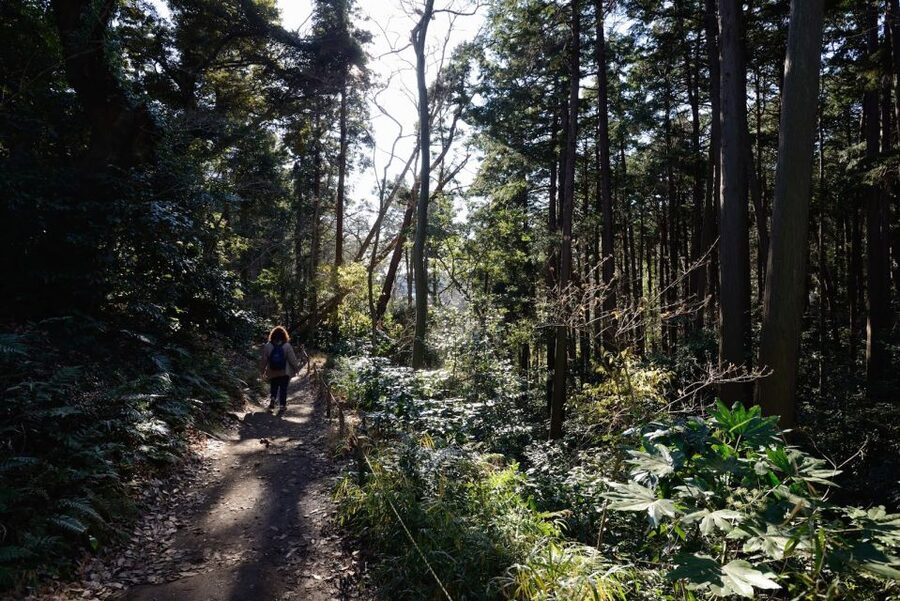
Kamakura sits about an hour from Tokyo, yet it feels like its own world: samurai-era gravity, seaside air, and a heavy dose of Buddhist and Zen practice. The Daibutsu Trail is a great way to experience that without spending your whole day on buses. You get motion, fresh air, and a clear sense of how the temples and landmarks relate to each other.
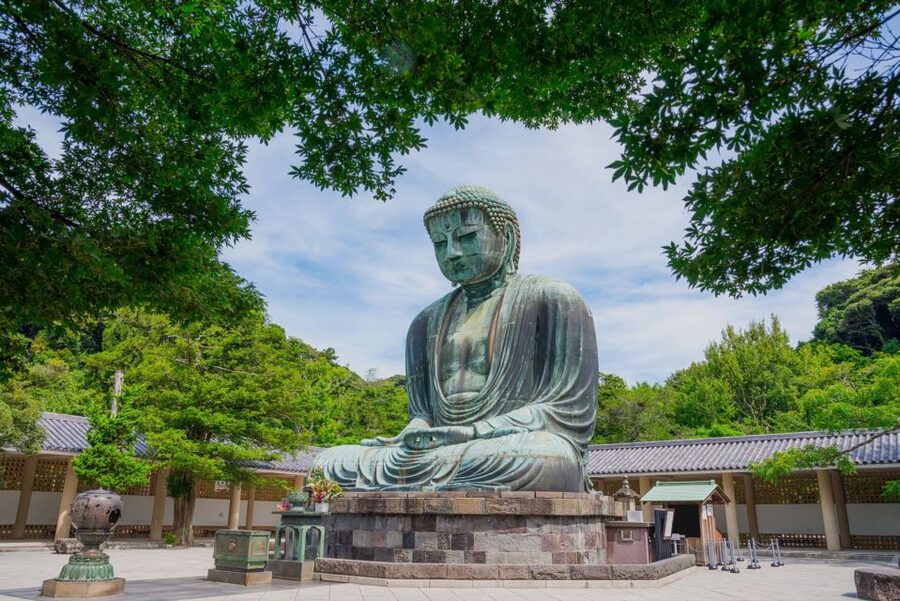
What I like most about this tour design is that it treats walking as the main event. You’re not just hopping between isolated attractions. The trail runs between the Great Buddha (Daibutsu) in the south and the Jōchi-ji Zen temple toward the north, so the day naturally creates a story as you move.
You’ll also get the added benefit of a licensed local guide who can explain what you’re seeing. In guides’ past experiences with English-speaking visitors, that communication matters a lot. For example, one guide named Shinji was praised for being helpful and professional, while Seizo was noted for making sure people still hit the sights even in strong summer heat. That’s exactly what you want when the day depends on timing, walking stamina, and choosing the right exits and turns.
The tour is built as a private experience. That means your day doesn’t get chopped into someone else’s agenda. If you want extra time near a shrine detail or you need a slower rhythm, the format is set up for that.
Meeting Your Guide in Kamakura (and Planning Your Timing)
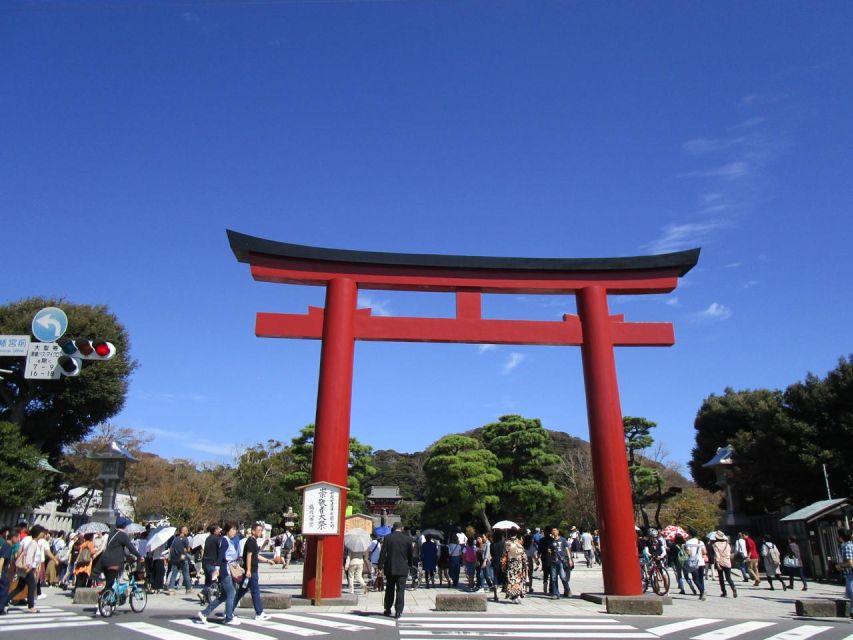
This tour starts with an in-person meeting. Your guide will meet you in your hotel lobby, or at the train station you request, in Kamakura. You’ll want to be ready about 10 minutes before your scheduled pickup time, since the plan is to depart on foot from there.
Important catch: pickup and drop-off are limited to Kamakura only. If you’re coming from Tokyo, you’ll need to get yourself to Kamakura first. During the tour, you may use public transportation or taxis, but if you do, you’ll pay those transport costs separately.
In practice, this affects your day more than you might think. If you’re traveling with a child, or if you’re trying to time your day around temple closing hours, starting in Kamakura keeps the logistics clean and predictable. One review mentioned Andy’s communication before meeting was especially helpful, which is a big deal for people who want a smooth start rather than a scramble.
Also, bring cash. Entrance fees are not included, and cash is a common backup for smaller shrine or incidental costs that pop up during walking days.
The Core Route: Great Buddha to Jōchi-ji on the Daibutsu Trail
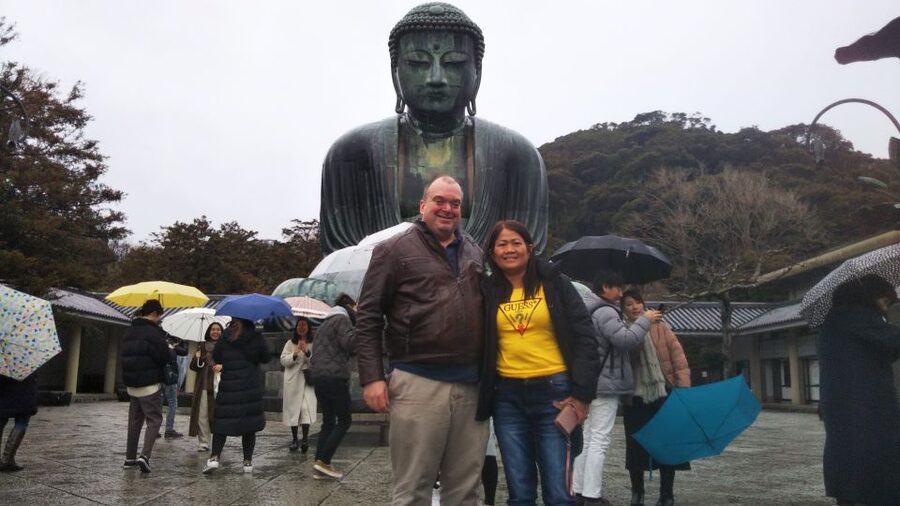
The main walking segment is the Daibutsu hiking trail, about 3.7 miles (6km). That distance is long enough to feel like a hike, but it’s not so extreme that you’ll be gasping the whole time if you’re in basic walking shape. Comfortable shoes are non-negotiable here.
On this part of the route, you’re traveling through a sequence that links Kamakura’s spiritual landmarks. The trail runs between the Great Buddha (Daibutsu) area and Jōchi-ji Zen temple. Jōchi-ji gives you a Zen anchor point near the north end, so the walk feels directional rather than like a random loop.
This is also where your guide’s pacing and explanation really matter. The best hiking moments aren’t always the loud ones. It’s often the quieter stretches where a guide points out why the temple sits where it does, how the area evolved, or what specific features mean in local tradition.
When guides were praised in past experiences, it wasn’t just for speaking well. It was for guiding people to the right kind of highlights and keeping the day comfortable. In one account, Seizo helped manage a very hot day so the group could still see everything they wanted without feeling pushed beyond their limits.
Zeniarai Benten: The Money-Washing Shrine Break in the Middle
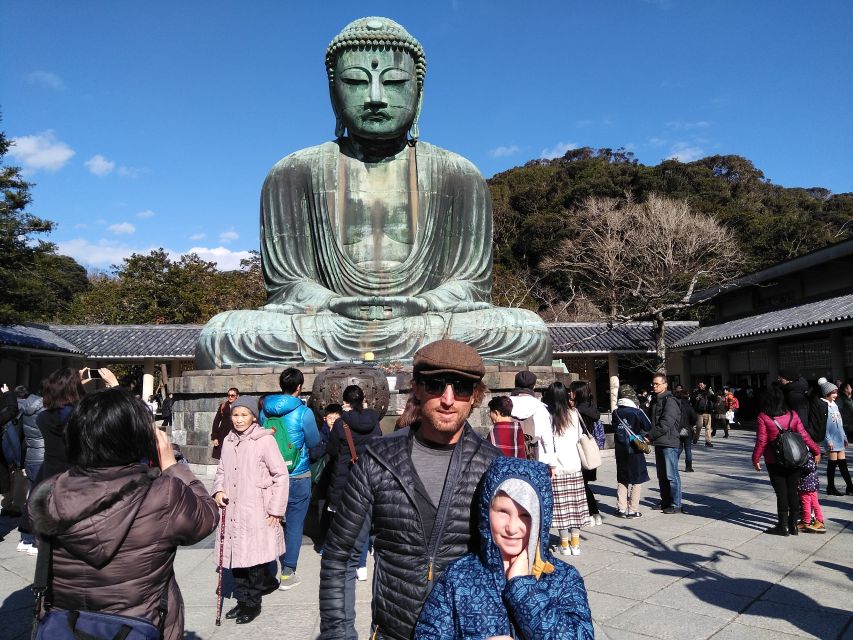
Halfway through the action, you pass Zeniarai Benten, the money-washing shrine. This stop is unique because it’s not a generic temple viewpoint. It’s tied to a specific ritual that people associate with purification and good fortune.
The big practical value of this location is that it gives you a branching decision. You can stay on the main thread of the day or shift gears and head toward Jufuku-ji, which is the first of the five important Zen temples in Kamakura. If you like to see a set “through line” of temples, this is a clean way to do it. If you prefer fewer stops and more walking breathing room, you can keep your schedule tighter.
Even if you skip the extra branch, Zeniarai Benten still works as a natural rest point. It breaks the hike’s rhythm and gives you something visually specific to remember later. A guide named Shingi was praised for leading people to beautiful shrines and providing great insights, and this is the kind of stop that benefits from that kind of attention.
Jōfuku-ji, Engaku-ji, Kenchō-ji: Choosing Your Zen Temple Mix
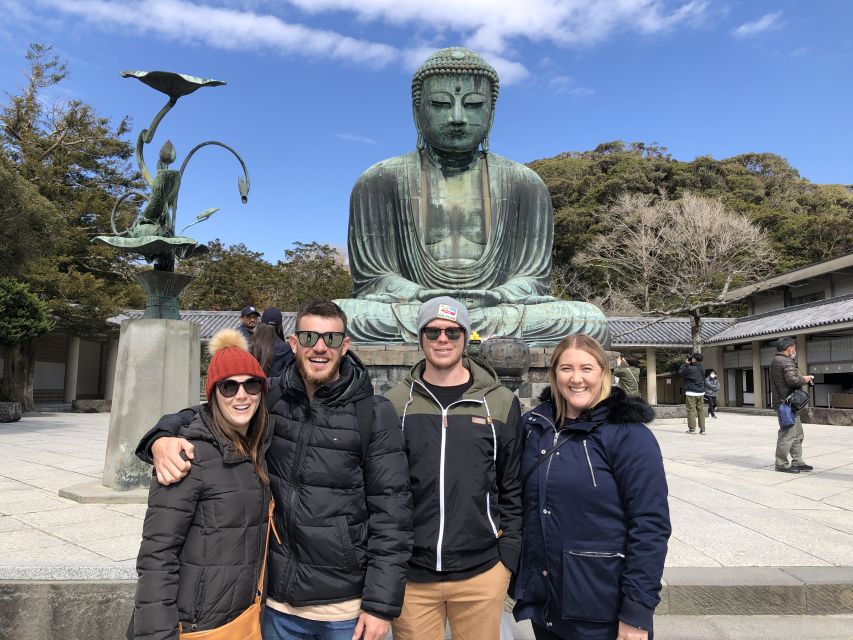
From Zeniarai Benten, the tour can include the temple options that make Kamakura feel like a living Zen map. The day can include Jufuku-ji, and nearby Engaku-ji and Kencho-ji can also be visited.
Here’s why that matters for you: temples in Kamakura aren’t just places to enter and exit. When you move through a cluster—especially with a guide who can explain connections—it becomes easier to understand the evolution of the area. You start noticing patterns: how entrances frame pathways, how grounds feel designed for quiet movement, and why specific temples became part of the region’s spiritual identity.
Also, because the tour is private, you don’t have to treat every temple like a checkbox. You can pick what you care about most. If you want more explanation at one stop, you can usually slow down there. If you want to keep energy for a longer final walk, your guide can adjust the earlier pacing.
One tip that came up in prior experiences: a guide named Shingi offered advice about a matcha tea ceremony. That’s exactly the kind of add-on that can make a walking day feel more complete, as long as it fits your energy level and timing. Since the tour itself doesn’t include food or drink, think of these kinds of suggestions as helpful planning tools.
The Optional Longer Walk on the Tennen Trail
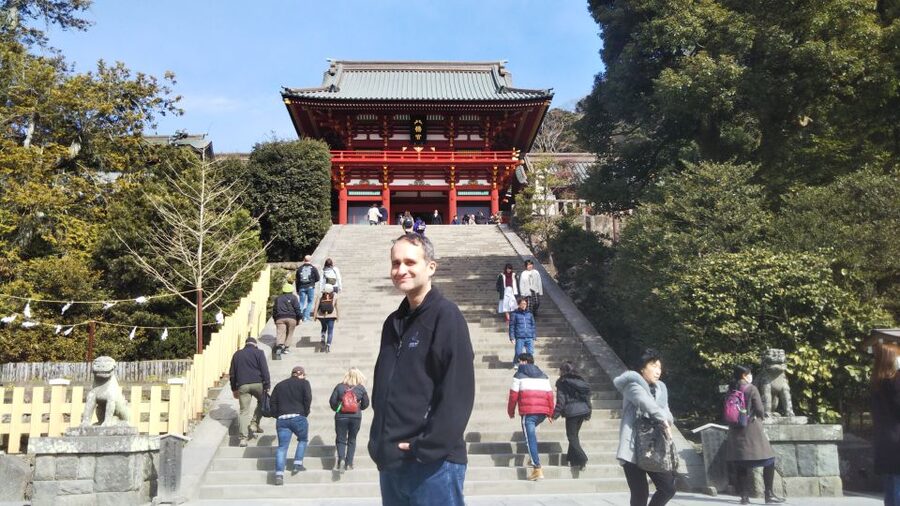
There’s also an option to continue from Kencho-ji on the Tennen trail. If you choose this, you’re turning a 6-hour plan into a longer, more end-to-end experience. The longer walk ends near the 5th and last of the five temples.
This is worth your attention because it changes the feel of the day. The basic route gives you the classic spine of the Daibutsu area. The Tennen continuation shifts the experience toward a finish-line temple moment, where your walking feels like it has a destination.
It’s also a good choice if you like steady, scenic walking where you’re not constantly entering and leaving buildings. But because the tour duration is set at 6 hours, the exact timing still depends on where you branch and how long you linger. The best move is to tell your guide what you want from the day: tighter temple concentration or more time on the trail.
Private Guide Value: What You Pay For (and What You Don’t)
At $151 per person for a 6-hour private hike, the value isn’t just the route. It’s the control and guidance. You’re paying for someone to manage the flow, offer context in English or Japanese, and keep the day tailored.
What you do not get included:
- Food and drink
- Entrance fees
- Public/private transportation during the tour
So budget for a few add-ons. If you already know you want entrances and a meal afterward, the total day cost might be higher than the headline price. The good news: that also means you can choose what kind of food and tea experience you want instead of being locked into a one-size package.
Where the private format shines is how guides can handle real-world needs. One review specifically mentioned that a guide named Andy managed the day beautifully even when a child was unwell, and the schedule had to be shortened. That kind of flexibility is hard to get with group tours, and it’s the kind of thing that turns a nice itinerary into a memorable day.
Past reviews also praised communication and professionalism. Shinji was singled out for helpful communication, and Michio was praised for looking after someone well. That isn’t just nice. It’s practical: your day depends on meeting on time, walking comfortably, and making smart choices when the weather is hot or your pace changes.
Weather, Shoes, and What to Pack
This is a hike, so treat it like one. Bring comfortable shoes and comfortable clothes. The trail length and temple steps can add up fast when you’re under sun and humidity.
You should also have cash on hand for entrance fees and any small costs that come up. Food and drink are not included, so plan for a snack or hydrate during breaks. If you’re the type who tends to forget water until you feel bad, pack early.
The good part: because it’s a guided private tour, you’re not stuck rigidly to one pacing style. Seizo’s praised approach on a very hot day is a good sign that your guide is paying attention to comfort and timing, not just reciting facts.
Who This Tour Fits Best
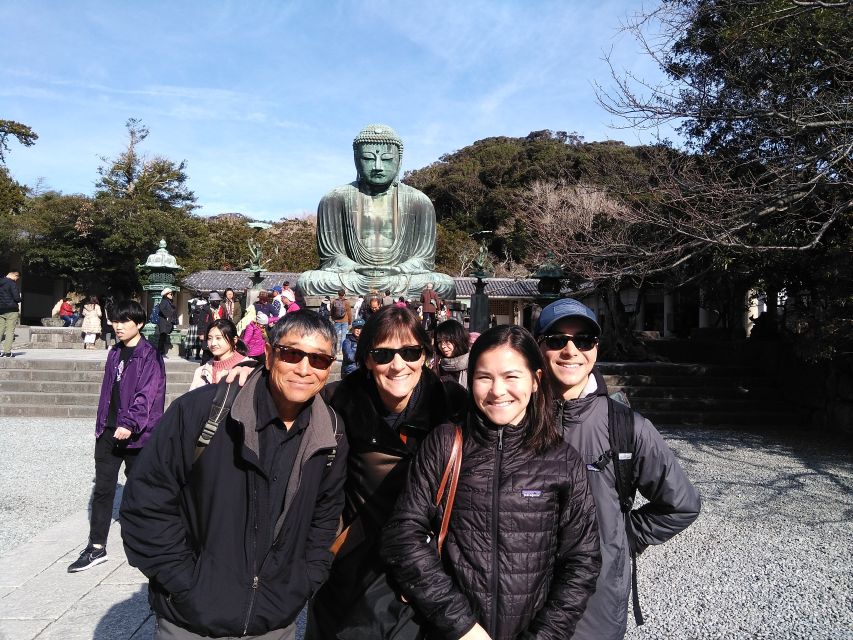
This Daibutsu Trail tour is a great match if you:
- Want a private day in Kamakura with a local licensed guide
- Like the idea of mixing hiking and temple culture
- Prefer a route with branching choices instead of a fixed script
- Are interested in the “why” behind shrines and Zen temples, not just the where
It may be less ideal if you:
- Don’t want to walk about 6km as the core effort
- Are relying on Tokyo pickup (since pickup is only within Kamakura)
- Want food, entrances, or transport fully handled by the tour price
Should You Book This Daibutsu Trail Tour?
If you’re choosing between “see Kamakura quickly” and “actually experience Kamakura,” this tour leans toward the second. The mix of the Great Buddha area, Zeniarai Benten, and Zen temple stops gives you a day with multiple types of highlights, not just one.
I’d book it if you can get to Kamakura on your own and you’re comfortable with a real walking day. The private guide setup is especially valuable if you want your time managed well—whether that’s handling heat, adjusting your pace, or adding thoughtful suggestions like matcha tea.
Skip it only if your priority is minimal walking or if you need Tokyo pickup included. For most people, though, this is one of the more satisfying ways to turn Kamakura into an active, guided story.
FAQ
How long is the Daibutsu Hiking Trail tour?
It lasts 6 hours.
Is this a private tour?
Yes, it’s a private group experience.
Where does the guide pick me up?
Pickup is in Kamakura only. The guide will meet you in your hotel lobby or at the train station you request, about 10 minutes before the scheduled pickup time.
Can I get pickup from Tokyo?
No. Pickup and drop-off are only available in Kamakura.
What language is the guide available in?
The live guide is available in English and Japanese.
How long is the main hike?
The Daibutsu hiking trail is about 3.7 miles (6km).
What’s included in the tour price?
Included are the private 6-hour hiking tour, the licensed local guide, and pickup from your accommodation on foot if it’s within a reasonable distance.
What is not included?
Food and drink, entrance fees, and any public/private transportation fees during the tour are not included.