REVIEW · CHIVAY
From Arequipa Trek : 2-Days of Hiking in the Colca Canyon
Book on GetYourGuide →Operated by AREQUIPA EXPLORER Y ACTIVIDADES TURISTICAS · Bookable on GetYourGuide
“Colca Canyon hits you fast.” This 2-day trek mixes jaw-dropping depth with hands-on hiking: you’ll hit Cruz del Cóndor for Andean condors, then sleep at Sangalle Oasis with a pool stop, not just another box-checking sunrise. I really like that you’re walking down into the canyon, not just staring from above. I also like the human touches—like lunch with a local family—because it makes the scenery feel tied to real life. One catch: this isn’t gentle walking. Expect steep, uneven paths, and plan for serious effort.
The schedule is intense, too, with a 3 a.m. pickup in Arequipa and small-group pacing (limited to 18 people). You’ll gain and lose altitude over two days, and acclimatization is recommended—so you’ll want to take the heat and your breathing seriously. If you’re sensitive to heights, moving carefully matters; this one is not a casual stroll.
In This Review
- Key Moments That Make This Trek Worth It
- Why the Colca Canyon Trek Feels Different From a Viewpoint Day
- The 3 a.m. Arequipa Start: What the Morning Commute Actually Means
- Crossing the Condor Stage at Cruz del Cóndor (and How to Use Your Time)
- The Long Descent: Cabanaconde to San Juan de Chuccho
- Lunch With a Local Family: Why This Stop Matters
- Sangalle Oasis Overnight: Pools, Rest, and Reality-Check Lodging
- Day Two Sunrise Climb: The Part That Separates Casual From Committed
- Antahuilque Terraces and Thermal Baths: Recovery With Scenery Attached
- Returning to Arequipa: Volcano Viewpoints and Small Village Stops
- Price and Value: The $21 Base Cost vs the Cash You’ll Need
- Packing and Pacing: How to Avoid the Common Mistakes
- Who This Trek Suits Best (and Who Should Skip It)
- Should You Book This 2-Day Colca Canyon Hike?
- FAQ
- What time does the tour start in Arequipa?
- How many people are in the group, and what languages are used?
- What’s included, and what costs extra?
- Do I have to pay extra for the hot springs?
- What should I bring for the trek?
- Can I cancel for a full refund?
Key Moments That Make This Trek Worth It
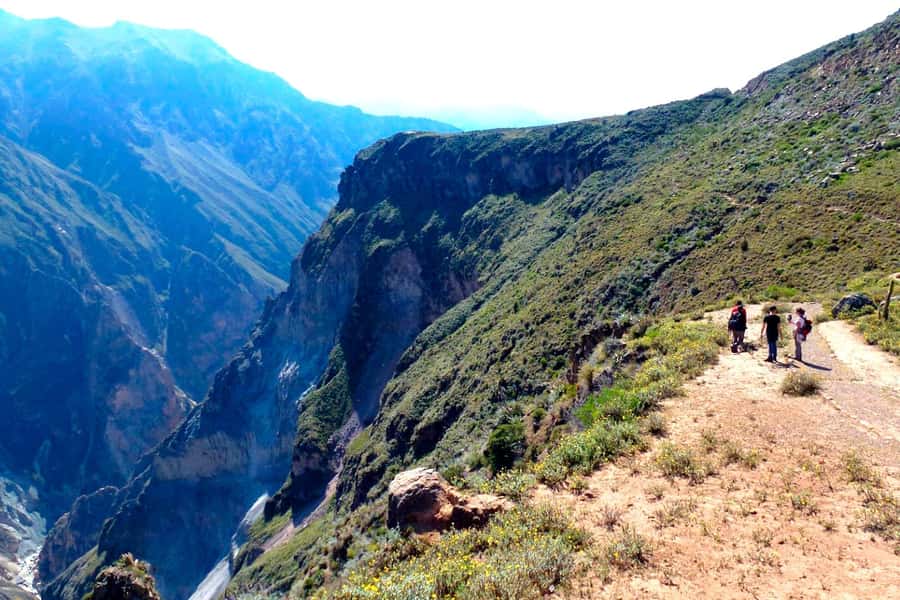
- Condors at Cruz del Cóndor (3,600 m): time for viewing and photos where the wind does most of the work.
- Descent to San Juan de Chuccho: a long walk through the canyon that ends with lunch hosted by a local family.
- Sangalle Oasis night: pool time plus a chance to slow down while you’re already deep in the Colca.
- Sunrise climb on day two: you’ll head upward early enough to catch the first light over the canyon.
- Thermal baths in Chivay area: a practical recovery stop after hiking.
Why the Colca Canyon Trek Feels Different From a Viewpoint Day
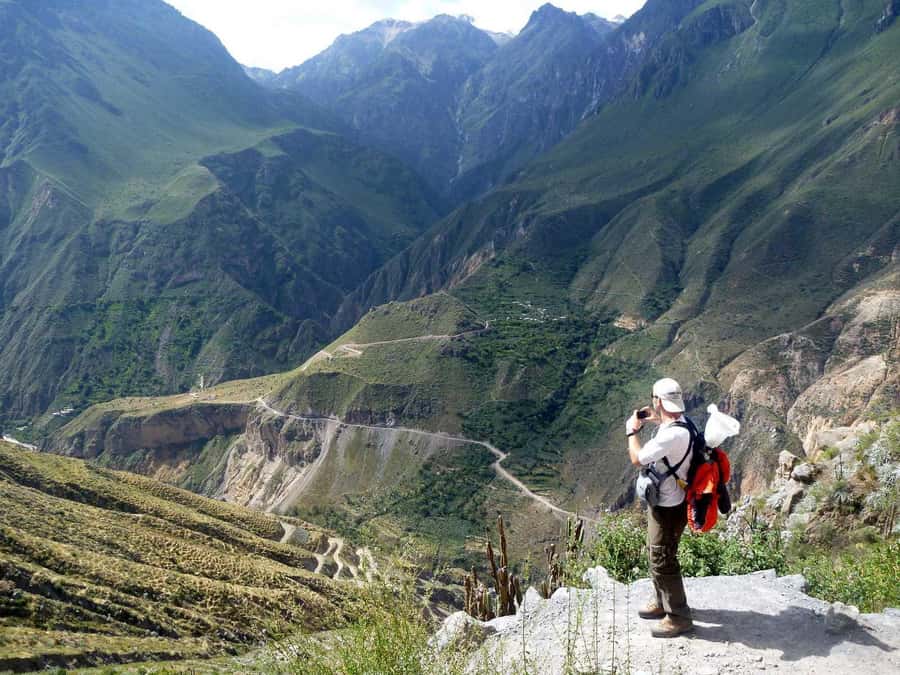
The big win here is simple: you go beyond the “stop, look, leave” routine. The Colca Canyon is the second deepest canyon in the world, and when you’re walking along its edges and down toward the bottom, the scale changes. From the viewpoints, it’s impressive. On foot, it becomes real.
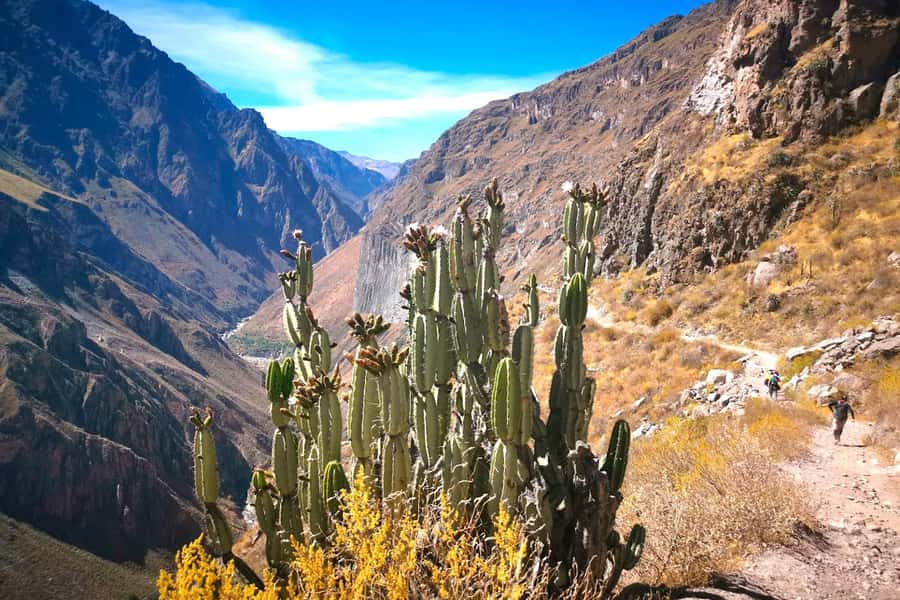
You also get more than one kind of scenery. You’ll see the canyon depth, canyon flora and fauna, and the Andean terrace work associated with local communities (including the Collaguas). That matters because terraces aren’t just pretty patterns—they’re proof of how people have lived and farmed these slopes for generations.
And yes, the condors are the headline. But the trek makes them feel earned. By the time you’re waiting at Cruz del Cóndor, you’ve already earned a better understanding of why birds can command the sky here.
The 3 a.m. Arequipa Start: What the Morning Commute Actually Means
Pickup starts at 03:00 from your hotel in Arequipa. That’s early enough that you’ll feel like the day is already running without you. The payoff is that you’re traveling while the region is waking up, then setting yourself up to see key spots on schedule.
You’ll ride by van for hours toward Chivay, with breakfast included once you arrive. This matters because the trek starts fast and doesn’t waste time. You’re not arriving to slowly warm up. You’re arriving ready to hike.
It also means you should handle your sleep like an adult plan, not a hope-and-pray plan. Bring a warm layer for the van and for early morning stops, and don’t assume you’ll feel great just because the day is exciting.
Crossing the Condor Stage at Cruz del Cóndor (and How to Use Your Time)
Cruz del Cóndor is at about 3,600 m. You’ll spend roughly 40 to 50 minutes there. That’s a good chunk of time for a viewpoint stop, because condors aren’t on a timer. Wind and conditions matter, and the group doesn’t move until you’ve had a fair chance to watch.
This is the moment to slow down. If you rush, you’ll miss the setup: how the birds glide and pivot, how they time their moves, and how they use the thermal lift. With the higher viewpoint angle, photography helps, but observation helps more. Don’t only shoot. Watch for patterns.
Also, pack for chilly altitude air even if the region later warms up. A hat helps, sunscreen matters, and your camera battery may drain faster at elevation.
The Long Descent: Cabanaconde to San Juan de Chuccho
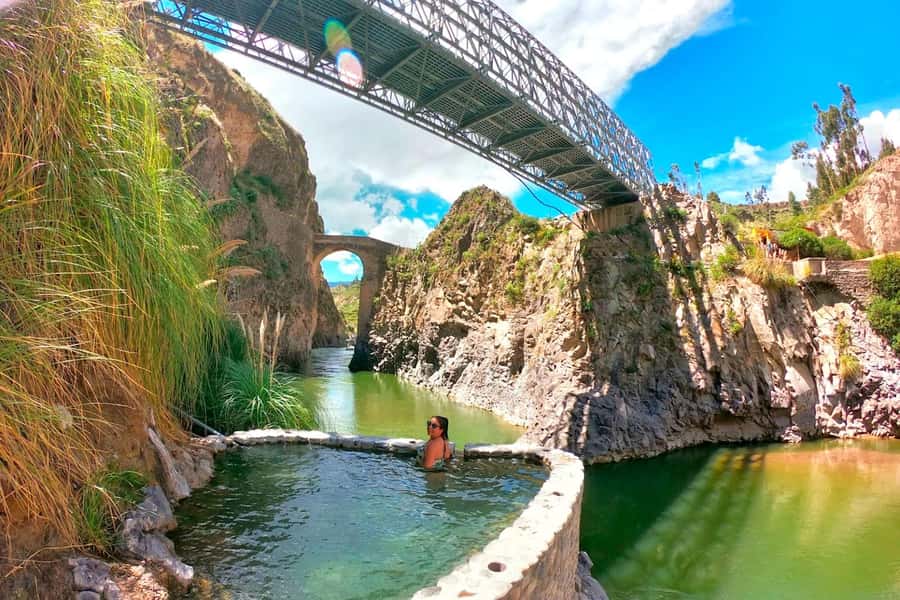
The day-one hike is built around a big descent. After a break in Cabanaconde, you’ll start down into the canyon. The route is described as steep and uneven, so your pace matters more than your speed. You’ll be surrounded by canyon views, plus flora and fauna along the way, which makes the walk feel like more than just a workout.
After about three hours of descending, you’ll cross a bridge to reach San Juan de Chuccho at around 2,230 m. Then lunch happens with a local family. That part is more than a meal stop. It gives you context. The canyon isn’t empty wilderness. It’s a working region tied to community life.
What can trip people up here is heat and dehydration risk. Even if the morning feels okay, the canyon sun can get intense. Bring your own snacks and sip water steadily. Don’t save everything for later and then try to cram energy at the first break.
Lunch With a Local Family: Why This Stop Matters
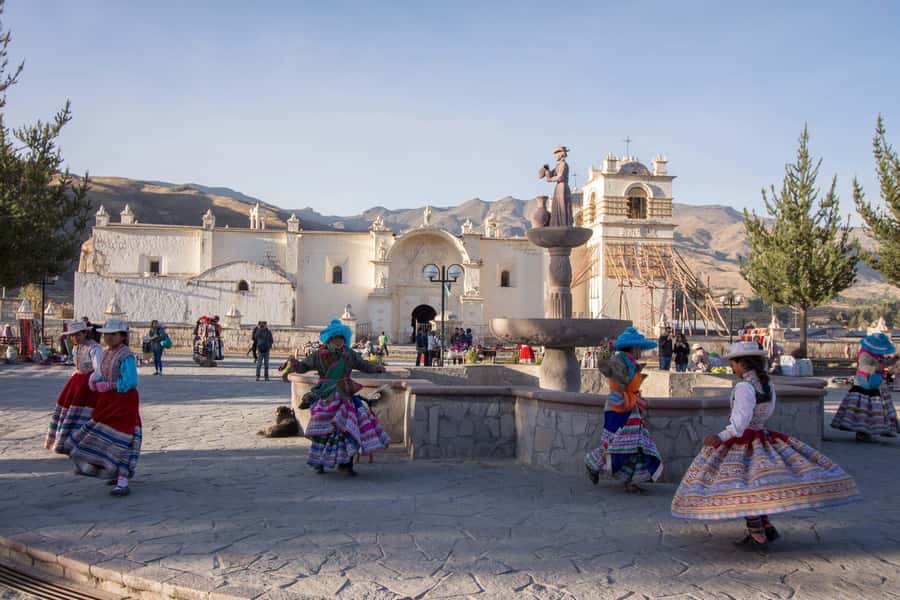
I like local-family lunch stops for one reason: they make the trek human-scale. You’re still in “big nature” territory, but you’re eating with people connected to the land you just walked through.
The tour includes lunch at their home, and that’s a meaningful change from the usual packed-snack rhythm. You’ll sit, eat, and rest long enough to reset. It also helps if you’ve been moving carefully during the descent and your legs feel like they’ve already filed a complaint.
One practical note: if you’re picky about meal timing, you’ll want to eat what’s offered and stay flexible. Your energy levels will do better when you’re not second-guessing the schedule.
Sangalle Oasis Overnight: Pools, Rest, and Reality-Check Lodging
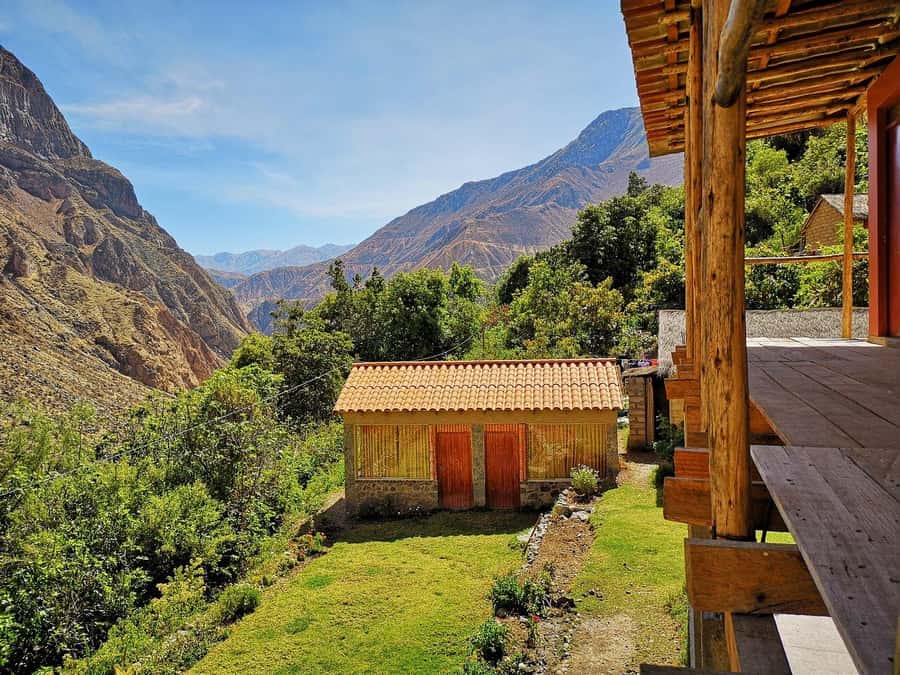
After lunch, you keep walking for several more hours toward Sangalle Oasis (around 1,900 m). This is where the trek slows down from “survival pace” into “finally there.”
Sangalle is known for its natural pools, and you’ll have time to relax and enjoy them. A swim stop during recovery time is a gift. Cold water—or just cool pool time—can help your legs stop feeling like hot sandpaper.
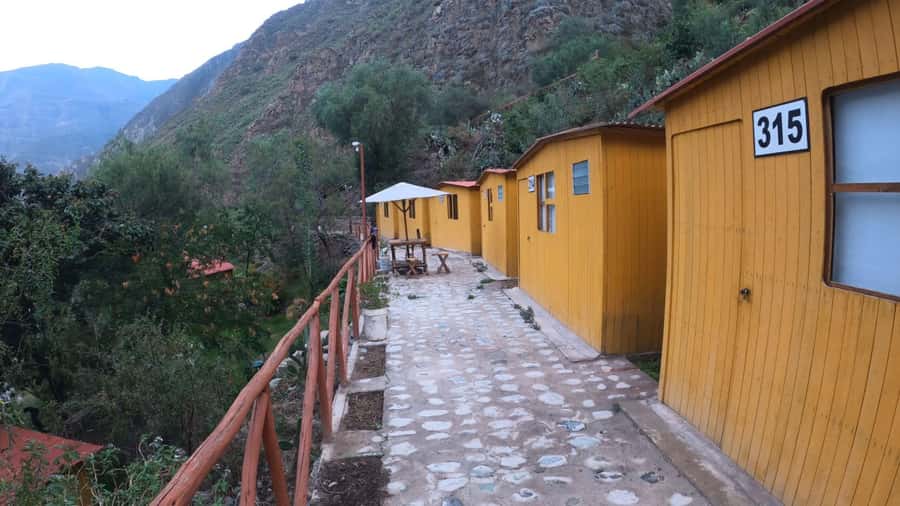
The one thing to be ready for is lodging quality. This is part of why the overall cost is low. Some guests found the accommodation basic, including cases where rooms didn’t have attached toilets, bathrooms, or outlets. That doesn’t ruin the trek, but it does mean you should pack like you’re staying somewhere simple: plan on basic facilities, and keep expectations realistic.
If you’re hoping for a “hotel in the canyon” vibe, adjust now. If you’re here for views and hiking, Sangalle does its job.
Day Two Sunrise Climb: The Part That Separates Casual From Committed
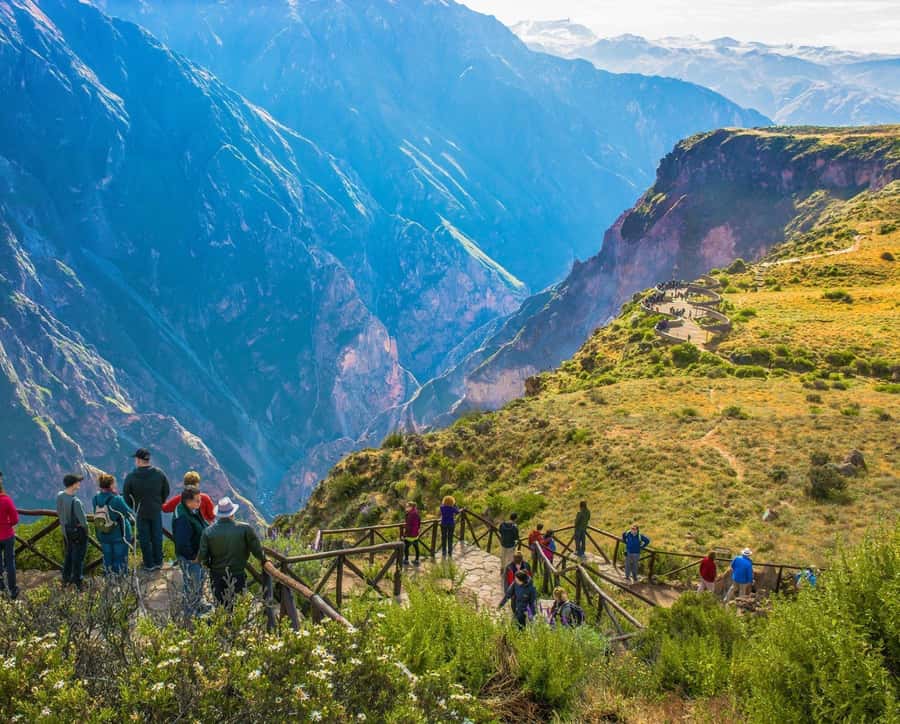
Day two starts very early. You’ll begin the climb at night and hike for about 3 to 4 hours up toward the highest part of the canyon. The big payoff is sunrise: you’ll see dawn roll in as you climb, and the whole canyon lights up.
This is the leg-day finale. If day one made you feel your quads, day two will confirm it. Go slow. Keep your breathing controlled. Sunrise makes it feel poetic, but your body still needs steady effort.
A heads-up that can matter for comfort: breakfast comes after you reach higher ground near Cabanaconde, not at the exact moment you finish the steepest segment. One useful move is bringing extra snacks for the second-day ascent—small fuel, not big meals.
Also, bring a headlamp. Starting in the dark is real here, and a hands-free light helps you watch your footing. Some past hikers also suggested carrying toilet paper, which is practical on multi-day treks where facilities can be limited.
Antahuilque Terraces and Thermal Baths: Recovery With Scenery Attached
After the ascent and breakfast, you’ll take transport and visit viewpoints at Antahuilque. This is where you’ll see cultivation terraces from up top—another reminder that this canyon is shaped by people, not just erosion.
Then there are thermal baths in the area, with time to relax and recover from the trek. The tour notes that the hot spring entrance may cost extra, so you’ll want cash or budget for it. Either way, this soak is the reset button before the longer return.
This stop is valuable because it’s timed for real recovery. Your muscles will be tight. A warm bath helps you feel human again before the long van ride back.
Returning to Arequipa: Volcano Viewpoints and Small Village Stops
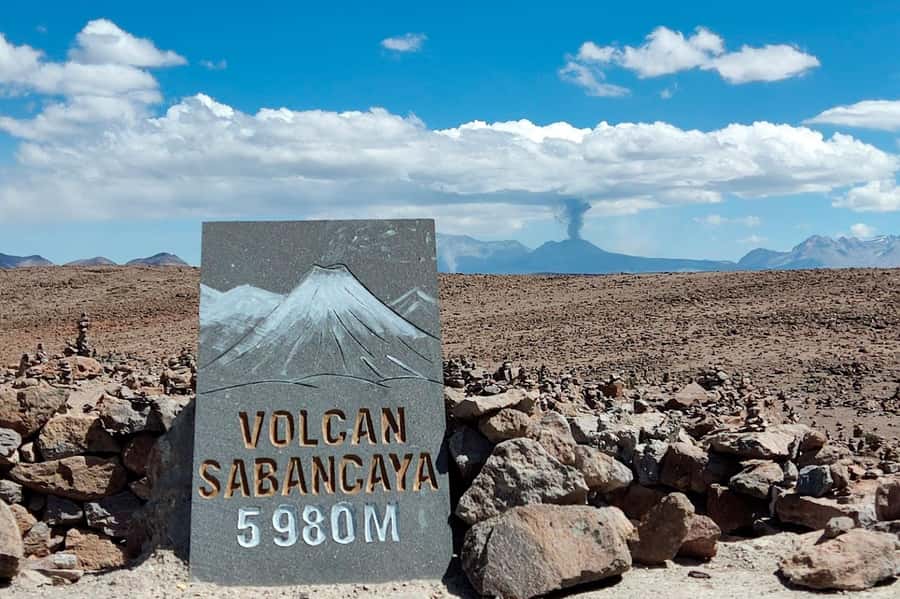
Your return route includes a photo stop at a volcano viewpoint around 4,190 m. This is another altitude moment, so you may feel cooler and windier. Photo stops are short by nature, but they’re useful for breaking up the long travel back.
There’s also a traditional village break where the group does a quick guided tour. It’s not a big cultural museum moment; it’s more like a chance to see how life continues around the canyon region beyond the hiking trail.
Then you roll back into Arequipa, finishing around 17:30 in the city center (with the final drop near Av La Marina).
Price and Value: The $21 Base Cost vs the Cash You’ll Need
The headline price is listed as about $21 per person, and that sounds like a steal for a two-day trek with round-trip transport and a bilingual guide. But here’s the reality check: you also need to pay about $90 (or 320 soles) in cash at the start of the tour to cover food, lodging, and an entrance ticket.
Optional hot spring entrance can also add around $5 (or 15 soles). So your actual all-in cost is higher than the advertised base price.
Still, the value can be strong if you want:
- round-trip van transport from Arequipa,
- a guide in English and Spanish,
- a structured trek with an overnight at Sangalle,
- and planned viewpoint time for condors and major canyon moments.
What you should watch for is this: cheap doesn’t mean easy. The trek’s difficulty is the main “hidden cost” in terms of energy, planning, and preparation.
Packing and Pacing: How to Avoid the Common Mistakes
This trek is steep, uneven, and heat can be a factor. Plan like you’re responsible for your own comfort, because the tour gives you structure, not magic.
Bring:
- comfortable trekking shoes,
- a hat,
- sunscreen,
- water (you’ll want enough between breaks),
- snacks,
- a camera.
If you tend to get cold at altitude mornings, add a warm layer for dawn and early viewpoints. And because the second day starts at night, a headlamp is a smart call.
Safety matters here. Some hikers have flagged that parts of the route can feel exposed. If heights make you nervous, take that seriously. The tour is not suitable for vertigo or mobility impairments, and it may not work for people with back problems.
Finally, pace yourself. One reason people feel overwhelmed is trying to match someone else’s rhythm. If you’re not an experienced hiker, take your time, especially during descents and the long ascent on day two.
Who This Trek Suits Best (and Who Should Skip It)
This tour fits you if you want real hiking through the Colca Canyon, not just a scenic drive. It’s ideal for travelers who like sunrise moments, condor spotting, and the satisfaction of reaching the canyon bottom (then climbing back up).
It may not be a great match if you:
- have low fitness or want flat walking,
- get uncomfortable with heights or exposed terrain,
- need mobility accommodations,
- or have back issues.
It’s also best if you like small-group energy. The group is capped at 18, which can make things feel more manageable than big bus tours. You’ll still be hiking together, so having a guide helps keep everyone moving and informed.
Should You Book This 2-Day Colca Canyon Hike?
Book it if you’re excited by the combo of Cruz del Cóndor, canyon walking, and a canyon-night at Sangalle, plus you’re willing to work for it with real physical effort. The condor viewing time and the local-family lunch are strong reasons to choose this trek over “viewpoint only” alternatives.
Skip it (or pick something easier) if you want a gentler pace or you know steep, uneven terrain will stress you out. Also consider that lodging is basic at Sangalle, and you’ll need to manage your own comfort with the right gear.
If you do book, go in prepared: bring a headlamp, pack snacks for the second-day climb, and respect the fact that the tour includes steep walking and altitude. Get that right, and you’ll come away with a canyon story that feels earned, not manufactured.
FAQ
What time does the tour start in Arequipa?
Pickup begins at 03:00 from your hotel in Arequipa. On the second day, the activity ends around 17:30 in the Arequipa city center.
How many people are in the group, and what languages are used?
The tour runs in a small group limited to 18 participants. Guides provide support in English and Spanish.
What’s included, and what costs extra?
Included: round-trip tourist transport Arequipa–Colca–Arequipa and a professional guide (English and Spanish). Not included: you must pay about $90 (320 soles) in cash at the start of the tour for food, lodging, and an entrance ticket.
Do I have to pay extra for the hot springs?
There is an optional hot spring entrance that may cost about $5 (15 soles). The tour includes a hot spring/thermal baths stop, but the entrance itself may not be included.
What should I bring for the trek?
Bring comfortable shoes, a hat, a camera, snacks, sunscreen, and water. The trek involves steep and uneven paths, so good footwear and enough water are especially important.
Can I cancel for a full refund?
Yes. The tour offers free cancellation up to 24 hours in advance for a full refund.