REVIEW · BANYUWANGI
Banyuwangi: Mt. Ijen Sunrise Hike with Pickup & Health Check
Book on GetYourGuide →Operated by Jogja Borobudur Tour & Travel · Bookable on GetYourGuide
The mountain moves you at midnight. An Ijen sunrise hike turns early darkness into a crater-rim payoff you can actually feel. You get guided access to the Ijen Volcano, plus the chance to see the largest acid lake on Java waking up under sunrise light.
I love two things most: the practical gear (you’re handed a gas mask and a headlamp) and the human side of Ijen. Miners carrying sulfur rock are part of the scene, not a staged photo moment. One consideration: the climb is moderately challenging, and this trip is not suitable if you have heart problems or respiratory issues.
Key Points You’ll Care About
- Gas mask and headlamp included, so you’re not improvising in the dark
- Midnight pickup from Banyuwangi and a return around 8:30 AM
- 1.5-hour climb paced by a hiking guide in a small group
- Sunrise over the acid lake plus time on the crater rim for views
- Blue fire is possible but not guaranteed, so plan for a luck-based moment
- Guides matter: Rafi, Suleman, and KimKim are singled out for friendliness, motivation, and respect for the site
In This Review
- Midnight Pickup From Banyuwangi: The Real Start of the Day
- The Van Ride: Small Group Energy and a 1-Hour Stretch
- The 1.5-Hour Ascent: Headlamp, Warm Clothes, and Smart Breaks
- Reaching the Rim: Sunrise Over the Acid Lake and the Miners You Came For
- Blue Fire at Ijen: How to Chase It Without Getting Burned (By Reality)
- Gear That Makes the Difference: Gas Mask, Headlamp, and Entry Fee
- Getting Back to Banyuwangi by 8:30: The Descent and a Full Reset
- Price and Value: Is $25 Worth It for Ijen Sunrise?
- Who This Trip Suits (and Who Should Skip It)
- Should You Book the Banyuwangi Mt. Ijen Sunrise Hike?
- FAQ
- How long is the Mt. Ijen sunrise hike tour?
- Where does pickup happen?
- Do I get dropped off back at my hotel?
- Is the blue fire guaranteed?
- What gear is included for the hike?
- What should I wear or bring?
- How challenging is the hike?
- Is there a guide, and what language do they speak?
- Is this tour safe for everyone?
Midnight Pickup From Banyuwangi: The Real Start of the Day
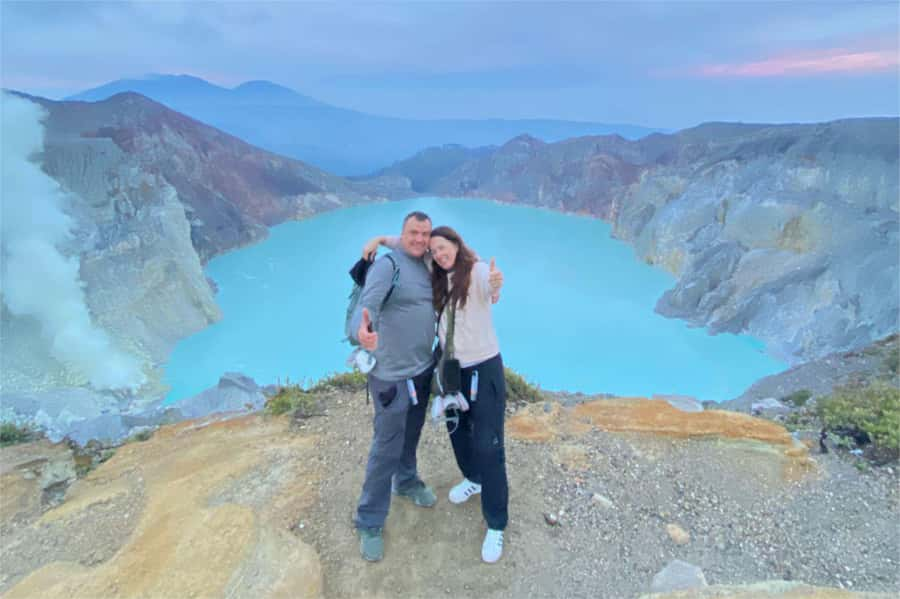
Your tour day begins in the middle of the night. You’ll get hotel pickup within Banyuwangi city, then head toward the Ijen area before the sky fully wakes. It sounds intense on paper. In practice, it’s what makes sunrise possible without rushing or missing the good light.
This kind of start also changes your mindset. You’re climbing while the world is still quiet. Then, slowly, the crater starts to feel like a destination instead of just a point on a map.
If you’re the type who hates being rushed, you’ll still appreciate the schedule here. You’re not scrambling for transportation or trying to figure out timing. You can focus on one goal: getting to the rim in time.
The Van Ride: Small Group Energy and a 1-Hour Stretch
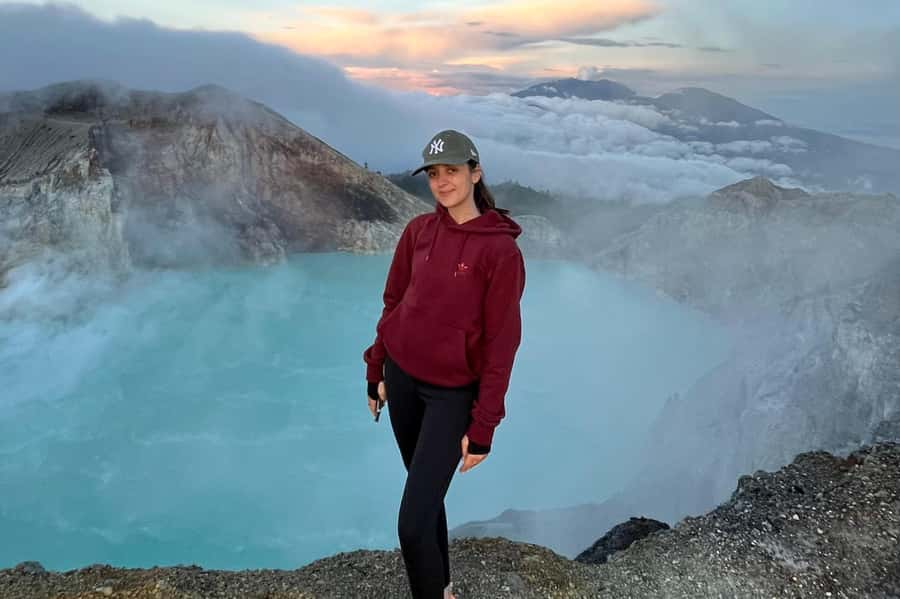
After pickup, there’s about an hour in the van. This isn’t just transit time. It’s where you get sorted for the hike: you meet your live English guide, you get briefed, and you settle your layers.
Group size is a big deal on Ijen. The tour runs as a small group or private option, and that pacing helps on a steep, early-morning climb. You’re not stuck with a massive pack moving at one slow speed for everyone.
I’d treat the van ride as your last chance to get comfortable. Keep your warm clothing close. You’ll thank yourself when the air starts biting near the volcano.
The 1.5-Hour Ascent: Headlamp, Warm Clothes, and Smart Breaks
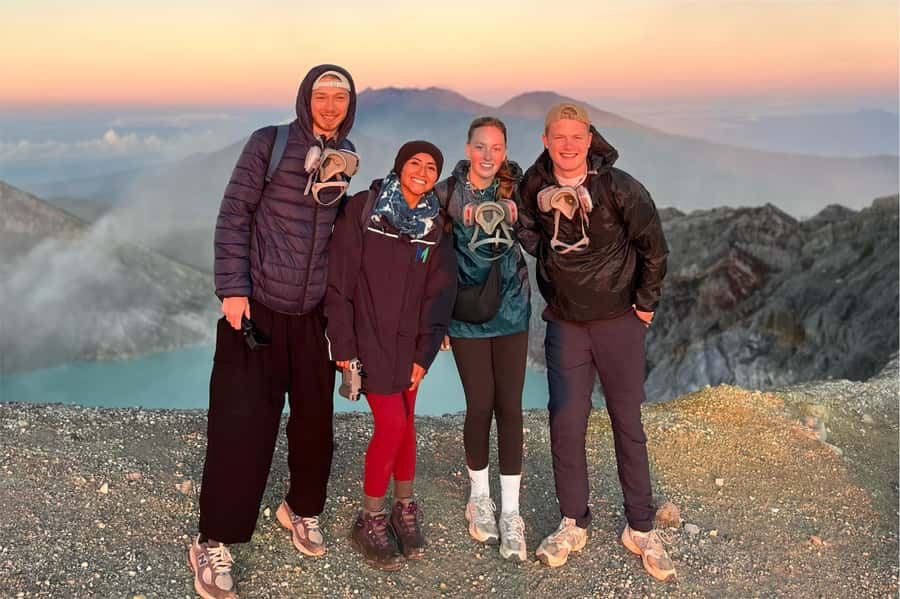
The hike to the summit takes about 1.5 hours. The pace is guided, and this matters because the terrain is uphill for a while. The climb is listed as moderately challenging, and the tour isn’t built for anyone who struggles with sustained effort.
You’ll be using the included headlamp, and that changes everything. It keeps you steady on the path and reduces the risk of tripping when it’s still dark. With a headlamp, you can focus on footing instead of fighting the dark.
Bring comfortable shoes that grip. Even if you’re an experienced hiker, boots you trust matter on volcanic trails. And wear warm clothing. The tour notes temperatures can be quite low, and at midnight-to-dawn, that’s not a “maybe” detail.
From what I’ve seen with guides on this route, the best ones also manage the group with breaks. Names like Suleman and KimKim come up for pushing the team in a supportive way and keeping everyone together. That kind of guidance helps when you’re tired before sunrise.
Reaching the Rim: Sunrise Over the Acid Lake and the Miners You Came For
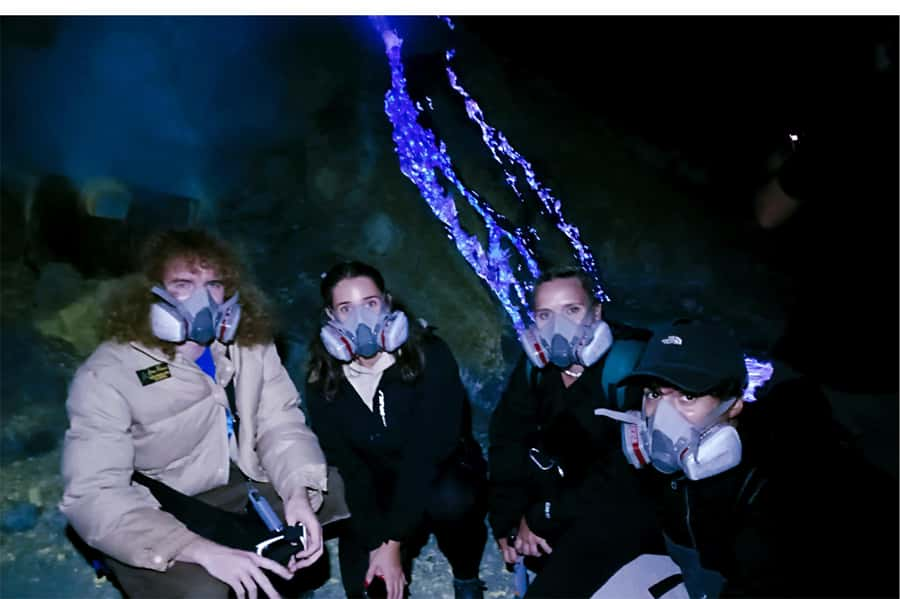
Once you arrive at Ijen, the experience turns scenic and real fast. You get time on the crater side to catch views and take in the big moment: sunrise over the largest acid lake on Java.
What makes this special is the combination of scale and daily labor. You’ll see local miners carrying sulfur rock, and it’s part of their routine. The best guides explain what you’re looking at and how workers move in harsh conditions, without turning it into spectacle.
There’s also a sightseeing block on the crater area. You’ll spend about 1 hour taking in the views and getting oriented, then you’ll continue on foot for another stretch (about 1 hour) to see more of the crater surroundings and how the site is laid out.
The crater rim can feel exposed. Take your time. Stand where you can see without blocking others. Keep your breathing steady. Sunrise photos are great, but don’t let the camera slow you into ignoring your body.
Blue Fire at Ijen: How to Chase It Without Getting Burned (By Reality)
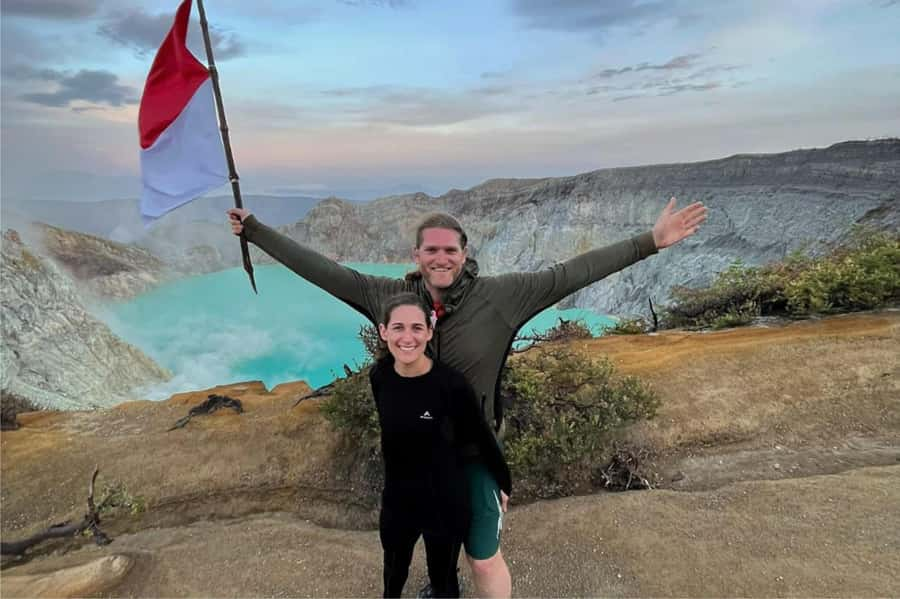
One of the big reasons people do this hike is the chance to see the famous blue fire. The trip description is clear: this is only on a clear lucky day, and it’s not guaranteed.
That’s actually the healthiest mindset to have. You’re going for the sunrise and the crater, with blue fire as the bonus. When it happens, it’s memorable. When it doesn’t, you still get the acid lake views and the volcanic scene.
If your guide is KimKim, you may get a little extra comfort at the crater. In one standout case, he sat the group around the crater and shared hot coffee or tea he carried. That kind of gesture doesn’t change the mountain, but it helps you warm up after the climb and makes the waiting feel more human.
Also: listen to what you’re told about the safety gear. The tour includes a gas mask, and that’s there for a reason around sulfur fumes.
Gear That Makes the Difference: Gas Mask, Headlamp, and Entry Fee
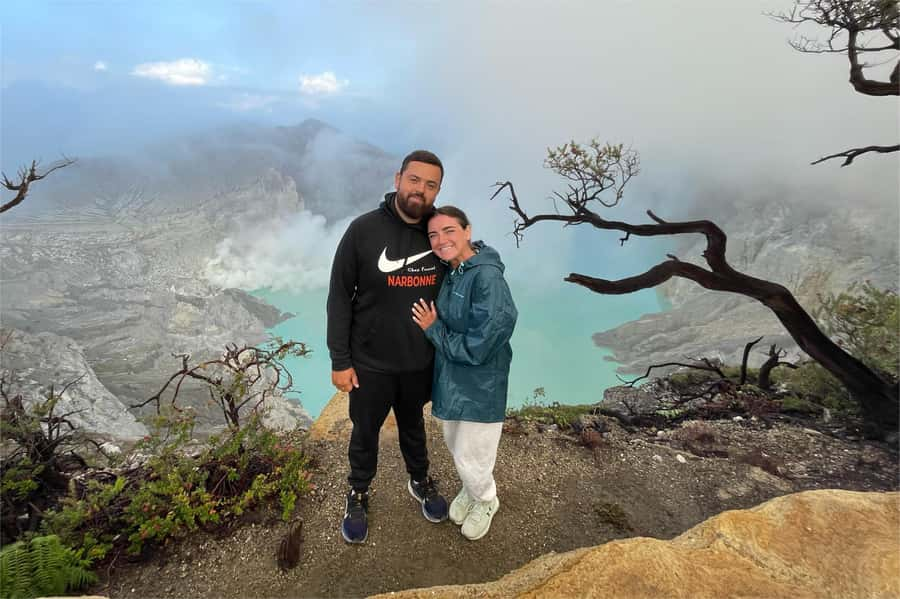
This is one of those trips where “included” isn’t fluff. It saves you hassle and makes the experience safer and easier.
You’ll have:
- Gas mask (for volcanic fumes in the crater area)
- Headlamp (for the dark climb)
- Entry fee
- Hiking guide
- Health check certificate
The health check certificate is a small but meaningful detail. It signals that your group gets assessed before you head into a physically demanding setting. You should still judge yourself honestly. If you have any conditions listed as a concern, don’t treat this as a casual walk.
What you should bring:
- Comfortable shoes
- Warm clothing
- Passport (a copy is accepted)
It’s a good idea to wear layers you can adjust. The temperature shift from midnight to sunrise can be dramatic.
Getting Back to Banyuwangi by 8:30: The Descent and a Full Reset
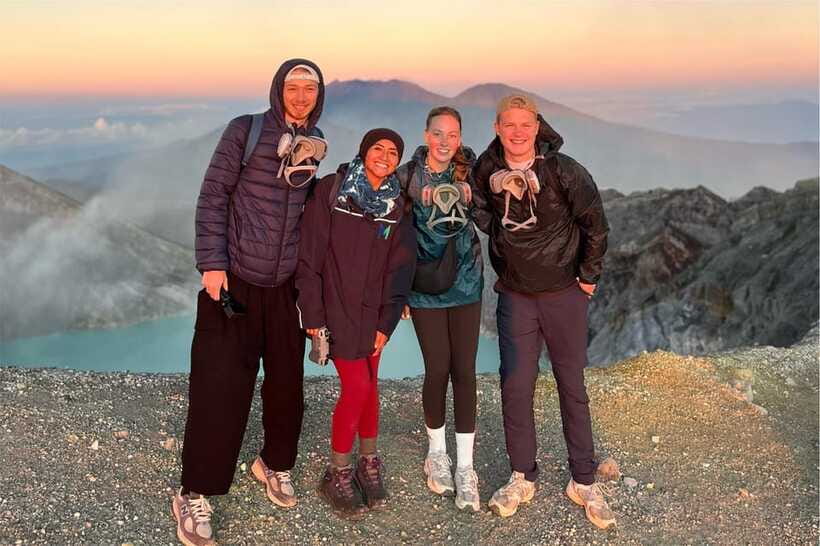
After you’ve spent time at the crater and sights, you trek back down to the parking lot. The route then switches back to transport, with about 1.5 hours in the van.
The payoff is timing. You’ll be returned to your hotel in Banyuwangi roughly by 8:30 AM. That’s a gift. Most volcano mornings steal half your day. This one gives you your afternoon for exploring Banyuwangi, eating well, or just recovering without losing daylight.
One thing to remember: the descent can still be demanding on legs and knees, even if the hardest effort is the climb up. Take the downhill carefully. Use your shoes and don’t rush for photos.
Price and Value: Is $25 Worth It for Ijen Sunrise?
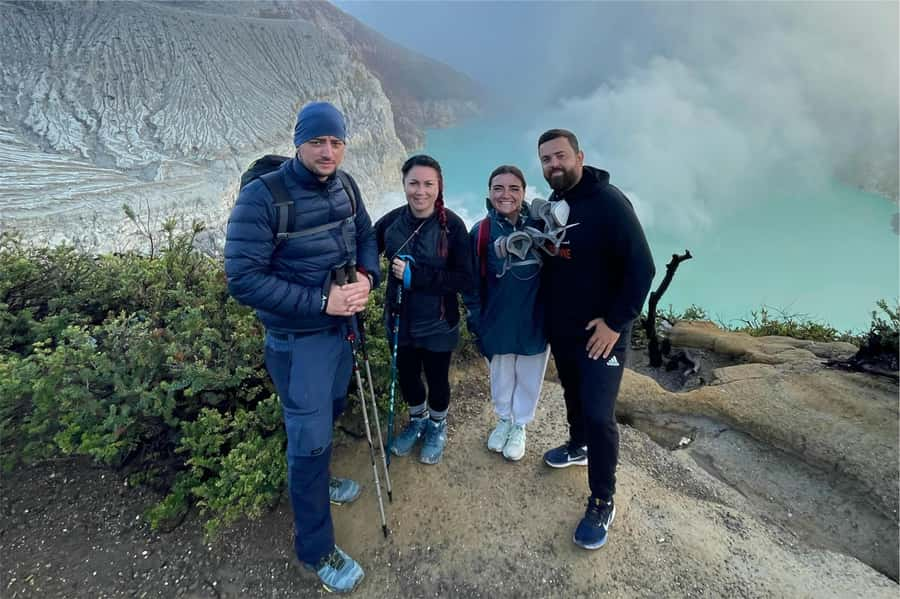
At $25 per person, this tour is priced for real accessibility. It’s not trying to be a luxury experience with a long list of extras. Instead, the value comes from the basics done well: pickup and drop-off, a guide, and safety gear.
For me, the best value points are:
- You don’t have to solve nighttime transport on your own
- You get the required gear (headlamp and gas mask)
- You’re paying for guided timing so you’re in the right place for sunrise
- You’re paying for access to the crater area via entry fee and a structured plan
Yes, you’re still doing a hike that’s moderately challenging. But for the cost and the included essentials, it’s a practical deal.
If you prefer DIY travel, you might find other ways to reach Ijen. But if you want low stress and a clear schedule with safety gear handled, this price looks fair.
Who This Trip Suits (and Who Should Skip It)
This is a hike, not a scenic stroll. It’s described as moderately challenging, and it’s not suitable for people with heart problems or respiratory issues. That’s an important boundary, and it’s worth taking seriously.
This trip fits best if you:
- Are comfortable hiking early and in the cold
- Want sunrise at Ijen, not just daytime views
- Like guided explanations of what you’re seeing
- Don’t need a guaranteed blue-fire spectacle to still be happy
It may not fit you if:
- You can’t handle sustained uphill effort
- You have breathing limitations or heart conditions
- You get anxious with low visibility and uneven paths (even with a headlamp)
The guide experience seems to make a difference here. In multiple strong accounts, people highlight guides like Suleman and KimKim for keeping the group moving together, motivating during the tougher parts, and staying respectful of the workers and the site.
Should You Book the Banyuwangi Mt. Ijen Sunrise Hike?
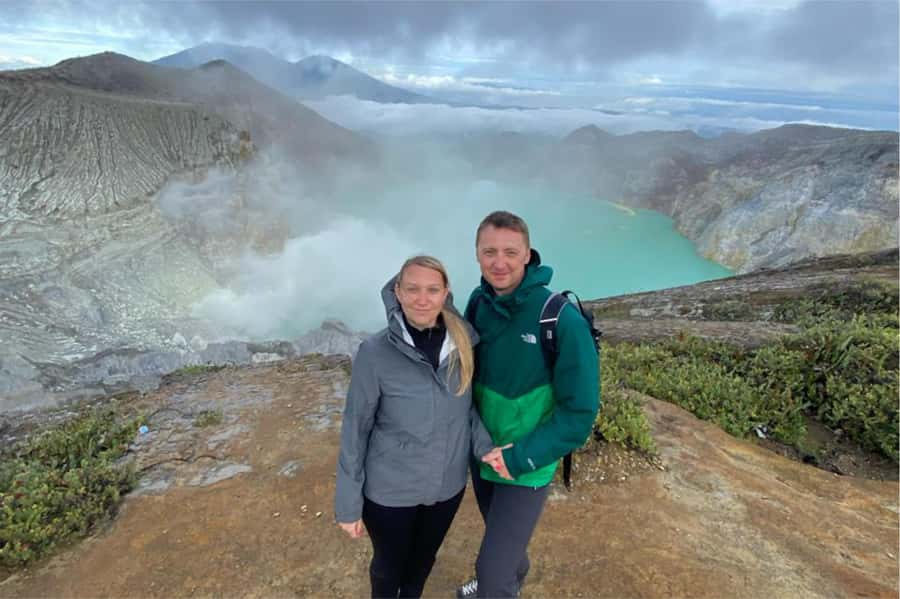
I’d book it if your top goal is an early, guided run up to the crater for sunrise, with gas mask + headlamp provided and pickup handled. The schedule is built to get you back by around 8:30, which is a rare win for a volcano morning.
Skip it if you’re in the risk groups listed (heart or respiratory issues) or if you’re not comfortable with a moderately challenging hike in very early hours.
One more practical note: go in with flexible expectations about the blue fire. Treat it like a bonus, not the main mission. If you do that, the sunrise over the acid lake and the view of sulfur miners at work are enough to make the early alarm worth it.
FAQ
How long is the Mt. Ijen sunrise hike tour?
The duration is listed as 8 hours, though starting times vary based on availability.
Where does pickup happen?
Pickup is included from any location within Banyuwangi city, with two pickup location options noted in Banyuwangi Regency.
Do I get dropped off back at my hotel?
Yes. Drop-off is included at Banyuwangi Regency / Banyuwangi, Indonesia.
Is the blue fire guaranteed?
No. You may have a chance to see the blue flames on a clear lucky day, but it is not guaranteed.
What gear is included for the hike?
The tour includes a gas mask and a headlamp.
What should I wear or bring?
Bring comfortable shoes and warm clothing. You should also bring your passport, and a copy is accepted.
How challenging is the hike?
The hike to Ijen is described as moderately challenging and requires a good level of fitness.
Is there a guide, and what language do they speak?
Yes, there is a live hiking guide, and the tour is listed as English.
Is this tour safe for everyone?
It is specifically noted as not suitable for people with heart problems or respiratory issues.