REVIEW · MENDOZA
Andes Day Hiking Tour Experience
Book on Viator →Operated by Andes Vertical · Bookable on Viator
Your knees will remember this day.
This Andes summit hike from Mendoza packs serious mountain scenery into about 8 hours, taking you up toward Lomas Blancas in the Cordon del Plata. I especially like the small-group feel (max 8) and the way the day blends effort with reward, from the drive views to the summit panorama. One thing to think about up front: the descent can be tough on knees, with loose gravel that asks for careful footing.
What makes this tour work well is the human side. You’ll hike with a professional bilingual guide, and the guides I’ve heard about from prior groups (like Augustine and Cristina) tend to stay friendly and engaged while also keeping an eye on pace. If you’re worried about altitude or you’re not a super-fast hiker, you’ll also be glad the guide has experience managing different speeds so the day stays enjoyable for everyone.
Finally, let’s be honest about the altitude. You’re headed to about 3,650 m / 11,975 ft, so you’ll want a moderate fitness level and a “steady does it” mindset. The climb is described as moderate overall, but the mountain doesn’t care about confidence. Slow, consistent steps win.
In This Review
- Key Things to Know Before You Go
- A Day in Mendoza’s Andes: What Lomas Blancas Adds to Your Trip
- Getting There: Private Pickup That Keeps the Morning Stress Low
- The Hike Plan: Climb Toward the Summit, Then Take the Descent Seriously
- What the climb tends to feel like
- What the summit moment gives you
- The descent is often the hardest part
- Guide Detail: How Learning Happens Without Slowing You Down
- What You Might See: Peaks, Valleys, and Animals at Altitude
- Gear and Clothing: What to Bring for a Knee-Friendly (and Weather-Smart) Day
- Fitness Level: Who This Tour Suits (and Who Might Need a Plan B)
- Price and Value: What You’re Really Paying For at $190
- Should You Book This Andes Day Hike to Lomas Blancas?
- FAQ
- Is hotel pickup included?
- What time does the hike start?
- How long is the tour?
- What’s included in the price?
- What is not included?
- How physically demanding is it?
- What’s the group size?
- Do I need to bring my own water?
- What should I pack for weather and altitude?
- Can I cancel for a refund?
Key Things to Know Before You Go
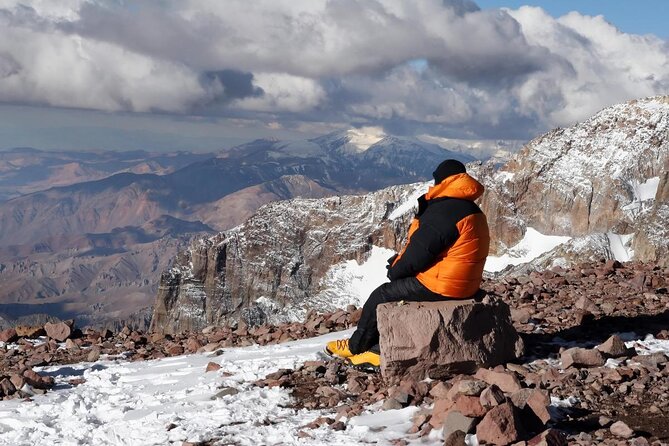
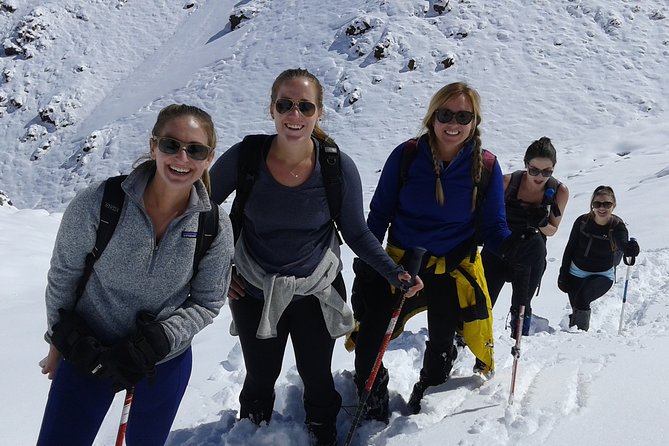
- Small group (up to 8 hikers): you get more attention and a better chance to hike at a pace that fits you.
- Private round-trip transport from Mendoza hotels: it saves time and keeps the day moving smoothly.
- Walking poles included: helpful for a sustained uphill and especially for a rocky, knee-taxing descent.
- Summit views at Lomas Blancas: you’re there for the wide Andes panorama from the Cordon del Plata.
- Downhill is the challenge: loose gravel and uneven ground mean slow steps and good boots matter.
- Altitude check: you’ll reach around 3,650 m, so take breaks, drink water, and don’t sprint uphill.
A Day in Mendoza’s Andes: What Lomas Blancas Adds to Your Trip
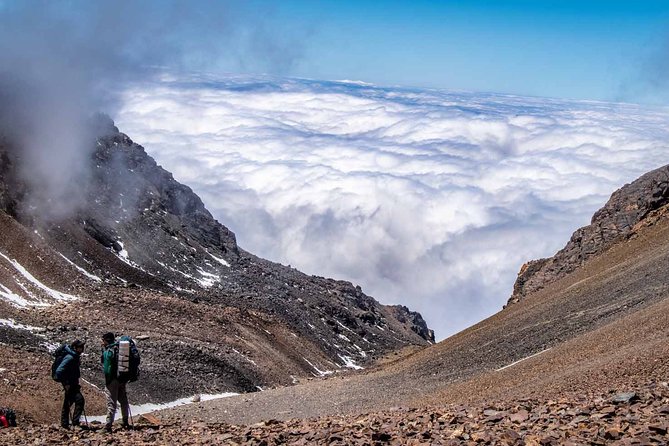
If your Mendoza trip feels like it’s all about wine, this kind of hike is a perfect counterbalance. You go from city life to high-altitude mountain air in one day, and you get a real summit-style goal without needing a multi-day trek. The vibe is part training, part sightseeing. You work for it, then you get the payoff.
Lomas Blancas sits in the Cordon del Plata, and the route is designed to give you a taste of trekking at elevation. The key detail for planning is the altitude number: you’re aiming for a high point around 3,650 m (11,975 ft). That means even if you’re fit, you’ll likely feel your breathing change. It’s not about fitness only; it’s about altitude adaptation too.
I like that the hike is framed as an introduction to mountain trekking. You’re climbing roughly 3,000 meters from the hiking start area to the peak goal, which is a big vertical effort for a single day. But the route is set up as a day hike, not a scrambling expedition. You should still plan for effort, just not technical rock moves.
Getting There: Private Pickup That Keeps the Morning Stress Low
This is one of the most practical tours in the area because it handles the drive for you. You get round-trip private transportation from your hotel in Mendoza town, and the day starts at 9:00 am. That matters. The Andes hike day is not the time to figure out buses, rematches with taxis, or where to meet.
The drive itself is part of the experience. People talk about how the Andes views on the way to the trailhead are incredible, so even if you’re itching to start hiking, take a few seconds to look out the window. In a lot of places, the journey is just getting you somewhere. Here, it’s scenery time too.
Also, private transport helps with group dynamics. If you’re traveling in a small group, everyone leaves together, everyone returns together, and you don’t lose the whole day to logistics.
The Hike Plan: Climb Toward the Summit, Then Take the Descent Seriously
The day is built around one big hiking focus: reaching the Mt Lomas Blancas high point in the Cordon del Plata range. Plan on about 8 hours total for the full experience, including time on the trail and the back-and-forth.
What the climb tends to feel like
On the uphill, the hike is described as moderate overall, with plenty of uphill time where you’ll feel altitude and stamina at once. The biggest trick is pacing. At high elevation, “feeling fine” can turn into “why is this hard?” faster than you expect.
You’ll take rests along the way, and you’ll likely stop for photos and water breaks. One practical reminder you can apply to your own plan: don’t linger too long at rests early on. If you stop and chat for too long, you can end up fighting the clock while still far from the peak.
What the summit moment gives you
When you get high enough, the view changes in a way you can’t fake with photos. From Lomas Blancas, you’re looking out over peaks and valleys, and people mention seeing features like the Poterillos dam from the broader valley view. You may also spot animals along the way. In prior groups, hikers reported things like guanacos and even a llama appearing unexpectedly at ground level. That sort of surprise is why you bring your camera, but also why you keep your eyes open.
The descent is often the hardest part
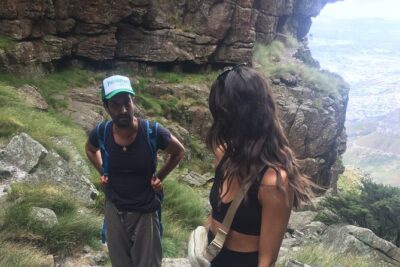
Here’s the consideration I’d put at the top of your personal packing checklist: the descent can be tough on knees. The ground can get loose and gravelly, and footing can feel less secure as you go down. People specifically warn about slipping on uneven stones, so treat the way down like a skill, not a victory lap.
If you have knee issues, plan to slow down earlier than you think you need. Use your trekking poles from the start of the descent, not only when you feel pain. And watch your step with extra care in the tricky sections.
Guide Detail: How Learning Happens Without Slowing You Down
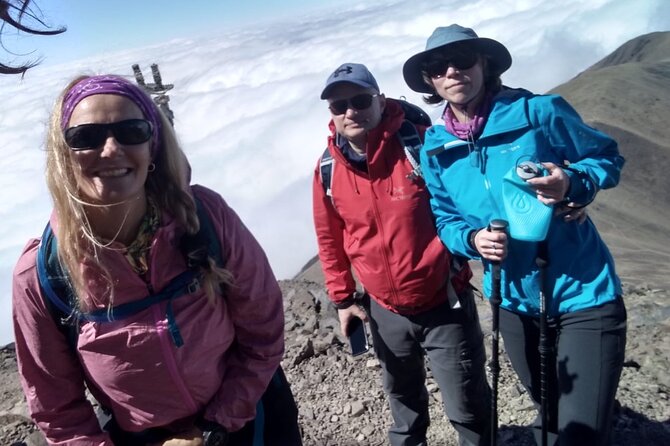
A good guide makes the difference between a tough day that feels miserable and a tough day that feels worthwhile. This tour includes a professional bilingual guide, and the best part is that the guide is there for more than direction.
You’ll get learning along the way. The tour experience is set up so you can learn about regional flora and fauna, which turns a climb into a walk with context. You’re not just counting switchbacks; you’re noticing what grows at elevation and what kinds of animals might show up in this mountain zone.
Group management is another underappreciated skill. In one account, there was a situation where some hikers were moving slower than the route pace. The guide handled it by making a plan so the faster hikers could continue toward the peak while slower hikers stayed back at a plateau area and the guide remained in sight. That kind of diplomacy matters. It keeps the day from becoming stressful for anyone.
Even the positive feedback includes one useful note: sometimes the guide support on harder stretches could be improved. That’s a reminder to advocate for yourself. If you need extra help for footing, say so early. The mountain will challenge you regardless, and you’ll feel better if you ask for guidance before you’re exhausted.
What You Might See: Peaks, Valleys, and Animals at Altitude
High-altitude trekking gives you views that feel bigger than your brain can process. The tour’s whole point is that you’ll see the Andes peaks and valleys from the summit area near Lomas Blancas.
But the “wow” doesn’t have to be only mountains. People reported wildlife sightings during the hike and around the trail area, including guanacos and a llama that was surprisingly present during the descent. There were also mentions of grazing animals and birds.
Two planning notes from those stories:
- Bring your eyes and your camera. Some animals show up near where you least expect them, not only in the far distance.
- Don’t assume every surface will be stable. If there are stream crossings, you’ll want footwear that handles wet or uneven ground.
Gear and Clothing: What to Bring for a Knee-Friendly (and Weather-Smart) Day
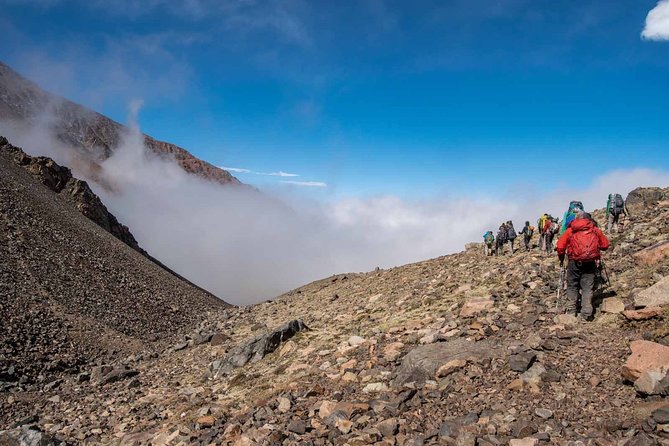
The tour recommends practical mountain clothing and a compact pack, and I agree with the logic. At elevation, weather shifts quickly. Wind can also make the hike feel harder than the same temperature back in town.
Here’s what you should plan to bring:
- Fleece jacket
- Waterproof or windproof jacket
- Trekking pants
- Sun hat
- Wool or fleece hat
- Sunglasses with 100% UV protection
- Trekking boots or solid hiking footwear
- 2 liters of water
- A 20K backpack max
A few gear tips that match real on-the-ground conditions:
- Skip lightweight sneakers. In at least one account, people advised no trainers because of uneven or wet crossings. Boots matter.
- Use the walking poles included in the tour. Even if you feel strong, poles reduce knee stress on the way down.
- Dress in layers. One account notes sunny conditions but not overly hot weather, which is exactly when layers save you. You can cool down quickly when you stop moving.
Also, be thoughtful with your phone use. You don’t need to rely on cell service for this day. If you do bring your phone, treat it like a camera and a safety backup, not a lifeline.
Fitness Level: Who This Tour Suits (and Who Might Need a Plan B)
This hike is for people with at least moderate physical fitness. The route involves sustained uphill climbing to high elevation and then a demanding descent. If you feel comfortable hiking for hours at home, you still need to respect altitude.
This is especially good for you if:
- You want a structured day trip into the Andes from Mendoza
- You’d like a guided introduction to trekking without committing to a multi-day expedition
- You are okay with moderate-to-difficult effort and can pace yourself
It might be a tougher fit if:
- You have knee problems or you’re not willing to move slowly on loose gravel descents
- You get winded easily at elevation and you don’t like adjusting your pace
- You expect a casual walk. This is work, just very rewarding work.
The good news: the tour is small-group sized, and the guide experience suggests they can manage pacing differences so the day remains workable for more people than you might think.
Price and Value: What You’re Really Paying For at $190
At $190 per person, you’re paying for more than the hike route. You’re buying a full package that includes:
- Round-trip private transportation from your Mendoza hotel area
- A professional bilingual guide
- Walking poles
- Admission ticket included
- A day that runs about 8 hours
So the value question becomes: do you want someone else to handle the transport, guide you at altitude, and equip you with trekking poles? If yes, $190 starts to look fair. If you already have boots, poles, and strong hiking skills and you’re comfortable figuring out routes and logistics on your own, you could theoretically reduce costs elsewhere. But you’d also be giving up the guided safety margin and the interpretive side (flora and fauna, plus real-time pacing management).
For many people visiting Mendoza, this is the sweet spot: you get a summit-style hike day without turning your trip into logistics homework.
Should You Book This Andes Day Hike to Lomas Blancas?
I’d book it if your dream Mendoza day includes big mountain views, you’re prepared for altitude, and you can handle a descent that takes knee care seriously. The tour’s strongest points are the small group size, the private transport, and the combination of effort plus scenery that makes it feel like a true summit accomplishment rather than a long scenic walk.
I would not book it if your knees are fragile or you’re looking for a gentle, low-stress hike. This day asks for steady hiking uphill and careful footing downhill. Bring boots, use the poles, and go slow early.
If you want one sentence to guide your decision: this is a great choice when you want a guided high-Andes day with a realistic workout and memorable views.
FAQ
Is hotel pickup included?
Yes. The tour includes round-trip private transportation from your hotel in Mendoza town.
What time does the hike start?
The experience start time is 9:00 am.
How long is the tour?
The duration is about 8 hours (approx.).
What’s included in the price?
Included: round-trip private transportation, a professional bilingual guide, and walking poles. The tour also includes an admission ticket.
What is not included?
Not included: lunch, personal gear, phone communications and personal items, insurance liability, and any ground or air evacuations, hospitalization, or medication.
How physically demanding is it?
The tour is for travelers with moderate physical fitness. It includes a climb to about 3,650 m and a descent that can feel challenging.
What’s the group size?
The tour has a maximum of 8 travelers.
Do I need to bring my own water?
Yes. The tour recommends bringing 2 liters of water.
What should I pack for weather and altitude?
They recommend: fleece jacket, waterproof or windproof jacket, trekking pants, sun hat, wool or fleece hat, 100% UV sunglasses, trekking boots or hiking footwear, and a backpack up to 20K.
Can I cancel for a refund?
Yes. Free cancellation is allowed if you cancel up to 24 hours in advance of the experience start time for a full refund.