REVIEW · ABISKO
Abisko: Photo Hike with Professional Photographer
Book on GetYourGuide →Operated by Explore Arctic · Bookable on GetYourGuide
Arctic photos start with the right light. This 3-hour small-group hike in Abisko National Park turns winter scenery into real, usable memories, with a professional photographer walking alongside you (I’ve seen guides like Jeff and Lina mentioned for recent dates). You’re not just “out for a walk”—you’re on a photo-focused route with the timing and pacing to help you get good shots.
What I like most is that the hike is built around getting high-quality images from a photographer, not random phone pictures you have to fix later. The main thing to consider is logistics: there’s no pickup from Kiruna, so you’ll want to be based in Abisko or nearby.
In This Review
- Key things I’d plan around
- Meeting at Abisko: short hike, big winter payoff
- Your photographer’s job: better photos without better posing skills
- What the photos feel like afterward
- The route: viewpoints, serene forests, and bright frozen details
- Stop 1: Pickup and warm-up
- Stop 2: Into the forests and toward the first viewpoints
- Stop 3: Lakes and frozen sparkle
- Stop 4: Photo time, not just walking time
- Return: drop-off to your pickup location
- Price and value: what $127 buys you in real terms
- Weather reality: you can plan for it without ruining your trip
- What to bring so you actually enjoy the hike
- Who this tour fits best (and who should skip it)
- Should you book the Abisko photo hike with a professional?
- FAQ
- How long is the Abisko photo hike?
- What’s the group size?
- Are pickups included?
- Do they pick up from Kiruna?
- What’s included in the tour price?
- Do I get professional photos?
- Are snowshoes provided?
- What language is the guide in?
- What should I bring?
- Is the tour wheelchair accessible?
Key things I’d plan around
- Small group of up to 8 means more time with the photographer when you want a do-over or a new angle
- Professional photographer accompanies you the whole time, so you can relax and pose without guessing
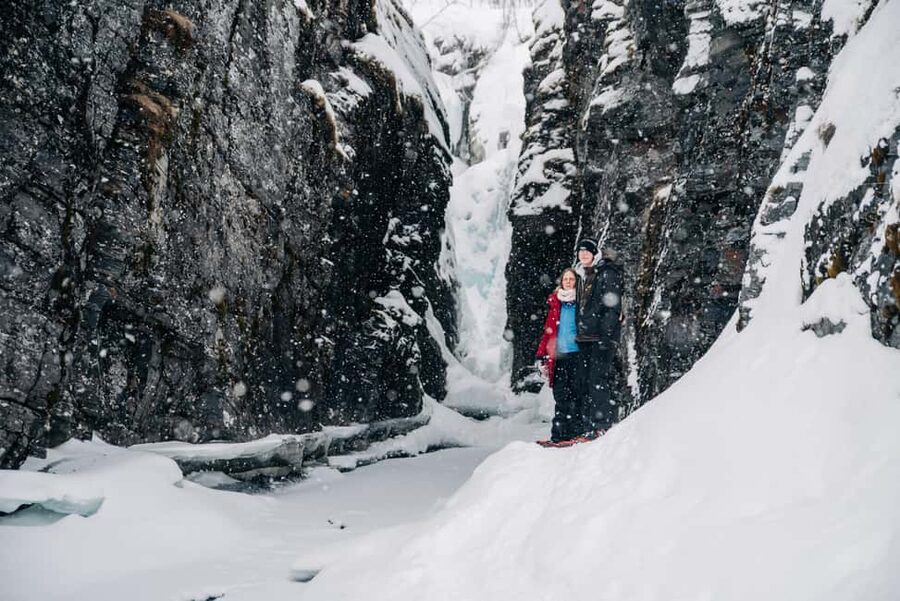
- Abisko National Park winter scenery with viewpoints, forests, and frozen water features
- Snowshoes provided if needed, plus winter overalls/shoes if you request them
- Warm drinks to keep you comfortable during cold morning timing
- English live guide helps you understand what you’re seeing and why it matters
Meeting at Abisko: short hike, big winter payoff
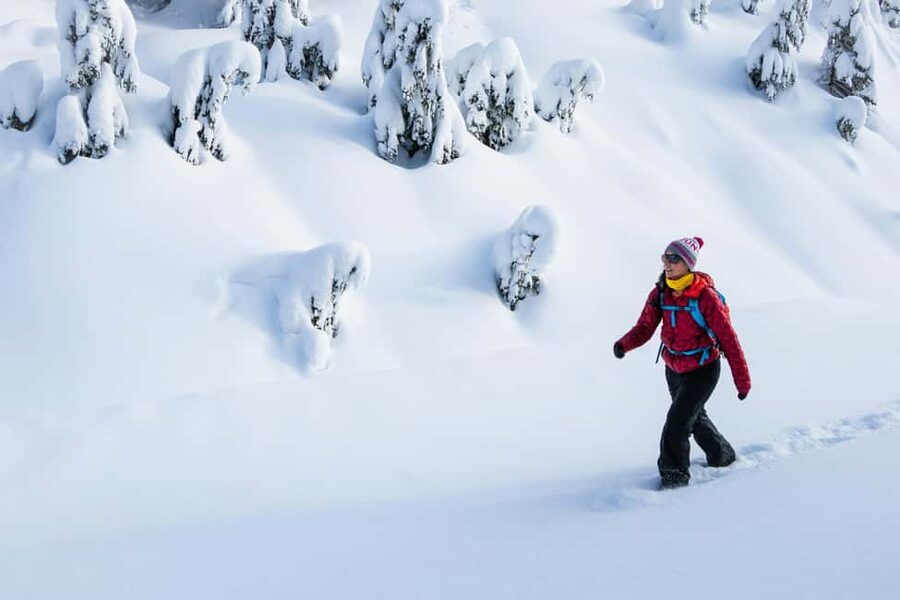
This is the kind of tour that works for real schedules. Three hours is long enough to get moving, find a few photogenic stops, and still feel like you did something special without burning your whole day. It’s also morning-based, which matters in winter—light changes fast, and having a guided window helps you avoid the “we went when it was already fading” problem.
You’ll start with one of four pickup points: Hotell Fjället, Abisko Mountain Lodge, STF Abisko Turiststation, or Abisko Guesthouse. Pickups can run a few minutes earlier or later depending on weather and daylight, and they’ll set things up the day before based on conditions. In practical terms: plan to be ready in your lobby early, and don’t schedule a tight connection right after.
Once everyone’s together, you’ll get winter setup to help you last comfortably. If snowshoes are needed, they’ll provide them. If you want extra gear support, winter overalls and shoes are available if requested. That combo is a big value point for travelers who packed for “cold weather” but not for “walking in Arctic winter footwear for a few hours.”
And yes, there’s a human touch here: the guide is live and speaks English, and you’re in a small group—limited to 8 participants. In winter, that matters. Fewer people means the guide and photographer can slow down for photos, regroup without rushing, and keep the hike feeling more personal than production-line.
Your photographer’s job: better photos without better posing skills
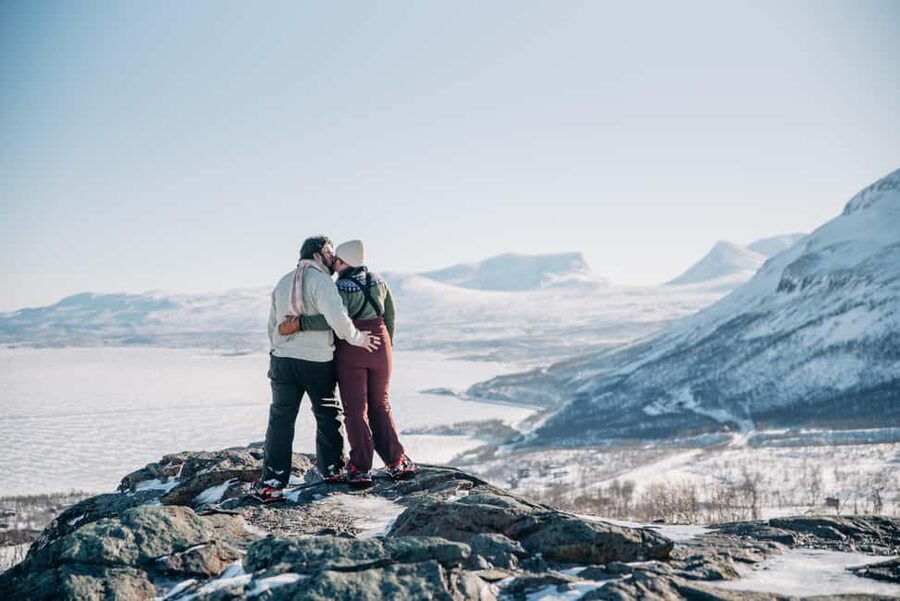
The core promise is simple: a professional photographer is along for the hike, taking photos of you in the scenery. That sounds obvious until you’ve tried doing it yourself in cold conditions. Holding your phone steady, choosing settings, remembering when to step into the frame, and keeping warm at the same time is… a lot.
Here, the photo guidance is baked into the experience. The photographer is there at viewpoints and along the trail, so you don’t have to constantly stop, look for a good angle, then try to direct yourself. One thing I especially appreciate is that the guide isn’t only about images. People report learning about the surroundings and nearby wildlife signs—things like what tracks can tell you in winter. Even if you don’t see wildlife up close, you’ll still come away with context.
Two guide names show up in recent bookings: Jeff and Lina. I can’t promise who you’ll get, but it’s a good sign that you’re not stuck with a random “someone holding a camera.” The style seems to be active—taking a lot of photos, helping you find good spots, and adjusting based on weather.
What the photos feel like afterward
The tour includes high-quality images of your adventure. That’s where the value really lands. You’re paying for the work to turn “we were outside” into a set of pictures you’ll actually want to share—and print. If it rains or snows, you still get documentation, and the photographer can use winter conditions as part of the story instead of a failure.
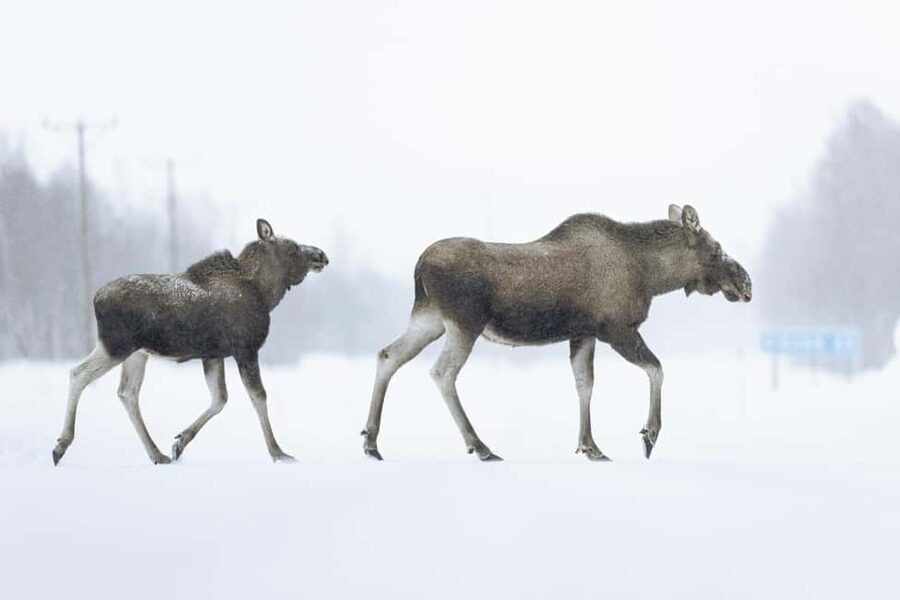
One honest note from a traveler: on a not-ideal weather day, wildlife visibility didn’t happen, but there were animal tracks and the photos were still cool. That’s a good reality check: this is an outdoor photo hike, not a guaranteed wildlife encounter.
The route: viewpoints, serene forests, and bright frozen details
The itinerary is built around a guided tour through viewpoints, serene forests, and sparkling lakes in and around Abisko National Park. While the exact path can change with weather and snow depth, the pattern is consistent: you move at a winter-friendly pace, stop for photos, and keep heading toward spots that look good even when the light is low.
Stop 1: Pickup and warm-up
Even before you reach the trail, you’ll feel the tour’s winter focus. Warm drinks are included, and you’re set up with the right gear (snowshoes and/or winter overalls/shoes if requested). This makes a difference because winter photo hikes aren’t only about stamina—they’re about staying comfortable enough to actually enjoy the moment. When you’re warm, you pose better. When you’re shivering, you mostly just try not to lose your gloves.
Also, because it’s a small group, you’re not waiting around forever for late arrivals. Everyone starts together and you head out as conditions allow.
Stop 2: Into the forests and toward the first viewpoints
As you walk, the guide leads you through calm winter terrain—forests where you can feel the quiet. For photos, forests are great because they create depth. Snow also softens everything, so bright highlights pop. You’ll likely take a few minutes at the first viewpoint to get oriented: what direction the light is coming from, where the best background opens up, and how to position yourself so your face isn’t swallowed by hats and scarves.
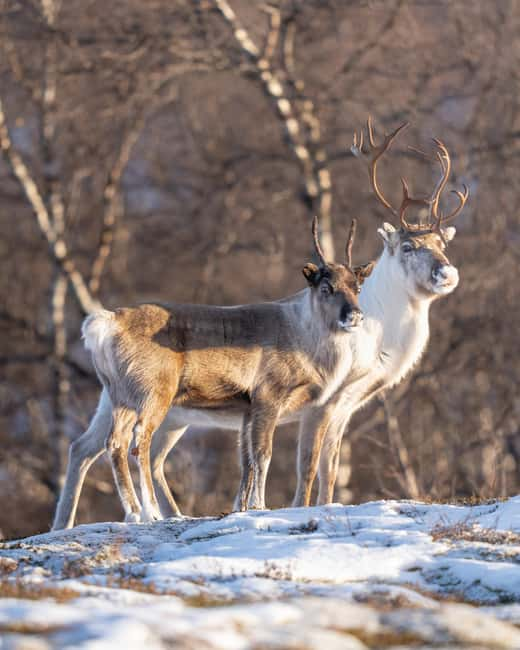
This is also where context comes in. People mention learning about the landscape and animals in the area. In winter, “animals” often means reading signs. Tracks and patterns tell a story even when you don’t see a creature.
Stop 3: Lakes and frozen sparkle
The tour highlights include sparkling lakes. Frozen water adds a photographic trick: it reflects light and creates texture. If it’s actively snowing, those particles can also make your photos feel atmospheric without requiring any special effects. One booking specifically mentioned enjoying winter atmosphere with constantly falling snow. That’s the kind of detail that makes a photographer’s presence valuable—you’re not just capturing scenery, you’re capturing weather as a mood.
If visibility is poor, your photos may lean more toward mood and texture than long-distance vistas. That’s not a bad thing. In winter, “close and detailed” often beats “far and blurry.”
Stop 4: Photo time, not just walking time
The photographer is there throughout, which means there should be time set aside for shots. The easiest way to get great pictures is to avoid rushing the stops. With a professional leading the moments, you’ll likely get a mix: individual portraits, group shots, and images that show you in the environment rather than standing awkwardly in front of it.
If your goal is to document your time in the Arctic, this is exactly the model you want: someone doing the photo thinking for you while you do the enjoying part.
Return: drop-off to your pickup location
After about 3 hours, you’ll wrap up and return to one of the four drop-off points: Abisko Mountain Lodge, STF Abisko Turiststation, Abisko Guesthouse, or Hotell Fjället. You’ll still be outdoors long enough to feel like you earned the photos, but not so long that you’re exhausted in a cold ending.
Price and value: what $127 buys you in real terms
At $127 per person, this isn’t a “cheap walk with a camera.” You’re paying for a professional photographer plus winter support gear (snowshoes if needed, winter overalls/shoes if requested) and included refreshments. You’re also paying for the small-group limit of 8 participants, which keeps attention from getting diluted.
Here’s the value math I’d use:
- If you’ve ever taken Arctic photos yourself, you know how many good shots you miss because you’re busy operating a device and staying warm.
- With a photographer taking images throughout the hike, you trade effort for quality.
- You’re also getting a guided experience built around viewpoints, forests, and frozen lakes—so the route is designed for photos, not just transportation.
So, yes, it costs more than a standard guided walk. But it’s often cheaper than the alternative of trying to hire someone for portrait-style shots later, or booking separate activities just to get your memories properly documented.
Weather reality: you can plan for it without ruining your trip
Winter weather in Abisko can change the vibe fast. If you get a day with clouds, light might be softer and distances less dramatic. If you get snowfall, it can turn the whole scene into a clean, sparkling look.
One booking shared an experience where conditions weren’t great but animal tracks were visible and the photos were still strong. Another mentioned constantly falling snow and the tour still feeling special.
My practical advice: think of this as a photography experience where winter conditions shape the result. You’re still going to come home with images and a story. You just might get a more atmospheric style instead of crystal-clear long-distance views.
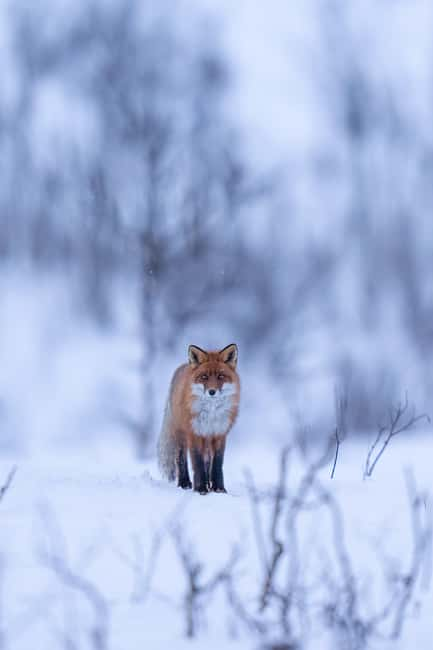
And keep expectations realistic. This type of hike is built for scenery and photo documentation—not guaranteed wildlife sightings.
What to bring so you actually enjoy the hike
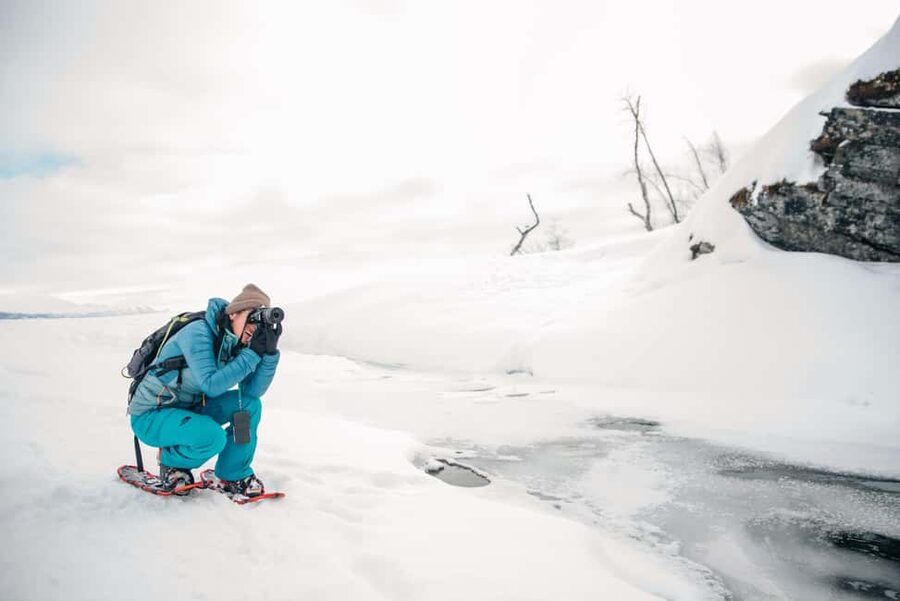
The tour asks for comfortable shoes and warm clothing. That sounds basic, but winter success depends on the details you can control. If your shoes aren’t warm enough, your feet will make everything feel longer.
If you’re asking about gear: snowshoes are provided if needed, and winter overalls/shoes are available if you request them. That can help you travel lighter. Still, don’t assume you’re fully covered on warmth unless you plan for it. Winter overalls help, but you’ll still want your own layers ready.
Also, bring the basics you’ll want for comfort: gloves you can move in and keep warm, and clothing that won’t feel restrictive when you step off the trail for photos.
Who this tour fits best (and who should skip it)
This is suitable for all fitness levels, but it’s still winter terrain. Snowshoes help, and the guide manages the pace, so it shouldn’t feel like a technical expedition. If you’re able to walk on snowy paths for a few hours, you’ll likely be fine.
It’s especially good for you if:
- You want professional photo documentation of your Arctic trip
- You’d rather focus on enjoying the environment than directing your own camera
- You like guided context, not just scenery snapshots
- You want a morning activity that doesn’t steal your entire day
It may not fit you if:
- You need wheelchair accessibility (the tour is not suitable for wheelchair users)
- You’re looking for a long hike or a major multi-day itinerary
Should you book the Abisko photo hike with a professional?
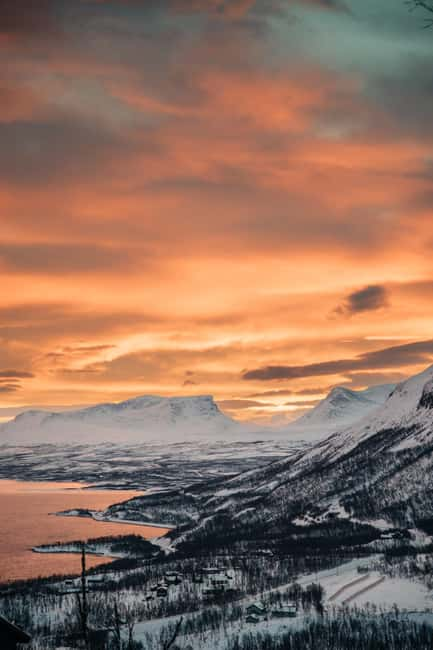
If your top priority is getting back from Sweden with a set of photos you actually love, I’d lean toward booking. The combination of a professional photographer, small group size, and a route focused on viewpoints, forests, and frozen lakes makes it a straightforward value choice.
But if you’re already confident taking your own winter photos and you’re on a tight budget, you might decide to do a self-guided walk and keep your money for other experiences. This tour pays off when you want the photo heavy lifting done for you—and when you want your winter time documented in a way that feels intentional, not accidental.
One more decision tip: since there’s no pickup from Kiruna, base yourself in Abisko (or arrange your own local transport) so you don’t lose time or energy on getting to the start.
If that fits your plans, this is one of those tours that turns a cold morning into a lasting memory.
FAQ
How long is the Abisko photo hike?
The tour lasts about 3 hours.
What’s the group size?
It’s a small group, limited to 8 participants.
Are pickups included?
Yes, pickups are included from multiple locations in Abisko: Hotell Fjället, Abisko Mountain Lodge, STF Abisko Turiststation, and Abisko Guesthouse.
Do they pick up from Kiruna?
No, there is no pickup from Kiruna.
What’s included in the tour price?
Included are a professional photographer, snowshoes (if needed), winter overalls/shoes if requested, warm drinks, and high-quality images of your adventure.
Do I get professional photos?
Yes. You’ll receive high-quality images that capture the beauty of your hike.
Are snowshoes provided?
Snowshoes are provided if needed for the winter terrain.
What language is the guide in?
The live guide speaks English.
What should I bring?
Bring comfortable shoes and warm clothing.
Is the tour wheelchair accessible?
No. It’s not suitable for wheelchair users.