REVIEW · HOKKAIDO
3 hours Snowshoe hike to “Furepe fall” and Wildlife Watching
Book on Viator →Operated by Picchio Shiretoko · Bookable on Viator
Winter in Shiretoko is a different world, and this snowshoe hike takes you to Furepe Falls at the exact moment it turns magical. I love that even beginners can join, yet you’re still heading for big scenery: frozen waterfall angles, the Sea of Okhotsk in the distance, and (in season) drift ice as far as you can see.
Two things I really like: you get appropriate gear for deep snow and the pace stays friendly for first-timers. One thing to consider is weather. This experience depends on good conditions, and if it’s canceled for poor weather you’ll be offered another date or a full refund.
In This Review
- Key points worth knowing before you go
- Why this snowshoe hike feels special at Furepe Falls
- The 3-hour plan: what you’ll actually do
- Stop: Furepe Waterfall
- Gear and safety: how this stays beginner-friendly
- What you should wear
- Wildlife watching in Shiretoko: the deer moment
- How to improve your odds
- Drift ice and timing: when the scenery expands
- Group size and pacing: why the cap helps
- Getting there without headaches
- Price and value: what you’re paying for
- Weather reality: what happens if conditions turn
- Who should book this snowshoe hike
- Should you book? My practical decision guide
- FAQ
- How long is the snowshoe hike to Furepe Fall?
- Where do you meet for the tour?
- Is pickup available?
- What gear will I need?
- Is this activity suitable for beginners?
- Will I definitely see wildlife like deer?
- What if the weather is bad?
- How big is the group?
Key points worth knowing before you go
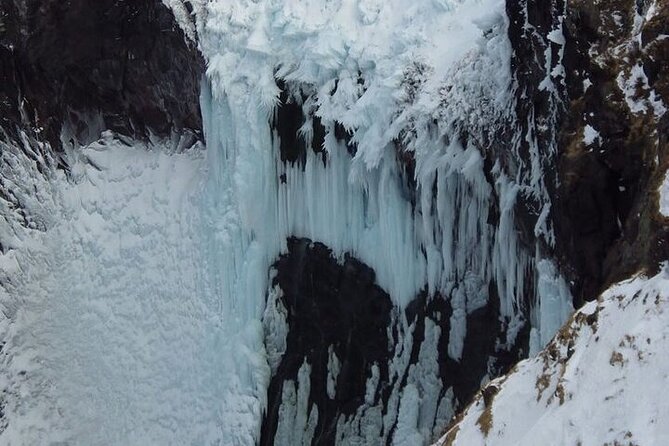
- Blue icicles at Furepe Falls: the waterfall freezes into striking shapes rather than a simple frozen block
- Sea of Okhotsk viewpoints: you may look from the falls toward the sea on clear days
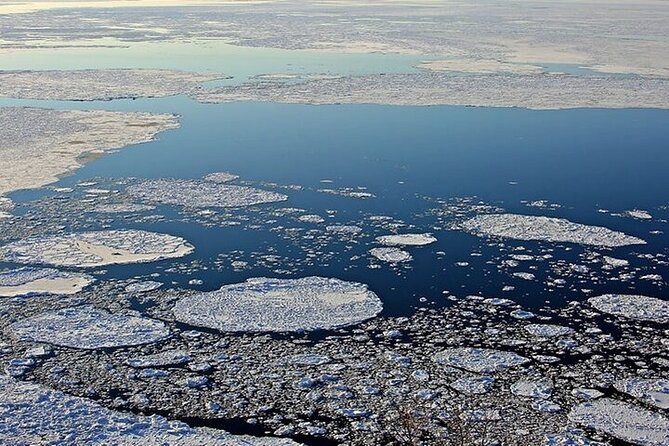
- Drift ice season timing: from February to March you may see the sea covered with drift ice
- Wildlife watch on the trail: there’s a real chance of seeing deer, even in tough weather
- Beginner-friendly, small group: maximum 8 travelers helps keep the hike controlled and safe
- Snowshoe gear support: you’ll be given gear suitable for walking in deep snow
Why this snowshoe hike feels special at Furepe Falls
This is the kind of winter outing that makes sense fast. You drive to the Shiretoko area, gear up, and in about 3 hours you’re outside doing the thing winter was made for: moving through snow on snowshoes while your destination does the sightseeing for you.
Furepe Falls is the star. In winter, it changes character. Instead of a normal waterfall flow, you’re looking at frozen waterfall sections—described as blue icicles—plus spray that gets twisted by the north wind into odd, ghostly shapes. The details matter because it’s not just cold views. It’s water turned into a sculpture you can study from above.
And then there’s the setting behind the falls: the Shiretoko mountain range rises in the background, adding layers to what you’re seeing. When visibility is good, you also get the chance to shift your gaze toward the sea. That’s where the experience grows from pretty to epic: the Sea of Okhotsk is vast, and in some weeks between February and March, you might even see drift ice on the water.
The 3-hour plan: what you’ll actually do
You’ll start and end at Roadside Rest Area Utoro-Shirietoku in Shari, and the activity returns you back to the same meeting point. Pickup is offered, so you won’t necessarily have to figure out every last bit of local transport on your own.
The hike itself is designed to be manageable: it’s listed as beginner-friendly, but you should have moderate physical fitness. That usually means you’re comfortable walking in snow and taking frequent stops without needing long, steep climbs.
Stop: Furepe Waterfall
This is the only main stop, and it’s the reason to book. Expect to spend time around the viewpoint where the falls can be seen from above. In winter conditions, you’ll be looking at a frozen structure rather than a flowing one, with icicles and wind-driven spray shapes that can look different as you move your position.
What makes this stop valuable is the perspective. You’re not just watching the idea of winter—you’re seeing how water behaves when the north wind and cold lock it in place. If you’re there during the drift ice window (again, February to March), the scenery can widen dramatically. You might see the sea below with drift ice spread over it, turning the horizon into something textured and moving (even if you’re not right on the water).
Possible drawback at the waterfall
If the weather is harsh, your view can be reduced by wind and snowfall. That’s not a complaint—just how this region works. The good news is that the experience is set up for winter conditions, and safety guidance is part of the deal.
Gear and safety: how this stays beginner-friendly
Snowshoe hikes can feel intimidating on paper. Here’s what helps make it workable: you’ll be lent appropriate gear for walking in deep snow, and the guides keep the pace steady.
From the experience feedback you can infer a few practical truths:
- The gear lending is real, not a “bring your own” situation.
- The pace is adjusted for beginners.
- The guiding approach focuses on staying safe in changing snow conditions.
In at least one account, people even saw deer during a blizzard, which tells you the guide plan is built for bad weather moments, not just clear skies. That’s the difference between “adventure” and “stress.” The goal here is controlled walking and clear guidance, even when the snow gets rowdy.
What you should wear
The tour data doesn’t list exact clothing items, so I won’t pretend it does. But you should expect winter snowshoe conditions: warm layers, gloves, and footwear that handles snow. Even with gear lending, you’ll still be responsible for staying dry and warm.
If you get cold easily, this is the kind of tour where it’s worth dressing a bit warmer than you think you need.
Wildlife watching in Shiretoko: the deer moment
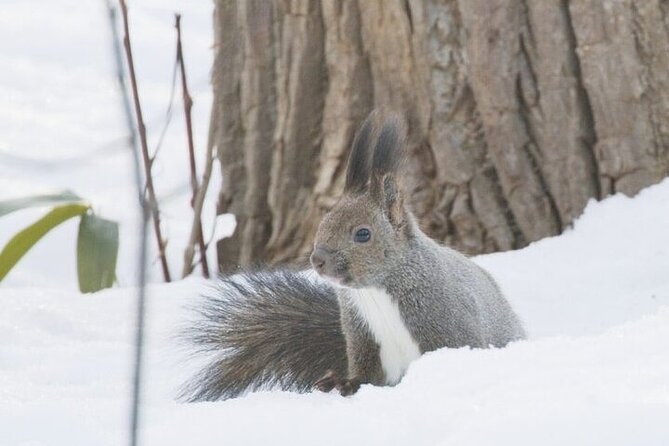
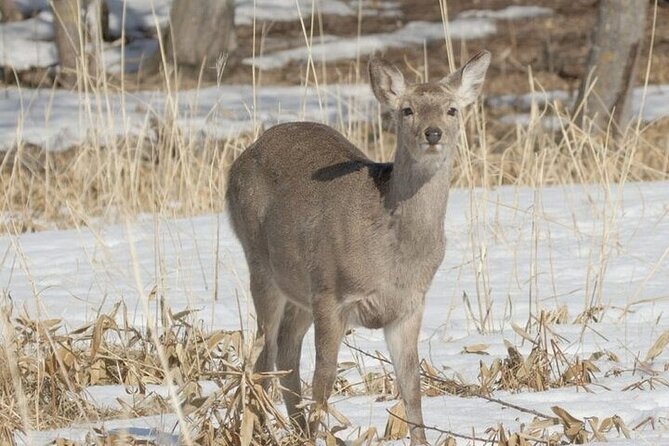
The description openly mentions wildlife encounters, specifically deer. That’s not a promise, but it’s a fair expectation because this is Shiretoko and you’re hiking in the kind of environment where animals may be nearby.
One of the most compelling aspects is how the wildlife chance doesn’t depend on perfect weather. In one standout account, deer were spotted even during a blizzard. Translation for you: keep your eyes open and don’t pack up your attention just because the sky turns dramatic.
How to improve your odds
You can’t control nature, but you can help your chances:
- Keep a calm pace when the guide pauses—don’t surge forward.
- Look up from your steps when you get a safe moment to scan.
- Pay attention when you hear quiet stops or changes in group formation.
Small behavior changes can mean bigger wildlife moments on trails.
Drift ice and timing: when the scenery expands
This tour is tied to the winter shapes of the Shiretoko coast, and that includes something special from February to March: drift ice.
That matters because drift ice changes what you’re looking at. Without drift ice, you might see a dark or gray sea. With drift ice, you can get a field-like surface—pieces of ice spread across the water—so the horizon becomes a feature, not a background.
If you’re choosing dates:
- Late February through March often gives you the best shot at this added visual layer.
- Outside that window, you’ll still get frozen waterfall drama, mountain views, and sea views, but drift ice may not appear.
Group size and pacing: why the cap helps
This experience has a maximum of 8 travelers. That small number affects your day in a very practical way.
When the group is small:
- The guide can slow down for footing without holding everyone back.
- You’re less likely to get separated on narrow snowy areas.
- It’s easier to keep a close watch on the safety basics (where to step, when to pause, how to avoid unnecessary falls).
And since the course is beginner-friendly, the small group size supports that promise. You’re not just “allowed” to join—you can actually keep up.
Getting there without headaches
The meeting point is clearly set at Roadside Rest Area Utoro-Shirietoku. The activity also lists:
- Pickup offered
- Mobile ticket
- Near public transportation
That combination is helpful. You can arrange pickup if you want low-friction logistics, or use nearby transit if you’re already moving around Shari. Either way, you won’t feel stuck at the start.
Price and value: what you’re paying for
At $44.30 per person, this is priced like a short, guided winter activity, and the value mostly comes from three things:
- You’re buying access to winter scenery that’s hard to DIY
Frozen waterfalls and sea views from Shiretoko aren’t just roadside sightseeing. Snowshoe walking takes you to the right vantage.
- Gear support is part of the experience
You’re not expected to show up perfectly equipped for deep snow. That’s a real value item.
- Small-group guiding reduces risk and improves comfort
Max 8 travelers, winter-suitable guidance, and pacing for beginners is the difference between “fun adventure” and “why did I sign up for this.”
For short tours like this, I usually evaluate the price as: will it remove friction, and will it get me to the correct place safely? Here, the answer looks strong.
Weather reality: what happens if conditions turn
This experience requires good weather. If it’s canceled because conditions are poor, you’ll be offered a different date or a full refund.
That’s important for planning. In Shiretoko winter, you should expect at least some chances of snow and wind. I’d treat the tour as one of your flexible options rather than something you must stick to no matter what.
Who should book this snowshoe hike
This is a great fit if you:
- Want big Shiretoko winter scenery in just about 3 hours
- Are new to snowshoeing and want gear and a beginner-friendly pace
- Like the idea of combining waterfall views with wildlife watching (even if the weather is less than ideal)
- Prefer small group outings (maximum 8)
It may be less ideal if you’re looking for a long, strenuous endurance workout or if you can’t tolerate winter footing and wind.
Should you book? My practical decision guide
Book it if your top priority is a safe, guided winter walk that ends with Furepe Falls frozen into blue icicles, plus a chance to see the Sea of Okhotsk and possibly drift ice in late winter.
Hold off or be cautious if:
- You’re very sensitive to wind/snow conditions
- You need guaranteed clear views no matter what (because winter weather can change rapidly)
- You don’t have moderate comfort walking in snow
If you’re flexible and want real Shiretoko atmosphere without spending the whole day outdoors, this one is worth your time.
FAQ
How long is the snowshoe hike to Furepe Fall?
It runs for about 3 hours.
Where do you meet for the tour?
You start at Roadside Rest Area Utoro-Shirietoku (186-8 Utoronishi, Shari, Shari District, Hokkaido) and it ends back at the same meeting point.
Is pickup available?
Yes, pickup is offered.
What gear will I need?
The tour provides appropriate gear for walking in deep snow.
Is this activity suitable for beginners?
Yes, it’s described as beginner-friendly, though it still requires a moderate physical fitness level.
Will I definitely see wildlife like deer?
No sighting is guaranteed, but deer are possible and wildlife watching is part of the experience.
What if the weather is bad?
The experience requires good weather. If it’s canceled due to poor weather, you’ll be offered a different date or a full refund.
How big is the group?
The maximum group size is 8 travelers.