REVIEW · HOKKAIDO
3.5hours Primeval Forest Snowshoe hike and Wildlife Watching Tour
Book on Viator →Operated by Picchio Shiretoko · Bookable on Viator
Snow turns into a wildlife trail. This 3.5-hour Shiretoko snowshoe tour feels rare because it’s not about manmade routes—it follows animal-made paths through primeval forest in Hokkaido. You’re also in the right season to hunt for tracks on top of the snow and keep your eyes open for wildlife like Ezo sika deer and Ezo red foxes.
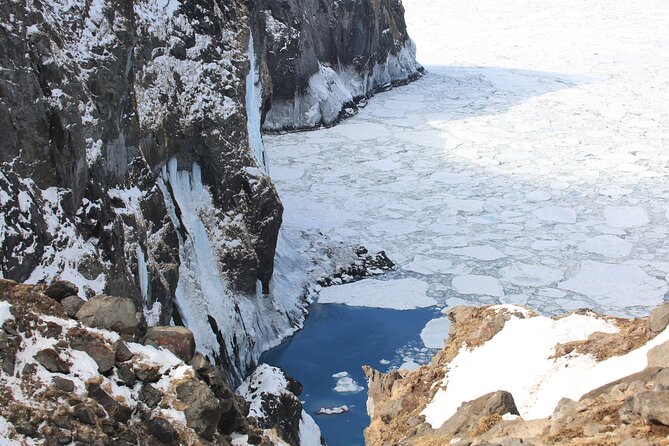
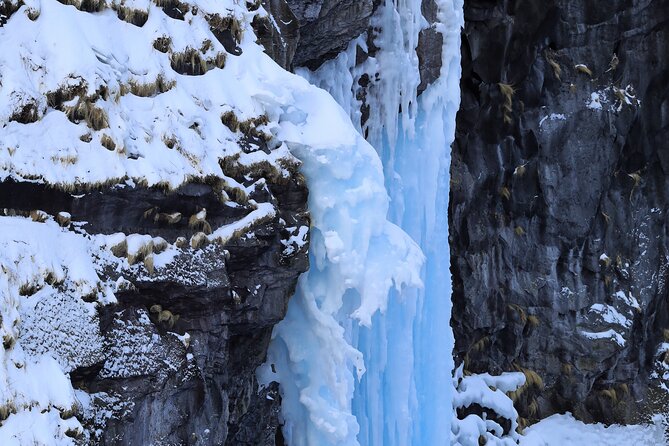
What I like most is the mix of wilderness walking with a real winter landmark: the hidden waterfall called Tears of Man, which freezes in winter. The other big win for me is the chance to see the Sea of Okhotsk when sea ice arrives at the coast, creating a wide field of ice with Shiretoko’s mountains dusted in silver-white snow.
One consideration: this is a winter outdoors outing that needs moderate physical fitness and good weather. If snowfall and sea-ice conditions don’t cooperate, the exact mix of snowshoe walking vs. route details can shift.
In This Review
- Key points before you go
- Where Shiretoko’s primeval forest meets winter snowshoes
- Meeting at Utoro-Shirietoku and timing that actually matters
- Following animal-made paths: the real reason this hike feels different
- Tears of Man waterfall in winter: what to expect
- Sea ice over the Sea of Okhotsk: the view that depends on the season
- What you’ll likely see: Ezo sika deer, Ezo red fox, and tracks
- Snowshoe pace and moderate fitness: how to judge if it’s right
- Price and value for a 3.5-hour Shiretoko outing
- Who this tour suits best
- Should you book this primeval forest snowshoe and wildlife tour?
- FAQ
- Do I need snowshoes on this tour?
- How long is the Primeval Forest Snowshoe hike and Wildlife Watching tour?
- Where do I meet the group?
- What wildlife might I see?
- What’s the minimum age and fitness level?
- What happens if weather is poor?
Key points before you go
- Off-beaten-path animal routes: you’ll follow trails originally created by wild animals, not crowded footpaths.
- Snowshoe use depends on conditions: if there’s enough snow, you’ll walk anywhere on the snow using snowshoes.
- Frozen waterfall target: you’ll be guided to Tears of Man, a waterfall that freezes in winter.
- Sea ice can change the whole view: when sea ice reaches the coast, you may see a broad ice field over the Sea of Okhotsk.
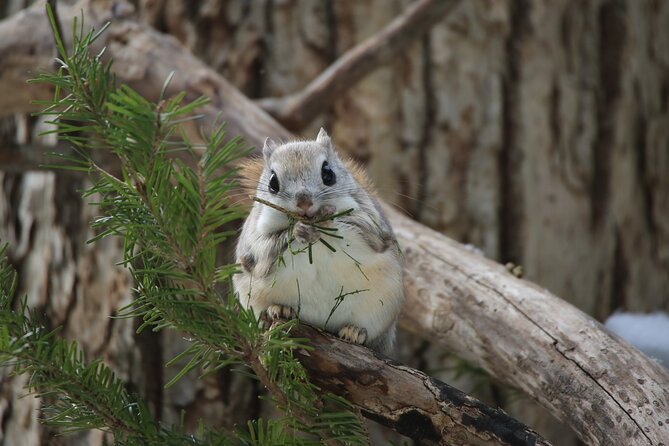
- Wildlife odds are part of the deal: Ezo sika deer and Ezo red fox sightings are possible, along with animal footprints.
- Small group pace: max 8 travelers means less waiting around and more time paying attention.
Where Shiretoko’s primeval forest meets winter snowshoes
Shiretoko is one of those places where winter doesn’t just add cold. It changes how the whole ecosystem works, and this tour leans into that fact. The idea is simple: you walk through primeval forest on routes created by animals themselves, which makes the hike feel more like reading the wilderness than sightseeing inside it.
The snowshoe part is what turns it from a slippery slog into a true winter walk. If there’s enough snow, you’ll use snowshoes so you can move across snowy ground and keep your footing while looking around.
And yes, the point is wildlife. Not in a guaranteed, circus-show way. More like: you’re in a landscape where animals already leave signs, so when you’re moving quietly and staying observant, you have a real chance to see them—or at least find what they’ve been doing.
Meeting at Utoro-Shirietoku and timing that actually matters
You start and end back at the Roadside Rest Area Utoro-Shirietoku, address 186-8 Utoronishi, Shari, Shari District, Hokkaido 099-4354, Japan. It’s also described as near public transportation, which is helpful if you’re building your own day around the rest of Shiretoko.
Pickup is offered, and that’s one of those details that can make the day easier or more chaotic depending on your timing. Based on advice from people who’ve done it, I’d plan to be ready ahead of the pick-up window—about 10 minutes early if you can. In small groups, late arrivals can throw the whole rhythm off.
You’ll also use a mobile ticket. That’s convenient for winter travel, since you don’t need to dig for paper when you’re bundled up and cold.
Following animal-made paths: the real reason this hike feels different
Most hikes in popular areas follow paths made for people. This one follows paths made by wildlife. That doesn’t mean you’re wandering blindly through thick brush. It means you’re walking routes the land shaped first, and people second.
I love that approach because it changes your mindset. You start noticing patterns: where tracks appear in snow, where animals likely moved between feeding or resting areas, and how the forest floor reads like a map. Sometimes you can spot footprints right on the snow surface—those little signs are a big part of why this tour is rated so highly.
The route style also helps you understand the territory. In a manmade trail, you tend to focus on the next step. On animal-made paths, you naturally slow down to look, and that makes the wildlife-watching part more realistic.
One practical note: since you’re off the usual beaten paths, expect that the pace and footing can be a bit more variable. That’s normal here.
Tears of Man waterfall in winter: what to expect
A major highlight is a hidden waterfall called Tears of Man. In winter, it freezes, turning into something you’d miss if you stayed on the main scenic routes.
When you reach it, you’ll be in prime conditions for winter photography—icy shapes, pale surroundings, and the feeling that the forest has changed its rules overnight. Even if you’re not a dedicated photographer, it’s still the kind of stop that gives your legs a brief break and gives your eyes something specific to focus on.
The word hidden matters. That usually means the view isn’t simply there when you arrive. You’re led to it, which makes the experience feel guided in a good way—not staged, just directed.
Sea ice over the Sea of Okhotsk: the view that depends on the season
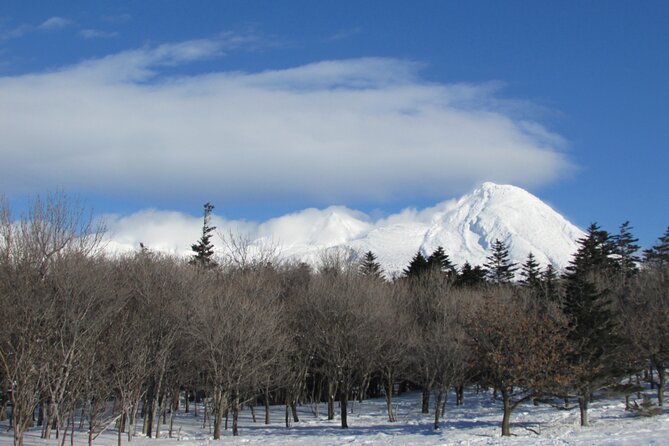
One of the most exciting parts of the tour is conditional: when sea ice arrives at the coast, a vast field of ice can appear covering the Sea of Okhotsk. If the timing works out during your walk, you’re likely to see a breathtaking winter scene with the Shiretoko Mountains framed by silver-white snow.
This is the sort of detail that can make or break the wow-factor on any winter day. If ice conditions are right, the coast becomes a dramatic backdrop for your hike. If not, the tour still makes sense because the core experience is the primeval forest snowshoeing and the waterfall stop.
So think of the sea-ice component as a bonus you’re hoping for, not a checkbox. Either way, you’ll be walking in the same wilderness setting where winter tracks and animal signs are part of the experience.
What you’ll likely see: Ezo sika deer, Ezo red fox, and tracks
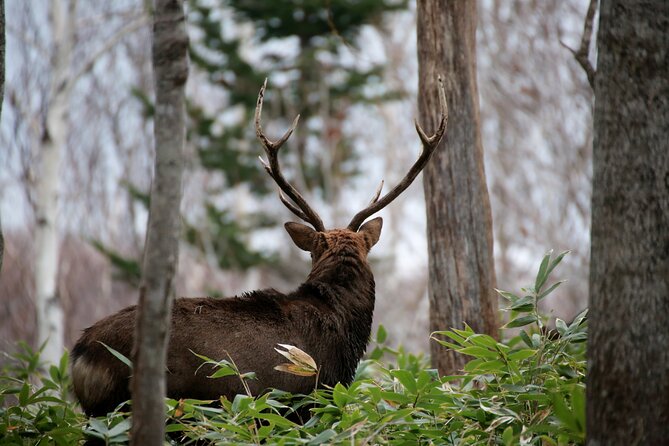
The tour specifically points to likely wildlife sightings: Ezo Sika Deer and Ezo Red Foxes. In winter, animals often rely on energy-efficient routes, which is exactly why following animal-made paths matters. You’re essentially moving along the logic of the local fauna.
But even when you don’t see an animal directly, you can still get the story. The tour notes that you may spot footprints on the surface of the snow. I find that more satisfying than a distant sighting sometimes, because you can connect the sign to where you are standing.
A good wildlife-watching mindset for this kind of outing is patience and quiet observation. You’re outdoors for a few hours, not all day. So you’re choosing a short window to pay attention. When the group stays calm and observant, the odds improve.
And since the group is capped at 8 travelers, you’re less likely to have a chaotic crowd noise problem. That’s not about perfection; it’s about giving wildlife space and giving you better chances to notice movement.
Snowshoe pace and moderate fitness: how to judge if it’s right
This tour is for people with a moderate physical fitness level, and it’s rated age 6 and older. That tells me it’s not an extreme mountaineering route, but it also isn’t a gentle stroll.
Snowshoe walking takes balance and effort. Even if the trail looks easy on a map, winter ground and snow depth change the workout. Expect to dress for cold, and expect your legs to work a bit more than you’d think.
The good news: you’re out for about 3 hours 30 minutes. That’s long enough to feel like an experience, but short enough that most fit adults can handle it with the right clothing and pacing.
If you’re recovering from an injury or you’re new to snow sports, you might want to plan conservatively. The group size is small, so the guide can likely manage the walk, but winter conditions still decide how tough the day feels.
Price and value for a 3.5-hour Shiretoko outing
At $55.52 per person for roughly 3 hours 30 minutes, this is positioned as real-time nature time rather than a long, multi-stop bus tour. You’re paying for guided access into primeval forest winter walking, plus equipment support implied by snowshoe use (and the expertise needed to do wildlife watching responsibly).
Value comes from three things working together:
- Time in the right place: not just a viewpoint stop.
- A unique route concept: animal-made paths, not standard trails.
- A standout winter target: Tears of Man and, when conditions allow, Sea of Okhotsk sea-ice views.
If you’re the type of traveler who wants atmosphere and authenticity—cold air, quiet forest movement, and the chance of tracks and wildlife—this price can feel very fair. If you’re expecting a guaranteed animal encounter or a guaranteed waterfall-and-ice-coast show every day, that’s less realistic. This is nature, and nature decides.
Who this tour suits best
I’d book this if you want winter Shiretoko beyond the usual safe stops. It’s especially good for:
- People who like animals and reading the outdoors for signs like footprints.
- Travelers who enjoy walking but want it to feel purposeful, not just exercise.
- Small-group travelers who prefer quiet nature time over crowds.
- Families with kids age 6+ who can handle moderate winter activity.
It’s less ideal if you want an easy, fully paved, stroller-friendly outing. Winter snowshoe trails can be slow and uneven, even with a moderate fitness rating.
Also, if you’re the kind of person who gets impatient standing still to watch for wildlife, bring a plan to stay focused. This tour is built on waiting and looking.
Should you book this primeval forest snowshoe and wildlife tour?
Yes, I think you should book it if you’re after an off-the-beaten-path winter walk in Shiretoko with real nature pacing. The combination of animal-made paths, the possibility of Ezo sika deer and Ezo red fox sightings, and the frozen Tears of Man waterfall creates a tour that feels like a winter field lesson, not just transport to a photo spot.
Just don’t count on every day delivering the sea-ice spectacle. Plan to enjoy the core experience—walking in the primeval forest with a guide who brings you to the right places—because that’s what stays valuable even when conditions shift.
FAQ
Do I need snowshoes on this tour?
Snowshoes are used if there is enough snow. The tour is designed for snowshoe walking in the primeval forest.
How long is the Primeval Forest Snowshoe hike and Wildlife Watching tour?
It’s about 3 hours 30 minutes.
Where do I meet the group?
You meet at the Roadside Rest Area Utoro-Shirietoku at 186-8 Utoronishi, Shari, Shari District, Hokkaido 099-4354, Japan. The tour ends back at the meeting point.
What wildlife might I see?
The tour notes a high likelihood of encountering wildlife such as Ezo sika deer and Ezo red foxes. You may also see footprints on the snow.
What’s the minimum age and fitness level?
The tour is for ages 6 and older and recommends a moderate physical fitness level.
What happens if weather is poor?
This experience requires good weather. If it’s canceled due to poor weather, you’ll be offered a different date or a full refund. You can cancel up to 24 hours in advance for a full refund.