REVIEW · GREECE
1 Day summit Olympus
Book on GetYourGuide →Operated by Trekking Hellas · Bookable on GetYourGuide
Olympus in a single day is a real challenge. This route tackles Skolio (2,912 m) and the summit of Mytikas (2,918 m) with a clear plan, and you get safety-first gear (helmet and harness) plus expert guiding on a small group pace. One thing to consider: it is not for fear of heights, vertigo, or lower fitness levels, and the final push can include real scrambling work.
I like that you start with comfort where it helps—there’s a 4×4 transfer from Kalivia to the Christakis mountain hut—then hike when it counts. You’ll follow the E4 European Trail through forested gorges, toward steep terrain where waterfalls and caves are part of Olympus’ character (even if weather changes what you see). The day is long enough that you should treat it like a proper hiking workout, not a casual walk.
In This Review
- Key points to know before you book
- Hitting Mytikas (2,918 m) with only 9 hours on the clock
- Why the “legend” feels closer than you expect
- The 4×4 to Christakis hut: saving energy without skipping the mountain
- Skolio (2,912 m) to Skala: the E4 trail before the technical ground
- What you can expect visually
- Mytikas (2,918 m): the summit section and the reality of scrambling
- Weather can change how the summit feels
- Safety gear and the guide style that keeps you moving
- The little “support” moments matter
- What’s included, what’s not, and how that affects your packing
- Packing list: don’t show up under-dressed
- Who this Olympus summit day is for (and who should skip it)
- A reality check on fear of heights and vertigo
- Price and value: is $223 a fair deal for 2,918 meters?
- Timing, weather, and how to set yourself up for success
- Final verdict: should you book the 1 Day Summit Olympus trek?
- FAQ
- How long is the 1 Day Summit Olympus experience?
- What summit does this tour aim for?
- Do I need a guide, and what languages are offered?
- How many people are in the group?
- What does the tour include?
- What should I bring for the hike?
- Is food or drinks included?
- What ages can participate?
- Is this suitable if I’m afraid of heights?
- What is the cancellation policy?
Key points to know before you book
- Skolio and Mytikas in one day: you reach two major high points, with the top centered on Mytikas (2,918 m)
- E4 European Trail route: the day follows a marked long-distance hiking backbone, so the hiking has purpose
- Christakis hut via 4×4: you save energy before the steep sections begin
- Helmet and harness included: safety gear is part of the package, not a rental gamble
- Small group (up to 8): smoother pacing and more attention on technical sections
Hitting Mytikas (2,918 m) with only 9 hours on the clock
Mt. Olympus is the tallest mountain in Greece and a myth machine in real life: it rises almost straight out of the Aegean, with steep slopes, deep gorges, and caves. It also has 52 peaks, and many stay hidden behind cloud for months at a time. This one-day summit is for people who want the big achievement without carving multiple days out of a tight Greece schedule.
The plan for this trek is straightforward on paper: you traverse the peak area of Skolio, continue toward Skala, and then go for the highest target of the day—Mytikas at 2,918 m. The timing is where the “one day” part gets real: at 9 hours total, you’ll be moving steadily from start to finish, with only short breaks built in.
Two things I’d call out early. First, this isn’t sold as an easy hike. Olympus terrain can get steep and exposed, and the highest section demands focus. Second, you’re in a small group, which matters. When technical climbing or scrambling slows the pace, it’s easier to stay calm when you’re not stuck behind a crowd.
Why the “legend” feels closer than you expect
If you’ve ever seen Olympus photos that look like fantasy, the feeling changes when you’re on the trail. The mountain doesn’t just sit there—it funnels you into gorges and toward dramatic lines of rock and water. Even if the day isn’t clear-blue perfect, the route still delivers that Olympus feeling: big vertical changes, forested sections, and the sense you’re in a place with rules.
The 4×4 to Christakis hut: saving energy without skipping the mountain
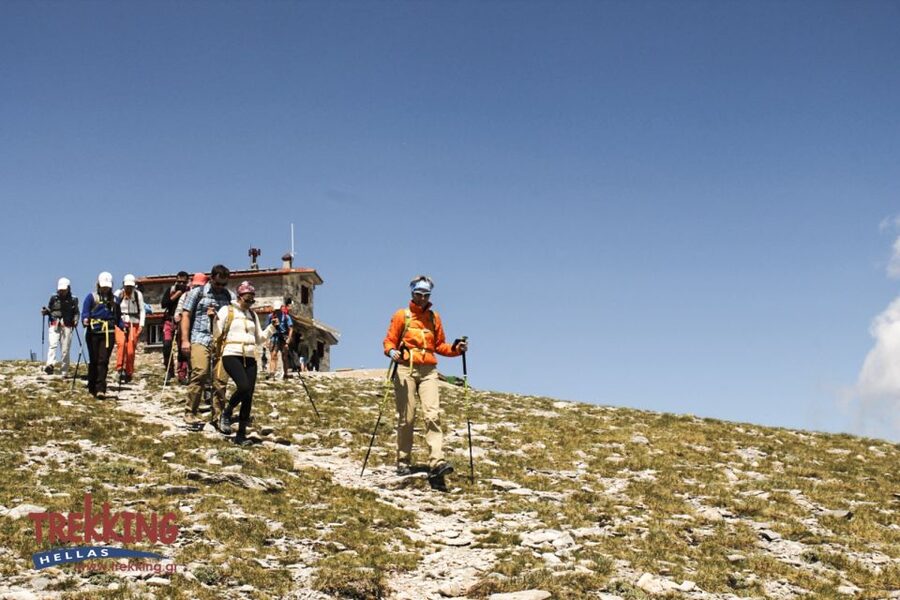
One of the smartest parts of this day is what happens before you truly start climbing. You get a local transfer by 4×4 vehicle from Kalivia to the Christakis mountain hut and back. That means you spend your energy on the hike itself, not on a long approach road that doesn’t make you stronger for the summit.
Practically, this helps you in two ways:
- It keeps the summit day doable even if you’re not training specifically for a multi-day alpine trek.
- It reduces the “wasted time” fatigue that can wreck your confidence on technical sections.
In one guide note people share, the drive to the start area is about 13 miles—long enough to matter, short enough to keep the day moving. You don’t have to wonder how the day will start; you go from meeting point to trail-ready fairly quickly, and then the walking does the heavy lifting.
Skolio (2,912 m) to Skala: the E4 trail before the technical ground
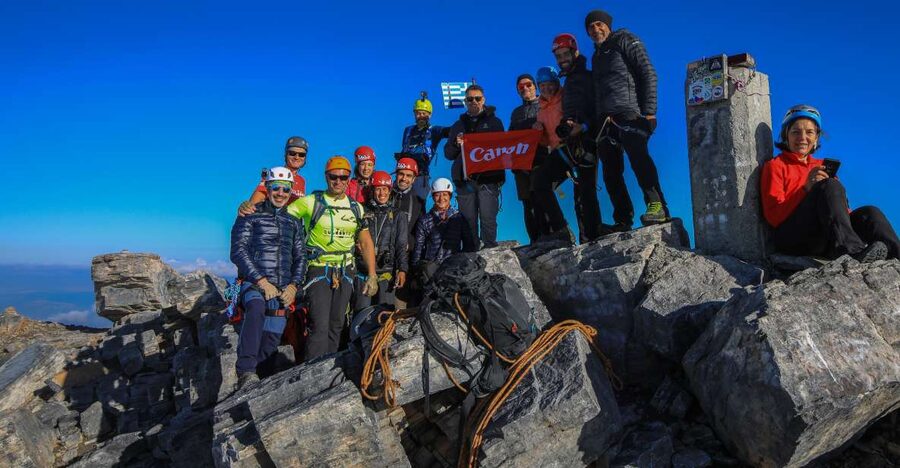
Your day begins with a trek that follows the E4 European Trail. That’s important because the E4 is a long-distance route, not a random path. It gives the day structure: you’re not constantly guessing where to go, and you’re hiking through varied terrain instead of just walking a single straight corridor upward.
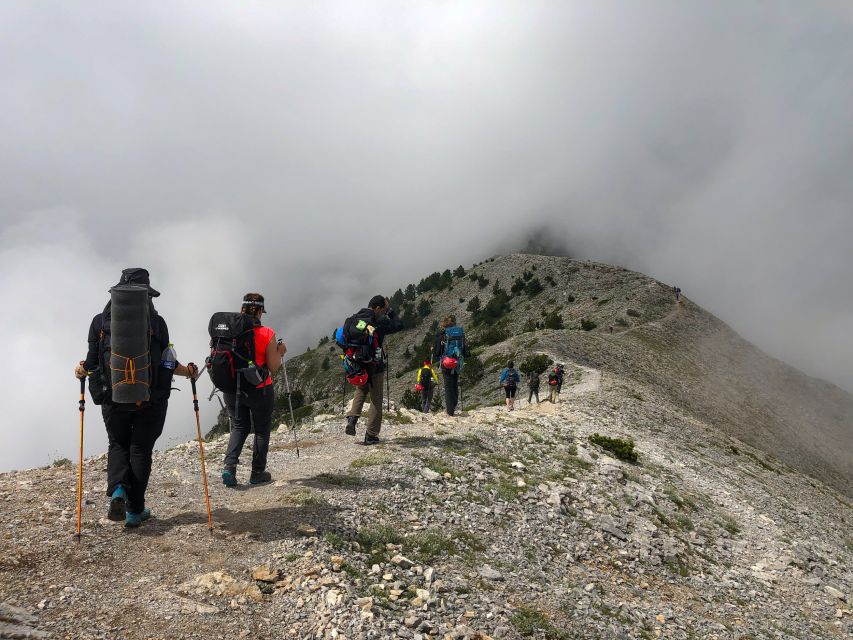
A standout moment on this route is the traverse up toward Skolio at 2,912 m. Skolio isn’t just a number—it’s part of how Olympus “stitches” peaks together. As you climb, you’re working through altitude and gradient, so even before the harder section, you’ll feel like you’re earning the next views.
Then comes Skala, reached after the Skolio peak traverse. This is where timing and pacing get more noticeable. If you end up needing extra minutes while the group navigates rope or technical segments, you’ll feel it here because the day has to compress. One of the better-run aspects of the day is that guides keep the group together and moving with safety in mind, rather than letting people sprint and then catch up later.
What you can expect visually
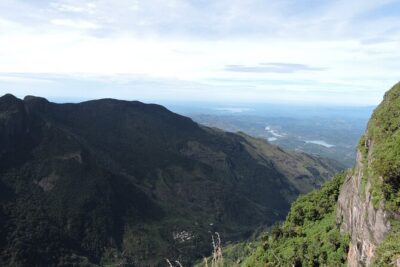
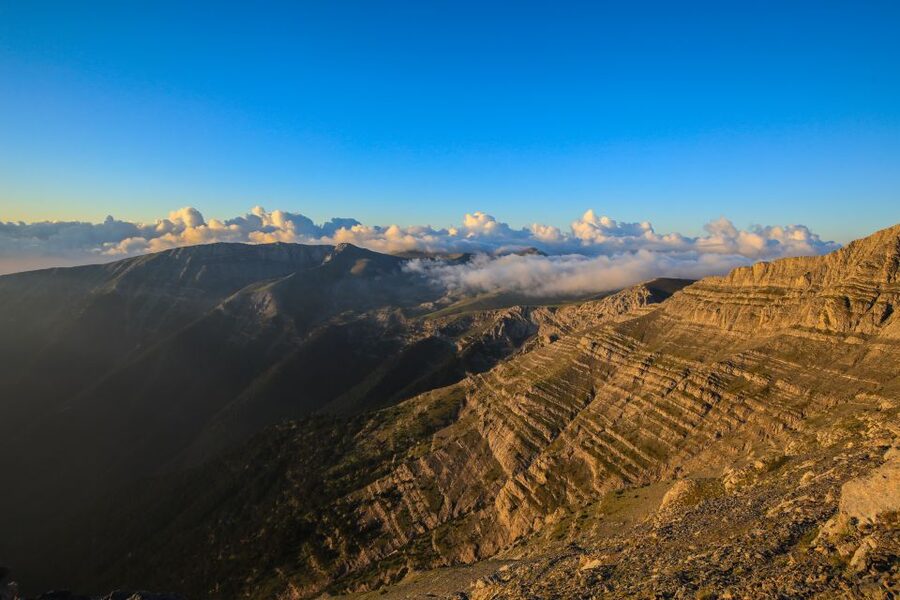
Even though weather can change what you see, the setting is built for dramatic walking: steep, forested gorges and areas where waterfalls and caves are a major part of Olympus’ story. On a clear day, you tend to get more sweeping visibility. On a wet or stormy day, you’ll get less distance view and more focus on footing and rhythm—but you can still get that “we’re really up here” feeling.
Mytikas (2,918 m): the summit section and the reality of scrambling
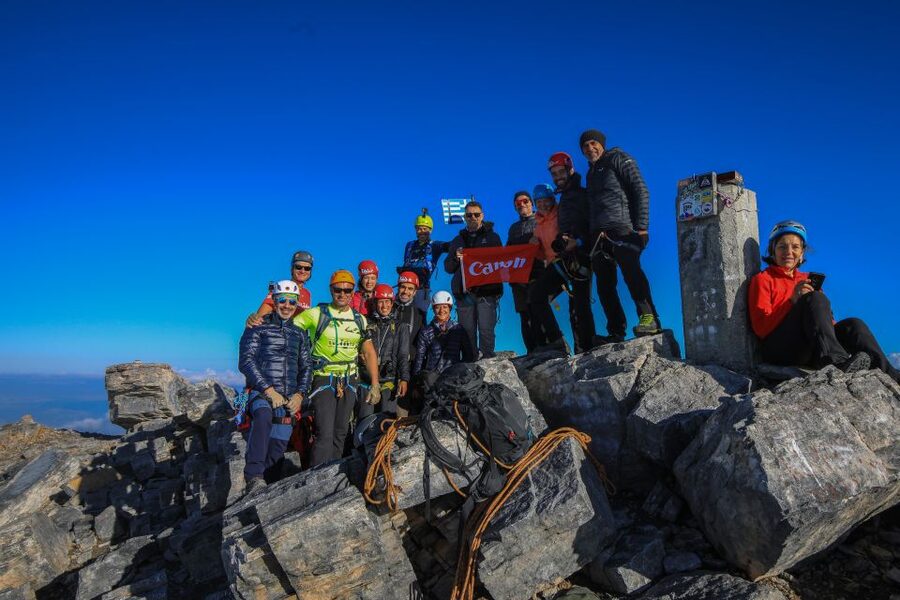
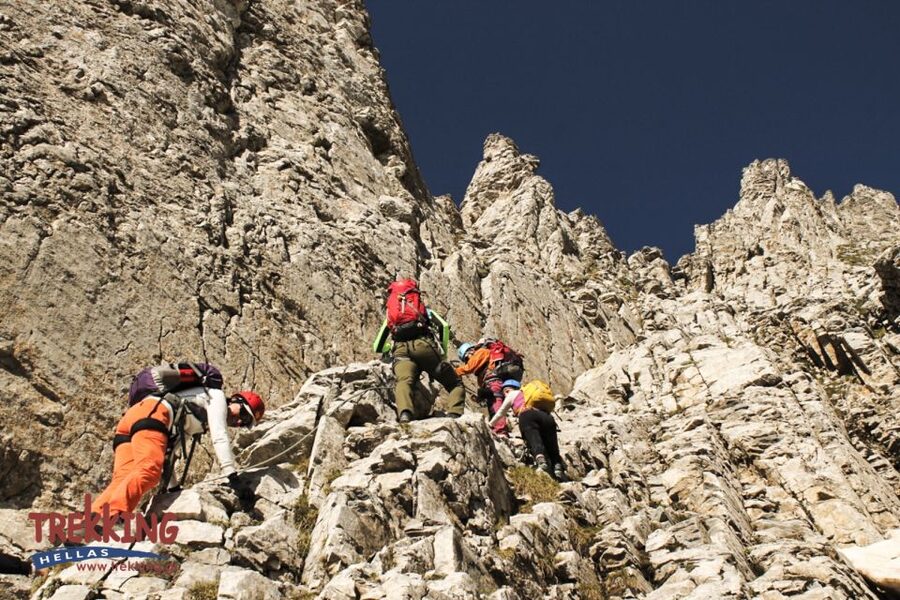
Mytikas is the target, and it’s the point where the day turns from hiking into something closer to climbing with a hiking mindset. You’re going up to 2,918 m, and the terrain can include scramble steps where ropes and safety gear make a difference.
The tour includes necessary equipment for the activity, including a helmet and harness. That’s not just a nice-to-have. It signals that you should plan for technical ground. One person’s description of the summit approach talks about a grade 3 scramble feel, with rope work and protective gear. That’s a useful warning: if you’ve never done scrambling, you’ll want calm nerves and good footwork.
Safety here is more about your behavior than raw strength. When you’re using a harness and helmet, you still need to:
- Keep your attention on your steps
- Move when instructed, not when you feel rushed
- Avoid panic if the terrain feels exposed
Weather can change how the summit feels
The altitude and the mountain’s mood matter. You might get ideal conditions, or you might get rain and even hail. When that happens, the technical sections can feel tougher because surfaces get slick and visibility drops.
If the weather turns, your best strategy is simple: treat the day as a safety-first hike. Guides prioritize getting everyone through the hard parts in the right order. If you feel extra waiting time on a rope segment because the group is coordinated as a unit, that’s normal. It’s also part of why the small group size matters.
Safety gear and the guide style that keeps you moving
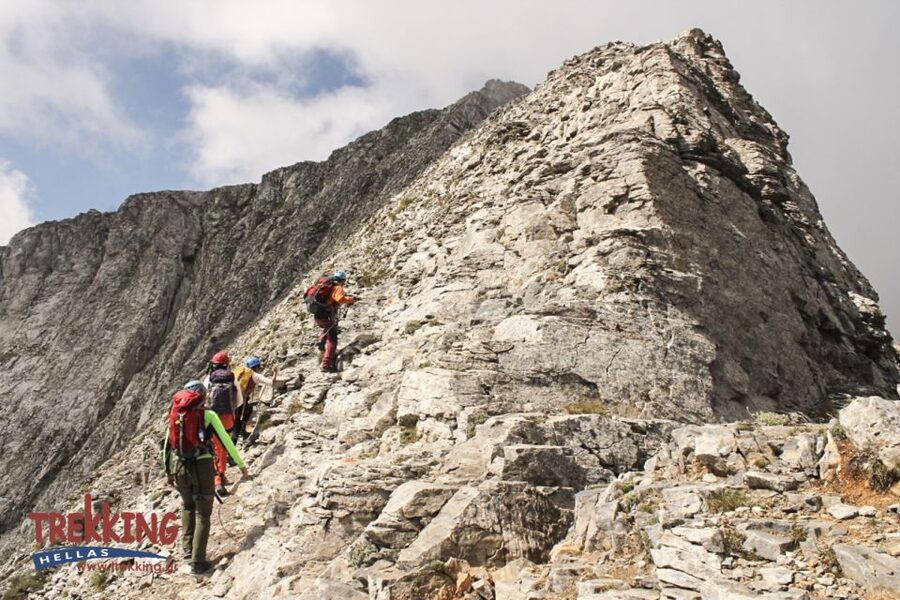
This trek runs with an English-speaking trekking guide, and there’s also a Greek/English live guide setup. In practice, that language support helps a lot on technical sections where you need quick, clear instructions—especially if you’re tired.
People also specifically name guides like Thanasis and Dassos in their experiences. The common thread is that the guidance feels safety-focused but not stifling: you get help and coaching without constant interference. That’s what you want on a summit day. You’re not being micromanaged, but you’re not left guessing either.
The included equipment is another key value piece: helmet and harness are part of the plan. For you, that reduces stress because you don’t have to source the right gear right before your hike.
The little “support” moments matter
One experience includes a guide helping with a personal issue: an iPhone left at a restaurant two hours away from someone’s hotel, and the guide worked with the village to help sort it out. That’s not something you should plan on happening every time, but it does tell you something real about the local mindset: the guides take responsibility seriously, beyond just the walking.
What’s included, what’s not, and how that affects your packing
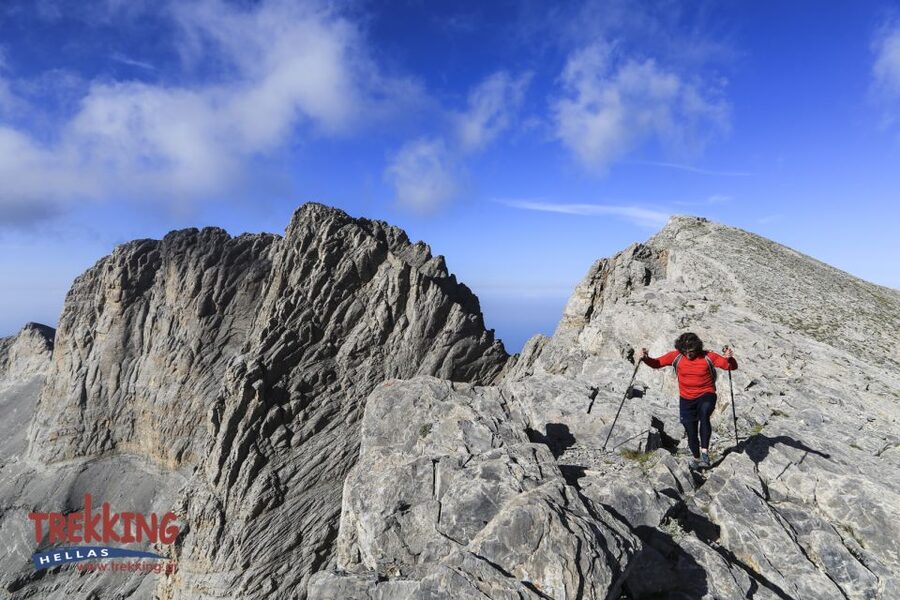
The tour package includes:
- English-speaking trekking guide
- Local 4×4 transfer (Kalivia ↔ Christakis mountain hut)
- Helmet and harness
- Light snack
- Special passport info guide for Litochoro village with discounts in selected shops
- Taxes and liability insurance
What’s not included is equally important: food and drinks. This matters on a 9-hour mountain day. Even with a light snack included, you should plan on bringing enough water and additional calories if you know you get hungry on long hikes.
Packing list: don’t show up under-dressed
Bring hiking shoes with good grip and a daypack. You’ll also want layers, since mountain weather can shift quickly.
From the recommended list:
- Drinks and a reusable water bottle
- Hat
- Jacket
- Comfortable clothes and breathable long-sleeved layers
- Trekking gear and closed-toe shoes
And add one practical tip: if you’re doing this in shoulder seasons or if storms are possible, plan for wet conditions. Waterproofing on shoes/socks and a rain layer can be the difference between confident movement and constant worry.
Who this Olympus summit day is for (and who should skip it)
This is a guided trek with strict participation requirements. The activity is for ages 13 to 70 (children need a parent). It requires good physical and mental condition.
It’s not suitable for:
- Children under 13
- Pregnant women
- People with mobility impairments
- People with heart problems
- Wheelchair users
- People afraid of heights
- People with vertigo
- People over 130 kg (287 lbs)
- People with high blood pressure
- People with low level of fitness
- People over 70
If any of those apply to you, the honest call is to choose a different Olympus experience. Olympus is gorgeous, but it’s not the place to force a risky mismatch.
A reality check on fear of heights and vertigo
Even if you think you’re “fine on trails,” the technical ground near the top is different. Harness and helmet help, but they don’t erase height exposure. If you’ve ever had vertigo on staircases or steep viewpoints, take that seriously here.
Price and value: is $223 a fair deal for 2,918 meters?
At $223 per person for a 9-hour, guided summit attempt, the value depends on what you compare it to.
Here’s what you’re paying for beyond “just a hike”:
- A professional guide (English-speaking, plus Greek/English live support)
- Included safety equipment: helmet and harness
- A 4×4 transfer that saves time and energy before steep sections
- A small group capped at 8, which improves the experience on technical terrain
- Liability insurance included
- A light snack and local village info via the Litochoro passport guide
If you tried to DIY Olympus up to the highest point safely, you’d likely spend time arranging gear, permits, guide support, and timing. Even if you could coordinate it, it wouldn’t be as controlled for safety.
So for many hikers, $223 feels reasonable because the day includes real technical support, not just a walking guide. The main “cost” is your fitness and comfort level. If you’re in the right shape and you’re okay with technical scrambling, you’ll likely feel like you got your money’s worth quickly.
Timing, weather, and how to set yourself up for success
This tour is 9 hours long, with starting times depending on availability. Since you don’t control mountain weather, your job is to show up ready to handle changing conditions.
My practical checklist:
- Start hydrated and fueled. Don’t wait until you’re already struggling.
- Wear breathable layers, but bring a jacket because wind and rain can show up fast.
- If there’s rainfall or hail, accept that the route may feel slower. Safety comes first.
- Move with the group. The summit plan works because everyone navigates technical parts at the right time.
Also, plan for this to be a high-effort day. Even if you’re used to hiking, the combination of altitude, steep ground, and occasional scrambling will tax your legs and focus.
Final verdict: should you book the 1 Day Summit Olympus trek?
If your goal is a true Olympus summit day—Skolio to Mytikas—this is a strong option. You get the 4×4 transfer to the Christakis hut, a structured E4 route, and safety gear that matches the terrain. The small group size also gives the day a calmer feel when the route turns technical.
You should skip it if you’re not comfortable with heights, have vertigo, or you know you struggle with steep scrambling. And if you’re expecting a leisurely stroll with big photo stops every few minutes, this won’t match that vibe. This is work—but good work, done with competent support.
If you’re the right fit, booking this one day can be the best use of your time. Olympus’ myths are loud. This hike lets you meet the mountain on its own terms.
FAQ
How long is the 1 Day Summit Olympus experience?
It lasts about 9 hours.
What summit does this tour aim for?
The highest point on the route is Mytikas at 2,918 meters.
Do I need a guide, and what languages are offered?
Yes. You’ll have a live guide. The languages listed are Greek and English.
How many people are in the group?
The group is small, limited to 8 participants.
What does the tour include?
Included are an English-speaking trekking guide, 4×4 transfer from Kalivia to Christakis mountain hut and back, helmet and harness, a light snack, a Litochoro village passport/info guide (with discounts in selected shops), taxes, and liability insurance.
What should I bring for the hike?
Bring hat, water, drinks, hiking shoes, a jacket, comfortable clothing and breathable long-sleeved layers, a daypack, outdoor clothing, trekking gear, and a reusable water bottle.
Is food or drinks included?
No. Food and drinks are not included.
What ages can participate?
Ages 13 to 70 are included (children must be accompanied by parents).
Is this suitable if I’m afraid of heights?
No. It’s listed as not suitable for people afraid of heights or with vertigo.
What is the cancellation policy?
Free cancellation is available up to 24 hours in advance for a full refund.