One day on Olympus feels almost unreal at first. This small-group hike targets Mytikas (2918m) from the west side, using a 4×4 to cut the climbing time down and make a summit day realistic. You’ll start in Kalyvia, ride up to a high mountain hut, then finish on foot with a guide who keeps the route safe and clear.
I love how this is built for a one-day push: you’re not doing the entire ascent from sea level. I also love the safety-first vibe, with guides who take mountain risk seriously (the group includes guides like Kostas, Thanasis, Stregios, and Tasos).
One consideration: the day is weather-dependent and includes scrambling on rougher ground near the top, so you need solid basic fitness and comfort with uneven trails. Also, this experience can’t be changed or refunded if you cancel for personal reasons, so book only when your weather window is realistic.
In This Review
- Key Things To Know Before You Go
- A Fast, Safe Route to Mytikas From Kalyvia
- 4×4 Up to the Christakis Hut: Why the Drive Matters
- Olympus National Park Stop: Getting Oriented Early
- Hitting the E4 Trail: Skolio, Skala, and Where the Work Starts
- Kakoskala Scramble to the Mytikas Summit
- What the Small Group Size Really Gives You (Max 8)
- Timing, Weather, and Cloudy-Mountain Reality
- Gear, Fitness, and Safety Tips That Keep You Comfortable
- Price of $167.76: What You Get for a One-Day Olympus Summit
- Who This Tour Fits Best (and Who Might Feel Strained)
- Should You Book This One-Day Mt. Olympus Hike?
- FAQ
- How long is the Mt. Olympus hike to Mytikas?
- Where do we meet, and when does the tour start?
- What is the group size?
- What is the highest point you reach?
- What fitness level do I need?
- What happens if the weather is bad?
Key Things To Know Before You Go
- 4×4 up to Christakis hut (2430m): you’ll trade some road time for fewer low-elevation hours on foot.
- E4 European Trail segment: part of the hike follows a recognized long-distance route, which helps with wayfinding.
- Skolio (2912m) to Skala: the hike builds in altitude, then the hardest work starts after Skala.
- Scramble to Mytikas from Kakoskala: the final stretch is the technical part, not a casual stroll.
- Max 8 people: expect a calmer pace, tighter guidance, and easier group management on the mountain.
- Good-weather requirement: cloudy, icy, or snowy conditions can change what’s possible.
A Fast, Safe Route to Mytikas From Kalyvia
This is a serious “summit day” plan, but not the chaotic kind. The idea is simple: reach a high starting point by vehicle, then hike the remaining section with a guide. That structure matters because Olympus is big, and a one-day plan can become stressful fast if you’re starting too low.
You’ll meet in the center of Kalyvia (402 00, Greece) at 8:00am, and the day runs about 10 hours total. The timing is set up so you have enough daylight to hike, traverse, and scramble, not just reach the mountain and hope for the best.
The route also focuses on the west side approach, which is a big part of why you can attempt the highest peak Mytikas in a single day. If you’re short on time in Greece but still want the real summit experience, this is the kind of day that fits.
4×4 Up to the Christakis Hut: Why the Drive Matters
The morning starts with a ride toward the mountain hut Christakis, beginning from Kalyvia. The drive is split: the first 20 km is tarmac, then it turns into a dirt road for another 22 km. That mix is important. Tarmac is smooth and quick, but the dirt-road section is where you feel the vehicle work, and you’ll want to be mentally ready for a bumpy ride.
You’ll crest to about 2,430 meters before switching to hiking. For many people, this is the difference between an exhausting “long day” and a manageable summit attempt. You’re saving energy for the steeper portion and the scramble near the top—where small mistakes or low energy really show.
Also, leaving the vehicles at the hut means the hike is concentrated. You’re not stuck doing hours of driving, stopping, and transferring gear while your legs warm up and cool down. You’ll get the mountain rhythm faster.
Olympus National Park Stop: Getting Oriented Early
Early in the day, you’re within Olympus National Park, which gives the trip a grounded, outdoorsy feel from the start. Before you start moving on foot, you have time to get oriented: meet your group, meet your guide, and take in the mountain scale.
That orientation period is more than scenic. It’s where the guide sets expectations for pace, safety, and footing. If weather is changing (and in the Olympus area, it often can), this is the time you learn how the plan will respond.
Hitting the E4 Trail: Skolio, Skala, and Where the Work Starts
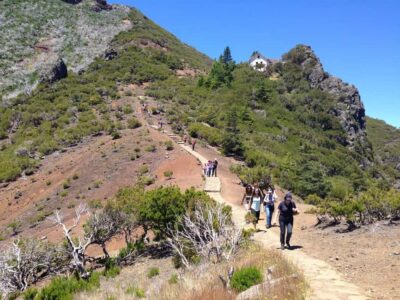
Once you leave the hut, the hike switches into “real mountain mode.” You follow the E4 European Trail for roughly 60 to 70 minutes, and that’s a useful detail because it signals a maintained route portion rather than pure off-trail wandering.
During this stage, you traverse over the peak of Skolio at 2,912m, then work toward Skala. This is where you’ll notice altitude and trail character more clearly. The E4 segment helps you stay focused on effort instead of constant navigation checks.
Then comes the pivot: the most difficult part starts at Skala. That’s the moment the hike shifts from steady trekking to a tougher push. If you treat Skala as a checkpoint—rather than a finish line—you’ll climb better. Saving energy for the hardest section is the whole game.
Kakoskala Scramble to the Mytikas Summit
From Skala, the climb continues to Kakoskala, where the route includes a scramble to the summit. The key word here is scramble. That means hands might be needed, steps can be uneven, and you’ll want to keep your attention locked on your next foothold.
You reach Mytikas at 2,918m, the highest point on Mount Olympus. Standing on the summit is the obvious payoff, but the bigger win is that you got there in one day without turning it into a reckless push.
This is also where having the right guide matters. The group includes guides with mountain rescue experience, and that shows up in how they manage risk and pace. Guides like Thanasis are described as safety-conscious and at ease in mountain rescue contexts—exactly the kind of background you want when the trail turns demanding.
If the weather is rough—cloudy skies, potential snow—footing can change quickly. One review specifically mentioned cloudy conditions with a little snowfall. That’s why your best strategy is simple: move carefully, follow the guide’s line, and don’t treat the scramble like a normal hiking section.
What the Small Group Size Really Gives You (Max 8)
The tour caps at 8 travelers, and that’s not just a comfort detail—it affects the entire experience. Small groups spread out less, so you get a clearer route rhythm. It also makes it easier for the guide to check on everyone’s form, footing, and breathing.
Smaller numbers matter most on uneven ground near the top. Scrambling is not the time for a big group that can’t slow down. With a max of 8, you’re more likely to get the kind of close, practical guidance that keeps you moving confidently.
There’s also a psychological benefit. A small group feels less like a race. You’re more likely to pause when you need to, rather than stretching to match someone else’s pace.
Timing, Weather, and Cloudy-Mountain Reality
This hike is designed for a roughly 10-hour day starting at 8:00am. That start time is practical, because summit conditions depend heavily on daylight and temperature. You’ll spend the early hours climbing toward the hut and trail portion, then reserve the push for the higher section.
But weather is the deciding factor. The experience specifically requires good weather, and if it’s canceled because conditions are poor, you’ll be offered a different date or a full refund. In other words: you’re not supposed to gamble your day on the mountain being kind.
In the real world, that can mean you’ll watch the sky closely and adjust your expectations. Reviews mention super cloudy weather and even a little snowfall. In that scenario, take the day for what it becomes: slower footing, more careful scrambling, and colder temps than you expected.
Gear, Fitness, and Safety Tips That Keep You Comfortable
This is for people with at least moderate physical fitness. You don’t need to be an athlete, but you should be able to hike uphill for hours and handle uneven terrain.
Equipment is included, which is a big value point. It reduces the hassle of renting or shopping for the right basics before you arrive. You still need to show up properly prepared with your own essentials.
One safety tip that stands out: wear sunscreen on your face. In mountainous areas, sun can still be strong even when the air feels cool. Also pack for changing conditions—cloud cover, cold air, and possible snow can all make your clothing choices matter more than usual.
Finally, trust the guide’s instructions. Reviews emphasize that guides (like Kostas and Stregios) keep people feeling safe and looked after. On the scramble section, that guidance is what keeps you from rushing or losing balance.
Price of $167.76: What You Get for a One-Day Olympus Summit
The price is $167.76 per person, and for a one-day shot at 2918m—with a vehicle-assisted approach, guided hiking, included equipment, and a small group cap—that can be good value. You’re paying for the whole package that makes a summit day efficient and controlled.
Here’s what you’re really buying:
- A 4×4 ride that gets you near 2,430m, saving real time and energy
- A guide-led route to Mytikas with the harder section handled responsibly
- Included equipment, so you’re not stuck figuring out what you need last-minute
- A group limit that helps safety and pacing
Also note the booking rhythm: it’s commonly reserved about 31 days in advance. That’s a signal of popularity and availability. If you’re serious about fitting Mytikas into your schedule, plan ahead so you’re not trying to solve logistics at the last minute.
English is available, and the tour uses a mobile ticket, which keeps things simple if you’re already traveling with your phone.
Who This Tour Fits Best (and Who Might Feel Strained)
You’ll likely love this tour if you want the summit and you don’t have a multi-day window. If you’re comfortable hiking with elevation gain and you’re okay with a scramble, you’re in the right zone.
This is also a strong fit if you prefer guided structure. Olympus can feel huge and intimidating, even when the trail is marked. A guide gives you a plan and a safety net—especially in changeable weather.
If you know you hate scrambling, or if you’re not comfortable with uneven footing under time pressure, this might be harder than you expect. Some people find there’s more scrambling than anticipated, so choose honestly based on your comfort level—not just your fitness score.
Should You Book This One-Day Mt. Olympus Hike?
Book it if you meet the basics: moderate fitness, comfort with rougher trail and scrambling, and realistic weather expectations. The small group size, included equipment, and the west-side one-day strategy make it a practical way to target Mytikas (2918m) without turning your holiday into a multi-day survival project.
Hold off if you’re traveling on shaky weather days or you can’t afford the risk of a weather-driven cancellation. This experience has a good-weather requirement, and while poor-weather cancellations are handled with a date change or a full refund, personal cancellations aren’t refundable.
If you want a high-value day trip that combines a vehicle-assisted start with a real summit challenge, this is a smart way to spend your time in Greece.
FAQ
How long is the Mt. Olympus hike to Mytikas?
The tour runs for approximately 10 hours.
Where do we meet, and when does the tour start?
You meet in the center of Kalyvia (402 00, Greece) at 8:00am, and the tour ends back at the meeting point.
What is the group size?
The tour has a maximum of 8 travelers.
What is the highest point you reach?
You hike to Mytikas, which is listed at 2,918 meters elevation.
What fitness level do I need?
The tour is described as suitable for travelers with moderate physical fitness.
What happens if the weather is bad?
The experience requires good weather. If it’s canceled due to poor weather, you’ll be offered a different date or a full refund.