REVIEW · SAMARKAND
Yurt stay and Hiking in the Nurata Mountains tour – 2 days
Book on Viator →Operated by Nuratau Travel · Bookable on Viator
A yurt night beats a museum day. This two-day trip turns the long Samarkand-to-Bukhara route into something more active: you’ll spend the night at Sayyod Yurt Camp near the Nuratau Mountains, then walk, eat well, and soak in mountain calm before rolling into Bukhara. The pace is simple on paper, but the setting makes it feel like a proper reset.
I love the practical comfort of the yurt setup—clean, functional basics and the chance to actually unwind instead of rushing between monuments. I also like the guiding: you get an escort guide for the hiking, so you’re not wandering around guessing which trails make sense.
One thing to consider: sleeping in a yurt can mean sharing space with small nighttime visitors. One concern that came up is locusts getting into bedding, which can make sleep harder on buggy nights.
In This Review
- Quick reasons to do this Nurata yurt + hike tour
- Leaving Samarkand: the day starts with a long but worthwhile drive
- Sayyod Yurt Camp: your mountain home base for one night
- Yurt reality check (and what to bring)
- Day 1: arriving for lunch, then hiking with a mountain escort
- Why the short-to-medium trekking style matters
- Day 2: breakfast, then rolling into Bukhara via Lake Aydarkul
- The practical value of the lake stop
- Nurata city visit: Juma Mosque, Chashma spring, and Alexander’s fortress ruins
- What to expect on-site
- Price and value: what $229.78 really buys you in two days
- What to pack for a yurt night and a real walk
- Who should book this Nurata Mountains yurt stay
- Should you book this Nurata yurt stay and hike?
- FAQ
- How long is the tour?
- What time do you get picked up?
- Where do you stay overnight?
- What meals are included?
- Is there a guide for the hiking?
- Are entrance fees covered?
- What if the weather is poor?
Quick reasons to do this Nurata yurt + hike tour
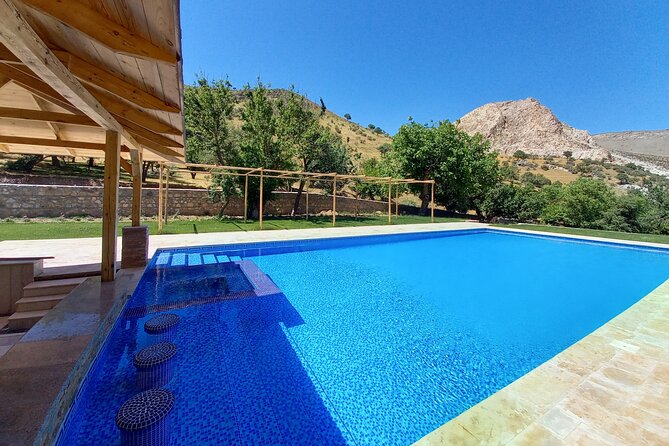
- Sayyod Yurt Camp puts you in the mountains fast, with an overnight base that feels like a real escape
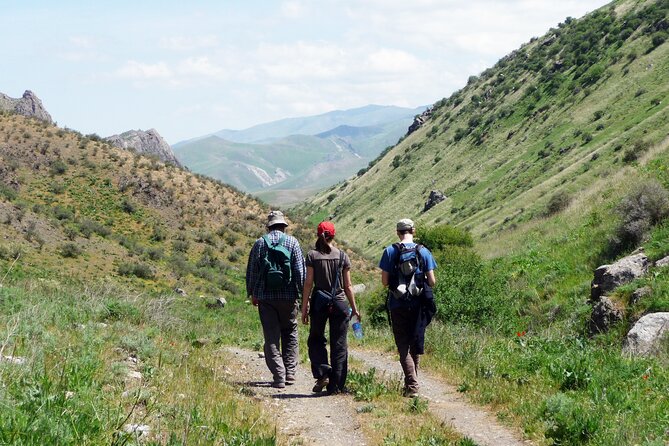
- A guided hike in the Nuratau Mountains keeps the walking enjoyable and well-timed
- Lake Aydarkul offers an easy nature break on the way to Bukhara, with a lakeside walk and possible swimming if conditions allow
- The Nurata stop mixes faith and history at the Chashma pilgrimage complex, plus Juma Mosque and Alexander’s fortress ruins
- Meals are built in (breakfast, dinner, and two lunches), so you’re not hunting food all day
Leaving Samarkand: the day starts with a long but worthwhile drive
Your day begins at 9:00 AM with pickup, then a drive of about 4 hours toward Sayyod Yurt Camp. That’s a chunk of time, but it pays off: you’re moving from city sights into a mountain setting without needing to plan a separate bus + hotel combo.
In practice, this structure works because it gives you a clean start. You arrive around lunch time, get settled, and you’re not stuck trying to do logistics while you’re tired. If you like day trips that feel efficient, this one has that feel.
Sayyod Yurt Camp: your mountain home base for one night
Sayyod Yurt Camp is set up for comfort in a simple, outdoorsy way. You’ll stay in one of 11 yurts, each with 1 to 4 beds, and you get access to the camp’s amenities. That includes a restaurant and an outdoor swimming pool with a view of the mountains.
A big part of why I think this works is that it’s not just a place to sleep. It’s a base where your day has a natural rhythm: arrive, eat, and settle. You’ll have dinner and breakfast included, plus lunch on the day you arrive.
Yurt reality check (and what to bring)
Yurts are practical, but they’re still outdoors-adjacent. One review mentioned clean and usable toilets, and that’s reassuring. Still, insects can be an issue at night. If you’re the type who gets annoyed by bug problems, plan to bring what helps you cope. Think in terms of sleep comfort: breathable layers, something that covers you well at night, and a calm attitude about the fact that you’re not in a hotel.
I’d also treat the yurt as a place to recharge, not as a place to expect indoor quiet like you’d get in a city room.
Day 1: arriving for lunch, then hiking with a mountain escort
On day 1, you’ll reach the camp by lunch time and then spend your afternoon with Nuratau Mountains walking led by an escort guide. The hike time listed is about 3 hours, which is long enough to feel like you did something, but not so long that it becomes exhausting.
What you gain from this guided approach is clarity. You’re not just walking for the sake of walking. You’re getting a route and pacing that fits the area and keeps you moving through the experience without constant stopping to figure things out.
Why the short-to-medium trekking style matters
This is one of those trips where you’re traveling between major Silk Road cities, but you’re not stuck doing only the typical tourist circuit. Instead of spending all day on roads, you trade some city fatigue for mountain air and straightforward time outside.
That mix matters because it changes how Bukhara and Samarkand feel in your trip. With a night like this between them, the cities don’t blend together as much.
Day 2: breakfast, then rolling into Bukhara via Lake Aydarkul
After breakfast, you leave the yurt camp and head toward Bukhara, with the drive taking about 3 hours. On the way, you stop at Lake Aydarkul for about 1 hour.
This part of the itinerary is exactly the kind of break that makes a road day feel less like work. You’ll walk along the peaceful lakeshore, and if the weather is suitable, you can also take a swim.
The practical value of the lake stop
Even if you only have time for a short stroll, the lake stop does two useful things:
- It breaks up the drive so you arrive in Bukhara less stiff and tired
- It gives you a visual reset that isn’t another mosque courtyard or market stall
For many people, that’s the difference between arriving cranky and arriving ready to explore.
Nurata city visit: Juma Mosque, Chashma spring, and Alexander’s fortress ruins
Later on day 2, you arrive in Nurata and eat lunch at a traditional guesthouse. After lunch, the tour includes a visit to a pilgrimage site featuring Juma Mosque, the holy spring Chashma, and the ruins of Alexander the Great’s fortress.
This stop gives the trip a different flavor than the mountain and lake moments. It’s more about meaning, not just scenery. The holy spring at Chashma is the kind of place that carries local importance, and pairing it with the mosque and the historic ruins gives you a layered understanding of the area.
What to expect on-site
Plan for a quick, focused visit rather than a long museum-style experience. You get about 1 hour here, so your best strategy is to go with a curious mindset: look closely, ask questions if you have them through your guide, and don’t try to pack in extra sightseeing beyond what’s scheduled.
Price and value: what $229.78 really buys you in two days
The price is $229.78 per person for about 2 days. On the surface, it’s not a budget bargain. But when you break it down, it starts to look like good value for what’s included.
You’re getting:
- Round-trip-style logistics with pickup and a driver throughout
- An air-conditioned vehicle for the transfers
- Overnight stay in a yurt, with access to camp amenities
- Breakfast, dinner, and two lunches
- Hiking escort guidance in the Nuratau Mountains
- Entrance fees in Nurata city
Where this becomes good value is in avoiding extra costs and extra planning. You don’t need to arrange separate transport to the mountains, book a standalone lodge, and then figure out meals. The tour bundles it, and that saves both time and stress.
If your travel style likes structured comfort and you want a real nature break without extra hassle, the price makes sense.
What to pack for a yurt night and a real walk
This trip works best when you pack for two environments: outdoors walking and an overnight that’s cozy but not hotel-level.
Bring:
- Comfortable walking shoes for uneven ground
- Layers: mornings and evenings can feel cool in mountain areas
- A light rain layer, since the tour is weather-dependent
- Bug-friendly sleep strategy, given the noted locust issue
- Any personal toiletries you prefer, even though the camp toilets are described as clean and practical
The key idea: yurt comfort is good, but it’s still the outdoors. If you show up expecting a city bed, you’ll be disappointed. If you show up with the right expectations, it feels genuinely refreshing.
Who should book this Nurata Mountains yurt stay
This tour is a strong match if you want:
- A nature escape between Samarkand and Bukhara
- A guided hiking window that feels doable (about 3 hours)
- A one-night stay where you actually relax, thanks to camp amenities and built-in meals
- An offbeat addition that goes beyond city sightseeing
It’s also private, meaning it’s just your group. That tends to make the pacing feel more flexible and comfortable, especially on the hiking and transfers.
If you’re in love with city history only, you might feel the mountain portion is too “outside the usual.” But if you want a balanced trip where the outdoors and the Silk Road both get their moment, this hits the sweet spot.
Should you book this Nurata yurt stay and hike?
I’d book it if you’re trying to break up a Silk Road itinerary with something real and different. The standout value here is the combination: mountains for walking, a proper yurt night with included meals, and then a meaningful cultural stop in Nurata before you land in Bukhara.
I’d think twice if you know you can’t sleep well in bug situations, since at least one person reported trouble from locusts getting into bedding. If that’s you, plan smarter with sleep protection or consider whether a different style of stay fits your comfort level better.
Overall, this is the kind of two-day detour that makes your broader trip feel more memorable, not just longer.
FAQ
How long is the tour?
It runs for about 2 days.
What time do you get picked up?
Pickup starts at 9:00 AM.
Where do you stay overnight?
You stay one night at Sayyod Yurt Camp in the area of the Nuratau Mountains.
What meals are included?
Breakfast and dinner are included, and lunch is included twice during the two days.
Is there a guide for the hiking?
Yes. You get an escort guide for hiking in the Nuratau Mountains.
Are entrance fees covered?
Entrance fees in Nurata city are included.
What if the weather is poor?
This experience requires good weather. If it’s canceled due to poor weather, you’ll be offered a different date or a full refund.