REVIEW · FUJI
Walk the Ancient Pilgrim Paths of Mt. Fuji – Private Tour
Book on Viator →Operated by Yuki(ゆうき) · Bookable on Viator
The Mt. Fuji walk is shorter, not weaker. You trade the summit slog for a peaceful pilgrimage path on the Ochudo Trail, starting from the Mt. Fuji 5th Station for big views and calmer vibes. The payoff is walking with a local certified mountain guide, learning the sacred and cultural side of Fuji without getting swallowed by summit crowds.
I love how this route keeps things manageable: the 2.5 km (1.6 mile) section is mostly flat with gentle slopes, so you can enjoy the scenery instead of racing your legs. I also love the guide-led pacing—Yuki (ゆうき) is known for clear English storytelling and adjusting the plan when weather shifts.
One consideration: you’ll hike in mountain conditions, and lunch at the hut is Japanese food that is not vegetarian-friendly, so plan for that (and bring cash).
In This Review
- Key highlights at a glance
- Mt. Fuji on foot, without the full summit rush
- Where the tour starts: Lake Kawaguchiko and the Fuji setup
- Mt. Fuji 5th Station: shrine, altitude air, and the real start
- Fuji Subaru Line: the ride that buys you time
- Okuniwa Nature Park and Okuniwaso: a mountain-hut break
- The main event: Ochudo Trail’s 2.5 km pilgrimage section
- Yuki’s guiding style: what you’re paying for beyond the path
- What’s included (and what you’ll need to plan for)
- Price and value: is $143.34 per person a fair deal?
- Who this tour fits best
- Timing tips: booking in advance and reading Fuji weather
- Should you book? A quick decision guide
- FAQ
- How long is the Mt. Fuji 5th Station and Ochudo Trail private walk?
- Where can you join the tour from?
- Is the hike difficult?
- What distance of the Ochudo Trail do you walk?
- What hiking gear is included?
- Is lunch included, and can it be vegetarian?
- Does the tour include Mt. Fuji entrance fees?
- When does the tour operate?
Key highlights at a glance
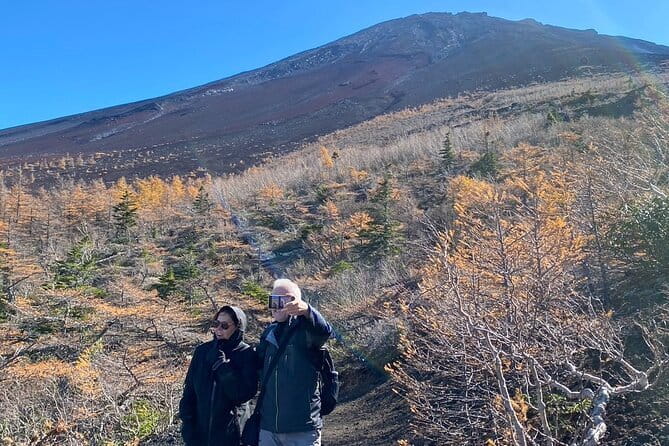
- Ochudo Trail, 2.5 km: the historic pilgrimage feeling without needing a full summit climb
- English-speaking certified guide (Yuki): stories plus real-world pacing that keeps the day comfortable
- Gear rental included: hiking shoes, rainwear (mainly adults), and trekking sticks
- Mt. Fuji 5th Station focus: a well-developed start point with shrine and views
- Mountain-hut lunch stop: Okuniwaso atmosphere and classic Japanese dishes, with cash needed
- Private, pick-up with Kawaguchiko base: your group moves together, not with a giant bus crowd
Mt. Fuji on foot, without the full summit rush
This is a smart way to experience Mt. Fuji’s most iconic mood—sacred, windy, and view-heavy—without committing to the full top-to-bottom grind. Instead of aiming for the summit, the tour centers on the pilgrimage history and the feeling of being on Fuji’s mountain route, especially around the 5th Station and a 2.5 km section of the Ochudo Trail.
You get a guided walk designed for real people: the path is described as mostly flat with gentle slopes, so it works for a range of fitness levels. It’s also scheduled for a seasonal window (May to December), which matters because Fuji weather can be unpredictable.
The vibe is also about escaping the chaos. Starting and walking on the Fuji side—rather than packing into the busiest tourist loops—means you can slow down and actually notice what’s happening around you: the air change at altitude, shrine details, and the rhythm of a pilgrimage trail.
Where the tour starts: Lake Kawaguchiko and the Fuji setup
Most Fuji days go one of two ways: either you rush to viewpoints, or you get one clean stretch of time to watch the mountain. This itinerary tries to do a bit of both.
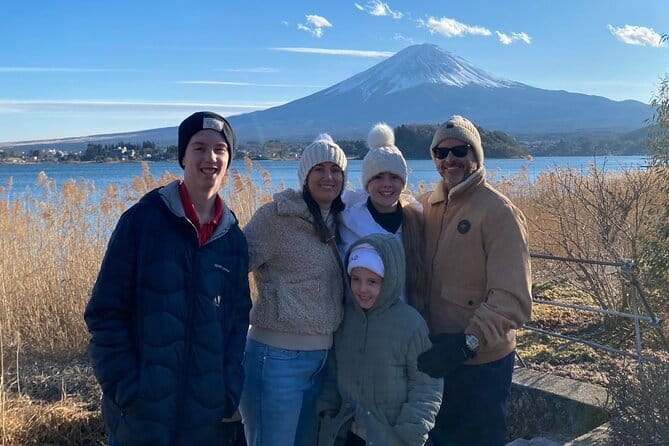
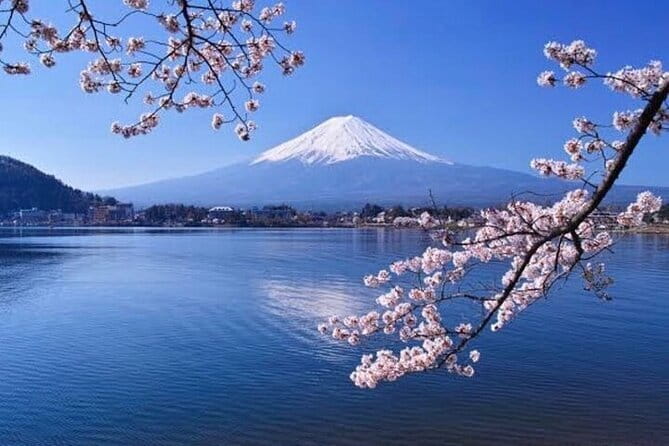
Stop 1: Lake Kawaguchiko (about 30 minutes). You’ll have time to enjoy the classic Lake Kawaguchiko + Mt. Fuji pairing, especially on sunny days. This is the “get your bearings fast” moment. If the sky cooperates, you’ll understand why this area is so popular. If it’s cloudy, you’re still set up for the hike because you’re already in the right physical space to catch Fuji in different angles.
Then you roll toward the mountain itself. The day’s structure is useful: you see Fuji from the lake first, then you meet it up close at the 5th Station.
Mt. Fuji 5th Station: shrine, altitude air, and the real start
Stop 2: Mt. Fuji 5th Station (about 30 minutes). This is the entrance area for people who climb Fuji. It’s the most developed of the 5th stations, so you’re not dropped into something remote and confusing. You also have a key cultural stop: the Komitake shrine area is part of the experience here.
This matters because Fuji isn’t just a mountain view—it’s tied to worship and tradition. Even if you don’t know the details yet, being at the shrine zone before the walk helps you interpret what you’ll see along the trail. It sets the tone for the pilgrimage path you’ll hike later.
Fuji Subaru Line: the ride that buys you time
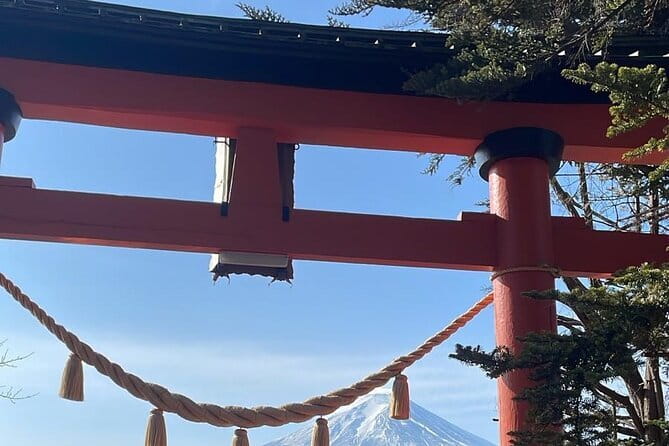
Stops 3 and 5: Fuji Subaru Line (about 45 minutes each time). You’ll travel this road to reach and return from the 5th Station area. Two things make this worthwhile in a tour like this.
First, it reduces the guesswork. You’re not timing buses and navigating transfers while everyone else enjoys a smooth schedule. Second, it gives the guide a chance to manage the day based on conditions—fog, wind, or cloud cover can change how comfortable the walking feels.
The itinerary includes the relevant entrance fee(s) noted for the road segments, which is a small but welcome “less friction” detail.
Okuniwa Nature Park and Okuniwaso: a mountain-hut break
Stop 4: Okuniwa Nature Park / Okuniwaso (about 1.5 hours). This is your lunch break in a mountain-hut setting with a more traditional atmosphere. You also get time for souvenirs at the stop, which can be a nice way to bring home a small piece of the Fuji day beyond photos.
The lunch options are described as classic Japanese dishes like tempura, udon, and soba. Do note the important practical point: lunch menus are only Japanese food and not vegetarian-friendly. Costs are typically 1,000–3,000 yen per person, and you’re asked to bring some cash for the meal.
If you eat vegetarian or have dietary restrictions, you’ll want to plan ahead. The tour doesn’t advertise alternate meal formats here, so I’d treat lunch as a “follow the menu” moment.
The main event: Ochudo Trail’s 2.5 km pilgrimage section
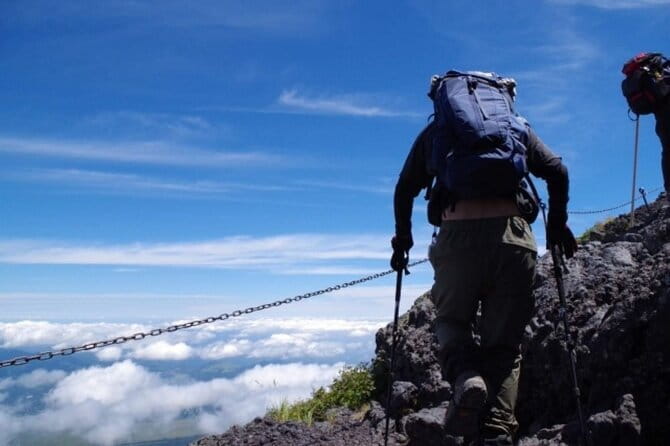
Stop 6: Mount Fuji / the Ochudo Trail walk (about 1.5 hours). This is the reason you booked.
Historically, access to the Ochudo Trail was restricted—only people who had climbed Mt. Fuji more than three times were allowed to walk this pilgrim route. Now, a 2.5 km (1.5 mile) portion is open for safety reasons, and you’ll walk that section as part of the tour.
Even at 2.5 km, the experience is meaningfully different from a casual viewpoint stroll. You’re on a trail tied to spiritual tradition, and the walking style fits that: take your time, pause for views, and let your guide connect what you’re seeing to the bigger story of Fuji.
The walk is described as mostly flat with gentle slopes, which helps explain why the tour can work for many ages and fitness levels. That said, you’re still at altitude, and trail surfaces can feel different than a city sidewalk—so steady steps matter. If you’re prone to rushing, this tour’s pacing focus (with trekking sticks available) is actually a plus.
And the views? The tour highlights a dynamic perspective of Fuji from the trail area—often the kind you can’t replicate from a single roadside stop.
Yuki’s guiding style: what you’re paying for beyond the path
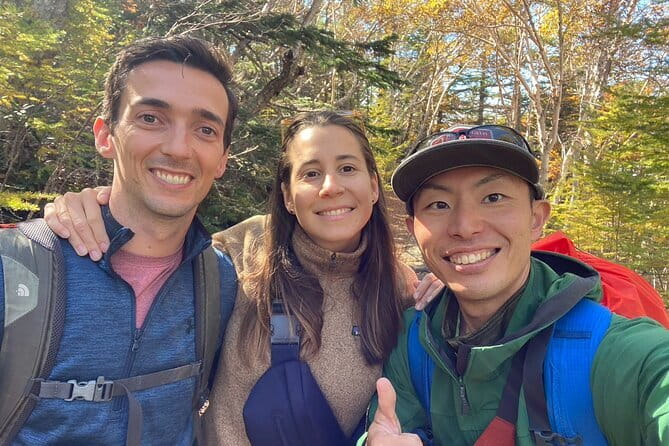
This tour’s biggest intangible value is the guide. The name that comes up repeatedly is Yuki (ゆうき), and the praise is consistent: he’s easy to talk with, speaks excellent English, and shares Mt. Fuji’s history and cultural context in a way that makes the hike click.
I like this type of guiding because it changes the day from scenic to meaningful. If you’re the kind of traveler who wants a story with your photos, Yuki’s approach seems designed for you—connecting nature, culture, and sacred past to what you’re walking through.
There’s also a practical part to his value: the day includes weather-sensitive planning. If conditions shift, having a guide who can propose alternatives on the fly is a big deal on Mt. Fuji. Even the most beautiful day can get windy or change quickly at altitude. A responsive plan beats standing around hoping for clarity.
What’s included (and what you’ll need to plan for)
Here’s where the math works for you, because it’s not just about “a guide and a walk.”
Included:
- Private transportation
- Free rental gear: hiking shoes, rainwear and trekking sticks
- Rainwear is mainly provided for adults
- Mt. Fuji entrance fee (listed as 2,100 yen per vehicle)
- Mobile ticket option
- A group format that’s private to your party
Not included:
- Lunch at Okuniwaso: typically 1,000–3,000 yen per person, Japanese only and not vegetarian-friendly
- Insurance (so if you want coverage, you’ll need to arrange it separately)
On balance, the included gear is a strong value, especially if you’re traveling light. Rental shoes and trekking sticks can turn an “I hope I’m comfortable” hike into a confident one.
Price and value: is $143.34 per person a fair deal?
At $143.34 per person for a 5 to 6 hour private tour, you’re paying for three things: transportation, a guide, and the included Fuji-related logistics.
The tour includes:
- Private transportation
- A certified English-speaking local mountain guide
- Gear rental (shoes, rainwear for adults, trekking sticks)
- Mt. Fuji entrance fee for the vehicle
If you had to source a guide, arrange transport, and rent gear separately on the spot, the total often climbs fast. Here, those costs are bundled, which is why this can feel like good value even before you factor in the convenience of a private schedule.
Is it budget travel? Not really. But it is practical and focused. You’re not paying for a full summit attempt or a long day of bus transfers. You’re paying to do the key pilgrimage portion well, at the pace it deserves.
Who this tour fits best
This experience is a good match if you:
- Want a Mt. Fuji day without climbing to the top
- Prefer a guided experience with cultural context
- Would benefit from gear rental rather than packing hiking shoes and rainwear
- Like private tours and want a schedule built around your group
- Are staying in or can easily reach the Kawaguchiko area
It’s also a smart choice if you have limited time. The total is short enough to fit into a broader Fuji-area itinerary, yet long enough to feel like a real excursion.
Timing tips: booking in advance and reading Fuji weather
This tour is generally booked about 47 days in advance on average, which hints at real demand. I’d plan on booking early, especially in peak months or if you have specific weather windows you’re trying to hit.
Also remember: this is a weather-dependent experience. If conditions aren’t workable, you’ll be offered a different date or a full refund. That’s not a small detail on Fuji. Conditions can change fast, and the difference between a comfortable walk and a miserable one often comes down to wind and visibility.
Should you book? A quick decision guide
Book this tour if you want:
- A meaningful Mt. Fuji walk on the Ochudo Trail without summit training
- An English-speaking guide who focuses on stories and pacing
- Comfort aids like rental shoes and trekking sticks
- A calm day structure built around the 5th Station and a mountain-hut lunch break
Skip it (or consider alternatives) if:
- You need a vegetarian lunch option, since lunch is Japanese-only and not vegetarian-friendly
- You’re looking for a full summit challenge rather than a pilgrimage-style hike
- You’re not able to base yourself in or reach the Kawaguchiko area, since the tour is intended for guests coming from there or already staying there
If your ideal Fuji day is shorter, calmer, and story-rich—this one makes a lot of sense.
FAQ
How long is the Mt. Fuji 5th Station and Ochudo Trail private walk?
The tour runs about 5 to 6 hours.
Where can you join the tour from?
Pickup is offered, but the tour is available only for clients who are coming to the Kawaguchiko area themselves or are already staying in that area.
Is the hike difficult?
The Ochudo Trail section is described as mostly flat with gentle slopes, and it’s presented as suitable for all ages and fitness levels.
What distance of the Ochudo Trail do you walk?
You’ll hike a 2.5 km (1.6 mile) section of the historic Ochudo Trail.
What hiking gear is included?
Rental gear is included, including hiking shoes and rainwear (mainly for adults), plus trekking sticks.
Is lunch included, and can it be vegetarian?
Lunch is not included. You stop at Okuniwaso for Japanese food, and it’s noted as not vegetarian-friendly.
Does the tour include Mt. Fuji entrance fees?
Yes. The entrance fee of Mt. Fuji is included (listed as 2,100 yen per vehicle).
When does the tour operate?
It runs from May to December.