REVIEW · SEMBALUN
Sembalun/Senaru: Mt. Rinjani Summit 2-Day Trekking Tour
Book on GetYourGuide →Operated by uji trekking · Bookable on GetYourGuide
Mt. Rinjani demands effort, then pays you back. This 2-day summit trek from Sembalun/Senaru strings together savanna views, Lake Segara Anak at sunset, and a very real sunrise payoff—plus the kind of mountain logistics that keep you focused on walking. I especially love the day-by-day pacing with named stops (POS-1, POS-2, POS-3) and the fact that porters handle the heavy cooking and camping gear. One possible drawback: you’re sleeping on a crater rim and trekking in the dark, so you need to be ready for cold, sand-and-gravel footing, and a flashlight/headlamp plan.
What makes it feel different from a simple hike is the crater-camping stage. You get an evening to look over much of North Lombok Island and then a night in your tent before the early summit push. The second morning starts at 1:30 a.m., so this tour is best for people who don’t mind a late start to comfort and a very short, intense window of daylight at the top.
In the end, the real variable is the weather. If clouds or visibility turn the sky into fog, you’ll still earn the experience—but your panoramic “island map” views depend on those conditions.
Key things that make this trek worth your time
- Crater rim camping at Sembalun (2,639 m) with sunset over Segara Anak and North Lombok views
- A structured route with POS stops (1300 m to 1800 m on Day 1) that helps you pace the climb
- Summit morning at 1:30 a.m. for sunrise at 3,726 m, with a dark-walking ascent
- Porters carry cooking gear and camping equipment, so you hike with less weight than you might expect
- Food + water support on trail, including about 3 liters of mineral water per person per day
- Guides stay with you during the hardest sections, especially the sand/gravel climb to the top
In This Review
- Two Days of Big Elevation: Sembalun/Senaru to the Rinjani Summit
- Day 1: From POS-1 to Sembalun Crater Rim at Sunset Time
- The Night Wake-Up: 1:30 a.m. and the Summit Push to 3,726 m
- Porters, Tents, and Meals: What’s Handled For You (and What Isn’t)
- Gear and Weather Reality: How to Not Feel Miserable
- Price and Value: What $141 Gets You (and the Costs You Still Own)
- Should You Book the Sembalun/Senaru Rinjani 2-Day Summit Trek?
- FAQ
- Is pickup included, and where does it happen?
- How early do you start on Day 2?
- What’s the highest altitude reached on this tour?
- Do I need a flashlight or headlamp for the summit trek?
- Are tents and sleeping bags provided?
- How much drinking water is provided during the trek?
- Is the national park entrance fee included?
- Who should not join this trek?
Two Days of Big Elevation: Sembalun/Senaru to the Rinjani Summit
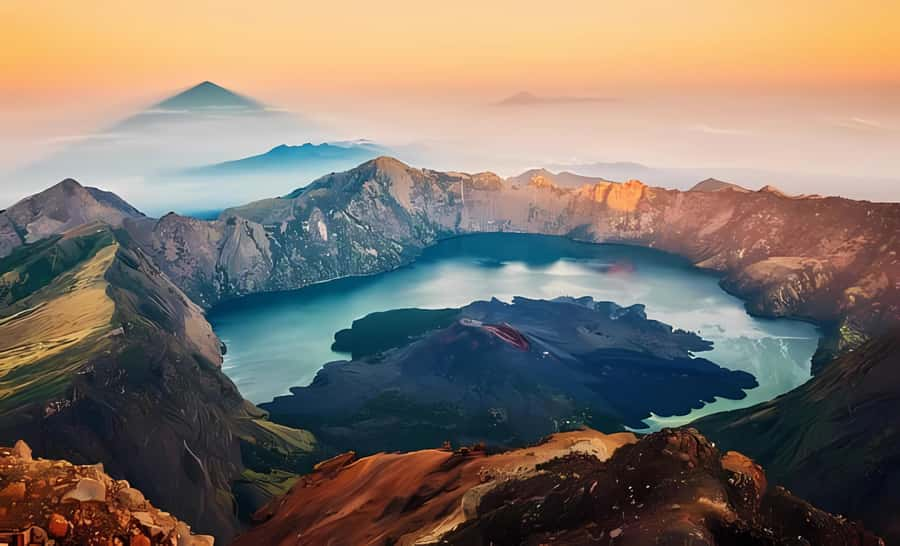
Mt. Rinjani is one of those hikes where your body knows you’re climbing fast, even when your brain says, I’m fine. The good part is that this tour is built around that reality. You’re not just “start walking and hope for the best.” You have a guide, named rest points, porter support for camp tasks, and clear timing for sunrise.
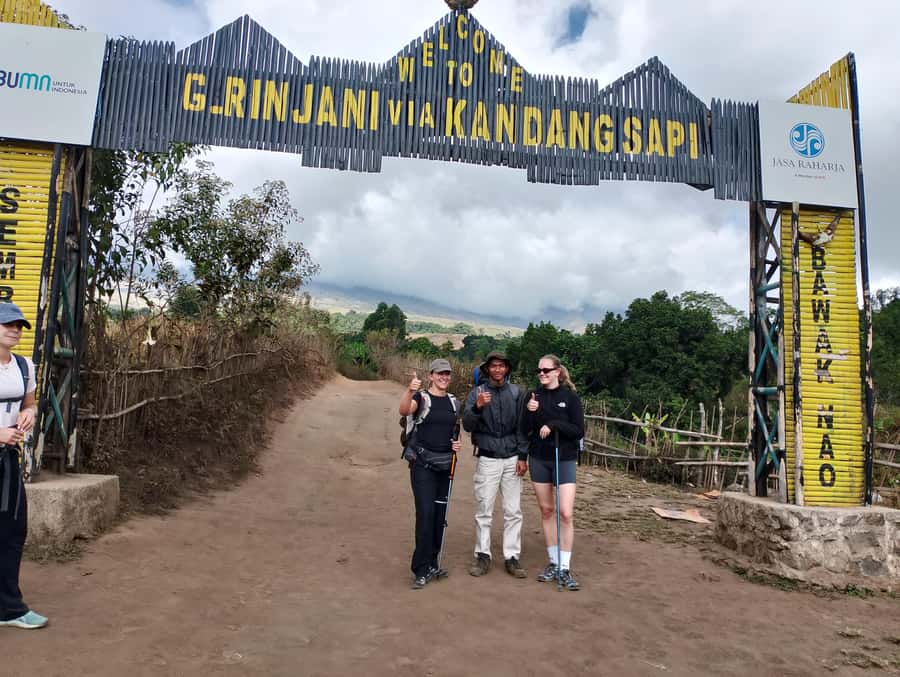
You’ll start from Senaru or Sembalun, then head to Sembalun Village about an hour by vehicle. Right after arrival, you register at the Rinjani Information Center (RIC). That quick admin step matters because it sets the tone: you’re entering an organized national-park trekking plan, not wandering into the hills on your own.
From there, the trek builds gradually on Day 1—starting around 1,300 m and working toward the Sembalun Crater Rim at 2,639 m. Day 2 is the intensity: you wake at 1:30 a.m., trek to the summit at 3,726 m, then descend. If you like trips that feel like a mission (with a finish line), this one scratches that itch.
Where value shows up: you’re paying for more than your guide. You’re also paying for the kit logistics—tents, sleeping bags, mattress, a toilet tent setup, and porter work carrying camp gear and cooking equipment.
Day 1: From POS-1 to Sembalun Crater Rim at Sunset Time
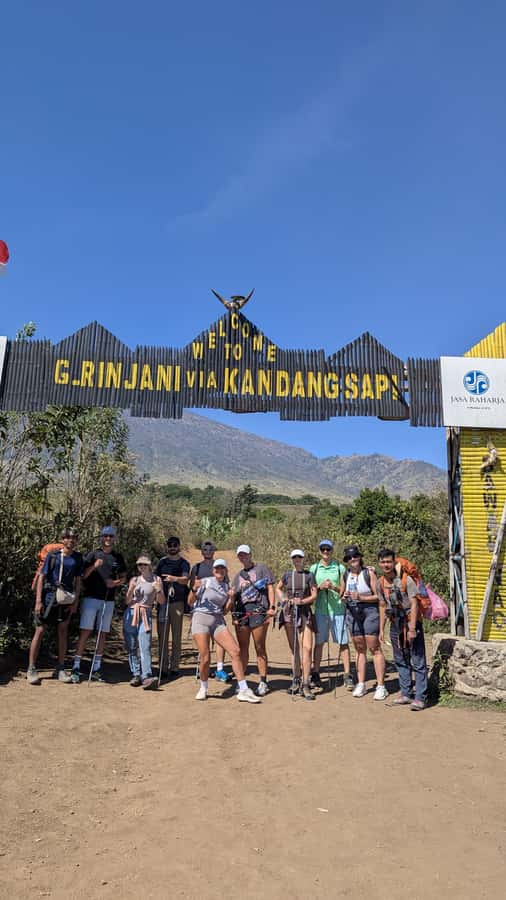
Day 1 is where you earn your sunrise by making the climbs feel manageable. After pickup, breakfast, and the drive to Sembalun Village, your trek begins with a first push to POS-1 (1,300 m). The timing is about 2 hours, which is a nice start because it lets your lungs settle into altitude before you start adding longer segments.
Next comes POS-2 (1,500 m) for around 1 hour. This is usually where people start noticing dust and wind, depending on the trail conditions. Then you continue to POS-3 (1,800 m)—another about 1 hour—and take the first longer reset. The plan gives you a 5–10 minute rest earlier, and then later a 2-hour break at POS-3 with lunch and something warm.
I like that the tour doesn’t treat meals as an afterthought. At POS-3 you get lunch plus a hot drink option like tea, coffee, hot chocolate, or lemon tea. That little comfort matters in cold air at altitude. It’s also a practical buffer: after lunch, you’re not rushing right away. You rest, regroup, then go again.
Then you head to the big goal of Day 1: Sembalun Crater Rim (2,639 m). Expect about 3 hours for this section. You’ll spend the night on the crater rim, and that’s when the views typically become the reward. You’re looking down on Segara Anak lake, and you can also see a large sweep of North Lombok Island from camp.
This is also your practical reality check. You’ll be high up, you’ll likely feel cooler at night, and you’ll want your layers ready before you settle into the tent. One of the strongest tips from people who’ve done this trek is simple: don’t show up underprepared for dust and cold. Long trousers and gloves can make a noticeable difference, especially when the ground is dry and gritty.
The Night Wake-Up: 1:30 a.m. and the Summit Push to 3,726 m
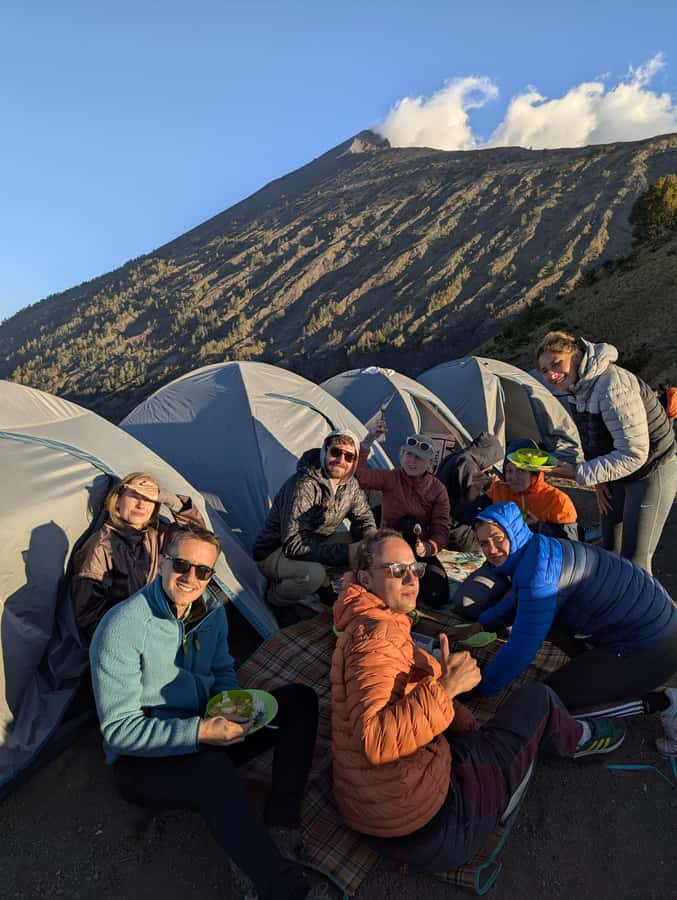
Day 2 starts like a sleepwalking sprint. You wake at 1:30 in the morning with coffee or tea and a light breakfast. This is designed to give you energy before your body asks for it. Then you start trekking toward the summit.
The summit climb typically takes around 3 hours, but the tour notes it depends on your pace. You’ll be trekking in the dark, and that’s where gear can make or break the experience. A flashlight is essential for this part, and a head lamp is the easiest way to keep your hands free. The trail has sand and gravel sections, which are some of the most tiring parts of the trek.
Here’s what I’d plan for mentally: the summit trek is less about “going fast” and more about “staying steady.” Sand/gravel slows you down and drains energy. If you try to force pace, you’ll pay for it. If you keep your steps controlled and breathe steadily, you’re more likely to reach the top feeling like you earned it rather than survived it.
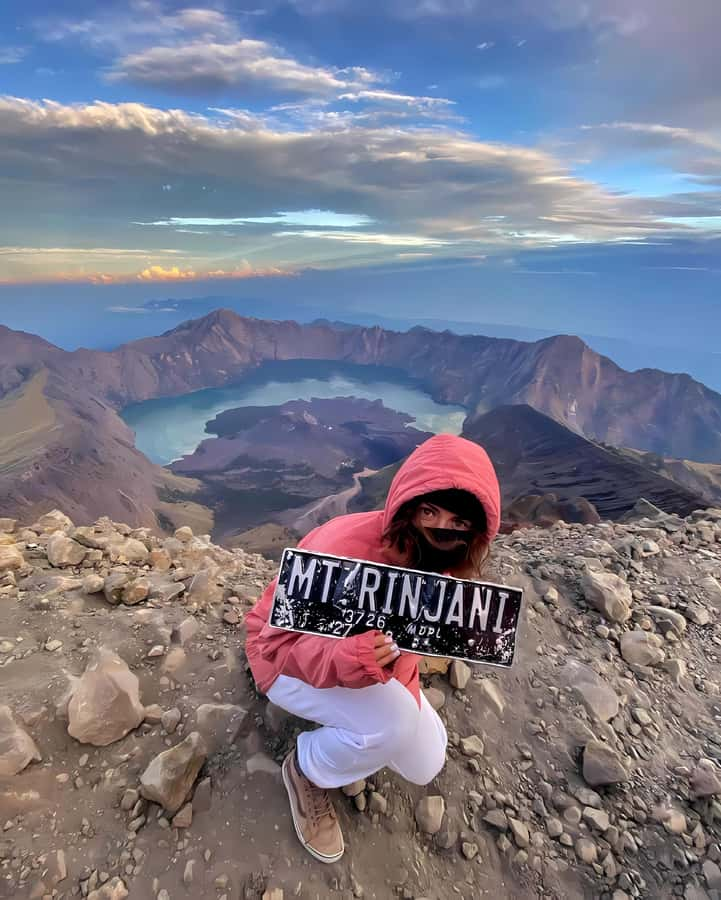
When you finally reach Mt. Rinjani’s summit at 3,726 meters, you get a short break for photos. Then you head back down to the crater rim campsite for breakfast prepared by your porters. After that, it’s the longer descent back toward Sembalun Village.
The view payoff is a major reason people do this trek. On a clear morning, you get panoramic sights stretching toward Bali, Sumbawa, Lombok, and the Gilis. It’s not just one pretty angle—it’s broad and island-hopping wide.
And yes, the final section can be challenging. If you’re not especially trained for long walks, this is still doable for many people—but you should bring realistic expectations and walk like you intend to finish, not like you’re racing a clock.
Porters, Tents, and Meals: What’s Handled For You (and What Isn’t)
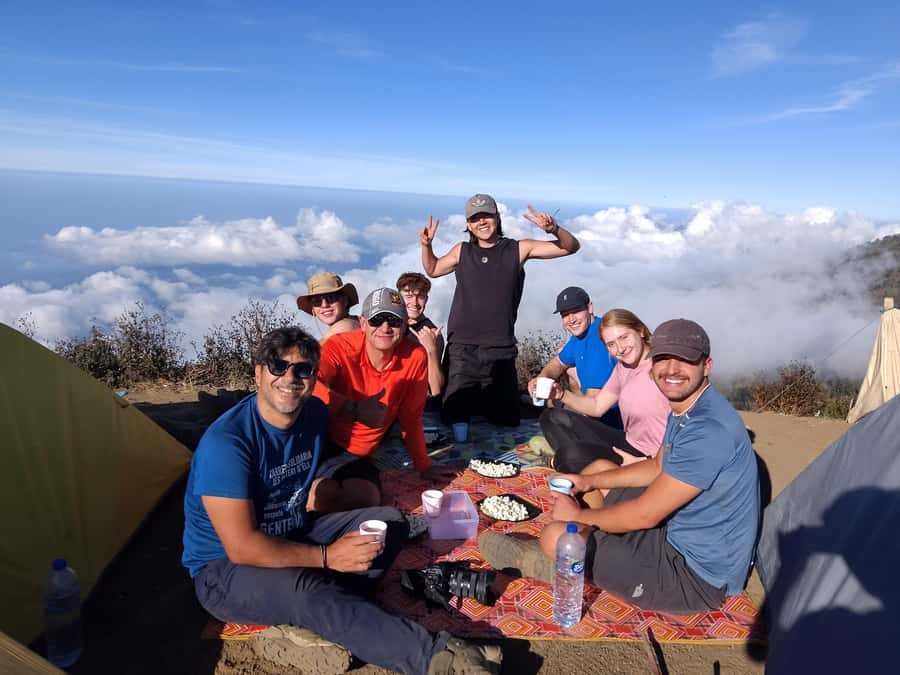
One of the biggest value points here is the porter support. Porters carry cooking gear and camping equipment, plus tents and the camping setup. You still hike, but you’re not carrying the whole operation on your back. That’s why the tour can feel like a true guided trekking experience rather than a DIY camp.
You get the basics for sleeping: a tent, sleeping bag, and mattress. You also get a toilet tent with toilet paper. If you’ve done overnight treks elsewhere, you know that “good enough” camp comfort can be the difference between enjoying the night and being miserable through it.
Food and water are also covered. The tour provides drinking water—about 3 liters of mineral water per person per day—plus meals on trail (including breakfast after the summit return). The hot drinks on Day 1 are a nice touch, and the post-summit breakfast is a smart recovery moment.
What’s not included matters for packing decisions:
- You bring your own flashlight/headlamp (the trek includes night walking)
- Your hiking shoes and weather gear are on you (shoes, rain jacket, long pants, gloves aren’t included)
- You’ll need your own backpack even though backpacks themselves aren’t listed as included
- You might want extra battery planning if you rely on headlamps or lights
From guide-style notes you’ll hear from repeat trekkers, this is where preparation pays off fast. People often recommend bringing gloves, long trousers, a way to handle dust (even a simple mask can help), and footwear that can handle grit. Also, if you’re using a head torch, bring spare batteries. Cold can drain power, and the summit night is not the time to guess whether your light will last.
Gear and Weather Reality: How to Not Feel Miserable
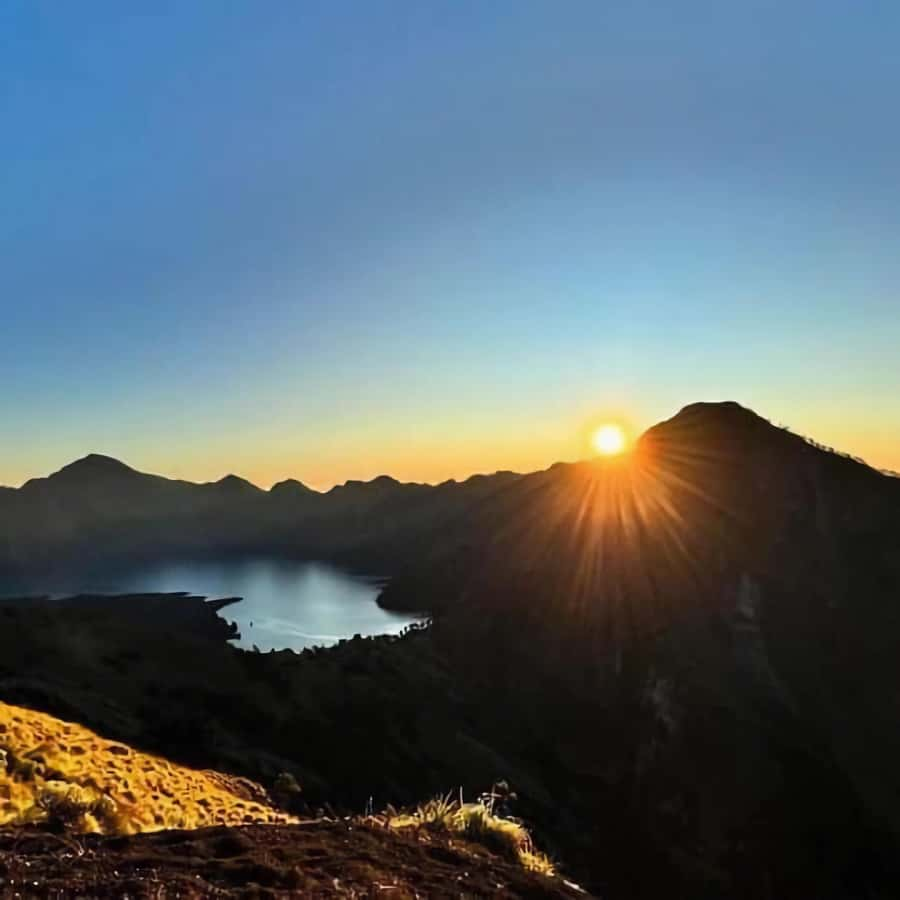
Mt. Rinjani’s challenge isn’t only altitude. It’s footing, wind, temperature swings, and the fact that your most critical hours (summit) happen in the dark.
Use the tour’s “what to bring” list as your baseline:
- Hat, camera, passport
- Jacket, rain gear, gloves, long pants
- Flashlight, hiking shoes, hiking pants
- Power bank, personal medication
Then add a few practical upgrades based on what the trek tends to be like:
- Dust protection: the trail includes sand and gravel, so expect dusty stretches
- Hand comfort: gloves help when you’re climbing on rough ground or dealing with cold
- Layering: Day 2 is night-cold, and your jacket will do real work
Weather is the wildcard. If visibility is good, the summit can feel like you’re looking at an entire island chain laid out under your feet. If clouds roll in, you’ll still get the accomplishment and camp experience—but the panoramic map effect may be reduced. Either way, go with the mindset that you’re hiking a volcano, not chasing a guarantee of perfect skies.
One important health note: this tour is not suitable for people with altitude sickness, pregnant women, and people over 70 years. If you have any concerns about altitude, ask a clinician before you book.
Price and Value: What $141 Gets You (and the Costs You Still Own)
The listed price is $141 per person for a 2-day tour. For a summit trek at this altitude, that’s often a fair deal because so much is bundled: pickup and drop-off from Senaru and Sembalun, a trekking guide, porter support, and overnight camp setup with tent, sleeping gear, and basic toilet service.
But you should budget for the costs that are not included:
- National park entrance fee: IDR 200,000 per day per person
- Flashlight/headlamp (needed for the dark summit segment)
- Shoes, rain gear, gloves, and long pants
- Extra porter for your personal luggage
So the true comparison isn’t just the headline price. It’s $141 plus entrance fees plus the gear you need to be comfortable and safe. If you already own good hiking shoes and a headlamp/flashlight, you’ll likely feel like you got a solid deal quickly. If you need to buy everything, the total cost rises fast.
Still, this is one of those treks where skipping “basic comfort” can be a mistake. Long trousers, gloves, and the right shoes reduce pain and improve control. The best value comes when your gear choices make the hard parts feel survivable.
Should You Book the Sembalun/Senaru Rinjani 2-Day Summit Trek?
Book it if you want a structured, guided volcano trek with real summit ambition. The combo of crater-rim camping, sunrise timing, and porters handling camp logistics makes this feel like a summit tour you can actually finish.
Skip—or at least rethink—if you’re not comfortable with very early starts, dark trekking, and sand/gravel footing. Also, if altitude is a concern for you, this one doesn’t match the safety constraints.
If you’re traveling from Senaru or Sembalun anyway, this tour is especially convenient because pickup and drop-off are included. And if you like guided pacing and clear stops, the POS system makes it easier to judge effort.
FAQ
Is pickup included, and where does it happen?
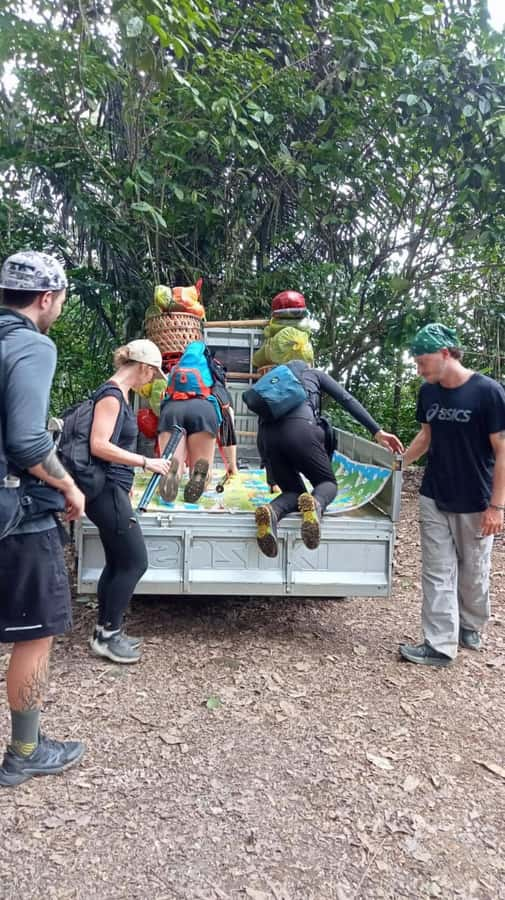
Yes. You’ll get hotel pickup and drop-off from Senaru and Sembalun.
How early do you start on Day 2?
You wake up at 1:30 a.m., then begin the trek to the summit for sunrise.
What’s the highest altitude reached on this tour?
The summit is at 3,726 meters.
Do I need a flashlight or headlamp for the summit trek?
Yes. The tour involves trekking in the dark on the summit climb, and a flashlight/head lamp is needed for that section.
Are tents and sleeping bags provided?
Yes. The package includes a tent, sleeping bag, and a mattress (plus a toilet tent and toilet paper).
How much drinking water is provided during the trek?
You receive about 3 liters of mineral water per day per person.
Is the national park entrance fee included?
No. The national park entrance fee is IDR 200,000 per day per person.
Who should not join this trek?
It’s not suitable for pregnant women, people with altitude sickness, and people over 70 years.