REVIEW · SESTRIERE
Scenic snowshoe hike in Sestriere
Book on GetYourGuide →Operated by Chaberton Outdoor Activities · Bookable on GetYourGuide
Silent snowshoe steps in Sestriere. I love how this hike brings you into Olympic-era alpine scenery without the crowded-slope feeling, and I also love that snowshoes and poles are provided so you can focus on moving and looking.
One thing to consider: group size can be a bit of a factor. On one hike, the group ran around 14 people, so if you prefer maximum quiet and space, it’s worth asking about how many are usually in your group—especially since this is a beginner-friendly route with relaxed pacing.
In This Review
- Key highlights worth knowing
- Why Sestriere is a great base for snowshoeing in the Alta Val di Susa
- Price and value: what about $53 gets you
- Meeting at Via Monterotta, 13: gear, briefing, and getting your footing
- The walk out on the Gelindo Bordin trail under Monte Fraiteve
- How the photo stop fits into the hike (and why it’s not just a pause)
- Monterotta and Grange Elp Refuge: a calm reset with Piedmontese flavors
- The return to Sestriere: why the last stretch feels easier
- Who should go (and who might want a different option)
- What the guide adds: more than directions
- Tips to make your snowshoe day smoother
- Should you book this Sestriere snowshoe hike?
- FAQ
- Where does the snowshoe hike start?
- How long is the experience?
- How much does it cost?
- What’s included with the booking?
- Do I need to arrange transport to the meeting point?
- Is this suitable for beginners?
- What is the minimum age for children?
- What languages are offered for the guide?
- What should I bring?
- Is there a snack break during the hike?
Key highlights worth knowing
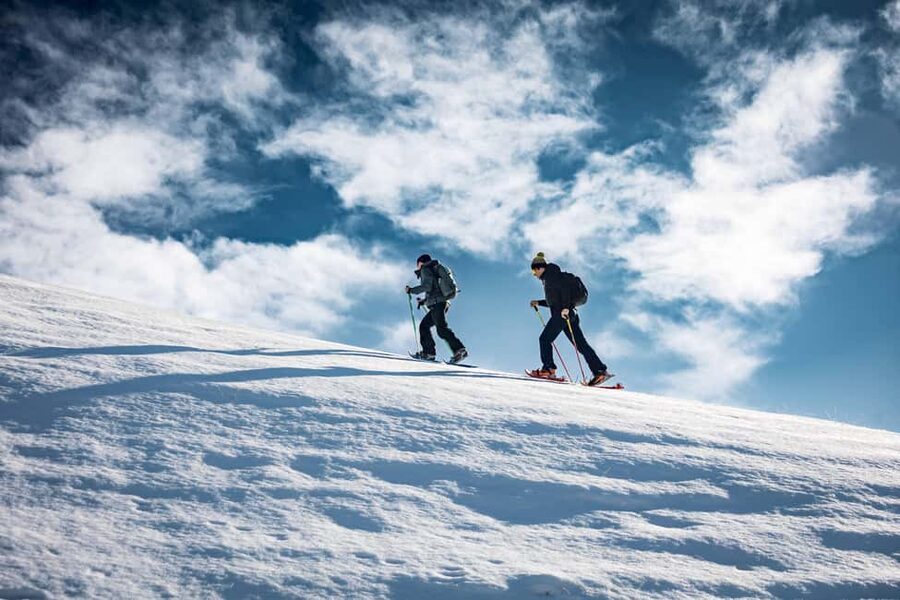
- Olympic foothills, real mountain quiet: Sestriere’s 2006 setting, but the route is designed to feel away from mass tourism.
- Beginner training first: you get a short briefing plus practical tests before heading out.
- Gelindo Bordin trail to Monterotta: a classic walk under larch forests with big views toward the French Alps.
- Grange Elp Refuge snack stop: an optional pause with typical Piedmontese mountain products.
- Guides who talk details: guides like Nicla and Giancarlo have a knack for explaining what you’re seeing, including flora and fauna.
- Flat, easy return: the way back is calmer and makes the last stretch feel like a finish line, not a slog.
Why Sestriere is a great base for snowshoeing in the Alta Val di Susa
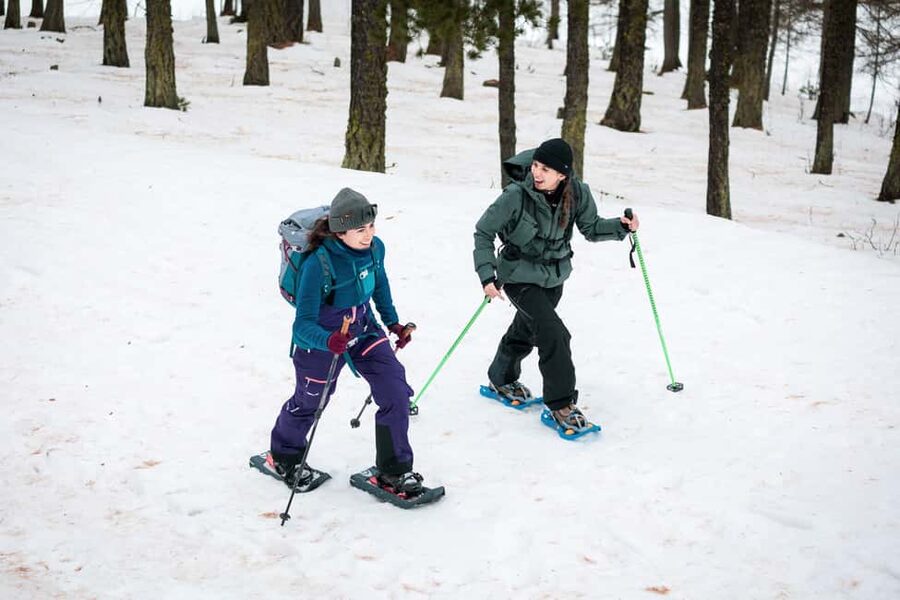
Sestriere is famous for winters built around the Olympics. On this hike, that reputation matters, because you get placed in the Piedmont Alps with a guide who understands how to show the best angles without turning it into a production. You’re in the Alta Val di Susa area, so the views have that broad, alpine feel: peaks in the distance, valleys stretching outward, and clear sightlines when the weather cooperates.
The route also has a big “value” advantage: you’re not spending your time fighting crowds or negotiating lift lines. Instead, you’re walking through forests and open sections where silence is part of the experience. That’s a rare thing in popular winter towns.
And even though Sestriere can look intense in peak season, this outing is built to be manageable. If you’re new to snowshoes, you get set up properly first, and the pace stays relaxed.
Price and value: what about $53 gets you
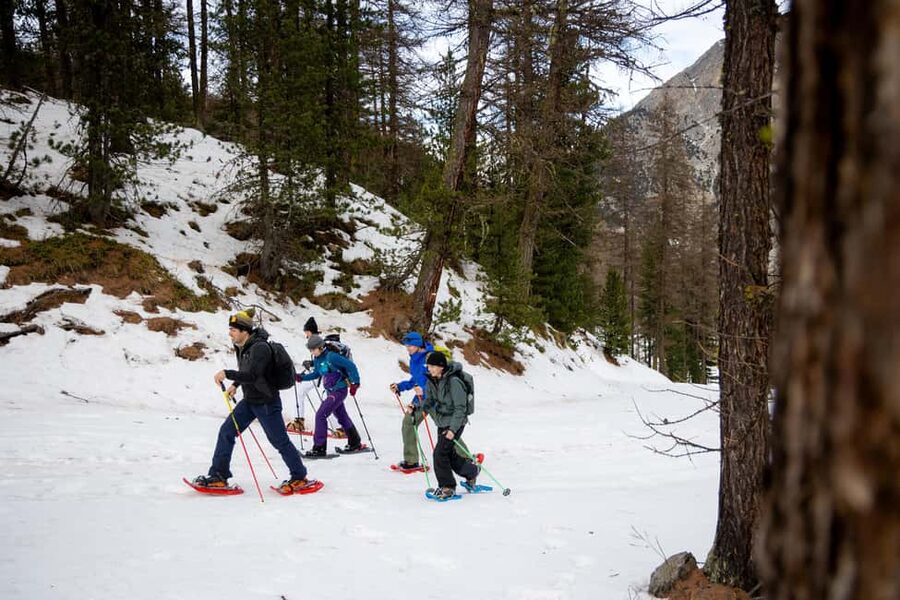
At around $53 per person for a roughly 3-hour guided outing, the math works best when you think about what’s included. You’re not just paying for someone to lead you through snow. You get:
- a qualified environmental hiking guide
- snowshoes and walking poles
- an intro briefing plus hands-on practice
- help throughout so you’re not guessing your way through traction, balance, and timing
That last part matters more than most people think. Snowshoes are simple, but the first 15 minutes can be awkward if you’re learning without coaching. The practical tests are what turn a potential “struggle” into a normal walk.
The one extra cost to plan for is simple: getting to the meeting point. Transport isn’t included. If you’re already in the Sestriere area, that’s usually easy. If you’re not, build that into your decision so the total cost stays predictable.
Meeting at Via Monterotta, 13: gear, briefing, and getting your footing
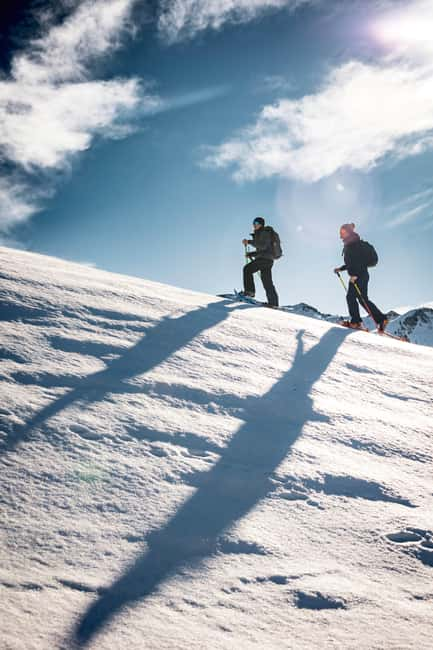
The meeting point is Via Monterotta, 13, with a parking lot on site. This setup is handy because you can arrive, park, and start without complicated logistics.
Once you’re there, the organization provides your snowshoes and poles. Before you walk, expect a short briefing and then practical testing. This is not “here’s your gear, good luck.” It’s more like getting your balance sorted so the trail feels natural once you move.
Bring the basics, because clothing is what keeps the experience enjoyable:
- hiking shoes (good grip matters on snow)
- jacket, gloves, long-sleeved shirt
- snow/outdoor clothing and hiking pants
- camera, plus snacks and drinks
A quick practical note: if your gloves are thin, consider warmer ones. When you stop for photos, fingers tend to complain faster than you’d expect.
The walk out on the Gelindo Bordin trail under Monte Fraiteve
After the practice, you head out on a route along the Gelindo Bordin trail, at the foot of Monte Fraiteve. This is where the experience shifts from “equipment test” into “real hike.”
Why this section is so satisfying: it’s designed for beginners and families. That means you’ll climb in a way that doesn’t feel like a training session. You also get frequent chances to pause, look around, and take photos. In snowshoeing, those pauses are not wasted time. They’re how you actually enjoy the distance between you and the crowd.
As you move upward, the views widen. You’re looking across the Alta Val di Susa, with sightlines stretching toward the French side—described as from Monti della Luna toward the Écrins massif and its glaciers. Even if clouds roll in, you’ll usually still get dramatic ridge-and-valley depth.
The forest scenes are another reason this works. You’ll pass through larch forests and experience that quiet winter feel where your own steps are the main sound. One of the most praised parts of this type of hike is exactly that sense of calm, plus the way the guide keeps things interesting without rushing the group.
Also, if you like facts you can actually see: guides such as Nicla have a reputation for explaining the landscape and what’s around you, including alpine flora and fauna.
How the photo stop fits into the hike (and why it’s not just a pause)
There’s a dedicated photo stop that’s scheduled partway through the walk. This matters because it prevents the usual problem: if you’re always waiting for the “right moment,” the group gets stretched and the photos come out rushed.
Here, the stop is timed so you can take images when the light and visibility are more likely to cooperate. It’s also a moment to breathe, stretch your legs a bit, and check in on how the snowshoes feel on your particular stride.
One smart approach for beginners: during the stop, take a moment to look back at where you came from. Snowshoe trails often look flatter from a distance than they feel up close. Seeing the route helps your brain understand the terrain, which usually makes the rest of the hike more relaxing.
Monterotta and Grange Elp Refuge: a calm reset with Piedmontese flavors
The hike continues to Monterotta, where you’ll reach the Grange Elp Refuge. This is your break time moment, around 15 minutes, with an optional snack stop.
What makes this more than a formality is the setting. A refuge stop in winter is rarely just about eating. It’s about warming up, slowing down, and enjoying the contrast between moving through snow and sitting back for a bit.
You can enjoy typical products of the Piedmontese mountain area here. Exact items aren’t specified, so come prepared to treat it as a local taste experience rather than a predictable meal. Since snacks and drinks are also recommended to bring, think of your bag as insurance: if the snack stop is small, you’ll still have what you need to finish comfortably.
If you’re traveling with family, this stop can be the difference between a successful first snowshoe day and a grumpy one. Kids often need a reset, and adults often need a warm pause to fully enjoy the rest of the views.
The return to Sestriere: why the last stretch feels easier
After the refuge break, the return is on a flat, scenic stretch back toward Sestriere. That choice is intentional. It keeps the energy of the experience positive and prevents the common fatigue cycle where the “hardest part” happens at the end.
You’ll still have scenery to enjoy, but the physical demand stays lower. That’s especially important for beginners, because it means you end with confidence. The last minutes feel like a win, not like you’re surviving the workout.
And the way the route is described—continuing along clear views of the Alta Val di Susa—is a reminder that snowshoeing isn’t only about exercise. It’s also about walking through winter scenery at a human speed, where you can actually take it in.
Who should go (and who might want a different option)
This snowshoe hike is aimed at everyone who wants an outdoor winter experience without needing advanced trail skills. It’s described as suitable for beginners and families, with a relaxed pace and practice time before you set off.
There’s one clear limit: it’s not suitable for children under 10. So if you’re traveling with younger kids, you’ll need a different activity.
This also makes sense for:
- couples who want a shared winter memory without committing to a long alpine day
- friends who want something active but not overly technical
- people who want to see Sestriere’s Olympic region from the quiet side, with time for photos
If you dislike group dynamics, it’s still workable, but be aware that group sizes can be more than tiny. One hike included a group of about 14. You can’t always control that, but it’s a good question to ask when you reserve.
What the guide adds: more than directions
The guide isn’t just there for safety and route control. You’re paying for interpretation. The experience highlights interesting facts about alpine flora and fauna, and the best guides make that practical: they point out what you’re seeing and explain how to read it in winter conditions.
If you’re lucky and your group gets a guide like Giancarlo (named in one account as personable and enthusiastic), you’ll get extra context about the area and a feel-good vibe that keeps the pace comfortable. Another guide, Nicla, is specifically praised for being prepared and explaining the surroundings and wildlife.
That kind of guiding is what turns snowshoeing from scenery sightseeing into something you actually learn from.
Tips to make your snowshoe day smoother
These are small choices that can make a big difference:
- Wear grippy hiking shoes suitable for snow. Boots that are too slick can make even an easy trail annoying.
- Bring gloves plus warm layers. You’ll be active, then you’ll stop for photos and breaks.
- Pack your own snacks and drinks. The refuge stop is optional and short, so plan as if you’ll need something during the walk.
- Bring a camera, but also plan to look with your own eyes. If conditions allow, you’ll want both.
- If you’ve never tried snowshoes, pay attention during the practical tests. That early setup affects the whole day.
Finally, aim for a calm mindset. Snowshoeing works best when you let it be slow. The quiet forest sections are the highlight, not the race to the end.
Should you book this Sestriere snowshoe hike?
Book it if you want a 3-hour winter outing that feels guided, safe, and beginner-friendly, with Olympic-era views and a route designed to stay away from the busiest ski energy. The included gear and the practical start make it a strong value, especially for first-timers.
Consider skipping or comparing alternatives if you:
- are very sensitive to group size and noise
- expected a longer, planned mountain-lunch style break (here, the main stop is an optional snack at Grange Elp Refuge plus a short reset)
If your goal is simple—walk into the Piedmont Alps, see winter mountains from the quiet side, and come back feeling proud—this is an easy yes.
FAQ
Where does the snowshoe hike start?
The meeting point is Via Monterotta, 13, near a parking lot.
How long is the experience?
The hike lasts about 3 hours.
How much does it cost?
It costs $53 per person.
What’s included with the booking?
You get a qualified environmental hiking guide, plus snowshoes and walking poles, along with an introductory briefing and practical tests.
Do I need to arrange transport to the meeting point?
No transport is included. You’ll need to get yourself to the starting point.
Is this suitable for beginners?
Yes. The pace is described as relaxed, there’s an introduction with practical tests, and the route is said to be suitable for beginners and families.
What is the minimum age for children?
It’s not suitable for children under 10.
What languages are offered for the guide?
The guide can work in Italian, English, and French.
What should I bring?
Bring a camera, snacks, and drinks, plus hiking shoes and warm clothing such as a jacket, gloves, long-sleeved shirt, and snow/outdoor hiking pants.
Is there a snack break during the hike?
There’s a break time at Grange Elp Refuge with an optional snack stop.