REVIEW · TOKYO
Samurai Guide Sho’s Mt. Takao Hike, Temple & Onsen from Shinjuku
Book on Viator →Operated by Discover Western Tokyo · Bookable on Viator
A samurai day trip without the fuss. This small-group hike follows Samurai Guide Sho from Shinjuku through Mt. Takao’s training-style trails, then into Yakuo-in Temple and a tattoo-friendly hot spring at Takaosan. I love the way the day blends practical Tokyo rail guidance with a calm “training” pace on the mountain. I also like the payoff: a summit view that can include Mt. Fuji, plus food and craft beer after the onsen. One thing to plan for is the extra cost on the day for the train, chairlift, and onsen admission, since they’re not included in the base price.
You start at the Suica Penguin statue, then let Sho handle the Shinjuku maze with Suica and ticket support. The schedule is built around steady hiking (about 1.5 hours uphill) and short, specific stops—summit viewpoints and temple prayer customs—so you’re not wandering for answers. The main consideration is that Mt. Takao conditions can shift fast with crowds and weather, so the guide may change routes or swap the chairlift for walking.
In This Review
- Key things I’d circle before you go
- Samurai Guide Sho’s Takao Day: The big idea
- Meeting at the Suica Penguin statue and getting your footing
- Shinjuku rail navigation: how the tour saves you stress
- The Mt. Takao hike: waterfall training path to the summit
- The viewpoint stop and the Fuji question
- Yakuo-in Temple at Takaosan Yuki-ji: prayer customs and local sweets
- Descent by chairlift (and what happens when it’s crowded)
- Tattoo-friendly onsen at TAKAOS36SAUNA: towels, etiquette, and beer
- Craft beer rules and what to know
- What you’re really paying for (and what costs extra)
- How long is the day, and how it feels in real time
- What you should bring (so you don’t lose momentum)
- Weather reality: when the plan changes
- Who should book this tour
- Should you book Samurai Guide Sho’s Mt. Takao Hike, Temple & Onsen from Shinjuku?
- FAQ
- How much hiking is included, and do I need special shoes?
- What does the price include versus what you pay separately?
- Is the hot spring tattoo-friendly, and do I need to bring towels?
- How does the tour handle Shinjuku station and train tickets?
- What if the chairlift is crowded on the way down?
- What happens if weather is poor or the tour needs to change plans?
Key things I’d circle before you go
- Suica-first navigation: Sho guides transfers and ticket use right from Shinjuku.
- Small group, adjusted pace: a max group size of 5 makes pace control realistic.
- Summit rewards on a timetable: enough time for a viewpoint break and snack.
- Temple stop with clear etiquette: Yakuo-in Yuki-ji includes prayer customs and local sweets.
- Tattoo-friendly onsen with included towels: Takaosan 36 Sauna includes two towels.
- Crowd-proofing: if it’s packed, descent can switch to a Trail No. 1 walk.
Samurai Guide Sho’s Takao Day: The big idea
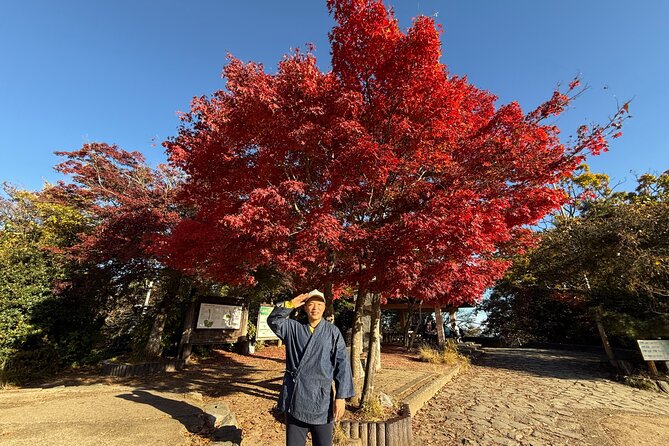
This tour is built around a simple theme: training your body and your attention, then restoring both at the hot spring. Sho is a real-world “modern samurai” type—he’s spent over 20 years in railways and mountaineering—so the day feels organized without turning into a performance.
From the first step, it’s not just about seeing a mountain. It’s about how you get there: Shinjuku is a maze, and Sho helps you move through it with clear direction, Suica usage support, and delay rerouting if anything slips.
You can also read our reviews of more tours and experiences in Tokyo.
Meeting at the Suica Penguin statue and getting your footing
You meet at the Suica Penguin statue near Shinjuku, at 5 Chome-24 Sendagaya, Shibuya. The start time is 9:30 a.m., and the plan returns you to the same meeting area by about 5:00 p.m.
That early start matters on Mt. Takao. You’re more likely to hike with easier crowd levels and get a better shot at clear weather breaks for views. You’ll also get the day’s rhythm faster: collect yourself, follow Sho’s lead, and avoid the classic Tokyo mistake of being stuck at the wrong gate while everyone else is already moving.
Shinjuku rail navigation: how the tour saves you stress
A huge chunk of the value here is what happens between point A and point B. Sho doesn’t just point you toward a train—he helps you navigate the Shinjuku station maze, buy or use tickets, and transfer efficiently.
The route starts with a train ride from Shinjuku to Takaosanguchi Station, about 1 hour 10 minutes. Sho’s “railway pro navigation” includes support for delays or service interruptions, with instant rerouting to keep you from getting stuck. That’s especially helpful if you’re visiting from abroad and don’t want to gamble with station complexity.
The Mt. Takao hike: waterfall training path to the summit
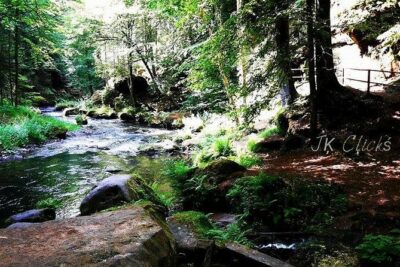
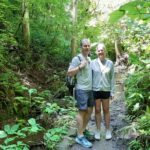
The hike portion is structured like training, not just sightseeing. You take the Mt. Takao hiking course (about 1 hour 30 minutes for the uphill), walking a trail once used for monk training and passing a waterfall along the way.
Sho manages pace so the climb feels steady instead of a sprint. That matters because Mt. Takao isn’t a technical mountain, but it does have enough uphill to tire you if you go too fast early. Shoes are the key: the tour says sneakers are fine, and you do not need hiking gear.
The viewpoint stop and the Fuji question
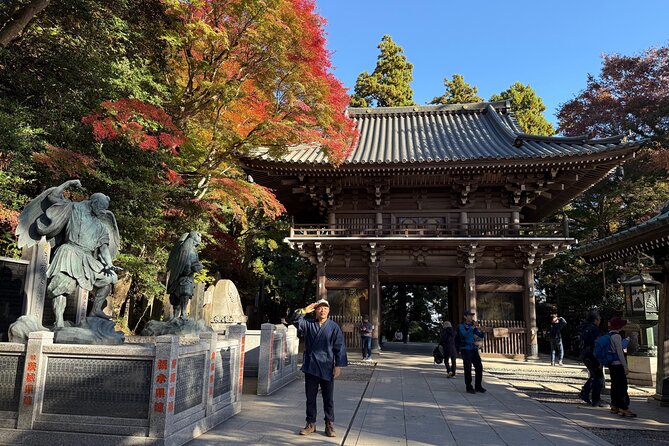
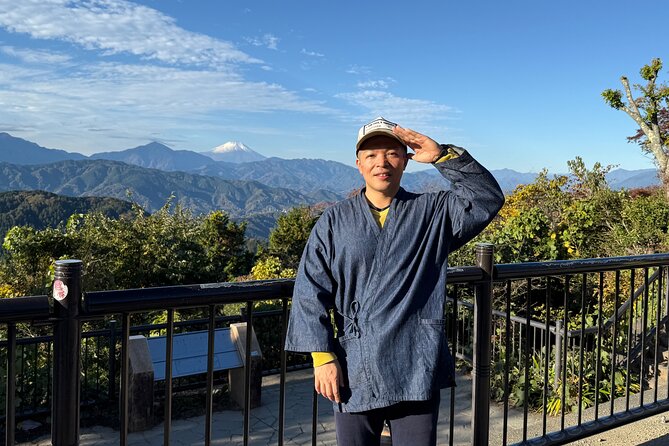
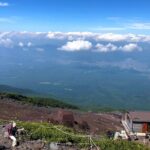
At the top, you get a viewpoint break at Ōmiharashidai on Mt. Takao for about 30 minutes. If the weather is clear, you may see Mt. Fuji in the distance. Even when Fuji doesn’t show, you still get a classic summit pause with a mountain snack stop.
This is a good point in the day to slow down and reset. You’ll have already climbed, so it feels earned. Also, it’s short enough that you’re not losing momentum before the temple and descent.
Yakuo-in Temple at Takaosan Yuki-ji: prayer customs and local sweets
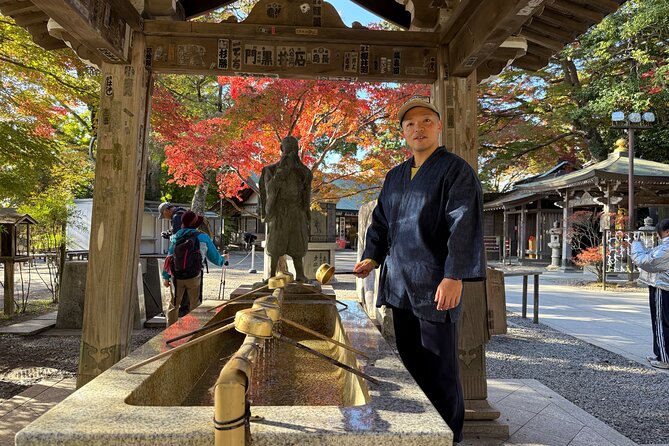
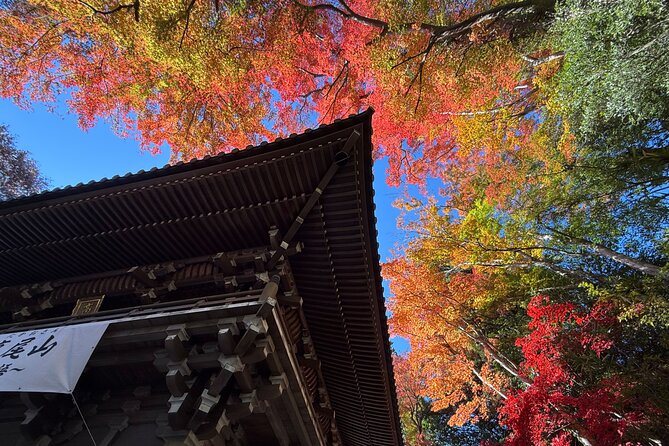
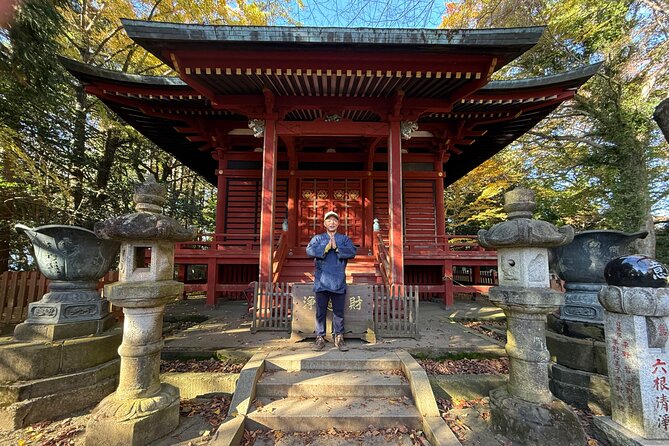
Next comes Takaosan Yakuo-in Yuki-ji Temple, around 30 minutes. This is where the tour adds meaning beyond the hike. Sho guides you through a gratitude-focused ritual and gives clear explanations about prayer customs.
You also get time for local sweets in the temple area, with examples like dango and even matcha ice cream. Note that some shops in the temple grounds may accept cash only, so bring some bills just in case.
If you care about religious etiquette and you don’t want to guess what to do, this stop is one of the best parts of the day. It’s brief, but it’s structured and respectful.
Descent by chairlift (and what happens when it’s crowded)
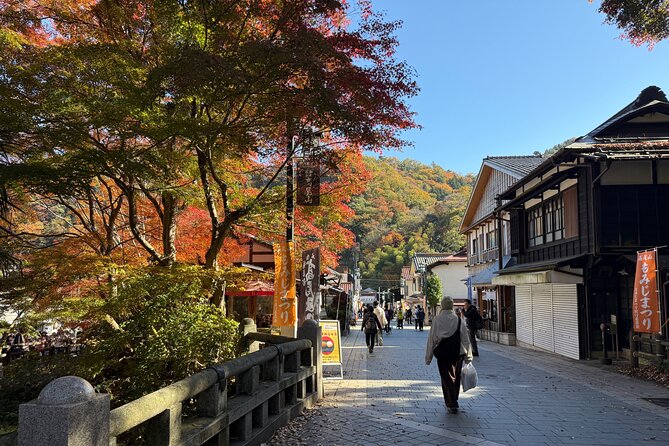
After the temple, you head to Yamagami Station (Chairlift) for a 20-minute descent. If conditions are heavy with crowds, the plan shifts: the descent becomes a 30-minute walk via Trail No. 1 at a relaxed pace.
Either way, the day stays within the overall schedule. The practical value is that you don’t have to decide on the fly. Sho handles it based on crowd and weather conditions, which is a big deal on Takao, where it can feel like the mountain is running a different plan depending on the day.
Tattoo-friendly onsen at TAKAOS36SAUNA: towels, etiquette, and beer
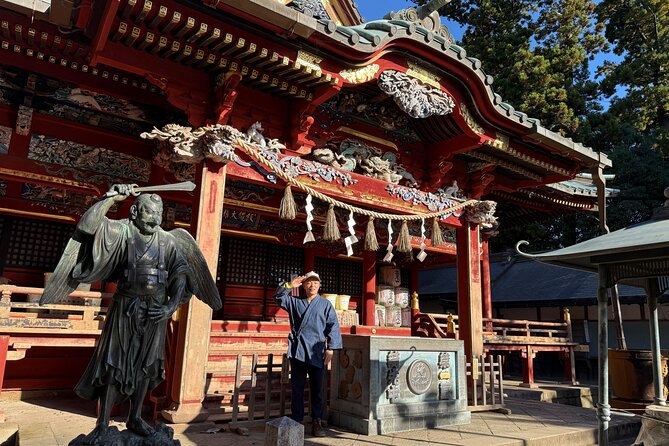
The final reset is at TAKAO36SAUNA, the tattoo-friendly hot spring stop. You get about 1 hour 30 minutes here. Entering the hot spring is optional—if you skip bathing, you can still relax or enjoy meals at the facility.
Two towels are included, which is a small detail that makes the day easier. Still, I’d bring a basic plan for comfort: light layers you can change out of afterward, and a change of clothes since the tour specifically recommends it.
Sho also supports hot spring etiquette and helps you navigate the customs around bathing. This is one of those parts where guidance saves time and awkwardness, especially if you’re not used to Japanese onsen routines.
Craft beer rules and what to know
Food and drink come with the onsen reward. The tour includes local dishes and draft craft beer from taps, including seasonal pours. One rule matters: beer is available only to guests aged 20 and over, following Japanese law.
Also, the tour wording allows that the beer and dining can happen either at the hot spring stop or in the mountain dining area depending on how the day runs. So don’t panic if you don’t see everything at the onsen counter right away; it should line up with the day’s flow.
What you’re really paying for (and what costs extra)
The base price is $117.27 per person, but several key items are not included. Budget for these on-the-day costs:
- Train fare (Shinjuku ⇄ Takaosanguchi round trip): ¥1,000 per person
- Chairlift fee: ¥490 per person
- Onsen admission: ¥1,800 per person
- Personal food and drink expenses (beyond what’s guided)
The value here comes less from the sightseeing itself and more from the friction removal. Sho handles Suica and ticket use, complex transfers in Shinjuku, and delay support. He also chooses routes based on weather and crowd levels, which can mean fewer stress moments and less time detouring.
If you’re comfortable navigating trains on your own, you might not need a guided day. But if you want the “rail anxiety” removed and a smooth day of hiking + temple + onsen structured for a foreign schedule, this feels like good money spent.
How long is the day, and how it feels in real time
Plan for 7 to 8 hours, ending around 5:00 p.m. The rhythm is simple: rail to the mountain, uphill training-style hike, summit pause, temple ritual, descent, then onsen recovery, then the train back.
It’s not an all-day marathon, but it does involve enough walking that you should pick a day when you’re not already exhausted. The tour asks for moderate physical fitness, and it includes the uphill portion plus extra walking.
Also, the tour suggests bringing drinking water and light snacks. That’s smart in Japan because you don’t want to hike hungry while waiting for a snack stop.
What you should bring (so you don’t lose momentum)
The tour is designed so you don’t need hiking gear. Still, a practical packing list helps:
- Comfortable shoes (sneakers are fine)
- Light snacks and drinking water
- Rain gear in case of rain
- Warm layers in winter
- A change of clothes after the onsen
- Some cash for temple-area shops that may be cash-only
Onsen towels are included, so you don’t need to haul a big towel. But having a backup small towel or a wipe kit doesn’t hurt if you’re the type who likes to be prepared.
Weather reality: when the plan changes
Conditions on Mt. Takao can change quickly, and the tour explicitly allows for adjustments. In light rain, the tour operates, though food facilities within the mountain area might close. In severe weather, hiking may be canceled and the itinerary shifts to a round-trip cable car, plus Yakuo-in Temple and time at the hot spring.
That flexibility is another reason this works well for visitors. You still get a full day of mountain culture and onsen time rather than a half-canceled scramble.
Who should book this tour
This is a great match if you want:
- A guided first visit to Mt. Takao without train stress
- A calmer, paced hike with a small group
- A temple experience with explained etiquette at Yakuo-in Yuki-ji
- A tattoo-friendly onsen stop where you can actually relax
- A day that ends back near Shinjuku so you can keep going afterward
It’s less ideal if you’re trying to minimize costs to the absolute minimum. Between the excluded rail fare, lift fee, and onsen admission, your final spend will be higher than the base price suggests.
Should you book Samurai Guide Sho’s Mt. Takao Hike, Temple & Onsen from Shinjuku?
If you’re the type who likes your day planned but not rigid, I’d say yes. Sho’s rail guidance is the standout advantage for most visitors—Shinjuku can be overwhelming, and the tour’s Suica-first approach plus delay support makes it feel smooth.
I’d also book if you care about doing the whole arc: summit views (possibly including Mt. Fuji), a temple ritual with real explanations, and a tattoo-friendly hot spring with real recovery time and craft beer. It’s not just a hike. It’s a structured day of movement, meaning, and then the soak.
If you’re on a tight budget or you’re comfortable handling Shinjuku trains and choosing your own Takao route, you might prefer a self-guided day to keep costs down. But for most people visiting Tokyo, the reduced stress and guided pacing are worth it.
FAQ
How much hiking is included, and do I need special shoes?
The tour includes about 1.5 hours of uphill hiking plus additional walking. You should wear comfortable shoes; the tour says sneakers are fine, and you do not need hiking gear.
What does the price include versus what you pay separately?
The base price does not include the round-trip train fare (¥1,000), the chairlift fee (¥490), or onsen admission (¥1,800). Personal food and drink expenses are also not included beyond what’s part of the guided stops.
Is the hot spring tattoo-friendly, and do I need to bring towels?
The hot spring is tattoo-friendly, and entering the hot spring is optional. Two towels are included, so you don’t need to bring towels from home.
How does the tour handle Shinjuku station and train tickets?
Sho provides railway pro navigation with Suica/ticket support, transfers, and guidance through Shinjuku Station’s complex layout. There is also support for delays or service disruptions with instant rerouting.
What if the chairlift is crowded on the way down?
If crowds are heavy, the descent can switch from the chairlift to a walk via Trail No. 1. In that case, you’ll descend by foot for about 30 to 40 minutes at a relaxed pace.
What happens if weather is poor or the tour needs to change plans?
The tour requires good weather and operates in light rain, though some mountain food facilities might close. If severe weather cancels hiking, the plan adjusts (including a cable car option, temple time, and hot spring time). If the experience is canceled due to poor weather, you’ll be offered a different date or a full refund.